

If Your Cat Ate Sugar-Free Gum: Best 7 Expert Tips!

If Your Cat Ate Sugar-Free Gum: Best 7 Expert Tips!

Understanding If Your Cat Ate Sugar-Free Gum: Best 7 Expert Tips!


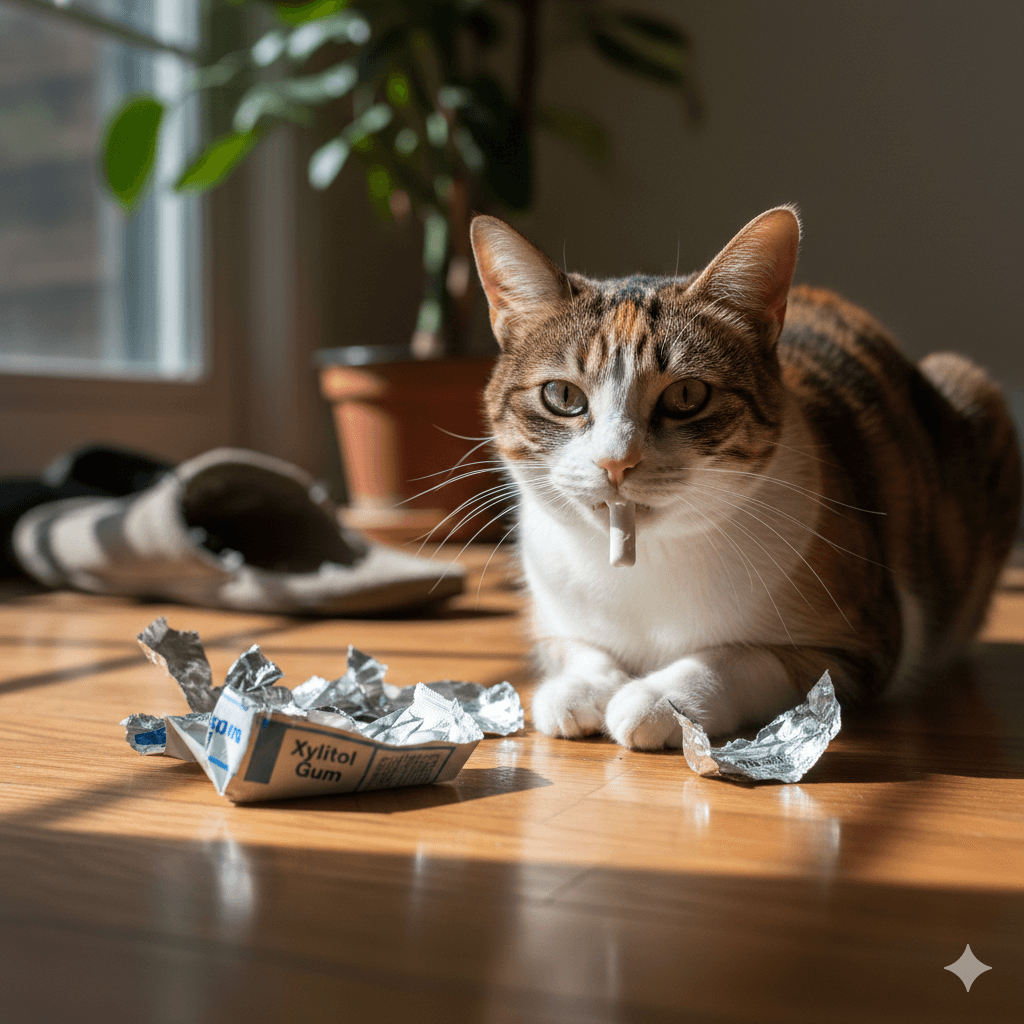
If your cat has ingested sugar-free gum, it’s not just an odd snack—it could be a serious health emergency. Many sugar-free gums contain xylitol or other artificial sweeteners that are extremely toxic to pets, especially dogs, but even in cats, certain ingredients can cause dangerous reactions. While cats are less likely than dogs to chew gum, curiosity or accidental access can still lead to ingestion. Quick recognition and action are vital to prevent complications. Here’s what you need to know to protect your feline friend and respond wisely in a moment of worry.

Immediate Dangers of Sugar-Free Gum Ingestion in Cats


Although xylitol is less toxic to cats than to dogs, it’s still a potential threat—and many gums contain other harmful substances like sorbitol, aspartame, or high levels of sugar substitutes that can upset a cat’s delicate digestive system. Even the gum base itself poses a choking or intestinal blockage risk. Understanding the specific hazards helps you act fast and effectively:

 
  • Xylitol Toxicity Risk:
    While cats don’t typically experience the life-threatening insulin spike seen in dogs, xylitol can still cause vomiting, lethargy, or liver stress in sensitive individuals.
     
  • Gastrointestinal Obstruction:
    Chewing gum isn’t digestible. If swallowed whole, it can clump in the intestines, especially in kittens or small cats, leading to a dangerous blockage.
     
  • Artificial Additives Irritation:
    Flavorings, dyes, and preservatives may trigger nausea, drooling, or diarrhea in cats with sensitive stomachs.
     
  • Choking Hazard:
    A piece of gum stuck in the throat or esophagus can obstruct breathing or swallowing—watch for gagging, pawing at the mouth, or distress.
     
  • Secondary Ingredient Risks:
    Some gums contain caffeine, nicotine, or medications (like nicotine gum), which are highly toxic even in tiny amounts to cats.
 

Even if your cat seems fine, never assume the situation is harmless—monitor closely and contact a vet immediately for guidance.

 
If Your Cat Ate Sugar-Free Gum: Best 7 Expert Tips!

When to Seek Emergency Veterinary Care


Not every gum ingestion leads to crisis, but certain signs demand urgent action. Because cats hide illness well, subtle changes can signal serious trouble. Act quickly if you observe any of the following red flags after your cat eats sugar-free gum:

 
  • Persistent Vomiting or Retching:
    Repeated attempts to vomit—especially with no output—could indicate an obstruction or irritation.
     
  • Lethargy or Collapse:
    Unusual drowsiness, weakness, or inability to stand may suggest systemic toxicity or low blood sugar.
     
  • Loss of Appetite Beyond 12 Hours:
    Refusing food or water for more than half a day after ingestion is a warning sign of discomfort or internal issues.
     
  • Abdominal Swelling or Pain:
    A bloated belly, hunched posture, or vocalizing when touched may point to intestinal blockage.
     
  • Neurological Symptoms:
    Tremors, seizures, or disorientation are rare but possible if the gum contained stimulants or neurotoxic substances.
 

If you saw your cat eat the gum—or even suspect it—call your vet or a pet poison helpline right away, even before symptoms appear.

Early Warning Signs
Emergency Red Flags
Mild drooling
Repeated vomiting
Temporary loss of appetite
Inability to keep water down
Occasional coughing or gagging
Labored breathing or choking
Slight lethargy
Collapse or unresponsiveness
Soft stool within 24 hours
Seizures or tremors

Step-by-Step Response If Your Cat Ingests Gum


Time is critical when dealing with potential toxin exposure. Following a clear action plan increases your cat’s chance of a safe outcome and reduces panic:

 
  • Stay Calm and Assess the Situation:
    Note the brand, ingredients (especially “xylitol,” “sorbitol,” or “aspartame”), and estimated amount swallowed.
     
  • Do Not Induce Vomiting:
    Never give hydrogen peroxide or try to make your cat vomit—this can worsen damage if the substance is caustic or if aspiration occurs.
     
  • Contact a Professional Immediately:
    Call your veterinarian or a pet poison control center (like ASPCA or Pet Poison Helpline) with product details in hand.
     
  • Monitor Closely for 48 Hours:
    Even if advised to monitor at home, watch for changes in behavior, eating, litter box habits, or energy levels.
     
  • Keep the Packaging:
    Bring or photograph the gum wrapper—it helps vets identify exact ingredients and determine toxicity level.
 

Quick, informed action can mean the difference between a minor scare and a life-threatening emergency.


Preventing Future Accidental Ingestions


Cats explore with their mouths, and a stray piece of gum on a counter or in a bag is an easy target. Prevention is far safer than treatment:

 
  • Store Gum Securely:
    Keep all gum, mints, and sugar-free products in closed cabinets or high shelves out of paw’s reach.
     
  • Dispose of Gum Safely:
    Wrap used gum in paper and place it in a lidded trash can—never leave it on tables or in open bins.
     
  • Educate Household Members:
    Ensure everyone, including children, understands that even “non-toxic-to-humans” items can harm cats.
     
  • Avoid Leaving Purses or Backpacks Open:
    These often contain gum and are tempting exploration zones for curious cats.
     
  • Use Pet-Safe Alternatives:
    If you chew gum for fresh breath, consider natural options without artificial sweeteners and store them responsibly.
 

A few mindful habits create a much safer environment for your feline companion.

Why Cats Are Less Affected by Xylitol—But Still at Risk


Unlike dogs, cats don’t typically suffer acute hypoglycemia (dangerously low blood sugar) from xylitol because their insulin response differs. However, this doesn’t mean they’re immune:

 
  • Species-Specific Metabolism:
    Feline bodies process xylitol more slowly, which may reduce—but not eliminate—risk of liver damage or GI upset.
     
  • Individual Sensitivity Varies:
    Kittens, seniors, or cats with preexisting liver conditions may react more severely to even small amounts.
     
  • Other Gum Ingredients Are Still Harmful:
    Sorbitol can cause osmotic diarrhea, while artificial flavors may trigger allergic or inflammatory responses.
     
  • Lack of Research Doesn’t Mean Safety:
    Few studies exist on xylitol in cats, so veterinarians err on the side of caution with any ingestion.
     
  • Chronic Exposure Concerns:
    Repeated small ingestions (e.g., from licking gum residue) could accumulate and affect long-term health.
 

Never assume “not toxic to cats” equals “safe”—when in doubt, treat it as an emergency.

Special Considerations for Kittens, Seniors, and Vulnerable Cats


Young, old, or medically fragile cats face greater risks from gum ingestion due to lower body weight, weaker immunity, or reduced organ function:

 
  • Kittens Under One Year:
    Their small size means even a tiny piece of gum can cause blockage or disproportionate toxin exposure.
     
  • Senior Cats:
    Declining kidney or liver function reduces their ability to process and eliminate artificial compounds.
     
  • Cats with GI Disorders:
    Those with IBD, constipation, or megacolon are more prone to complications from indigestible gum.
     
  • Outdoor or Multi-Cat Households:
    Shared spaces increase the chance of unnoticed ingestion—always check floors and furniture for dropped items.
     
  • Stressed or Anxious Cats:
    These cats may chew or lick unfamiliar objects out of boredom or anxiety, increasing accidental exposure risk.
 

For these groups, zero tolerance for risk is the best policy—seek veterinary advice promptly.

What to Expect at the Vet After Gum Ingestion


If your vet advises a visit, they’ll focus on decontamination, monitoring, and supportive care tailored to your cat’s condition:

 
  • Physical and Oral Exam:
    The vet will check for gum remnants in the mouth, assess hydration, and listen for intestinal sounds.
     
  • Diagnostic Imaging:
    X-rays or ultrasound may be used to locate a potential blockage, though gum isn’t always visible.
     
  • Blood Work:
    Tests can evaluate liver enzymes, glucose, and electrolyte balance—especially if xylitol or other toxins are suspected.
     
  • Supportive Treatments:
    IV fluids, anti-nausea meds, or activated charcoal may be given depending on timing and symptoms.
     
  • Observation or Hospitalization:
    Severe cases may require overnight monitoring to ensure no delayed complications arise.
 

Your vet’s goal is to stabilize your cat and prevent secondary issues—your detailed history helps them act faster.

“Xylitol is a sugar-substitute found in lots of human sweets, medicines and gums. It’s poisonous to dogs, but cats appear to be resistant to xylitol toxicity, except at very high doses”Dr. Deborah Brown, MRCVS

Frequently Asked Questions About Cats and Sugar-Free Gum

Can a small piece of sugar-free gum hurt my cat?

Even a small piece can pose a choking or blockage risk, and ingredients like xylitol should never be ignored—always consult a vet.

Current evidence suggests cats are less sensitive, but xylitol is still not safe—effects can vary, and other gum ingredients are harmful.

Licking may cause minor drooling or stomach upset, but significant toxicity is unlikely—still, monitor for 24 hours.

GI signs may show within 1–4 hours; blockage symptoms can take 12–24 hours or longer to develop.


Yes—many serious issues start subtly. A vet can advise based on the gum type, amount, and your cat’s health history.

Keeping Your Cat Safe from Hidden Household Hazards


A moment of curiosity shouldn’t lead to a crisis. By treating sugar-free gum as a potential toxin—not just a nuisance—you protect your cat from preventable harm. Your vigilance in storage, disposal, and response creates a safer home where your feline can explore without danger. Remember, when it comes to artificial sweeteners and indigestible items, there’s no such thing as “just a little.” Trust your instincts, act swiftly, and always lean toward caution. Your cat’s quiet trust in you is their greatest shield—and with knowledge and care, you’ll ensure they stay healthy, happy, and far from gum-related emergencies.

Is Rawhide Bad for Cats? Best 7 Expert Tips!

Is Rawhide Bad for Cats? Best 7 Expert Tips! – Discover the risks, safe alternatives, and expert advice to keep your feline friend healthy and happy.

Is Rawhide Bad for Dogs? Best 7 Expert Tips!

Is Rawhide Bad for Dogs? Best 7 Expert Tips! – Discover the risks, benefits, and safer alternatives to rawhides for your dog’s chewing needs.

Understanding Anorexia in Cats: Best 7 Expert Tips!

Understanding Anorexia in Cats: Best 7 Expert Tips! – Learn why cats stop eating, spot warning signs, and discover how to help your feline regain appetite safely.

Understanding Anorexia in Dogs: Best 7 Expert Tips!

Understanding Anorexia in Dogs: Best 7 Expert Tips! – Learn causes, symptoms, and solutions to help your dog regain appetite and stay healthy.

Leave a Reply

Your email address will not be published. Required fields are marked *