
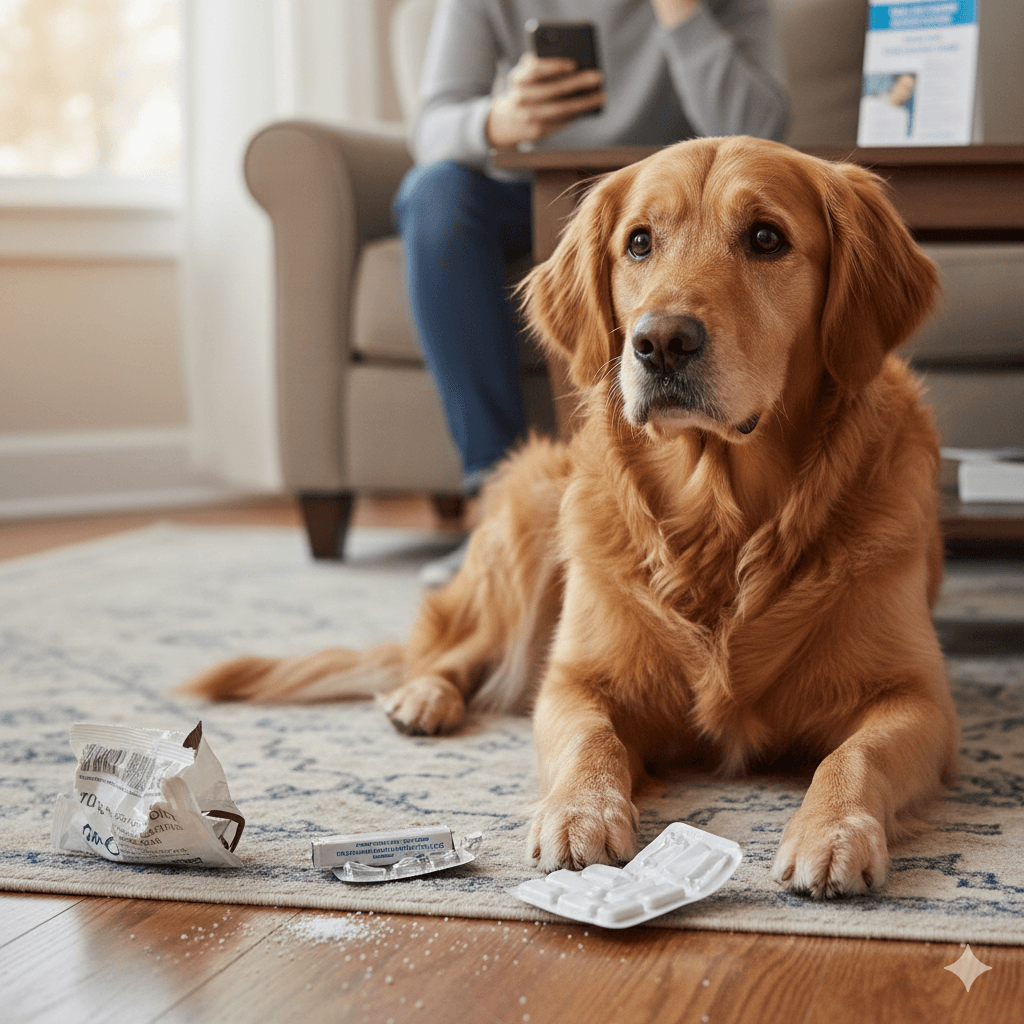

If Your Dog Ate Sugar-Free Gum: Best 7 Expert Tips!

If Your Dog Ate Sugar-Free Gum: Best 7 Expert Tips!

Understanding If Your Dog Ate Sugar-Free Gum: Best 7 Expert Tips!


If your dog gobbled down a piece of sugar-free gum, don’t panic—but do act quickly. Many sugar-free gums contain xylitol, a sweetener that’s harmless to humans but highly toxic to dogs, even in tiny amounts. Recognizing the urgency and knowing the right steps can literally save your dog’s life. While not every sugar-free gum includes xylitol, assuming it does is the safest approach. This guide offers expert-backed strategies to respond effectively, minimize risk, and protect your furry friend from serious complications.

Signs of Xylitol Poisoning in Dogs


Xylitol triggers a rapid release of insulin in dogs, causing a dangerous drop in blood sugar (hypoglycemia) within 10 to 60 minutes. In severe cases, it can also lead to liver damage. Early symptoms may be subtle but escalate quickly—so vigilance is critical in the first few hours after ingestion:

 
  • Vomiting:
    One of the earliest and most common reactions, often occurring within 30 minutes of ingestion.
     
  • Lethargy or Weakness:
    Your dog may seem unusually tired, unsteady on their feet, or reluctant to move due to low blood sugar.
     
  • Loss of Coordination:
    Staggering, wobbling, or difficulty standing can signal neurological impact from hypoglycemia.
     
  • Tremors or Seizures:
    As blood sugar drops further, muscle tremors or full seizures may occur—this is a medical emergency.
     
  • Collapse or Unresponsiveness:
    In extreme cases, dogs may lose consciousness, indicating severe toxicity requiring immediate intervention.
 

Even if your dog seems fine initially, symptoms can appear suddenly—never wait to see if they “get better” on their own.

If Your Dog Ate Sugar-Free Gum: Best 7 Expert Tips!

When to Seek Emergency Veterinary Care


Time is the most crucial factor in xylitol poisoning. The faster your dog receives treatment, the better the prognosis. While small ingestions may cause mild issues, any amount of xylitol should be treated as potentially life-threatening:

 
  • Ingestion of Any Known Xylitol-Containing Gum:
    Brands like Trident, Orbit, or Ice Breakers often list xylitol—assume toxicity even with one piece.
     
  • Unknown Gum Brand or Ingredients:
    If you’re unsure whether the gum contains xylitol, err on the side of caution and contact a vet or poison control.
     
  • Symptoms Appearing Within 1–2 Hours:
    Hypoglycemia can develop rapidly; early treatment prevents liver damage and seizures.
     
  • Small or Toy Breed Dogs:
    Due to their low body weight, even a fraction of a piece can be lethal—act immediately.
     
  • Multiple Pieces Consumed:
    Higher doses increase the risk of acute liver failure, which may not show signs for 24–72 hours.
 

Never induce vomiting without veterinary instruction—doing so incorrectly can cause more harm than good.

Immediate Warning Signs
Delayed but Serious Risks
Vomiting within 30 minutes
Elevated liver enzymes after 24 hours
Weakness or stumbling
Jaundice (yellow gums or eyes)
Rapid heart rate
Bleeding disorders or bruising
Pale gums
Loss of appetite or abdominal pain
Seizures or collapse
Acute liver failure requiring intensive care

Steps to Take Right After Ingestion


Your quick response in the first 30 minutes can dramatically alter the outcome. Stay calm, gather information, and follow these critical actions:

 
  • Check the Gum Packaging:
    Look for “xylitol” in the ingredients—if present, note the amount per piece and how many pieces were eaten.
     
  • Call Your Veterinarian or Pet Poison Helpline:
    In the U.S., contact the ASPCA Animal Poison Control (888-426-4435) or Pet Poison Helpline (855-764-7661) immediately.
     
  • Do Not Wait for Symptoms:
    Even if your dog seems normal, blood sugar can plummet without warning—early IV dextrose is often lifesaving.
     
  • Avoid Home Remedies:
    Never give food, water, or medications unless directed by a professional—some can worsen absorption or delay treatment.
     
  • Prepare for Emergency Transport:
    Have a carrier or leash ready and drive to the nearest emergency vet if advised—don’t delay.
 

Swift, informed action gives your dog the best chance at a full recovery with no lasting effects.

Common Sugar-Free Gum Brands That Contain Xylitol


Not all sugar-free gums are equally dangerous, but many popular brands use xylitol for its dental benefits—making them hazardous to dogs. Awareness of these products helps prevent future accidents:

 
  • Trident:
    Many varieties, especially gum with “xylitol” on the front label, contain 0.17–1 gram per piece.
     
  • Orbit:
    Certain flavors like “Sweet Mint” and “Strawberry” list xylitol as a primary sweetener.
     
  • Ice Breakers:
    Both gum and mints in this line often include xylitol—check labels carefully.
     
  • Pure Gum:
    Marketed as “clean” or “natural,” this brand relies heavily on xylitol as its main sweetener.
     
  • Epic Dental Gum:
    Specifically formulated with high xylitol content for oral health—extremely toxic to dogs.
 

Always store these products out of reach—countertops, purses, and coat pockets are common danger zones.

Preventing Accidental Xylitol Exposure at Home


Prevention is far safer than emergency treatment. Simple household habits can eliminate this hidden threat from your dog’s environment:

 
  • Store Gum in Sealed, Elevated Cabinets:
    Never leave gum on tables, in open bags, or in low drawers your dog can access.
     
  • Educate All Household Members:
    Ensure children, guests, and caregivers know xylitol’s dangers and proper storage rules.
     
  • Check All “Sugar-Free” Products:
    Xylitol is also in peanut butter, toothpaste, candies, and medications—always read labels before giving anything to your dog.
     
  • Use Dog-Safe Dental Chews Instead:
    Choose vet-approved dental treats without xylitol to support oral health safely.
     
  • Post Emergency Numbers Visibly:
    Keep poison control and your vet’s number on the fridge or in your phone for instant access.
 

A proactive approach turns a potentially fatal mistake into a non-event.

Special Considerations for Puppies and Small Breeds


Puppies and small dogs (under 10 lbs) face the highest risk from xylitol due to their size and developing systems. Even a crumb of gum can trigger severe reactions:

 
  • Faster Onset of Symptoms:
    Their metabolism processes toxins more quickly, leading to hypoglycemia in under 15 minutes.
     
  • Lower Toxic Threshold:
    As little as 0.1 gram of xylitol per kg of body weight can cause poisoning—less than one piece for a Chihuahua.
     
  • Greater Difficulty Regulating Blood Sugar:
    Their limited energy reserves make recovery from hypoglycemia more challenging without IV support.
     
  • Higher Risk of Liver Damage:
    Young livers are more vulnerable to xylitol-induced toxicity at lower doses.
     
  • Less Ability to Communicate Distress:
    Puppies may hide symptoms until they’re critical—assume exposure is an emergency regardless of behavior.
 

For these dogs, minutes matter—treat every potential ingestion as urgent.

What Happens During Veterinary Treatment


If you rush your dog to the clinic after eating sugar-free gum, the veterinary team will act fast to stabilize and detoxify. Here’s what typically occurs:

 
  • Blood Glucose Monitoring:
    Immediate blood tests check for hypoglycemia; repeat tests track trends over 24–72 hours.
     
  • IV Fluids with Dextrose:
    Continuous dextrose infusion maintains safe blood sugar levels and supports liver function.
     
  • Liver Protectants:
    Medications like SAM-e or N-acetylcysteine may be given to reduce liver damage risk.
     
  • Hospitalization for Observation:
    Most dogs stay 12–48 hours for monitoring, especially if vomiting occurred or liver enzymes rise.
     
  • Follow-Up Blood Work:
    Liver values are rechecked at 24 and 48 hours to detect delayed toxicity even if initial signs improve.
 

With prompt care, many dogs recover fully—but delays can lead to irreversible harm or death.

“Xylitol is extremely toxic to dogs. Even small amounts of xylitol can cause hypoglycemia (low blood sugar), seizures, liver failure, or even death.” – Dr. Renee Schmid, DVM, DABT, DABVT

Frequently Asked Questions About Dogs Eating Sugar-Free Gum

Is all sugar-free gum toxic to dogs?

No—but many brands contain xylitol, which is extremely toxic. Always assume it does unless confirmed otherwise.


As little as 0.1 gram per kg of body weight can cause hypoglycemia. One piece of gum may contain 0.3–1 gram.

Not necessarily. Symptoms can be delayed, and liver damage may occur without early signs—always consult a vet.

Even partially chewed or old gum retains enough xylitol to be dangerous—never assume it’s “safe.”

For at least 72 hours, as liver failure can develop days later even if initial symptoms resolve.

Protecting Your Dog from Hidden Household Hazards


Discovering your dog ate sugar-free gum is a frightening wake-up call—but it’s also an opportunity to create a safer home. Xylitol hides in many everyday products, and awareness is your strongest defense. By storing risky items securely, reading labels diligently, and acting instantly if exposure occurs, you turn panic into preparedness. Your dog depends on you to be their advocate in a world full of invisible threats. With knowledge, vigilance, and love, you can prevent tragedies and ensure many more years of joyful companionship. Because in the end, the best expert tip isn’t just knowing what to do—it’s making sure you never have to do it at all.

Is Rawhide Bad for Cats? Best 7 Expert Tips!

Is Rawhide Bad for Cats? Best 7 Expert Tips! – Discover the risks, safe alternatives, and expert advice to keep your feline friend healthy and happy.

Is Rawhide Bad for Dogs? Best 7 Expert Tips!

Is Rawhide Bad for Dogs? Best 7 Expert Tips! – Discover the risks, benefits, and safer alternatives to rawhides for your dog’s chewing needs.

Understanding Anorexia in Cats: Best 7 Expert Tips!

Understanding Anorexia in Cats: Best 7 Expert Tips! – Learn why cats stop eating, spot warning signs, and discover how to help your feline regain appetite safely.

Understanding Anorexia in Dogs: Best 7 Expert Tips!

Understanding Anorexia in Dogs: Best 7 Expert Tips! – Learn causes, symptoms, and solutions to help your dog regain appetite and stay healthy.

Leave a Reply

Your email address will not be published. Required fields are marked *