
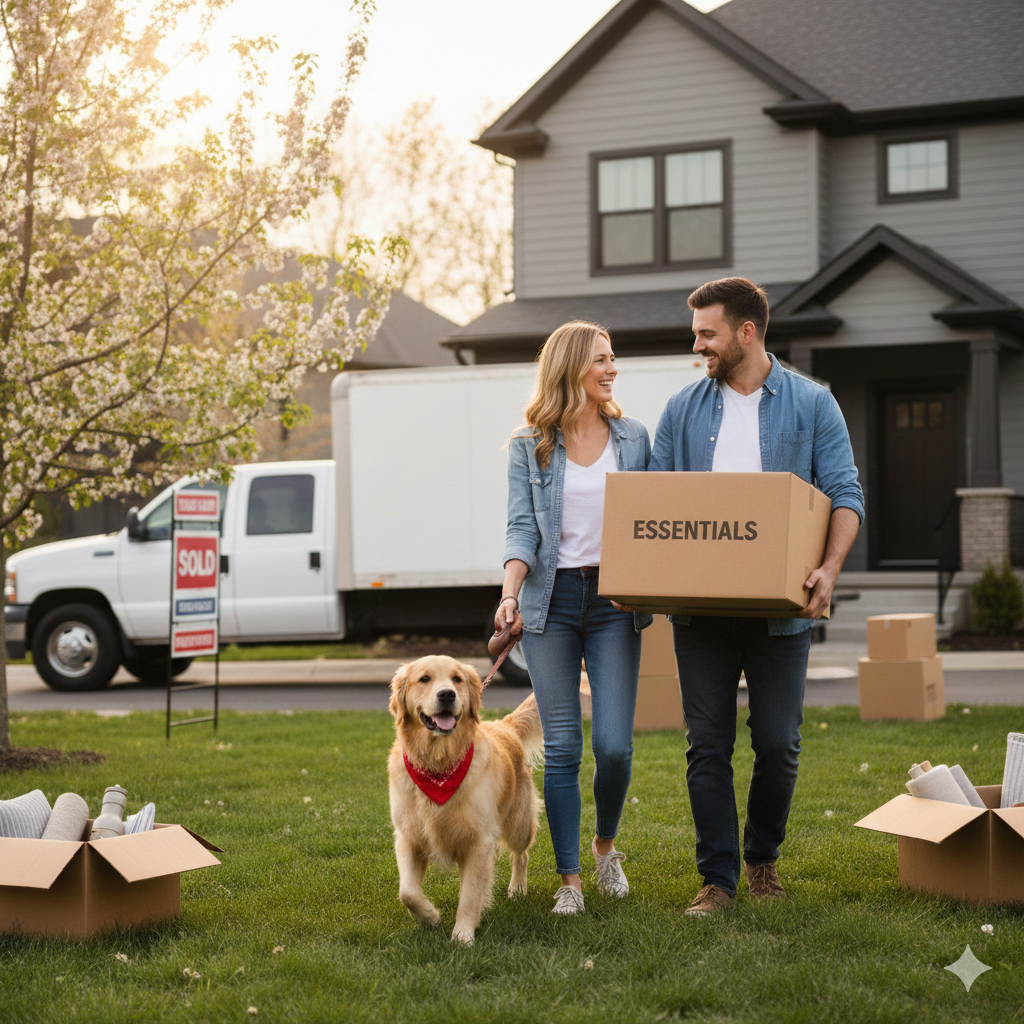

How to Move with a Dog: Best 7 Expert Tips!

How to Move with a Dog: Best 7 Expert Tips!

Understanding How to Move with a Dog: Best 7 Expert Tips!


Relocating can be stressful—for you and your furry companion. Dogs thrive on routine, so a move disrupts their sense of safety and predictability. But with thoughtful planning and empathy, you can turn this transition into a smooth, even bonding experience. Whether it’s across town or across the country, your dog’s comfort starts with your preparation. These expert-backed strategies will help your pup adjust faster, reduce anxiety, and settle into your new home with confidence.

Preparing Your Dog for the Move


Getting your dog ready mentally and physically begins weeks before moving day. Familiarity and consistency are your allies during this upheaval, and early preparation can drastically lower stress levels. Focus on creating a sense of security even as boxes pile up and routines shift:

 
  • Update ID Tags and Microchip Info:
    Ensure your dog’s collar tag lists your new address and phone number—and confirm your microchip registry is updated with current contact details.
     
  • Collect Medical Records:
    Gather vaccination history, prescriptions, and vet notes; many states or countries require health certificates for relocation.
     
  • Practice Crate Training Early:
    If your dog isn’t already crate-comfortable, start positive reinforcement sessions now—this safe space will be vital during travel.
     
  • Maintain Routines Relentlessly:
    Keep walks, meals, and bedtime as consistent as possible to provide emotional stability amid environmental chaos.
     
  • Introduce Packing Gradually:
    Let your dog sniff and explore boxes; scatter treats inside to build positive associations with the moving process.
 

By laying this groundwork early, you transform uncertainty into manageable change—and your dog will sense your calm leadership throughout.

How to Move with a Dog: Best 7 Expert Tips!

Choosing the Right Travel Method


Not all moves happen the same way, and your dog’s size, temperament, and health dictate the safest transport strategy. Whether by car, plane, or professional pet mover, prioritize comfort, safety, and legal compliance for a seamless journey:

 
  • Car Travel for Short to Medium Distances:
    Use a crash-tested harness or secured crate; never let your dog roam freely in the vehicle—it’s dangerous and illegal in many areas.
     
  • Air Travel for Long Relocations:
    Research airline pet policies thoroughly; most require acclimated crates, health certs, and specific temperature restrictions.
     
  • Ground Transport Services:
    For anxious or large dogs, consider specialized pet transport companies that offer climate-controlled, monitored travel.
     
  • Check Destination Regulations:
    Some cities or countries (like the UK or Australia) have strict quarantine or import rules—start paperwork months in advance.
     
  • Avoid Sedation Unless Prescribed:
    Most vets and airlines discourage tranquilizers; they can impair breathing and balance without reducing anxiety.
 

The right travel plan isn’t just about logistics—it’s about minimizing fear and maximizing your dog’s well-being from departure to arrival.

Pre-Move Essentials
On-the-Road Comfort Tips
Updated microchip and ID tags
Bring familiar bedding or a worn T-shirt
Vet records and medications
Offer water frequently (but not right before travel)
Crate or carrier acclimation
Use calming pheromone sprays (like Adaptil)
Familiar toys and chews
Schedule potty breaks every 2–4 hours
Emergency contact list
Keep noise levels low—limit loud music or honking

Setting Up Your New Home for Success


The first 72 hours in your new space shape your dog’s long-term adjustment. A thoughtful setup turns unfamiliar walls into a sanctuary and prevents confusion or escape attempts. Prioritize safety, familiarity, and gradual exploration:

 
  • Create a Quiet “Base Camp” Room:
    Set up a bedroom or den with your dog’s bed, toys, food, and water—somewhere calm and away from unpacking chaos.
     
  • Reintroduce Familiar Scents:
    Place unwashed laundry, favorite blankets, or even a piece of your worn clothing near their resting area.
     
  • Secure All Entry Points:
    Check fences, gates, windows, and doors—new environments trigger flight responses, even in well-trained dogs.
     
  • Stick to Old Routines Immediately:
    Feed, walk, and play at the same times as before; predictability rebuilds trust faster than anything.
     
  • Limit Initial Exploration:
    Let your dog explore one room at a time under supervision—too much space too soon can overwhelm them.
 

This intentional setup shows your dog: “You’re safe here. This is still your home—with me.”

Managing Stress and Anxiety During Transition


Dogs communicate stress through behavior, not words—so watch for subtle signs like pacing, lip-licking, or clinginess. Addressing anxiety early prevents long-term issues like house soiling or destructive chewing in your new space:

 
  • Use Calming Aids Proactively:
    Try vet-approved supplements, Thundershirts, or Adaptil diffusers starting a week before the move.
     
  • Avoid Over-Comforting Nervousness:
    While empathy matters, excessive coddling can reinforce fearful behavior—stay calm and neutral instead.
     
  • Maintain Positive Associations:
    Reward curiosity with treats (“Yes! Go check that corner!”) to encourage confident exploration.
     
  • Keep Kids and Visitors Low-Key:
    Ask friends and family to greet your dog calmly and avoid loud welcomes during the first week.
     
  • Monitor Sleep and Appetite:
    Temporary changes are normal, but refusal to eat for 24+ hours or insomnia may signal deeper distress.
 

Your emotional state sets the tone—when you’re grounded, your dog feels it too.


Introducing Your Dog to the New Neighborhood


Familiarity with the outside world builds long-term confidence. Thoughtful, gradual exposure to parks, sidewalks, and local dogs helps your pup feel ownership over their new territory:

 
  • Start with Leashed Walks at Quiet Times:
    Early morning or late evening reduces sensory overload from traffic, people, or other animals.
     
  • Map Safe Routes in Advance:
    Identify quiet streets, dog-friendly parks, and off-leash zones that match your dog’s social needs.
     
  • Meet Neighbors and Local Dogs Slowly:
    Allow your dog to observe from a distance first—never force interactions during the adjustment phase.
     
  • Update Local Registrations:
    Many cities require new dog licenses or leash law compliance within 30 days of moving.
     
  • Note Emergency Resources Nearby:
    Locate the closest 24-hour vet, pet pharmacy, and groomer before you actually need them.
 

These steps transform your neighborhood from “unknown territory” into your dog’s new kingdom.


Long-Term Adjustment and Building New Bonds


True adjustment can take weeks—or even months—for sensitive dogs. Patience, consistency, and joyful reinforcement turn your new house into a shared home filled with new memories:

 
  • Celebrate Small Wins Daily:
    Did your dog nap in the living room? Sniff a new tree? Praise them—it builds confidence brick by brick.
     
  • Reinforce Training in New Spaces:
    Practice “sit,” “stay,” and recall inside and outside; familiar cues restore a sense of control.
     
  • Create New Rituals:
    Establish a post-dinner walk or Sunday morning cuddle time unique to your new home.
     
  • Watch for Regression:
    Accidents or barking may resurface during stress—respond with patience, not punishment.
     
  • Consider a “Homecoming” Photo:
    Snap a happy picture on your doorstep; it marks the beginning of your next chapter together.
 

Your dog isn’t just moving location—they’re trusting you to rebuild their world. Honor that trust with time and tenderness.

Essential Packing and Travel Checklist for Moving with Your Dog

As moving day approaches, having a dedicated checklist ensures nothing critical is forgotten in the shuffle. From paperwork to comfort items, being organized reduces last-minute stress—for both you and your dog. Pack a “dog essentials” go-bag and keep it separate from boxes so it’s always accessible during transit and your first night in the new home:

 
  • Veterinary and Legal Documents:
    Bring vaccination records, health certificates, microchip details, prescriptions, and any travel permits required by your destination.
     
  • Familiar Food and Treats:
    Pack enough of your dog’s current food for at least a week to avoid digestive upset from sudden diet changes.
     
  • Comfort Items:
    Include their favorite bed, blanket, toys, and even a piece of your clothing with your scent to provide instant familiarity.
     
  • Travel-Safe Gear:
    Ensure you have a secure harness, seatbelt clip, or airline-approved crate—plus waste bags, a portable water bowl, and collars with updated tags.
     
  • First-Night Survival Kit:
    Pre-assemble bowls, food, water, medications, a leash, and cleaning supplies (like enzymatic spray) for accidents during the first 24 hours.
 

Having everything ready in one place means you can focus on your dog’s emotional needs—not frantic searches—when it matters most.

“Most dogs find comfort in routine, and changes during the moving process can cause stress for some. Thoughtful preparation before, during and after the move can help your dog transition comfortably to your new home.” – Cornell University College of Veterinary Medicine

Frequently Asked Questions About How to Move with a Dog

Should I board my dog during the actual move?

Only if absolutely necessary—most dogs do better staying with you. If you must board, choose a familiar facility and bring their own bedding.


For smaller spaces, create vertical enrichment (like wall perches for small dogs). For larger homes, use baby gates to limit access until they feel secure.

Avoid all non-essential changes for at least 2–4 weeks. Stability in diet and schedule is crucial during adjustment.

Try hand-feeding, warming their food, or mixing in broth. If they refuse food for over 24 hours, consult your vet.

Yes—if that’s what they’re used to. Temporary comfort measures are fine; you can reestablish boundaries once they’re settled.

Welcoming Your Dog into a New Chapter with Love


Moving with a dog isn’t just about logistics—it’s an act of care that deepens your bond. Every crate packed, every reassuring whisper, every quiet moment in a strange room says: “I’m here, and you’re safe.” Your dog may not understand zip codes or lease agreements, but they understand your presence. By honoring their need for rhythm in a world of change, you don’t just give them a new address—you give them a new beginning, wrapped in the one thing they trust most: you. And that’s the true heart of home.

Is Rawhide Bad for Cats? Best 7 Expert Tips!

Is Rawhide Bad for Cats? Best 7 Expert Tips! – Discover the risks, safe alternatives, and expert advice to keep your feline friend healthy and happy.

Is Rawhide Bad for Dogs? Best 7 Expert Tips!

Is Rawhide Bad for Dogs? Best 7 Expert Tips! – Discover the risks, benefits, and safer alternatives to rawhides for your dog’s chewing needs.

Understanding Anorexia in Cats: Best 7 Expert Tips!

Understanding Anorexia in Cats: Best 7 Expert Tips! – Learn why cats stop eating, spot warning signs, and discover how to help your feline regain appetite safely.

Understanding Anorexia in Dogs: Best 7 Expert Tips!

Understanding Anorexia in Dogs: Best 7 Expert Tips! – Learn causes, symptoms, and solutions to help your dog regain appetite and stay healthy.

Leave a Reply

Your email address will not be published. Required fields are marked *