
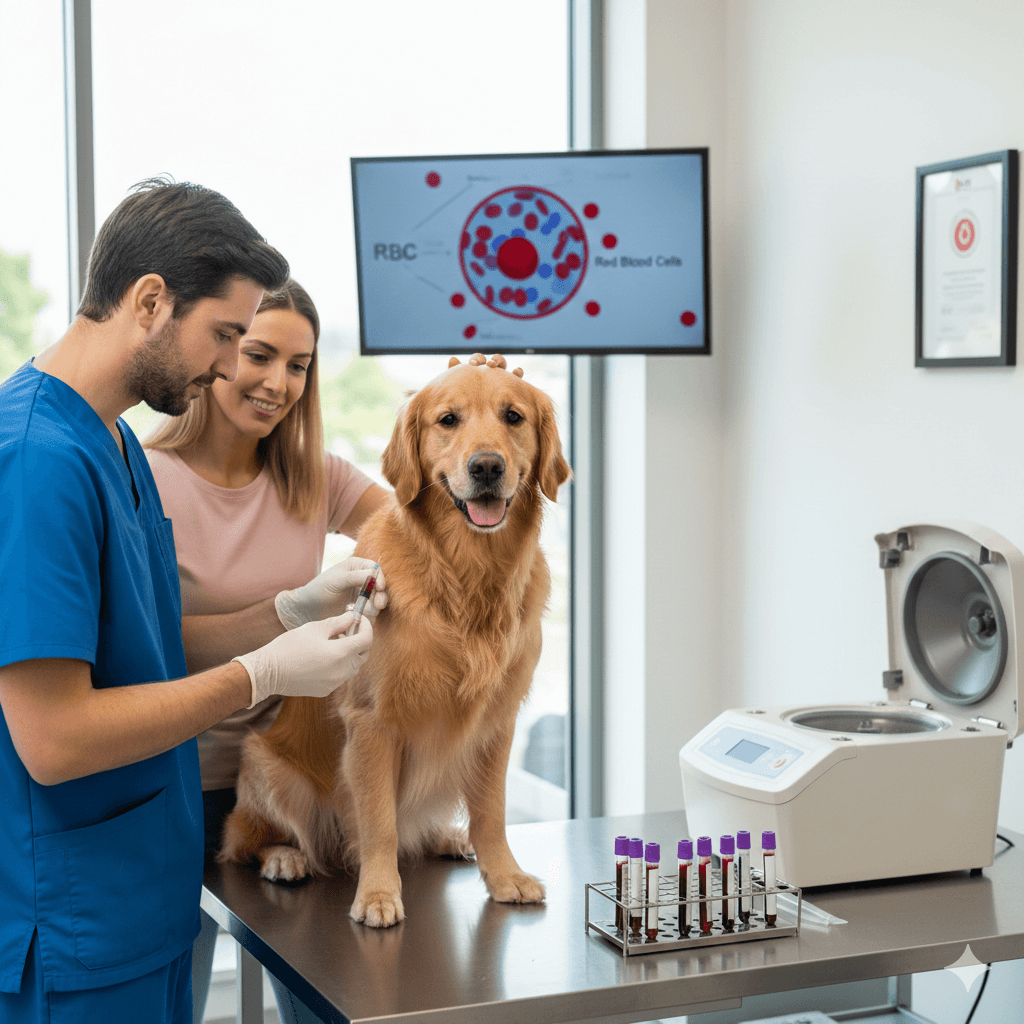

Understanding RBC Dog Blood Test: Best 7 Expert Tips!
A red blood cell (RBC) count is a cornerstone of canine blood work, offering vital clues about your dog’s oxygen delivery, hydration, and overall health. Whether part of a routine check-up or an urgent diagnostic panel, this simple test can reveal anemia, dehydration, or even hidden chronic disease. While the numbers may seem technical, they tell a powerful story about your dog’s internal well-being. Understanding what RBC levels mean—and what to do when they’re off—empowers you to partner more effectively with your veterinarian. With these expert insights, you’ll move beyond confusion to confident, proactive care.
What Does an RBC Blood Test Measure in Dogs?
The RBC (red blood cell) test quantifies the number of oxygen-carrying cells circulating in your dog’s bloodstream. These disc-shaped cells, produced in the bone marrow, are essential for delivering oxygen from the lungs to every tissue in the body. Abnormal levels—either too high or too low—can signal underlying health issues long before obvious symptoms appear. Here’s what this key diagnostic tool actually assesses:
- RBC Count:
The actual number of red blood cells per microliter of blood, measured directly through automated analyzers. - Hematocrit (PCV):
The percentage of total blood volume made up by red blood cells, indicating concentration and hydration status. - Hemoglobin Level:
The oxygen-binding protein inside red blood cells; low levels often accompany anemia. - MCV (Mean Corpuscular Volume):
The average size of red blood cells, helping distinguish between types of anemia (e.g., microcytic vs. macrocytic). - MCHC (Mean Corpuscular Hemoglobin Concentration):
Measures hemoglobin density within cells, useful in diagnosing nutritional deficiencies or hemolysis.
Together, these values form a complete picture of your dog’s red blood cell health and oxygen-carrying capacity.
Common Reasons for Abnormal RBC Results
An unexpected RBC result can be alarming, but context matters greatly. Many factors—from temporary dehydration to serious chronic illness—can shift these values. Your vet will interpret results alongside your dog’s history, breed, age, and other lab markers. Key causes include:
- Dehydration:
Concentrates the blood, falsely elevating RBC count and hematocrit without actual increase in cell production. - Anemia:
Low RBCs due to blood loss, poor production (e.g., kidney disease), or destruction (e.g., immune-mediated hemolytic anemia). - Polycythemia:
Rare condition where the body overproduces red blood cells, possibly due to heart or lung disease or bone marrow disorders. - Chronic Inflammation or Infection:
Can suppress bone marrow function over time, gradually reducing RBC production. - Toxin Exposure:
Substances like onions, zinc, or certain medications can damage red blood cells and cause sudden drops in count.
No single value is diagnostic—but trends and combinations guide accurate conclusions and next steps.
Check this guide 👉Understanding IP Blood Test for Dogs: Best 7 Expert Tips!
Check this guide 👉WBC Dog Blood Test: Best 7 Expert Tips!
Check this guide 👉EOS Dog Blood Test: Best 7 Expert Tips!
Healthy RBC Indicators | Warning Signs in RBC Results |
|---|---|
Normal hematocrit (37–55%) | Hematocrit below 35% or above 60% |
Stable RBC count over time | Sudden drop in RBCs without explanation |
Pink, moist gums | Pale, white, or yellow-tinged gums |
Good energy and appetite | Lethargy, weakness, or rapid breathing |
No unexplained bruising | Blood in urine, stool, or vomit |
How the RBC Test Is Performed
The RBC blood test is minimally invasive and typically completed during a standard veterinary visit. A small blood sample—usually drawn from a leg vein or neck jugular—is sent to an in-house or external lab for analysis. The process is quick, safe, and well-tolerated by most dogs:
- Preparation:
Fasting isn’t usually required unless other tests (like glucose or liver panels) are included in the same blood draw. - Sample Collection:
A vet or technician cleans the site, inserts a small needle, and collects 1–3 mL of blood into a special tube. - Processing Time:
In-house machines provide results in minutes; external labs may take 24–48 hours for full panels. - Pain and Stress Management:
Gentle handling, treats, or light sedation may be used for anxious or uncooperative dogs. - Repeat Testing:
Often recommended to confirm trends—especially if initial results are borderline or unexpected.
Most dogs return to normal activity immediately after the blood draw with no side effects.
Interpreting Your Dog’s RBC Results
Lab reports list reference ranges, but “normal” varies by breed, age, and even altitude. A Greyhound naturally has higher RBCs than a Shih Tzu, for example. Your veterinarian looks beyond the numbers to the whole clinical picture:
- Breed-Specific Norms:
Sighthounds like Whippets often have elevated hematocrit and RBC counts—this is normal, not pathological. - Age Considerations:
Puppies may have slightly lower counts as their bone marrow matures; seniors may show gradual declines. - Hydration Status:
A dehydrated dog may show falsely high RBCs; retesting after fluid therapy gives a truer baseline. - Trend Over Time:
A mildly low RBC that’s steadily falling is more concerning than a stable value just below the reference range. - Correlation with Other Tests:
RBC results are always reviewed alongside white blood cells, platelets, and chemistry values for context.
Never interpret the report in isolation—your vet’s expertise turns data into meaningful care decisions.
When Additional Testing Is Needed
An abnormal RBC result often triggers deeper investigation to pinpoint the root cause. Further diagnostics help distinguish between simple dehydration and life-threatening conditions like bone marrow failure or internal bleeding:
- Reticulocyte Count:
Measures immature red blood cells to determine if the bone marrow is responding appropriately to anemia. - Blood Smear Review:
A vet examines cells under a microscope to check for abnormal shapes, parasites, or signs of destruction. - Imaging (X-ray or Ultrasound):
Used to detect internal bleeding, tumors, or organ enlargement affecting RBC production. - Bone Marrow Aspiration:
Reserved for severe, unexplained low RBC cases to evaluate marrow health directly. - Specific Disease Panels:
Tests for tick-borne illnesses (e.g., Babesia), kidney function, or autoimmune disorders may be added.
These tools ensure your dog receives precise, targeted treatment—not guesswork.
Supporting Your Dog’s Red Blood Cell Health
While you can’t control every factor, daily habits significantly influence your dog’s blood health. Prevention and support start at home with consistent, thoughtful care:
- Balanced Nutrition:
Feed a high-quality diet rich in iron, B vitamins, and protein—essential for red blood cell production. - Avoid Toxins:
Keep onions, garlic, zinc-containing coins, and human medications securely out of reach. - Parasite Prevention:
Use vet-approved flea, tick, and worm control to prevent blood loss and vector-borne diseases. - Regular Wellness Checks:
Annual blood work catches subtle RBC changes before they become crises, especially in senior dogs. - Hydration Monitoring:
Ensure constant access to fresh water, particularly in hot weather or during illness.
Strong RBC health reflects a well-cared-for dog—and your daily choices make a measurable difference.
Essential Tips for Interpreting Your Dog’s RBC Blood Test Results
Understanding your dog’s RBC (red blood cell) test goes beyond reading a number—it’s about context, trends, and clinical signs. Whether you’re reviewing lab results after a wellness visit or investigating unexplained fatigue, these practical pointers will help you collaborate more effectively with your veterinarian and advocate confidently for your dog’s health:
- Compare to Baseline Values:
If your dog has had previous blood work, compare current RBC levels to their personal baseline—breed and individual variation matter more than generic lab ranges. - Assess Hydration First:
Dehydration can artificially inflate RBC count and hematocrit; if your dog hasn’t been drinking well, rehydration may normalize results without further concern. - Look at the Full CBC, Not Just RBC:
Red blood cell data should always be viewed alongside white blood cells, platelets, reticulocytes, and hemoglobin for a complete diagnostic picture. - Note Physical Symptoms:
Pale gums, weakness, rapid breathing, or exercise intolerance alongside low RBCs suggest clinically significant anemia requiring action. - Ask About Reticulocyte Response:
A high reticulocyte count means the bone marrow is actively fighting anemia; a low count in the face of anemia is a red flag for serious underlying disease.
By focusing on these key considerations, you transform raw data into meaningful insight—turning confusion into clarity and anxiety into empowered care.
“A decrease in either the red cell count or the hemoglobin is called anemia.”
— Courtney Barnes, DVM
Frequently Asked Questions About RBC Dog Blood Test
What’s a normal RBC count for dogs?
Typical RBC ranges are 5.5 to 8.5 million cells/µL, but this varies by lab, breed, and age—always refer to your report’s reference values.
Can stress affect RBC results?
Acute stress doesn’t significantly alter RBC count, but chronic illness linked to stress might indirectly impact production over time.
Does a low RBC always mean anemia?
Yes—by definition, anemia is a lower-than-normal RBC count, but the cause (blood loss, destruction, or poor production) must be identified.
How quickly can RBC levels change?
In acute blood loss, RBCs drop within hours; in chronic disease, changes may unfold over weeks or months.
Should I worry about slightly high RBCs?
Mild elevations are often due to dehydration—repeat testing after rehydration usually clarifies. True polycythemia is rare but serious.
Empowering Your Dog’s Health Through Informed Care
Your dog’s RBC blood test is far more than a number on a page—it’s a window into their vitality, resilience, and hidden health challenges. By understanding what these results mean and how to respond, you step into the role of a proactive, knowledgeable advocate. Whether the outcome is reassuringly normal or a call for further action, your awareness makes all the difference. Trust your instincts, partner closely with your veterinarian, and remember: every drop of blood tells a story worth listening to. With care, vigilance, and love, you help ensure your dog’s red blood cells—and their whole being—keep thriving for years to come.
Is Rawhide Bad for Cats? Best 7 Expert Tips! – Discover the risks, safe alternatives, and expert advice to keep your feline friend healthy and happy.

Is Rawhide Bad for Dogs? Best 7 Expert Tips! – Discover the risks, benefits, and safer alternatives to rawhides for your dog’s chewing needs.

Understanding Anorexia in Cats: Best 7 Expert Tips! – Learn why cats stop eating, spot warning signs, and discover how to help your feline regain appetite safely.

Understanding Anorexia in Dogs: Best 7 Expert Tips! – Learn causes, symptoms, and solutions to help your dog regain appetite and stay healthy.