
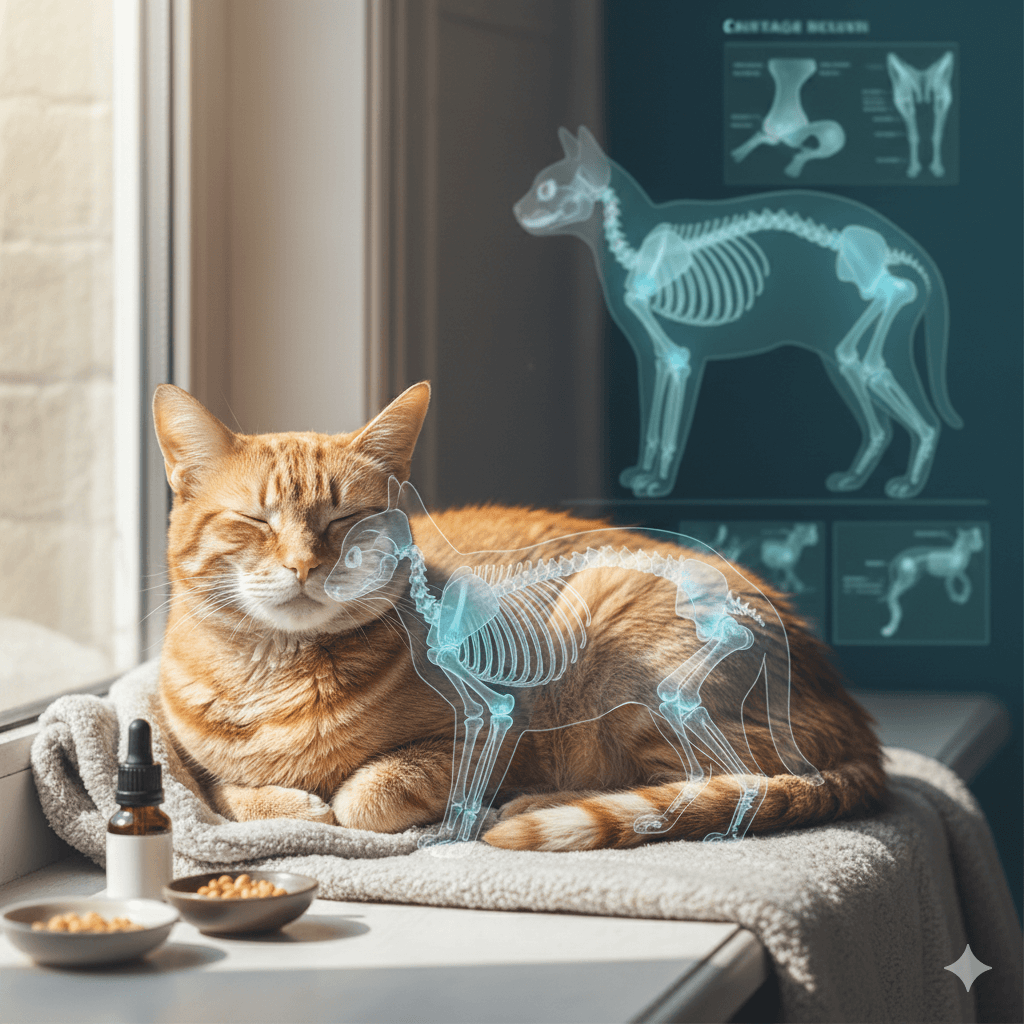

Degenerative Joint Disease in Cats: Best 7 Expert Tips!

Degenerative Joint Disease in Cats: Best 7 Expert Tips!

Understanding Degenerative Joint Disease in Cats: Best 7 Expert Tips!

If your cat seems hesitant to leap onto favorite perches or grooms less enthusiastically, they may be silently coping with degenerative joint disease—a common yet often overlooked condition in aging felines. Unlike dogs, cats mask pain instinctively, making early detection challenging for even the most observant owners. However, subtle behavioral shifts can reveal significant joint discomfort. With thoughtful care and timely intervention, you can dramatically improve your cat’s mobility and quality of life. Discover the essential strategies to support your cat through this progressive condition with compassion and confidence.

Recognizing Early Signs of Joint Degeneration

Cats with degenerative joint disease (DJD), also known as osteoarthritis, rarely vocalize pain. Instead, they adapt their behavior to avoid discomfort—often mistaken for “just getting old.” Attentive owners can catch these quiet signals before stiffness becomes severe:

 
  • Reduced Jumping or Climbing:
    Your cat may pause before leaping, avoid high surfaces, or miss jumps they once nailed effortlessly.
     
  • Altered Grooming Habits:
    Pain in the spine or hips can make twisting difficult, leading to matted fur, especially along the back or tail base.
     
  • Litter Box Accidents:
    Hopping into a high-sided box may become too painful, resulting in urination or defecation just outside it.
     
  • Increased Irritability or Withdrawal:
    A once-affectionate cat might flinch when touched near sore joints or spend more time alone in quiet spots.
     
  • Stiff or Stilted Gait:
    Watch for reluctance to move, shortened steps, or difficulty rising after naps—especially in cool or damp weather.
 

Though gradual, these changes are not “normal aging”—they’re signs your cat needs support to stay comfortable and engaged.

Degenerative Joint Disease in Cats: Best 7 Expert Tips!

Common Causes and Risk Factors

Degenerative joint disease in cats typically stems from long-term wear, injury, or underlying conditions that accelerate cartilage breakdown. Understanding what contributes to DJD helps you assess your cat’s risk and take preventive steps:

 
  • Age-Related Cartilage Wear:
    Most cats over 10 show some joint changes on X-rays, even without obvious symptoms.
     
  • Previous Joint Injuries:
    Fractures, ligament tears, or dislocations can lead to uneven joint stress and early arthritis.
     
  • Genetic Predispositions:
    Breeds like Maine Coons or Scottish Folds may inherit joint abnormalities that hasten degeneration.
     
  • Obesity:
    Excess weight places constant strain on joints, speeding up cartilage loss and inflammation.
     
  • Developmental Disorders:
    Conditions like hip dysplasia, though less common than in dogs, still occur and predispose cats to DJD.
 

While you can’t reverse joint damage, addressing modifiable risks like weight and activity can slow progression significantly.

Subtle Behavioral Clues
Physical & Environmental Indicators
Avoiding stairs or high furniture
Stiffness after resting
Decreased play or hunting motions
Licking or chewing at specific joints
Hiding more than usual
Reluctance to be picked up
Less interaction with family
Difficulty using narrow litter boxes
Sleeping in easier-to-reach spots
Cool, damp weather worsening mobility

Veterinary Diagnosis and Assessment

Because cats hide pain so well, a professional evaluation is essential for accurate diagnosis. Vets use a combination of observation, palpation, and imaging to confirm DJD and rule out other conditions:

 
  • Thorough Physical Exam:
    Your vet will gently flex each joint, checking for reduced range of motion, swelling, or pain response.
     
  • Owner History Questionnaire:
    Details about your cat’s daily habits—jumping, grooming, litter use—provide crucial diagnostic clues.
     
  • X-Rays (Radiographs):
    These reveal bone spurs, joint space narrowing, or cartilage loss, even in cats showing mild symptoms.
     
  • Pain Scoring Tools:
    Validated feline pain scales help vets objectively assess discomfort level and track treatment progress.
     
  • Blood Work (When Needed):
    Rules out systemic illnesses like kidney disease that might mimic or complicate arthritis management.
 

Early diagnosis allows for proactive intervention, preserving mobility and preventing secondary muscle loss.

Safe and Effective Pain Management Strategies

Managing DJD in cats requires gentle, vet-approved approaches—many human painkillers are toxic to felines. The goal is consistent comfort with minimal side effects:

 
  • Prescription NSAIDs (When Appropriate):
    Drugs like meloxicam (at feline-specific doses) can reduce inflammation safely under veterinary supervision.
     
  • Joint Supplements with Proven Ingredients:
    Glucosamine, chondroitin, omega-3s (EPA/DHA), and green-lipped mussel support cartilage health and reduce inflammation.
     
  • CBD Oil (Under Guidance):
    Emerging evidence suggests CBD may ease pain and anxiety in arthritic cats—always use vet-formulated, THC-free products.
     
  • Environmental Modifications:
    Ramps, low-entry litter boxes, and raised food bowls reduce strain during daily activities.
     
  • Weight Management Plans:
    Even a small weight loss (10–15%) dramatically decreases joint stress and improves mobility.
 

Consistent, multimodal care—not just medication—is key to keeping your cat pain-free and active.

Home Care and Lifestyle Adjustments

Beyond medication, small changes at home can make a huge difference in your cat’s daily comfort and independence:

 
  • Provide Orthopedic or Heated Beds:
    Warm, cushioned surfaces ease joint stiffness, especially in colder months or drafty rooms.
     
  • Place Essentials on One Floor:
    Keep food, water, litter, and favorite napping spots on the same level to minimize stair use.
     
  • Encourage Gentle Movement:
    Short, interactive play sessions with wand toys maintain muscle tone without overexertion.
     
  • Use Non-Slip Surfaces:
    Rugs or yoga mats on hardwood or tile prevent slipping and boost confidence during walking.
     
  • Offer Vertical Alternatives:
    Install wall-mounted shelves or cat trees with gradual steps instead of tall, single jumps.
 

These thoughtful tweaks empower your cat to move freely while respecting their physical limits.

When to Seek Advanced or Specialized Care

While many cats thrive with at-home management, some benefit from veterinary specialists or advanced therapies, especially if pain persists or worsens:

 
  • Referral to a Feline or Pain Specialist:
    These vets offer tailored multimodal protocols, including acupuncture or laser therapy.
     
  • Physical Rehabilitation Therapy:
    Underwater treadmills, therapeutic laser, or massage can rebuild strength and reduce inflammation.
     
  • Injectable Joint Lubricants:
    Products like Adequan (polysulfated glycosaminoglycan) may be given as a series of injections to protect cartilage.
     
  • Monitoring for Side Effects:
    Regular check-ups ensure pain meds aren’t affecting kidneys or liver—critical in older cats.
     
  • End-of-Life Quality Assessments:
    If pain becomes unmanageable, compassionate discussions about quality of life help guide difficult decisions.
 

Proactive escalation of care ensures your cat never suffers silently.

Supporting Joint Health Through Nutrition and Supplements

Proper nutrition plays a powerful role in managing degenerative joint disease in cats. While diet alone won’t reverse cartilage loss, targeted nutrients can reduce inflammation, support tissue repair, and slow disease progression—especially when started early. Here’s how to use food and supplements wisely:

 
  • Omega-3 Fatty Acids (EPA/DHA):
    Found in high-quality fish oil, these fats combat joint inflammation and improve mobility when given consistently at veterinary-recommended doses.
     
  • Glucosamine and Chondroitin:
    These building blocks of cartilage help maintain joint structure and may ease discomfort; look for feline-specific formulations with proven bioavailability.
     
  • Antioxidant-Rich Diets:
    Foods containing vitamins C and E, selenium, and green-lipped mussel neutralize free radicals that accelerate joint degeneration.
     
  • Weight-Management Formulas:
    Therapeutic diets with controlled calories and added L-carnitine help overweight cats shed pounds without losing muscle—critical for joint relief.
     
  • Hydration Support:
    Canned or moist foods increase water intake, keeping joint tissues lubricated and supporting kidney health during long-term supplement use.
 

Integrating these nutritional strategies into your cat’s daily routine offers a gentle, sustainable way to promote comfort and long-term joint resilience.

Frequently Asked Questions About Degenerative Joint Disease in Cats

Can degenerative joint disease be cured in cats?

No—DJD is progressive and irreversible, but symptoms can be effectively managed to maintain excellent quality of life.

No—indoor cats are just as prone, especially as they age. Lack of varied movement may even contribute to stiffness.

Yes—high-quality fish oil rich in EPA and DHA reduces inflammation and supports joint health when dosed correctly.

It varies: some cats decline slowly over years, while others worsen faster due to injury or obesity—early intervention slows progression.

No—many contain xylitol or incorrect dosing; always use supplements specifically formulated and tested for feline safety.

Helping Your Cat Live Fully Despite Joint Pain

Degenerative joint disease doesn’t have to mean the end of your cat’s joyful, curious life. With early recognition, compassionate care, and smart environmental support, even senior cats can explore, nap in sunbeams, and greet you at the door—just at their own comfortable pace. Your role isn’t to “fix” their joints, but to walk gently alongside them, removing barriers and honoring their changing needs. In doing so, you don’t just ease their pain—you reaffirm their trust, dignity, and place as a cherished member of your family. And that’s the most powerful medicine of all.

Is Rawhide Bad for Cats? Best 7 Expert Tips!

Is Rawhide Bad for Cats? Best 7 Expert Tips! – Discover the risks, safe alternatives, and expert advice to keep your feline friend healthy and happy.

Is Rawhide Bad for Dogs? Best 7 Expert Tips!

Is Rawhide Bad for Dogs? Best 7 Expert Tips! – Discover the risks, benefits, and safer alternatives to rawhides for your dog’s chewing needs.

Understanding Anorexia in Cats: Best 7 Expert Tips!

Understanding Anorexia in Cats: Best 7 Expert Tips! – Learn why cats stop eating, spot warning signs, and discover how to help your feline regain appetite safely.

Understanding Anorexia in Dogs: Best 7 Expert Tips!

Understanding Anorexia in Dogs: Best 7 Expert Tips! – Learn causes, symptoms, and solutions to help your dog regain appetite and stay healthy.

Leave a Reply

Your email address will not be published. Required fields are marked *