

How Much Antifreeze Will Hurt a Cat: Best 7 Expert Tips!

How Much Antifreeze Will Hurt a Cat: Best 7 Expert Tips!

Understanding How Much Antifreeze Will Hurt a Cat: Best 7 Expert Tips!


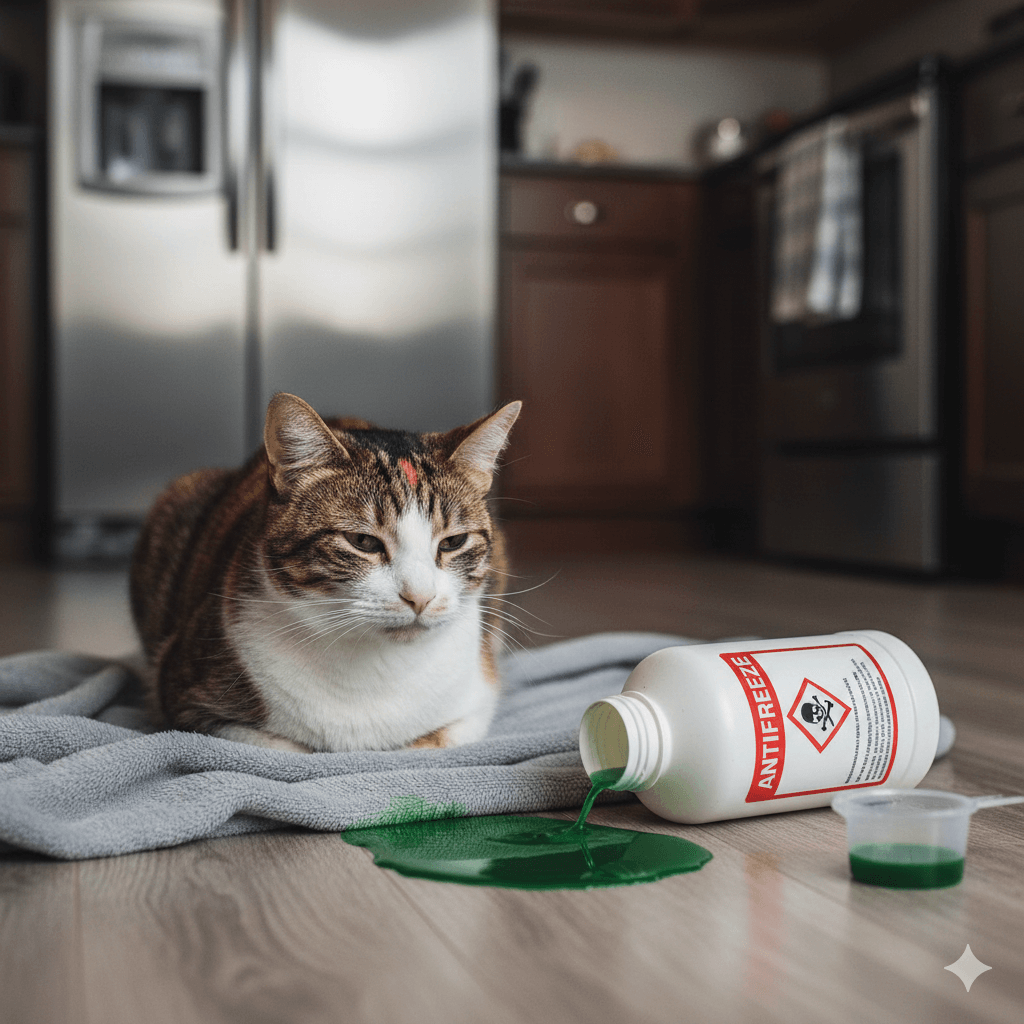
Even a tiny amount of antifreeze can be deadly to cats—smaller than a teaspoon can lead to fatal kidney failure. Ethylene glycol, the toxic ingredient in most antifreeze products, is rapidly absorbed and causes irreversible damage within hours. Because cats are especially sensitive and may be attracted to its sweet taste, accidental ingestion is a true emergency. Recognizing early signs and acting immediately can be the difference between life and death. With these expert-backed tips, you’ll learn how to protect your feline friend and respond if exposure occurs.

Common Signs of Antifreeze Poisoning in Cats

Antifreeze poisoning progresses quickly through distinct stages, with symptoms appearing as early as 30 minutes after ingestion. Early recognition is critical—delayed treatment drastically reduces survival chances. Watch for these telltale signs in the first few hours:

 
  • Staggering or Loss of Coordination:
    Similar to drunkenness, your cat may appear wobbly, disoriented, or unable to walk in a straight line.
     
  • Excessive Thirst and Urination:
    A sudden increase in water intake and frequent urination often occurs within the first 12 hours.
     
  • Vomiting or Drooling:
    Nausea may cause drooling or vomiting, sometimes with a sweet odor resembling antifreeze.
     
  • Lethargy or Depression:
    Your cat may seem unusually drowsy, unresponsive, or hide more than usual.
     
  • Rapid Breathing or Heart Rate:
    As toxicity progresses, respiratory and cardiac rates may increase abnormally.
 

These initial symptoms can fade temporarily, creating a false sense of recovery—yet kidney damage is already underway.

How Much Antifreeze Will Hurt a Cat: Best 7 Expert Tips!

When Every Minute Counts: Critical Warning Signs

After the first 12 hours, antifreeze metabolites begin attacking the kidneys, leading to acute renal failure. This stage is often irreversible without immediate intervention. Be alert for these advanced red flags:

 
  • Decreased or No Urination:
    As kidney function shuts down, urine output drops sharply or stops completely.
     
  • Severe Weakness or Collapse:
    Your cat may be unable to stand or respond to stimuli due to toxin buildup and electrolyte imbalance.
     
  • Oral Ulcers or Bad Breath:
    A chemical or ammonia-like odor from the mouth can signal advanced kidney damage.
     
  • Seizures or Tremors:
    Neurological symptoms may appear in late-stage poisoning due to metabolic chaos.
     
  • **Hypothermia (Low Body Temperature):
    Cold paws, cool ears, or a rectal temperature below 99°F (37.2°C) indicate systemic collapse.
 

If you suspect antifreeze exposure—even without symptoms—seek emergency veterinary care immediately. Survival hinges on treatment within 3 hours.

Early Stage (0–12 hrs)
Late Stage (12–24+ hrs)
Wobbliness, “drunken” gait
Little to no urine production
Excessive drinking
Extreme lethargy or coma
Vomiting
Mouth ulcers or foul breath
Rapid breathing
Seizures or tremors
Apparent “recovery” after 6–8 hrs
Low body temperature

Sources of Hidden Antifreeze Exposure

Many cat owners don’t realize how easily antifreeze can enter their pet’s environment. It’s not just in car radiators—it hides in surprising places around homes and garages. Stay vigilant about these common sources:

 
  • Leaking Vehicles:
    Even a small drip from a car’s cooling system can pool on garage floors or driveways.
     
  • Improper Storage:
    Open or uncapped antifreeze containers left in sheds, garages, or under sinks pose serious risks.
     
  • Spills During Maintenance:
    DIY car repairs often leave traces on tools, rags, or pavement that cats may lick.
     
  • Windshield Washer Fluid:
    Some formulas contain ethylene glycol—never assume it’s “safe” just because it’s not radiator fluid.
     
  • Outdoor Puddles Near Parking Areas:
    Cats exploring driveways or alleys may encounter tainted puddles with a sweet smell.
 

Because cats groom meticulously, they can ingest antifreeze simply by stepping in a residue and licking their paws.

Immediate First Aid Steps After Suspected Exposure

If you believe your cat has contacted or ingested antifreeze, every second matters. While en route to the vet, take these life-saving actions:

 
  • Do Not Induce Vomiting:
    Unless explicitly instructed by a vet, never use hydrogen peroxide or other emetics—it can worsen damage.
     
  • Rinse Paws and Fur Immediately:
    Use lukewarm water and mild soap to remove any residue if contact was external.
     
  • Note the Time of Exposure:
    This helps veterinarians determine if the antidote (fomepizole or ethanol) can still be effective.
     
  • Call Ahead to the Emergency Clinic:
    Alert them so they can prepare the antidote and IV fluids before you arrive.
     
  • Bring the Antifreeze Container:
    The label helps identify the exact toxin and guides treatment protocols.
 

Remember: there is no home remedy for antifreeze poisoning—only urgent veterinary care offers a chance of survival.

Prevention Strategies to Keep Your Cat Safe

The best defense is eliminating exposure before it happens. Simple, consistent habits can shield your cat from this silent killer:

 
  • Switch to Pet-Safe Antifreeze:
    Choose propylene glycol–based formulas (labeled “non-toxic” or “pet-safe”), which are far less dangerous.
     
  • Store All Automotive Fluids Securely:
    Keep containers in locked cabinets, out of reach of curious paws and climbing cats.
     
  • Clean Spills Immediately:
    Use absorbent materials (like cat litter) and then wash the area thoroughly with water and detergent.
     
  • Check Your Vehicle Weekly:
    Inspect for leaks under the engine or radiator, especially before winter maintenance.
     
  • Supervise Outdoor Time or Keep Cats Indoors:
    Limiting unsupervised outdoor access drastically reduces exposure risk near roads or garages.
 

Prevention isn’t just caution—it’s a commitment to your cat’s safety in everyday spaces.


Special Considerations for Multi-Cat Households and Kittens

In homes with multiple cats or young kittens, the danger of antifreeze exposure multiplies—both in risk and in emotional toll. These groups need extra layers of protection:

 
  • Kittens Are More Vulnerable:
    Their small size means even a few licks can be lethal, and curiosity increases exposure likelihood.
     
  • Secondary Exposure Risk:
    If one cat grooms another that stepped in antifreeze, both can be poisoned—act fast if any cat is exposed.
     
  • Shared Water Sources:
    Antifreeze spilled near outdoor bowls or fountains can contaminate drinking water for all cats.
     
  • Delayed Symptom Recognition:
    In multi-cat homes, it’s harder to notice one cat’s subtle behavior changes—monitor all closely after potential exposure.
     
  • Stress After Emergency Events:
    Surviving cats may become anxious; maintain routines to support emotional recovery alongside medical care.
 

When one cat is at risk, the whole household requires vigilance and swift action.


What to Expect at the Emergency Vet

If antifreeze ingestion is suspected, your vet will move quickly to confirm diagnosis and begin life-saving therapy. Here’s what typically happens:

 
  • Blood and Urine Tests:
    Elevated kidney values (BUN, creatinine) and calcium oxalate crystals in urine confirm ethylene glycol poisoning.
     
  • Antidote Administration:
    Fomepizole (4-MP) is the gold standard if given within 3 hours; ethanol IV is an alternative in some clinics.
     
  • Aggressive IV Fluid Therapy:
    Continuous fluids help flush toxins and support failing kidneys for 24–48 hours or longer.
     
  • Hospitalization and Monitoring:
    Your cat will likely stay 2–5 days for electrolyte checks, urine output tracking, and kidney support.
     
  • Prognosis Discussion:
    If treatment begins early, survival rates improve—but delays beyond 8 hours drastically reduce chances.
 

Transparency with your vet team and rapid decision-making are essential during this critical window.


“A lethal dose is reported to be around 1 to 1.4 ml per kg of bodyweight. That means just one 5ml teaspoon could be enough to kill a cat.”
Vets Now Clinical Team

Frequently Asked Questions About Antifreeze and Cats

How much antifreeze is toxic to a cat?

As little as 1.4 ml per kilogram of body weight—roughly one teaspoon for a 10-pound cat—can be fatal.

Yes, but only with treatment within 3 hours of ingestion. After 8–12 hours, survival is rare.


Propylene glycol–based antifreeze is much safer but not harmless—large amounts can still cause illness.

Even that small amount can be deadly—treat it as an emergency and seek veterinary care immediately.

Survivors may face chronic kidney disease, requiring lifelong diet, hydration, and monitoring.

Protecting Your Feline Friend from a Silent Killer

Antifreeze poisoning is one of the most tragic—and preventable—emergencies in feline medicine. Its sweet taste masks a deadly threat, and its rapid progression leaves little room for error. But with awareness, vigilance, and immediate action, you can shield your cat from this danger or intervene before it’s too late. Never underestimate the power of prevention: switching to safer products, securing storage, and keeping your cat indoors are simple steps that carry life-saving weight. If exposure ever occurs, remember—time is kidney tissue. Your swift response isn’t just care; it’s the lifeline your cat depends on.

Is Rawhide Bad for Cats? Best 7 Expert Tips!

Is Rawhide Bad for Cats? Best 7 Expert Tips! – Discover the risks, safe alternatives, and expert advice to keep your feline friend healthy and happy.

Is Rawhide Bad for Dogs? Best 7 Expert Tips!

Is Rawhide Bad for Dogs? Best 7 Expert Tips! – Discover the risks, benefits, and safer alternatives to rawhides for your dog’s chewing needs.

Understanding Anorexia in Cats: Best 7 Expert Tips!

Understanding Anorexia in Cats: Best 7 Expert Tips! – Learn why cats stop eating, spot warning signs, and discover how to help your feline regain appetite safely.

Understanding Anorexia in Dogs: Best 7 Expert Tips!

Understanding Anorexia in Dogs: Best 7 Expert Tips! – Learn causes, symptoms, and solutions to help your dog regain appetite and stay healthy.

Leave a Reply

Your email address will not be published. Required fields are marked *