
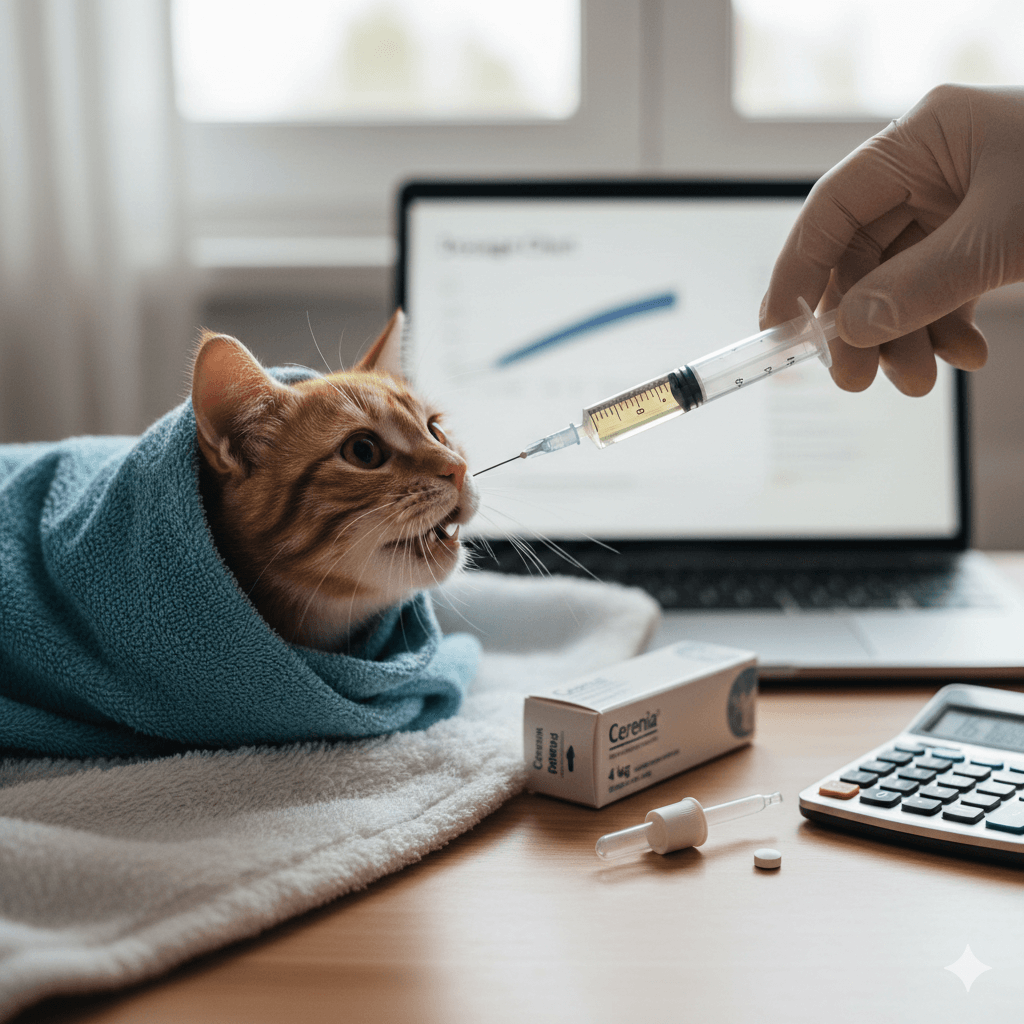

How Much Cerenia to Give a Cat: Best 7 Expert Tips!

How Much Cerenia to Give a Cat: Best 7 Expert Tips!

Understanding How Much Cerenia to Give a Cat: Best 7 Expert Tips!


If your cat is battling nausea or vomiting, Cerenia (maropitant citrate) may be recommended by your veterinarian to offer relief. But dosing this powerful antiemetic correctly is crucial—too little may be ineffective, while too much can lead to side effects. Because cats metabolize medications differently than dogs or humans, precision matters. Always consult your vet before administering Cerenia, as the dose depends on weight, condition, and formulation. Below are essential insights to help you navigate safe and effective use.

How Cerenia Works in Feline Patients


Cerenia blocks substance P—a key neurotransmitter involved in vomiting—from binding to NK1 receptors in the brain, effectively stopping nausea at its source. Unlike some anti-nausea drugs, it doesn’t cause sedation in cats at standard doses, making it a preferred choice for many veterinarians. However, it’s only FDA-approved for cats 16 weeks or older, and its use is typically short-term. Understanding its mechanism helps clarify why correct dosing is non-negotiable for feline safety.

 
  • Blocks Brain-Based Nausea Signals:
    Cerenia targets the vomiting center in the brain, not just the stomach, offering more comprehensive relief than gastric soothers.
     
  • Available in Injectable and Oral Forms:
    While the injectable version is commonly used in clinics, an oral tablet exists—but it’s labeled for dogs; vets may prescribe it off-label for cats.
     
  • Rapid Onset of Action:
    Effects usually begin within 1–2 hours, with peak action around 4 hours post-administration.
     
  • Not a Cure for Underlying Illness:
    It treats symptoms only; identifying and addressing the root cause (e.g., kidney disease, toxins) is essential.
     
  • Requires Prescription and Supervision:
    Cerenia is a controlled veterinary medication—you cannot purchase it without a vet’s approval and guidance.
 

Used correctly under professional oversight, Cerenia can be a safe, fast-acting tool to stop vomiting and improve your cat’s comfort during illness.

How Much Cerenia to Give a Cat: Best 7 Expert Tips!

Standard Dosage Guidelines for Cats


While your veterinarian will determine the precise amount, general protocols guide most Cerenia use in felines. The typical dose is 1 mg per kg (0.45 mg per pound) of body weight, administered once daily—but only as an injectable solution under veterinary care. The oral tablet is not FDA-approved for cats, though some vets use it off-label at the same 1 mg/kg dose. Never adjust or repeat dosing without explicit instructions.

 
  • For a 5 kg (11 lb) Cat:
    Standard dose = 5 mg of Cerenia, usually given as a subcutaneous injection at the clinic.
     
  • For a 3 kg (6.6 lb) Cat:
    Dose = 3 mg—often requiring careful drawing from a vial to avoid overdose.
     
  • For Senior or Frail Cats:
    Vets may reduce frequency or dose due to altered liver/kidney function affecting drug clearance.
     
  • Duration of Treatment:
    Typically limited to 5 consecutive days; prolonged use increases risk of side effects.
     
  • Never Use Human Anti-Nausea Drugs:
    Medications like Dramamine or Zofran are not interchangeable with Cerenia and can harm cats.
 

Accurate dosing based on current weight and clinical status ensures both safety and effectiveness.

Safe Dosing Principles
Common Missteps to Avoid
Always weigh your cat accurately before dosing
Guessing weight or using dog dosing charts
Use only the concentration prescribed by your vet
Substituting dog tablets without vet approval
Administer with food if oral form is used
Giving on an empty stomach (may reduce absorption)
Follow exact timing instructions (often once daily)
Doubling doses if vomiting continues
Monitor for rare side effects like lethargy or drooling
Ignoring changes in behavior post-dose

When Cerenia Is Appropriate for Cats


Cerenia isn’t for every case of feline vomiting. Vets typically reserve it for acute, unexplained nausea or when vomiting worsens an underlying condition. It’s especially useful before surgery, during chemotherapy, or in cats with pancreatitis or kidney disease. However, it’s avoided in cats with known hypersensitivity or severe liver impairment.

 
  • Chemotherapy Support:
    Helps manage nausea during cancer treatment when appetite preservation is critical.
     
  • Pre-Anesthetic Use:
    Reduces risk of aspiration if the cat vomits under anesthesia.
     
  • Acute Gastroenteritis:
    When vomiting is persistent but no obstruction or toxin is suspected.
     
  • Motion Sickness (Off-Label):
    Rarely used for travel, but some vets prescribe it if other options fail.
     
  • Chronic Kidney Disease Flare-Ups:
    Controls nausea that leads to dehydration and further kidney stress.
 

Its use should always align with a clear diagnosis—not as a first-response guess for an occasional hairball.

Potential Side Effects and Warnings


While generally well-tolerated, Cerenia can cause adverse reactions in sensitive cats. The injectable form may lead to temporary pain at the injection site, while oral use (off-label) occasionally causes drooling or mild lethargy. Rarely, allergic reactions or elevated liver enzymes occur—especially with repeated dosing.

 
  • Mild Lethargy or Drowsiness:
    Usually resolves within hours; not typical but possible.
     
  • Drooling After Oral Administration:
    May result from the bitter taste, not toxicity—offer a small treat afterward if approved by your vet.
     
  • Pain or Swelling at Injection Site:
    Usually transient; cold compresses can help if recommended.
     
  • Vomiting Persists or Worsens:
    This signals the underlying issue isn’t responding—seek re-evaluation immediately.
     
  • Avoid in Pregnant or Nursing Cats:
    Safety hasn’t been established; use only if benefits clearly outweigh risks.
 

Report any unusual behavior to your vet promptly—even if it seems minor.

Alternatives to Cerenia for Feline Nausea


If Cerenia isn’t suitable, other options exist—but none are as potent for central nausea. Your vet may suggest dietary changes, famotidine (Pepcid), or mirtazapine (an appetite stimulant with anti-nausea effects). However, these work differently and may not stop active vomiting.

 
  • Mirtazapine:
    Stimulates appetite and reduces nausea via serotonin modulation; often used in chronic illness.
     
  • Famotidine (Pepcid AC):
    Reduces stomach acid, helpful for acid reflux—but doesn’t stop brain-driven vomiting.
     
  • Dietary Fasting + Bland Meals:
    Sometimes sufficient for mild, self-limiting upset (under vet guidance).
     
  • Subcutaneous Fluids:
    Address dehydration that exacerbates nausea in kidney or diabetic cats.
     
  • Ondansetron (Zofran):
    Used in severe cases (e.g., chemo), but expensive and requires careful dosing.
 

Never substitute without veterinary input—what works for dogs or humans can be dangerous for cats.

What to Do If You Miss a Dose or Overdose


Accurate timing matters. If you’re administering oral Cerenia at home (per vet instruction) and miss a dose, give it as soon as you remember—unless it’s close to the next scheduled dose. Never double up. In case of suspected overdose (e.g., giving dog-strength tablets), seek emergency care immediately; symptoms may include tremors, extreme lethargy, or seizures.

 
  • Missed Dose:
    Skip if more than 4 hours late; never give two doses at once.
     
  • Accidental Overdose:
    Contact your vet or pet poison helpline right away—even if your cat seems fine.
     
  • Vomiting After Dose:
    If it happens within 15–30 minutes, your vet may advise repeating the dose.
     
  • Store Safely:
    Keep all medications out of reach—cats can chew through pill bottles.
     
  • Document Administration:
    Use a log to avoid confusion, especially in multi-caregiver households.
 

Vigilance prevents small errors from becoming emergencies.

Important Safety Reminders When Using Cerenia in Cats

While Cerenia can be a valuable tool in managing feline nausea, responsible use requires awareness of key safety practices. These guidelines help ensure your cat receives the benefits of the medication without unnecessary risk. Always prioritize veterinary communication and precise handling when using prescription antiemetics like Cerenia.

 
  • Never Use Without Veterinary Approval:
    Cerenia is a prescription medication—never administer it based on advice from friends, online forums, or past experiences with other pets.
     
  • Confirm Your Cat’s Weight Before Dosing:
    Even a small miscalculation can lead to under- or overdose; use a pet scale or visit your vet for an accurate measurement.
     
  • Avoid Crushing or Splitting Tablets Unless Instructed:
    The oral form is bitter and may cause excessive drooling or refusal; if splitting is necessary, use a pill cutter and follow vet guidance.
     
  • Watch for Drug Interactions:
    Inform your vet about all other medications or supplements your cat is taking—Cerenia may interact with sedatives, seizure meds, or certain antibiotics.
     
  • Store Properly and Securely:
    Keep Cerenia in its original container, away from heat and moisture, and out of reach of children and other pets to prevent accidental ingestion.
 

Following these precautions helps protect your cat’s health while maximizing the therapeutic potential of this powerful anti-nausea medication.

“Injectable maropitant is approved for the treatment of vomiting in cats, administered at a dose of 1 mg/kg IV or SC q24h for up to 5 consecutive days.” Today’s Veterinary Practice

Frequently Asked Questions About How Much Cerenia to Give a Cat

Can I give my cat the dog Cerenia tablet?

Only under direct veterinary supervision—while the active ingredient is the same, dosing and excipients differ, and splitting dog tablets risks inaccuracy.

A single dose typically controls nausea for 24 hours, which is why it’s usually given once daily.

It’s approved for cats 16 weeks and older; younger kittens require extreme caution and adjusted dosing.

No—it’s a prescription-only veterinary medication in the U.S., EU, and most countries.

Contact your vet—they may recommend re-dosing or switching to injectable form.

Supporting Your Cat Through Nausea with Confidence


Seeing your cat nauseous or vomiting is deeply worrying—but with tools like Cerenia, relief is possible when used wisely. The key lies in precision: correct dose, correct timing, and correct diagnosis. Never treat vomiting as “just a cat thing”; it’s often a sign of something serious. By partnering with your veterinarian and respecting the power of this medication, you can offer comfort without compromise. Remember, your cat depends on you to be both loving and vigilant—and in the balance of care, that’s everything.

Is Rawhide Bad for Cats? Best 7 Expert Tips!

Is Rawhide Bad for Cats? Best 7 Expert Tips! – Discover the risks, safe alternatives, and expert advice to keep your feline friend healthy and happy.

Is Rawhide Bad for Dogs? Best 7 Expert Tips!

Is Rawhide Bad for Dogs? Best 7 Expert Tips! – Discover the risks, benefits, and safer alternatives to rawhides for your dog’s chewing needs.

Understanding Anorexia in Cats: Best 7 Expert Tips!

Understanding Anorexia in Cats: Best 7 Expert Tips! – Learn why cats stop eating, spot warning signs, and discover how to help your feline regain appetite safely.

Understanding Anorexia in Dogs: Best 7 Expert Tips!

Understanding Anorexia in Dogs: Best 7 Expert Tips! – Learn causes, symptoms, and solutions to help your dog regain appetite and stay healthy.

Leave a Reply

Your email address will not be published. Required fields are marked *