
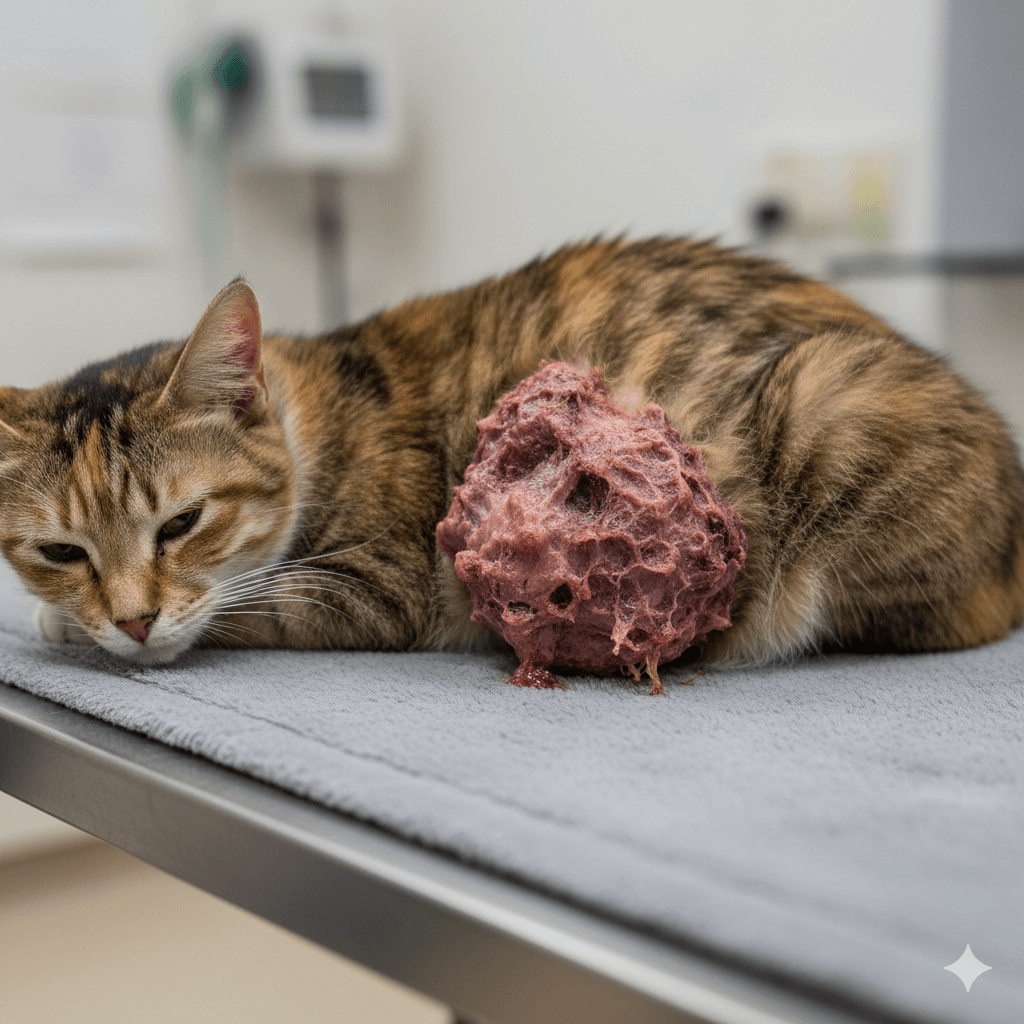

Understanding Fungating Tumor in Cats: Best 7 Expert Tips!
A fungating tumor in cats is a distressing and complex condition that requires compassionate awareness and prompt action. These abnormal growths can ulcerate, bleed, or emit odor, significantly affecting your cat’s comfort and quality of life. While often associated with advanced cancer, early recognition and supportive care can make a meaningful difference. This guide offers expert-backed insights to help you navigate diagnosis, management, and emotional support for your feline companion.
Recognizing the Signs of a Fungating Tumor in Cats
Fungating tumors—also known as ulcerating or exophytic tumors—grow outward from the skin or mucous membranes and often break through the surface. They may appear alarming due to their irregular shape, discharge, or odor. Noticing these early indicators allows for timely veterinary consultation and better management:
- Visible Skin Mass:
A raised, irregular lump that grows quickly and may appear red, dark, or fleshy on the surface of your cat’s skin. - Open Wound That Won’t Heal:
The tumor may ulcerate, forming a non-healing sore that oozes fluid, blood, or pus despite basic wound care. - Foul Odor:
Bacterial colonization within the tumor tissue can produce a strong, unpleasant smell, especially near the face, mouth, or limbs. - Bleeding or Discharge:
Spontaneous bleeding or persistent seepage of yellowish or bloody fluid is common as the tumor damages surrounding tissue. - Behavioral Changes:
Your cat may lick, scratch, or avoid the area due to pain or irritation, leading to reduced grooming, hiding, or aggression when touched.
While not all skin masses are malignant, fungating tumors often indicate advanced neoplasia and warrant immediate veterinary evaluation.
Common Causes and Risk Factors
Fungating tumors in cats typically arise from aggressive cancers that infiltrate and destroy skin integrity. Understanding potential origins helps guide diagnostic and treatment decisions:
- Squamous Cell Carcinoma:
Frequently linked to sun exposure, this cancer commonly affects ears, nose, and eyelids, progressing to fungating lesions if untreated. - Fibrosarcoma:
Often associated with injection sites (e.g., vaccines), this fast-growing tumor can ulcerate and become large and invasive. - Mast Cell Tumors:
Though more common in dogs, cats can develop these tumors—some of which become ulcerated and inflamed. - Advanced Lymphoma:
Cutaneous lymphoma may present as plaques or nodules that break down into open, weeping wounds over time. - Metastatic Cancer:
Tumors spreading from internal organs (e.g., mammary carcinoma) can erupt through the skin as secondary fungating masses.
Age, chronic inflammation, genetic predisposition, and prior trauma may also contribute to development in susceptible cats.
Check this guide 👉Hemolytic Anemia in Cats: Best 7 Expert Tips!
Check this guide 👉Cat Tumor on Paw: Best 7 Expert Tips!
Check this guide 👉Ulcerated Mammary Tumors in Cats: Best 7 Expert Tips!
Tumor Characteristics | Clinical Concerns |
|---|---|
Rapid growth over weeks | Indicates high-grade malignancy |
Ulceration with bleeding | Risk of infection and anemia |
Strong malodor | Sign of necrosis or bacterial overgrowth |
Location near eyes/mouth | Impacts eating, breathing, or vision |
Firm, fixed to underlying tissue | Suggests deep invasion and poor resectability |
Diagnostic Approaches Your Veterinarian May Use
Accurate diagnosis is essential to determine prognosis and guide humane management. While appearance can be suggestive, confirmation requires professional testing:
- Fine Needle Aspirate (FNA):
A quick, minimally invasive method to collect cells for microscopic evaluation—useful for initial screening. - Biopsy with Histopathology:
The gold standard; a tissue sample is surgically removed and analyzed to identify tumor type and grade. - Imaging Studies:
X-rays or ultrasound help assess local spread or metastasis to lymph nodes, lungs, or internal organs. - Blood Work and Urinalysis:
These evaluate overall health, organ function, and suitability for anesthesia or treatment. - Cytology of Discharge:
Fluid from the tumor may be tested for bacteria or inflammatory cells to rule out infection as the primary cause.
Early and thorough diagnostics empower you to make informed, compassionate choices about your cat’s care path.
Palliative and Supportive Care Options
When curative treatment isn’t feasible, palliative care focuses on comfort, dignity, and quality of life. Many cats live peacefully for weeks or months with thoughtful support:
- Wound Management:
Gentle cleaning with saline, antimicrobial sprays, or prescribed topical dressings can reduce odor and infection risk. - Pain Control:
Veterinarian-approved analgesics (e.g., buprenorphine, gabapentin) help manage discomfort and improve appetite. - Antibiotics or Antiseptics:
Used short-term to control secondary infection and minimize inflammation around the tumor site. - Nutritional Support:
High-calorie, palatable foods or appetite stimulants (e.g., mirtazapine) maintain strength and hydration. - Environmental Comfort:
Soft bedding, easy access to litter and food, and quiet spaces reduce stress and prevent trauma to the tumor.
The goal isn’t just to extend life—but to preserve joy, dignity, and closeness during your remaining time together.
When to Consider Euthanasia: Compassionate Decision-Making
Deciding when to say goodbye is one of the hardest choices a pet parent faces. With fungating tumors, focus on your cat’s daily experience rather than the tumor’s appearance alone:
- Uncontrolled Pain:
Despite medication, your cat shows signs of distress—panting, trembling, or vocalizing without relief. - Loss of Basic Functions:
Inability to eat, drink, groom, or use the litter box signals declining quality of life. - Withdrawal or Aggression:
Your once-affectionate cat hides constantly or lashes out due to discomfort or fear. - Rapid Deterioration:
Sudden weight loss, lethargy, or labored breathing suggests systemic decline. - Veterinary Guidance:
Your vet confirms that further treatment would cause more stress than benefit and supports a peaceful transition.
This decision is deeply personal—but choosing euthanasia before suffering becomes severe is an ultimate act of love.
Special Considerations for Home Care and Emotional Support
Caring for a cat with a fungating tumor is physically and emotionally demanding. Equipping yourself with practical and emotional tools helps you stay resilient:
- Odor Control Strategies:
Use pet-safe enzymatic cleaners, activated charcoal filters, or frequent bedding changes to manage smells. - Protective Clothing (if tolerated):
Soft recovery suits or bandages (under vet guidance) may reduce self-trauma and keep the area cleaner. - Monitoring Logs:
Track appetite, behavior, wound changes, and medication responses to share with your vet during check-ins. - Seek Emotional Support:
Connect with pet loss counselors, online communities, or empathetic friends—you don’t have to grieve alone. - Celebrate Good Days:
On your cat’s better days, offer gentle pets, favorite treats, or quiet companionship to reinforce joy and connection.
Your presence, patience, and love remain the greatest comfort your cat can receive during this difficult journey.
When to Seek Veterinary Care for a Fungating Tumor
Not every change in a tumor requires emergency care—but certain developments signal it’s time to contact your veterinarian immediately. Timely intervention can prevent infection, reduce pain, or adjust your palliative plan to better support your cat’s comfort:
- Sudden Increase in Size:
The tumor grows noticeably within 24–48 hours, suggesting rapid progression or secondary inflammation. - Heavy or Persistent Bleeding:
Blood soaks through bedding or continues dripping despite gentle pressure or cleaning. - Signs of Systemic Illness:
Fever, vomiting, refusal to eat for more than 24 hours, or labored breathing indicate the body is under significant stress. - Foul-Smelling Discharge with Green/Yellow Pus:
This suggests a deep bacterial infection that may require antibiotics or wound debridement. - Your Cat Shows Acute Pain:
Vocalizing, flinching when near the tumor, or guarding the area intensely—even after pain medication—warrants reassessment.
Even in palliative care, veterinary support remains essential; your vet can adjust medications, offer wound care guidance, or help you evaluate your cat’s quality of life with compassion and clarity.
Frequently Asked Questions About Fungating Tumors in Cats
Are fungating tumors always cancerous?
Yes—by definition, fungating tumors result from malignant neoplasia breaking through the skin; benign growths don’t typically ulcerate this way.
Can these tumors be cured?
In rare early cases (e.g., small squamous cell carcinoma on the ear), complete surgical removal may be curative—but most are diagnosed at an advanced stage.
Will my cat be in pain?
Discomfort is common as the tumor grows, but modern pain management can significantly improve comfort and quality of life.
Should I try alternative therapies like CBD or herbs?
Only under veterinary supervision—some supplements interact with medications or lack evidence for efficacy in tumor control.
How fast do these tumors grow?
Growth varies, but many expand visibly within days to weeks, especially fibrosarcomas or aggressive carcinomas.
Walking Beside Your Cat with Grace and Love
Facing a fungating tumor diagnosis is heartbreaking—but your cat isn’t alone. With informed care, compassionate choices, and unwavering presence, you can shield them from suffering and honor their trust in you. Every gentle touch, quiet moment, and soft purr during this time becomes a testament to your bond. Remember: you’re not failing by choosing comfort over cure. You’re giving your feline friend the greatest gift—a peaceful, loving farewell on their own terms, wrapped in the warmth only you can provide.
Cat Wheat Allergies: Best 7 Expert Tips! – Discover symptoms, dietary solutions, and prevention strategies to manage your cat’s wheat allergy effectively.
Wheat Allergies in Dogs: Best 7 Expert Tips! – Learn to spot symptoms, manage diets, and improve your dog’s health with expert advice on wheat allergies.
How Much Does a Mastiff Dog Weigh? Best 7 Expert Tips! – Discover the ideal weight range, growth patterns, and health tips to keep your Mastiff happy and strong.
Amino Acids for Cats: Best 7 Expert Tips! – Discover the essential amino acids your cat needs, their benefits, and how to ensure a balanced diet for optimal health.


