
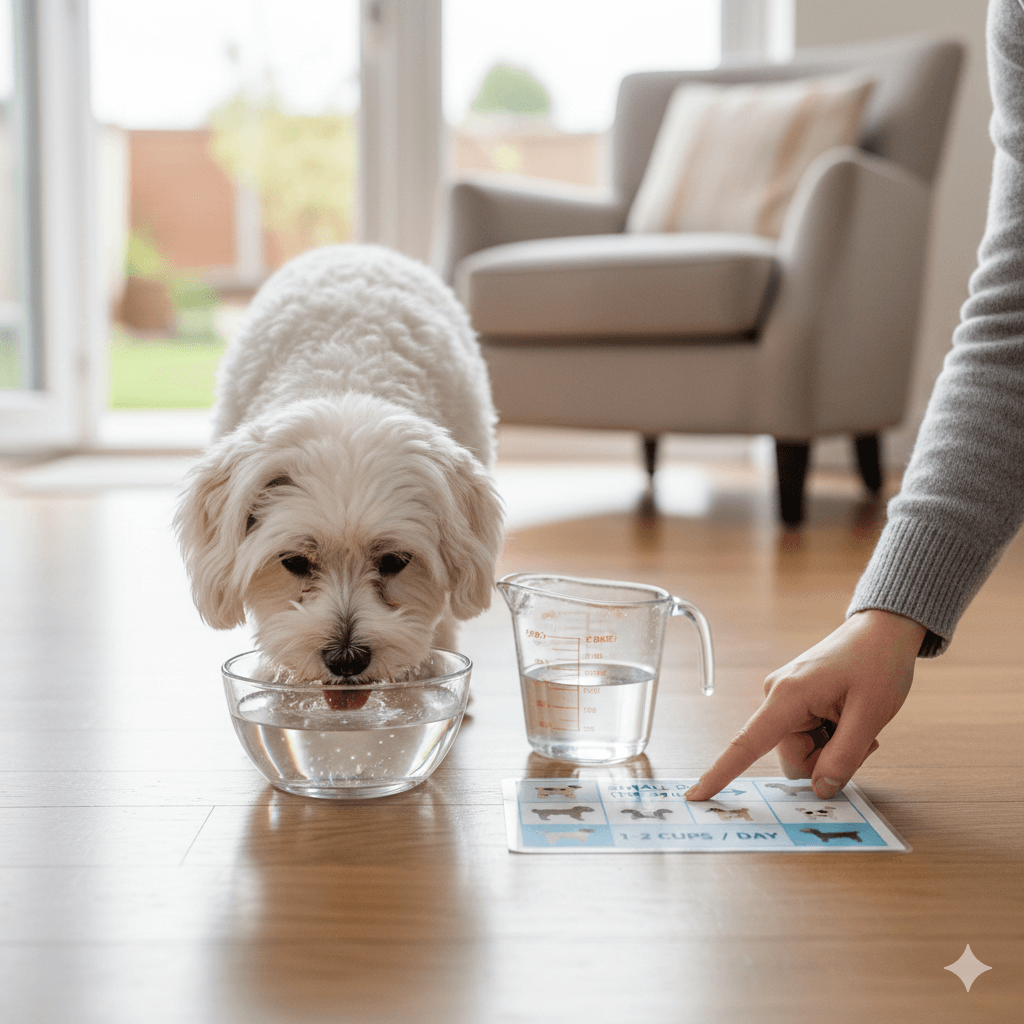

How Much Water a Small Dog Should Drink: Best 7 Expert Tips!

How Much Water a Small Dog Should Drink: Best 7 Expert Tips!

Understanding How Much Water a Small Dog Should Drink: Best 7 Expert Tips!


Keeping your small dog properly hydrated is essential for their energy, kidney function, and overall well-being. Yet, because toy and miniature breeds have unique metabolic and environmental needs, their water requirements differ significantly from larger dogs. Knowing the right amount—and recognizing when something’s off—can prevent dehydration, urinary issues, and even life-threatening complications. With expert guidance, you can ensure your little companion thrives with optimal hydration every single day.

Daily Water Needs for Small Dogs


Small dogs have faster metabolisms and higher surface-area-to-body-mass ratios, which means they can lose moisture more quickly—especially in warm weather or after activity. Understanding their baseline needs helps you provide consistent, life-sustaining hydration:

 
  • General Rule of Thumb:
    Most small dogs need about ½ to 1 ounce of water per pound of body weight each day—so a 10-pound dog typically drinks 5 to 10 ounces daily.
     
  • Puppy vs. Adult Differences:
    Puppies often drink more due to growth, activity, and weaning diets; seniors may drink less but are at higher risk of dehydration.
     
  • Food Type Matters:
    Dogs on wet food may consume up to 70% of their water from meals, while kibble-fed dogs rely almost entirely on their water bowl.
     
  • Activity Level Impact:
    Playtime, walks, or excitement increase water loss through panting—leading to noticeably higher intake on active days.
     
  • Environmental Influences:
    Heat, dry air, or indoor heating can silently dehydrate small breeds, prompting increased thirst even at rest.
 

Monitoring your dog’s typical intake helps you spot subtle shifts that could signal illness or discomfort early on.

How Much Water a Small Dog Should Drink: Best 7 Expert Tips!

When Hydration Goes Off Track: Warning Signs


Both under- and over-drinking can reveal underlying health issues in small dogs. Because their bodies are compact, imbalances show up faster and more dramatically than in larger breeds:

 
  • Dehydration Clues:
    Dry gums, slow skin elasticity (skin tents when gently pinched), lethargy, and sunken eyes are urgent red flags.
     
  • Excessive Thirst (Polydipsia):
    Drinking far more than usual may indicate diabetes, kidney disease, Cushing’s syndrome, or urinary tract infections.
     
  • Refusing Water Entirely:
    Even a 12-hour refusal in a small dog warrants concern—especially if paired with vomiting, diarrhea, or weakness.
     
  • Changes After Medication:
    Some drugs (like steroids or diuretics) intentionally increase thirst—but sudden changes without medication should be checked.
     
  • Behavioral Avoidance:
    A dirty bowl, unfamiliar water source, or dental pain can make a dog avoid drinking despite needing fluids.
 

If you notice consistent deviations from your dog’s normal pattern, consult your vet—even seemingly minor shifts can be significant in tiny bodies.

Healthy Hydration Habits
Concerning Patterns to Watch
Steady water intake throughout the day
Sudden spike or drop in consumption
Clear, pale-yellow urine
Dark, strong-smelling, or infrequent urine
Eager to drink after play or meals
Ignoring water bowl for hours
Moist gums and bright eyes
Sticky gums or dull coat
Normal energy and appetite
Lethargy paired with thirst changes

Factors That Influence Water Requirements


Hydration isn’t one-size-fits-all—even among small breeds. Age, health status, diet, and lifestyle all shape how much your dog truly needs:

 
  • Breed-Specific Traits:
    Brachycephalic breeds (like Pugs or Shih Tzus) may pant more and lose moisture faster, increasing water needs.

     
  • Lactation or Illness:
    Nursing mothers or dogs recovering from fever, vomiting, or diarrhea require significantly more fluids.

     
  • High-Sodium Diets:
    Treats or foods rich in salt can trigger abnormal thirst—always check labels on dog snacks.

     
  • Travel or Routine Changes:
    Stress from vet visits, boarding, or moving can temporarily reduce water interest in sensitive dogs.

     
  • Seasonal Shifts:
    Winter dryness or summer heat both alter hydration needs—adjust bowl refills accordingly year-round.
 

Being aware of these variables allows you to adapt proactively rather than react to a crisis.

Smart Ways to Encourage Proper Water Intake


If your small dog isn’t drinking enough, gentle encouragement can make a big difference—especially since they’re prone to rapid dehydration:

 
  • Use a Clean, Wide Bowl:
    Small dogs dislike whisker stress; wide, shallow bowls make drinking more comfortable and inviting.
     
  • Place Multiple Water Stations:
    Set bowls in favorite spots—near their bed, play area, and feeding zone—to reduce effort and increase access.
     
  • Try a Pet Fountain:
    Many small breeds prefer moving water, and fountains keep water oxygenated and fresh longer.
     
  • Add Broth or Ice Cubes:
    Low-sodium bone broth (no onions or garlic!) or frozen treats can boost interest without harm.
     
  • Flavor Familiarity:
    If traveling, bring water from home—sudden taste changes can deter sensitive dogs from drinking.
 

Consistent, positive hydration habits build resilience and support long-term health.

Measuring and Tracking Water Intake


For high-risk dogs (seniors, chronically ill, or post-surgery), precise tracking offers peace of mind and valuable data for your vet:

 
  • Mark the Bowl:
    Use a measuring cup to fill the bowl, then note how much is left after 24 hours to calculate actual intake.
     
  • Log Daily Consumption:
    Keep a simple journal or phone note recording ounces consumed—trends matter more than single-day numbers.
     
  • Weigh Your Dog Weekly:
    Sudden weight loss in small dogs often correlates with dehydration or fluid imbalance.
     
  • Observe Urination Frequency:
    Healthy small dogs typically urinate 3–5 times per day; fewer trips may signal low intake.
     
  • Use Smart Bowls (Optional):
    Tech-enabled bowls can auto-track water use—helpful for multi-dog homes or anxious owners.
 

Even rough estimates help you notice patterns long before serious issues arise.

Common Misconceptions About Small Dog Hydration


Well-meaning owners often operate under myths that can unintentionally harm their tiny companions:

 
  • “They don’t need much water because they’re small”:
    Actually, small dogs need more water per pound than large dogs due to faster metabolism and heat loss.
     
  • “If they’re eating wet food, they’re fine”:
    While wet food helps, it rarely covers 100% of fluid needs—always provide fresh water alongside meals.
     
  • “Drinking from puddles or toilets is harmless”:
    Outdoor or unsanitary water sources risk giardia, bacteria, or chemicals—always prioritize clean, fresh water.
     
  • “They’ll drink when they’re thirsty—no need to monitor”:
    Sick or senior dogs often lose thirst drive; waiting for cues can lead to dangerous delays.
     
  • “More water is always better”:
    Psychogenic polydipsia (compulsive drinking) can disrupt electrolytes—balance matters more than volume.
 

Clearing up these myths empowers you to make truly informed hydration choices.

Essential Hydration Tools and Accessories for Small Dogs

Equipping your home with the right tools can make hydration easier, cleaner, and more appealing for your small dog—especially if they’re picky, elderly, or recovering from illness. Thoughtful accessories support consistent intake and reduce daily stress for both pet and owner:

 
  • Shallow, Wide Water Bowls:
    Choose ceramic or stainless steel bowls with low rims to prevent whisker fatigue and make drinking comfortable for flat-faced breeds.
     
  • Pet Water Fountains:
    Flowing water encourages reluctant drinkers; opt for quiet, filter-equipped models with easy-clean parts to maintain freshness.
     
  • Travel Water Bottles with Foldable Bowls:
    Essential for walks, vet visits, or travel—these let you offer clean water anywhere without spills or contamination.
     
  • Slow-Flow or Anti-Spill Bowls:
    Ideal for eager lappers or dogs with mobility issues, these minimize mess while ensuring steady access.
     
  • Daily Water Intake Trackers:
    Simple measuring bowls or smart hydration monitors help you log consumption—key for dogs with kidney issues or post-surgery care.
 

Investing in the right hydration gear isn’t just convenient—it’s a proactive step toward safeguarding your small dog’s long-term health and comfort.

„Generally speaking, a dog needs 1 ounce of water per pound of body weight per day,”

Gavin Casper, DVM

Frequently Asked Questions About Small Dog Water Intake

How much water should a 5-pound dog drink daily?

About 2.5 to 5 ounces (75–150 ml)—roughly ½ to 1 ounce per pound of body weight.

Yes—excessive intake can dilute sodium levels (water intoxication), causing seizures or coma, especially after swimming or play.

Possible causes include dental pain, nausea, stress, or early kidney issues—always investigate sudden drops.

Not for healthy dogs; instead, take a final potty break before bed. Limiting water risks dehydration in small breeds.

Generally yes—if your tap water is safe for humans, it’s safe for dogs. Use filtered water if your area has high contaminants.

Nurturing Health, One Sip at a Time


For your small dog, every drop of water is a building block of vitality. Their tiny frames rely on consistent, clean hydration to support everything from digestion to temperature control—and your attentive care makes all the difference. By understanding their unique needs, watching for subtle shifts, and creating a welcoming drinking environment, you give them the foundation for a long, joyful life. Never underestimate the power of a fresh, full water bowl: it’s not just a necessity—it’s an everyday act of love that keeps your little companion bright-eyed, wagging, and wonderfully well.

Is Rawhide Bad for Cats? Best 7 Expert Tips!

Is Rawhide Bad for Cats? Best 7 Expert Tips! – Discover the risks, safe alternatives, and expert advice to keep your feline friend healthy and happy.

Is Rawhide Bad for Dogs? Best 7 Expert Tips!

Is Rawhide Bad for Dogs? Best 7 Expert Tips! – Discover the risks, benefits, and safer alternatives to rawhides for your dog’s chewing needs.

Understanding Anorexia in Cats: Best 7 Expert Tips!

Understanding Anorexia in Cats: Best 7 Expert Tips! – Learn why cats stop eating, spot warning signs, and discover how to help your feline regain appetite safely.

Understanding Anorexia in Dogs: Best 7 Expert Tips!

Understanding Anorexia in Dogs: Best 7 Expert Tips! – Learn causes, symptoms, and solutions to help your dog regain appetite and stay healthy.

Leave a Reply

Your email address will not be published. Required fields are marked *