
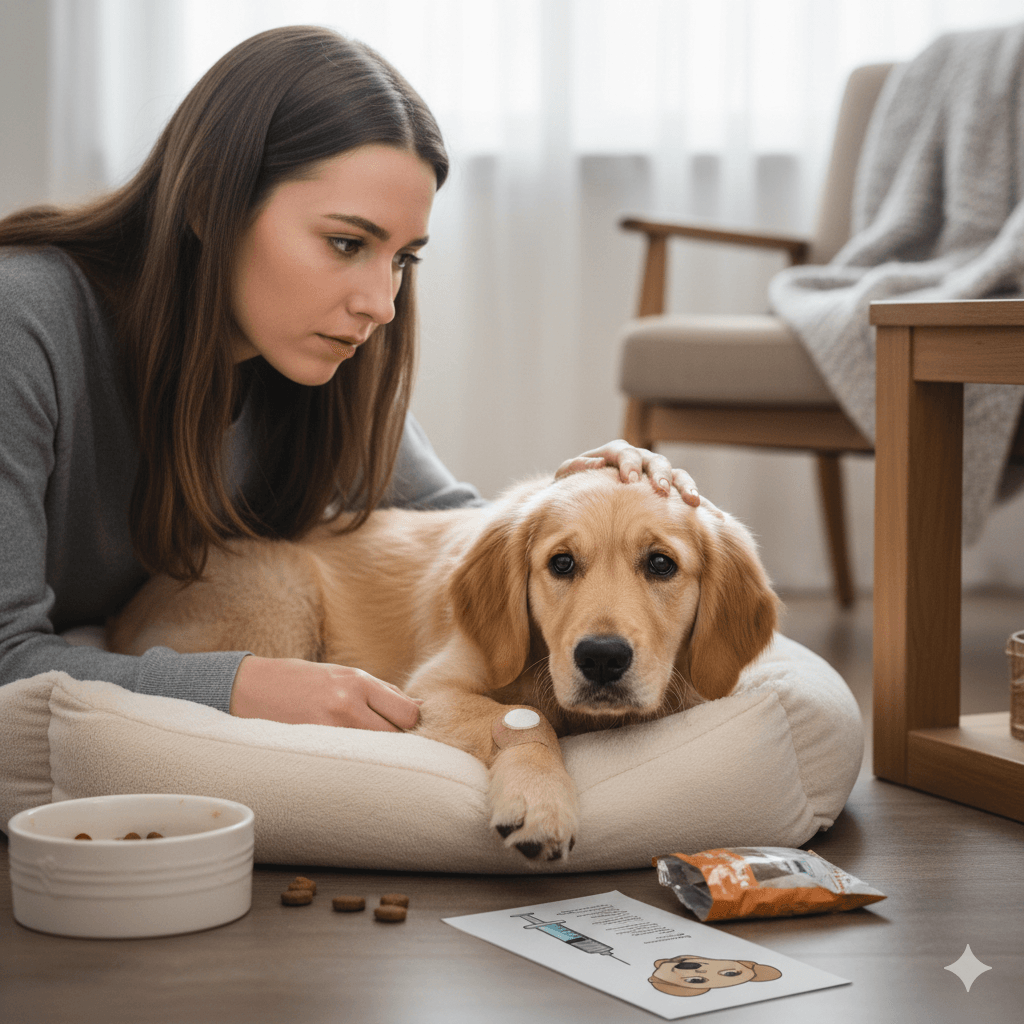

Dog Vaccine Side Effects: Best 7 Expert Tips!

Dog Vaccine Side Effects: Best 7 Expert Tips!

Understanding Dog Vaccine Side Effects: Best 7 Expert Tips!


Vaccinations protect your dog from serious diseases, but like any medical intervention, they can occasionally cause side effects. Most reactions are mild and short-lived, yet knowing what’s normal—and what’s not—helps you respond with confidence. From slight lethargy to rare allergic responses, awareness empowers you to keep your pup safe. These expert-backed insights guide you through prevention, monitoring, and action. Your dog’s health journey includes smart vaccination choices—and peace of mind starts with knowledge.

Common Mild Vaccine Reactions in Dogs


After vaccination, many dogs experience temporary, harmless changes as their immune system responds. These mild side effects typically appear within hours and resolve within 1–2 days without treatment. Being familiar with them reduces unnecessary worry and helps you distinguish routine reactions from concerning ones:

 
  • Slight Lethargy or Drowsiness:
    Your dog may seem quieter or sleep more than usual as their body directs energy toward building immunity.
     
  • Mild Fever:
    A low-grade temperature (up to 103°F or 39.4°C) is a normal immune response and usually subsides within 24 hours.
     
  • Reduced Appetite:
    Skipping a meal or eating less is common, especially in small breeds or after combination vaccines.
     
  • Localized Swelling at Injection Site:
    A small, firm bump may appear where the shot was given—it often feels warm but isn’t painful and fades in a few days.
     
  • Temporary Discomfort or Stiffness:
    Some dogs limp slightly or move cautiously due to muscle soreness near the injection area, especially after rabies or distemper shots.
 

These mild reactions are expected and rarely require medical care—rest, water, and gentle monitoring are usually all your dog needs.

Dog Vaccine Side Effects: Best 7 Expert Tips!

When to Recognize Serious Vaccine Reactions


While rare, some vaccine side effects demand immediate veterinary attention. Severe allergic or systemic reactions typically occur within minutes to a few hours post-vaccination. Knowing the red flags helps you act swiftly to protect your dog’s life:

 
  • Facial Swelling or Hives:
    Rapid puffiness around the eyes, muzzle, or ears, or the appearance of raised, red skin patches signals an allergic response.
     
  • Vomiting or Diarrhea:
    Persistent or repeated episodes shortly after vaccination may indicate a more serious systemic reaction.
     
  • Difficulty Breathing or Wheezing:
    Labored breathing, coughing, or a “congested” sound suggests airway swelling—a true emergency.
     
  • Collapse or Extreme Weakness:
    Sudden inability to stand, disorientation, or pale gums can indicate anaphylaxis or shock.
     
  • Persistent Pain or Crying:
    If your dog whines incessantly, trembles, or avoids being touched near the injection site beyond 24 hours, it may signal nerve irritation or abscess.
 

If any of these occur, contact your vet or emergency clinic immediately—timely treatment is critical.

Typical Mild Reactions
Emergency Warning Signs
Quiet behavior for a day
Sudden facial swelling
Small lump at shot site
Hives or widespread rash
Skipping one meal
Vomiting within 1–2 hours
Slight limp after injection
Difficulty breathing or wheezing
Low-grade warmth at injection spot
Collapse, seizures, or extreme lethargy

Timing and Duration of Vaccine Side Effects


Understanding when side effects appear—and how long they last—helps you track your dog’s response accurately. Most reactions follow predictable windows based on immune system activation and vaccine type:

 
  • Immediate Reactions (Within 15–60 Minutes):
    True allergic responses like anaphylaxis happen rapidly and require urgent care—this is why some clinics ask you to wait 15–30 minutes post-vaccine.
     
  • Early-Onset Reactions (4–12 Hours):
    Lethargy, mild fever, or soreness typically begin a few hours after vaccination and peak overnight.
     
  • Delayed Local Reactions (24–72 Hours):
    Injection-site lumps may not appear until a day or two later and can take up to a week to fully resolve.
     
  • Late-Onset or Rare Reactions (3–14 Days):
    In very uncommon cases, immune-mediated conditions (like immune-mediated hemolytic anemia) may emerge days later—though causality is complex.
     
  • Chronic Issues (Extremely Rare):
    Persistent lumps that grow or don’t resolve after 3 weeks should be evaluated for granulomas or, rarely, vaccine-associated sarcomas (more common in cats).
 

Most side effects are short-lived, but keeping a simple log for 72 hours post-vaccine helps you communicate clearly with your vet if concerns arise.

Breed, Age, and Health Factors That Influence Risk


Not all dogs react the same way to vaccines. Certain factors increase susceptibility to side effects—knowledge of these helps you and your vet make informed, personalized decisions:

 
  • Small and Toy Breeds:
    Dogs under 20 lbs (like Chihuahuas or Yorkies) have higher reaction rates per pound, especially with combination vaccines.
     
  • Puppies Under 16 Weeks:
    Their developing immune systems may respond more intensely, though core vaccines are still essential during this window.
     
  • Senior Dogs with Chronic Illness:
    Those with kidney disease, heart conditions, or autoimmune disorders may need modified protocols or titer testing.
     
  • Dogs with Prior Vaccine Reactions:
    A history of any adverse event increases recurrence risk—pre-treatment with antihistamines may be advised.
     
  • Brachycephalic Breeds:
    Bulldogs, Pugs, and similar breeds may struggle more with respiratory stress if swelling occurs, making monitoring extra important.
 

Customizing vaccination plans based on individual risk—not just age or breed alone—is the cornerstone of modern preventive care.

How Veterinarians Minimize Vaccine Risks


Today’s veterinary medicine prioritizes safety through evidence-based strategies. From spacing shots to using safer formulations, vets employ multiple tactics to reduce side effect likelihood:

 
  • Avoiding Unnecessary Vaccines:
    Non-core vaccines (like leptospirosis or Lyme) are given only based on lifestyle risk, not as routine.
     
  • Splitting Combination Vaccines:
    Instead of one “5-in-1” shot, clinics may administer distemper and parvo on separate days to lower immune load.
     
  • Using Thimerosal-Free or Recombinant Vaccines:
    These modern options reduce exposure to preservatives and may lower reaction rates.
     
  • Pre-Medication for High-Risk Dogs:
    Antihistamines or corticosteroids may be given before vaccination if previous reactions occurred.
     
  • Post-Vaccine Observation Periods:
    Many clinics encourage waiting 15–30 minutes on-site to catch immediate allergic responses early.
 

These protocols reflect a shift toward “vaccinate smart, not just often”—balancing protection with safety.

What You Can Do Before, During, and After Vaccination


Your role as a pet parent is vital in preventing and managing side effects. Proactive steps before the vet visit and attentive care afterward make a real difference:

 
  • Share Full Health History:
    Inform your vet about past reactions, current medications, or chronic conditions before any shot is given.
     
  • Schedule Vaccines Separately from Other Procedures:
    Avoid combining vaccines with dental cleanings or surgeries to isolate potential causes of complications.
     
  • Keep Your Dog Calm at the Clinic:
    Stress can amplify immune responses—bring familiar toys or use calming pheromone sprays if your dog is anxious.
     
  • Monitor Closely for 72 Hours:
    Check temperature, appetite, injection site, and behavior hourly for the first 6 hours, then several times daily.
     
  • Contact Your Vet Promptly for Concerns:
    Even if you’re unsure, a quick call can rule out danger or catch issues early—most clinics welcome these check-ins.
 

Your vigilance turns routine vaccination into a truly collaborative act of care.


Managing Vaccine Side Effects at Home: Practical Support Strategies

If your dog experiences mild vaccine side effects, calm and consistent home care can ease their discomfort and support a swift recovery. These simple, vet-aligned strategies help you provide comfort while monitoring for any escalation:

 
  • Create a Quiet Recovery Space:
    Set up a cozy, low-traffic area with familiar bedding where your dog can rest undisturbed away from noise or other pets.
     
  • Offer Fresh Water Frequently:
    Encourage hydration with clean water in small amounts—add ice chips or low-sodium broth if your dog is reluctant to drink.
     
  • Apply a Cool Compress to Swollen Areas:
    If there’s mild swelling at the injection site, gently hold a cool (not cold) damp cloth for 5–10 minutes to reduce inflammation.
     
  • Avoid Strenuous Activity for 24–48 Hours:
    Limit running, jumping, or rough play to let your dog’s immune system focus on healing without added stress.
     
  • Stick to Familiar, Bland Meals if Needed:
    If appetite dips, offer a small portion of boiled chicken and rice—but avoid new foods or treats that could upset their stomach further.
 

Most dogs return to their normal selves within a day or two when given gentle, attentive care—your calm presence is the most powerful comfort of all.

Frequently Asked Questions About Dog Vaccine Side Effects

 
Are vaccine side effects common in dogs?

Mild reactions occur in about 3–10% of dogs, but serious ones are very rare—less than 0.5% based on large veterinary studies.

No—core vaccines (rabies, distemper, parvovirus) prevent deadly diseases. The risk of illness far outweighs the small chance of a reaction.

Only if your vet specifically recommends it—never administer it preventively without professional guidance.

Often, yes. Many seniors follow 3-year protocols or use titer tests to confirm ongoing immunity, reducing unnecessary shots.

It’s a persistent inflammatory lump at the injection site that doesn’t resolve in 3–4 weeks and may need biopsy or removal.

Caring for Your Dog Beyond the Needle


Vaccines are a pillar of responsible pet ownership—but they’re just one part of a lifelong health strategy. By understanding potential side effects, you don’t just guard against rare risks; you deepen your bond through attentive, informed care. Trust your instincts: if something feels off, speak up. Celebrate the fact that modern vaccines have saved millions of dogs from preventable suffering—and with smart, individualized approaches, your pup can enjoy both safety and serenity. In the end, your love, awareness, and partnership with your vet create the strongest shield of all.

Keeping Your Dog Safe This Summer: Best 7 Expert Tips!

Keeping Your Dog Safe This Summer: Best 7 Expert Tips! – Learn how to protect your pup from heatstroke, dehydration, and more this summer. Stay safe!

When Was Cat Food Invented? Best 7 Expert Tips!

When Was Cat Food Invented? Best 7 Expert Tips! – Discover the history, key milestones, and evolution of cat food from scraps to scientifically balanced diets.

When Was Dog Food Invented? Best 7 Expert Tips!

When Was Dog Food Invented? Best 7 Expert Tips! – Discover the origins, evolution, and milestones of dog food, and how it transformed pet nutrition over time.

Kintamani Dutch Shepherd Mix: Best 7 Expert Tips!

Kintamani Dutch Shepherd Mix: Best 7 Expert Tips! – Discover the perfect blend of loyalty, agility, and charm with this unique hybrid. Learn expert care tips now!

Leave a Reply

Your email address will not be published. Required fields are marked *

Post Category


