
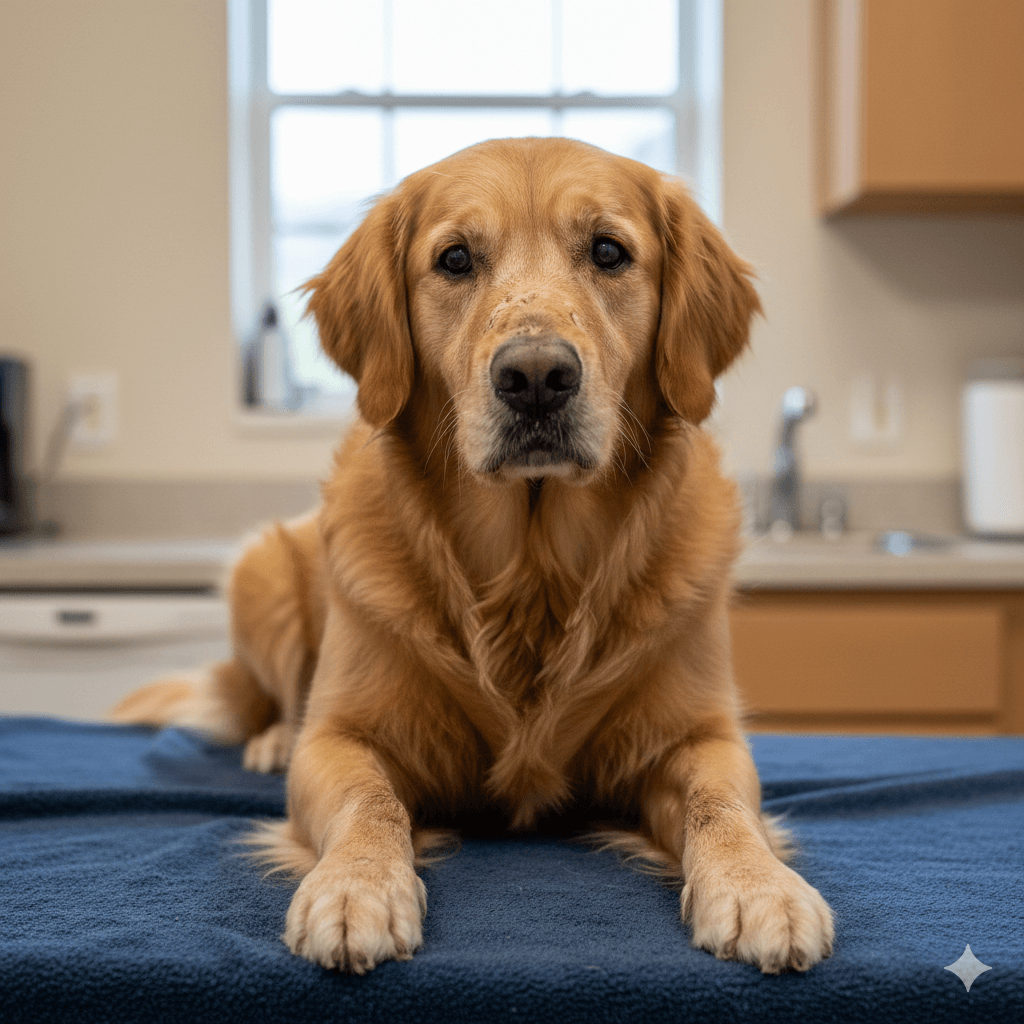

Pemphigus Foliaceus in Dogs: Best 7 Expert Tips!

Pemphigus Foliaceus in Dogs: Best 7 Expert Tips!

Understanding Pemphigus Foliaceus in Dogs: Best 7 Expert Tips!

Pemphigus foliaceus is the most common autoimmune skin disease in dogs, causing painful crusts, blisters, and hair loss. Often mistaken for allergies or infections, this condition requires prompt diagnosis and lifelong management. While not contagious, it can significantly impact your dog’s comfort and quality of life. With early intervention and consistent care, many dogs live happily despite the diagnosis. Understanding the signs, triggers, and treatment options is your first step toward supporting your pet through this chronic condition.

Recognizing the Classic Signs of Pemphigus Foliaceus

Pemphigus foliaceus typically begins on the face, ears, or paws before spreading elsewhere. Symptoms stem from the immune system attacking skin cell connections, leading to blistering and crusting. Early detection helps prevent secondary infections and discomfort. Watch for these hallmark signs:

 
  • Facial Crusting and Scaling:
    Thick, yellow-brown crusts often appear around the eyes, nose, and ears, sometimes mistaken for scabs from scratching.
     
  • Paw Pad Inflammation:
    Footpads may become red, painful, and fissured, causing your dog to limp or lick excessively at their paws.
     
  • Hair Loss (Alopecia):
    Patchy bald spots develop where crusts form, commonly on the head, back, or pressure points like elbows.
     
  • Pustules and Blisters:
    Small, pus-filled bumps may appear early on but often rupture quickly, leaving behind erosions and crusts.
     
  • Itching or Pain:
    While not always itchy, some dogs scratch, rub, or show signs of pain when affected areas are touched.
 

These symptoms often wax and wane but tend to worsen without treatment—making veterinary dermatology consultation essential.

 
Pemphigus Foliaceus in Dogs: Best 7 Expert Tips!

Common Triggers and Risk Factors

Though the exact cause is unknown, pemphigus foliaceus arises from immune dysfunction, sometimes triggered or worsened by external or genetic factors. Certain breeds and environmental exposures increase susceptibility:

 
  • Genetic Predisposition:
    Breeds like Akitas, Chow Chows, Dachshunds, and Bearded Collies have higher reported incidence rates.
     
  • UV Light Exposure:
    Sunlight may exacerbate symptoms, especially in dogs with light-colored or thin coats on the face and ears.
     
  • Medications or Vaccines:
    Rarely, drug reactions or recent vaccinations may act as triggers in genetically prone individuals.
     
  • Chronic Skin Irritation:
    Preexisting allergies (e.g., atopy) or recurrent infections might contribute to immune dysregulation over time.
     
  • Age of Onset:
    Most dogs are diagnosed between 4 and 6 years old, though it can occur at any age.
 

Identifying and minimizing triggers—like sun exposure—can help reduce flare-ups alongside medical therapy.

Early Indicators
Complications to Monitor
Crusty ears or eyelids
Secondary bacterial skin infections
Mild paw licking
Painful footpad fissures affecting mobility
Small scaly patches
Widespread hair loss and skin erosion
Occasional head shaking
Systemic illness from chronic inflammation
Localized redness
Relapse during medication tapering

Diagnostic Process: What to Expect at the Vet

Diagnosing pemphigus foliaceus requires ruling out infections, allergies, and other autoimmune conditions. Your vet will likely perform several tests to confirm the diagnosis:

 
  • Skin Scrapings and Cytology:
    These initial tests help exclude mites, yeast, or bacterial overgrowth that mimic autoimmune disease.
     
  • Fungal Culture (e.g., Ringworm Test):
    Since ringworm can look similar, a culture may be sent to rule out fungal causes.
     
  • Skin Biopsy (Gold Standard):
    A small sample is taken under sedation and sent to a dermatopathologist to confirm immune-mediated acantholysis.
     
  • Blood Work and Urinalysis:
    These assess overall health before starting immunosuppressive therapy and check for internal organ involvement.
     
  • Antinuclear Antibody (ANA) Testing:
    Though not always positive in pemphigus foliaceus, it helps differentiate from other autoimmune diseases like lupus.
 

Accurate diagnosis prevents unnecessary treatments and ensures your dog receives the right long-term management plan.

Treatment Approaches and Medication Options

Pemphigus foliaceus is managed—not cured—with immunosuppressive drugs that calm the overactive immune response. Treatment is tailored to disease severity and individual tolerance:

 
  • Corticosteroids (e.g., Prednisone):
    First-line therapy to rapidly reduce inflammation, often used at high doses initially and tapered slowly.
     
  • Steroid-Sparing Agents:
    Drugs like azathioprine, cyclosporine, or mycophenolate help reduce steroid dependence and minimize side effects.
     
  • Topical Therapies:
    Medicated shampoos (e.g., chlorhexidine) and ointments soothe crusts and prevent secondary infections.
     
  • Antibiotics or Antifungals:
    Prescribed if secondary bacterial or yeast infections are present, which is common in crusted areas.
     
  • Regular Rechecks:
    Frequent vet visits are needed to adjust doses, monitor for drug side effects, and assess remission status.
 

With consistent treatment, most dogs achieve remission within weeks to months, though lifelong therapy is usually required.

At-Home Care and Daily Management

Supporting your dog at home involves more than just giving pills—it includes environmental adjustments, skin care, and vigilant monitoring:

 
  • Gentle Grooming:
    Use soft brushes and avoid scrubbing crusts; soak affected areas with warm saline to loosen debris gently.
     
  • Sun Protection:
    Limit midday sun exposure and consider UV-protective dog clothing or vet-approved sunscreen on exposed skin.
     
  • Stress Reduction:
    Stress can trigger flares, so maintain routines, provide quiet spaces, and avoid sudden environmental changes.
     
  • Nutritional Support:
    Feed a high-quality, balanced diet rich in omega-3 fatty acids to support skin barrier health and reduce inflammation.
     
  • Medication Adherence:
    Never skip or adjust doses without veterinary guidance—abrupt changes can cause severe relapse.
 

Your daily care plays a vital role in maintaining your dog’s comfort and long-term stability.

Prognosis and Long-Term Outlook

While pemphigus foliaceus is a lifelong condition, the prognosis is generally good with proper management. Most dogs enjoy a normal lifespan and good quality of life, though vigilance is key:

 
  • Remission Is Possible:
    Many dogs enter clinical remission within 4–12 weeks of starting treatment, though maintenance therapy continues.
     
  • Relapses May Occur:
    Flares can happen during dose reductions, illness, or stress—prompt treatment usually regains control quickly.
     
  • Medication Side Effects:
    Long-term immunosuppressants require monitoring for issues like urinary tract infections, pancreatitis, or liver changes.
     
  • Breed-Specific Responses:
    Some breeds, like Akitas, may have more aggressive disease or poorer response, requiring more intensive therapy.
     
  • Commitment Matters:
    Success depends on owner compliance, regular vet visits, and patience during the slow tapering process.
 

With dedication, your dog can live comfortably—even thrive—despite this autoimmune challenge.

Daily Wellness Checks for Dogs with Pemphigus Foliaceus

Managing pemphigus foliaceus effectively means staying proactive between veterinary visits. A quick daily check-up at home helps catch flares early and keeps your dog comfortable. Incorporate these simple yet vital observations into your routine:

 
  • Inspect Crusted Areas:
    Gently examine the face, ears, and paws for new crusts, oozing, or thickening skin—early signs of a flare-up.
     
  • Monitor Paw Comfort:
    Lift each paw to check for redness, cracking, or sensitivity; painful pads may cause limping or reluctance to walk.
     
  • Watch for Excessive Grooming:
    Increased licking, scratching, or head shaking could signal discomfort or a secondary infection.
     
  • Check Appetite and Energy:
    A sudden drop in food intake or lethargy might indicate systemic inflammation or medication side effects.
     
  • Observe Medication Response:
    Note any vomiting, diarrhea, increased thirst, or behavioral changes that could relate to immunosuppressive drugs.
 

Consistent daily monitoring turns you into your dog’s best advocate—helping maintain stability and catch concerns before they escalate.

Frequently Asked Questions About Pemphigus Foliaceus in Dogs

Is pemphigus foliaceus contagious to humans or other pets?

No—it’s an autoimmune disorder, not an infection, so it cannot spread to people, cats, or other dogs.

No. While nutrition supports skin health, immunosuppressive medication is essential to control the disease.

In most cases, yes—though doses may be reduced to the lowest effective level once remission is achieved.

Some supplements (like fish oil) help, but no natural remedy replaces immunosuppressants for active disease.

Improvement often begins within 1–2 weeks, but full remission may take 2–3 months of consistent therapy.

Supporting Your Dog Through an Autoimmune Journey

A diagnosis of pemphigus foliaceus can feel overwhelming—but it’s not a life sentence of suffering. With modern veterinary dermatology and your loving support, your dog can enjoy comfort, play, and companionship for years to come. The key is partnership: work closely with your vet, stay observant, and never hesitate to ask questions. Your daily care, from gentle handling to consistent medication, makes all the difference in your dog’s well-being. Remember, managing a chronic condition isn’t just about treating symptoms—it’s about honoring your bond and ensuring every day feels safe, calm, and full of trust for your loyal friend.

Newfoundland Dog Personality: Best 7 Expert Tips!

Newfoundland Dog Personality: Best 7 Expert Tips! – Discover the gentle, loyal, and protective nature of this giant breed perfect for families.

Can Hot Pavement Burn Your Cats Paws? Best 7 Expert Tips!

Can Hot Pavement Burn Your Cats Paws? Best 7 Expert Tips! – Learn how to protect your cat’s paws from hot surfaces and prevent painful burns this summer.

Can Hot Pavement Burn Your Dogs Paws? Best 7 Expert Tips!

Can Hot Pavement Burn Your Dogs Paws? Best 7 Expert Tips! – Learn how to protect your dog’s paws from hot surfaces and ensure safe summer walks.

Irish Wolfhound Size: Best 7 Expert Tips!

Irish Wolfhound Size: Best 7 Expert Tips! – Discover the ideal height, weight, and care tips for this majestic giant breed. Learn how to manage their impressive stature responsibly.

Leave a Reply

Your email address will not be published. Required fields are marked *


