

The Australian Water Dog: Best 7 Expert Tips!

The Australian Water Dog: Best 7 Expert Tips!

The Australian Water Dog: Best 7 Expert Tips!

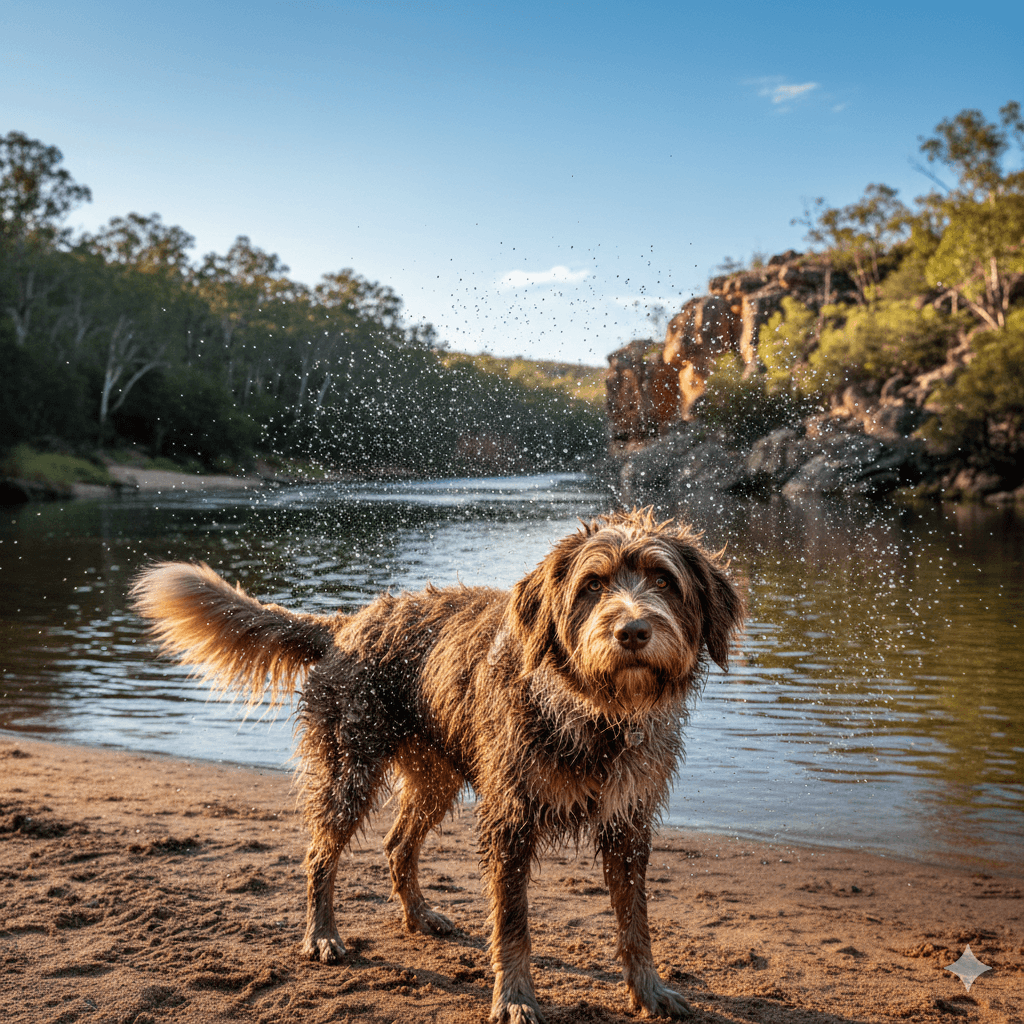
Few dog lovers know of the spirited and water-loving Australian Water Dog—a rare working breed prized for its intelligence, stamina, and deep affinity for aquatic environments. Originally bred to assist fishermen and manage livestock near rivers and coastal regions, this versatile canine blends athleticism with a calm, loyal temperament. Whether you’re considering adoption or simply curious about this unique breed, understanding its origins, needs, and character is essential. With proper guidance, the Australian Water Dog thrives as both a working partner and devoted family companion.

Origins and History

The Australian Water Dog’s background is steeped in practicality and regional adaptation, shaped by the demands of Australia’s rugged waterways and pastoral lifestyle. Though not officially recognized by major kennel clubs, its legacy lives on through dedicated breeders and working dog communities. Here’s how this breed came to be:

 
  • Developed by River Workers:
    Fishermen and stockmen along Australia’s Murray-Darling Basin needed agile, heat-tolerant dogs that could retrieve nets, flush birds, and herd in wet conditions.
     
  • Possible Mixed Ancestry:
    Though undocumented, many believe it descends from Irish Water Spaniels, Portuguese Water Dogs, and local farm dogs brought by 19th-century settlers.
     
  • Purpose-Bred for Wet Environments:
    Unlike many breeds that avoid water, this dog was specifically selected for webbed feet, a water-resistant coat, and natural swimming ability.
     
  • Rare and Regional:
    The breed remained geographically isolated for decades, contributing to its scarcity and lack of formal breed standards until recent preservation efforts.
     
  • Modern Revival Efforts:
    Enthusiasts in rural Australia now work to document lineage, preserve traits, and raise awareness to prevent extinction of this heritage breed.
 

While still uncommon outside Australia, its story reflects the resourcefulness of outback communities and the enduring bond between humans and working dogs.

The Australian Water Dog: Best 7 Expert Tips!

Distinctive Physical Traits

The Australian Water Dog stands out with a functional, athletic build suited for endurance in humid, wet climates. Every feature—from coat to paws—serves a purpose in its aquatic and herding roles:

 
  • Medium, Muscular Frame:
    Typically 18–22 inches tall and 35–55 pounds, balancing agility with strength for long days on riverbanks or fields.
     
  • Water-Repellent Double Coat:
    Dense undercoat and slightly oily outer guard hairs shed water quickly and protect against sun and brush.
     
  • Partially Webbed Feet:
    Broad paws with subtle webbing enhance propulsion and stability in mud or deep water.
     
  • Olive or Amber Eyes:
    Almond-shaped eyes often match coat tones, giving a keen, alert expression with natural squint resistance to glare and spray.
     
  • Otter-Like Tail:
    Thick at the base and tapering, often carried low but raised when excited—used as a rudder while swimming.
 

These traits make the breed instantly recognizable to those familiar with Australia’s working dog heritage, even without official breed status.

Temperament Highlights
Care Considerations
Highly intelligent and eager to please
Requires consistent mental stimulation
Naturally calm around water and boats
Needs early socialization to prevent wariness
Loyal to family, reserved with strangers
Grooming needed every 6–8 weeks to prevent matting
Excellent with older children and other dogs
Thrives with active owners—unsuited for sedentary homes
Strong work ethic and task orientation
Sensitive to harsh training—responds best to positive reinforcement

Ideal Living Environment

This breed isn’t suited for every household—it flourishes only in settings that match its energy, instincts, and environmental preferences. Urban apartments or yards without water access may lead to frustration or behavioral issues:

 
  • Access to Natural Water Sources:
    A home near a lake, river, or large pond is ideal; swimming is a core joy and stress-reliever for this breed.
     
  • Rural or Semi-Rural Settings:
    Farms, acreages, or coastal properties allow space for running, retrieving, and fulfilling natural drives.
     
  • Climate Compatibility:
    Warm to temperate climates are preferred; thick coats can overheat in extreme desert heat or struggle in prolonged cold.
     
  • Active, Engaged Owners:
    Best paired with people who enjoy outdoor work, hiking, or water sports—never left alone for long hours.
     
  • Secure, Escape-Proof Fencing:
    Strong instinct to chase birds or wildlife means yards must be fully enclosed with buried barriers.
 

Without the right environment, even the most well-meaning owner may find this breed difficult to manage long-term.

Training and Socialization Needs

Early, consistent training is non-negotiable for the Australian Water Dog. Its intelligence is an asset—but without direction, it can become stubborn or develop obsessive habits:

 
  • Start Before 16 Weeks:
    Puppy classes, water introduction, and basic obedience should begin early to build confidence and routine.
     
  • Focus on Recall and Impulse Control:
    Given their prey drive near birds or fish, rock-solid “come” and “leave-it” commands are essential for safety.
     
  • Positive Reinforcement Works Best:
    Harsh corrections shut them down; they respond eagerly to treats, praise, and play-based motivation.
     
  • Expose to Diverse Stimuli:
    Introduce boats, livestock, traffic, and unfamiliar people gradually to prevent fear-based reactions later.
     
  • Incorporate Water Work Early:
    Let them retrieve floating toys or follow simple water-based commands to channel instinct productively.
 

A well-socialized Australian Water Dog becomes a versatile, adaptable partner—both on land and in the water.

Health and Longevity Considerations

While generally robust due to natural selection, this breed isn’t immune to inherited or environmental health risks. Proactive care ensures a long, active life:

 
  • Hip and Elbow Dysplasia:
    Moderate risk due to working lineage; request health screening from breeders if available.
     
  • Ear Infections:
    Frequent swimming requires weekly ear cleaning and drying to prevent moisture-related infections.
     
  • Skin Sensitivities:
    Oily coats can trap debris; regular rinsing after saltwater or muddy swims prevents irritation.
     
  • Good Dental Health Naturally:
    Chewing on driftwood or aquatic vegetation historically helped clean teeth—provide safe chew alternatives today.
     
  • Average Lifespan of 12–14 Years:
    With proper diet, exercise, and vet care, many live into their mid-teens with strong mobility.
 

Routine wellness checks and a tailored nutrition plan go a long way in supporting this hardy but specialized breed.

Feeding and Nutritional Guidelines

Diet plays a crucial role in maintaining the Australian Water Dog’s energy, coat quality, and joint resilience—especially given its high activity level and exposure to wet environments:

 
  • High-Protein, Moderate-Fat Formula:
    Look for diets with fish, lamb, or kangaroo protein to support muscle and coat health without excess weight gain.
     
  • Omega-3 Fatty Acid Supplementation:
    Fish oil helps maintain skin barrier integrity and reduces inflammation from frequent water exposure.
     
  • Avoid Grain-Free Unless Medically Necessary:
    Recent links between grain-free diets and heart issues (DCM) make balanced, vet-approved formulas safer.
     
  • Hydration Management:
    Always provide fresh water after saltwater swims to prevent dehydration or electrolyte imbalance.
     
  • Portion Control Based on Activity:
    Working dogs may need 25–30% more calories than pet companions—adjust seasonally and monitor body condition.
 

Nutrition should mirror their lifestyle: functional, clean, and closely aligned with their natural metabolic needs.

Why the Australian Water Dog Stands Out Among Working Breeds

Among Australia’s heritage working dogs, the Australian Water Dog holds a unique niche—blending aquatic prowess with pastoral intelligence in a way few breeds can match. Its rarity adds to its mystique, but it’s the functional design of its body and mind that truly sets it apart. For those seeking a dog that’s as capable in the water as it is on land, this breed offers exceptional versatility:

 
  • Natural Water Instinct from Birth:
    Unlike breeds that must be trained to enter water, the Australian Water Dog often takes to rivers or lakes instinctively, even as a young pup.
     
  • Silent and Efficient Worker:
    Historically valued for working quietly alongside fishermen—no excessive barking, just focused, steady action.
     
  • Low Grooming Needs Despite Coat Density:
    The oily, water-shedding coat resists tangling in reeds and mud, requiring less frequent brushing than other water dogs.
     
  • Strong Bond with One Primary Handler:
    While friendly with family, it often forms a deep, almost intuitive connection with its main caretaker—ideal for task-based partnerships.
     
  • Environmental Awareness and Alertness:
    Naturally scans surroundings for movement or changes, making it an excellent early-warning companion near water hazards or wildlife.
 

This blend of instinct, efficiency, and loyalty makes the Australian Water Dog not just a worker—but a true partner in rhythm with the rhythms of river and land.

Frequently Asked Questions About the Australian Water Dog

Is the Australian Water Dog recognized by the AKC or FCI?

No—it remains a landrace breed without official recognition, though some Australian registries document working lines.

Not ideally. Without daily access to water and vigorous activity, this breed often becomes anxious or destructive.

Moderately—seasonal shedding occurs, but the dense coat traps much of it; regular brushing reduces loose hair indoors.

Yes, with older, respectful children. Their herding instinct may lead to gentle “nipping” at running toddlers if not trained otherwise.

Extremely rare—most exist in rural New South Wales, Victoria, and South Australia; international exports are almost nonexistent.

Embracing a Legacy of Loyalty and Purpose

The Australian Water Dog may never grace dog shows or social media feeds like more popular breeds—but for those who value grit, intelligence, and an unbreakable bond with water, it’s a treasure. This dog doesn’t seek the spotlight; it seeks work, connection, and a purposeful life beside a committed human. If you can offer space, activity, and respect for its instincts, you’ll gain not just a pet, but a tireless companion shaped by Australia’s wild rivers and resilient spirit. In a world of standardized breeds, the Australian Water Dog stands as a quiet testament to function over fashion—and that’s a legacy worth preserving.

Pandango Dog: Best 7 Expert Tips!

Pandango Dog: Best 7 Expert Tips! – Discover the perfect mix of Poodle smarts and Dachshund charm, plus care, health, and training advice for this lovable hybrid.

Why Is My Cats Skin Pink? Best 7 Expert Tips!

Why Is My Cats Skin Pink? Best 7 Expert Tips! – Discover causes, signs, and solutions for pink skin in cats. Learn when to worry and how to keep your feline healthy.

Why Is My Dogs Skin Pink? Best 7 Expert Tips!

Why Is My Dogs Skin Pink? Best 7 Expert Tips! – Discover causes, symptoms, and solutions for pink skin in dogs. Learn when to act and how to keep your pup healthy!

Understanding Cat Skin Colors: Best 7 Expert Tips!

Understanding Cat Skin Colors: Best 7 Expert Tips! – Explore the science, patterns, and care behind feline skin colors for a healthier, happier cat.

Leave a Reply

Your email address will not be published. Required fields are marked *

Recent Post

Post Category


