
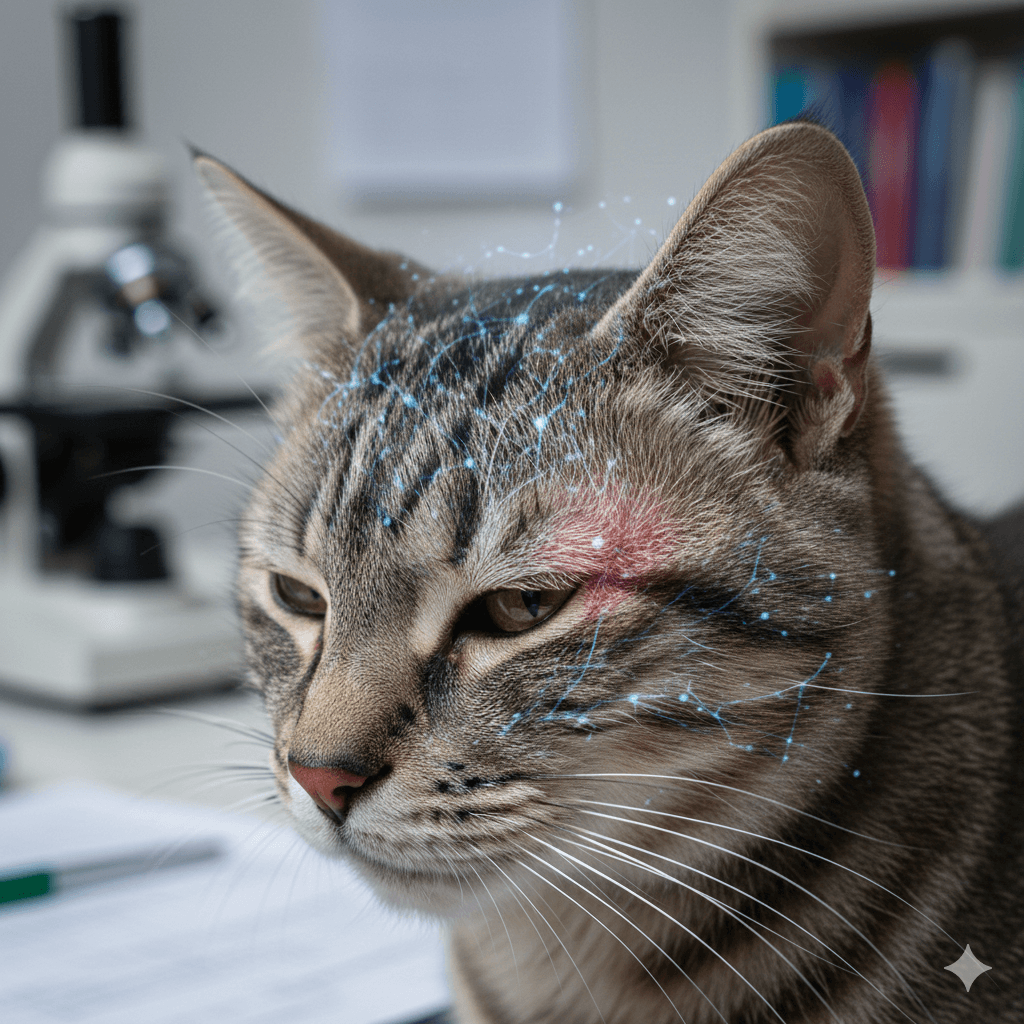

Cat Ear Infection Spread to Brain: Best 7 Expert Tips!

Cat Ear Infection Spread to Brain: Best 7 Expert Tips!

Understanding Cat Ear Infection Spread to Brain: Best 7 Expert Tips!


If your cat is tilting their head, stumbling, or showing unusual eye movements, an ear infection may have spread beyond the ear canal—possibly reaching the inner ear or even the brain. While rare, this serious complication can affect balance, hearing, and neurological function. Early detection and aggressive treatment are crucial to prevent permanent damage. With prompt veterinary care, many cats recover well, but delays can lead to severe outcomes. Here’s what every cat owner must know to protect their feline friend’s health and well-being.

How Ear Infections Develop and Progress in Cats


Ear infections in cats often start as mild outer ear inflammation but can escalate if untreated. Bacteria, yeast, mites, or foreign bodies typically trigger the initial irritation, but without intervention, the infection can burrow deeper—toward the eardrum and inner ear structures. The inner ear houses the vestibular system, which controls balance and spatial orientation. From there, pathogens may access the central nervous system via nearby nerves or bone erosion. Recognizing the progression early gives your cat the best chance at a full recovery:

 
  • Outer Ear Infection (Otitis Externa):
    Begins with redness, scratching, and dark discharge; often caused by ear mites or allergies.
     
  • Middle Ear Involvement (Otitis Media):
    Pain, head shaking, and odor intensify as infection crosses the eardrum—a stage many owners miss.
     
  • Inner Ear Spread (Otitis Interna):
    Affects balance and coordination; your cat may circle, fall, or show nystagmus (involuntary eye flicking).
     
  • Nerve Inflammation (Facial or Vestibular):
    Drooping eyelid, dry eye, or facial asymmetry can appear if cranial nerves are compromised.
     
  • Meningitis or Encephalitis (Rare but Critical):
    Fever, seizures, or altered consciousness signal possible brain involvement requiring emergency care.
 

While most ear infections stay localized, those that advance toward the brain demand immediate, intensive veterinary intervention to avoid irreversible neurological damage.

 
Cat Ear Infection Spread to Brain: Best 7 Expert Tips!

Warning Signs Your Cat’s Ear Infection Has Gone Too Far


Not all ear issues are simple wax buildup or mites. When an infection reaches deeper structures, symptoms shift from local irritation to systemic distress. Watch for these red flags that suggest the infection is no longer confined to the ear canal:

 
  • Persistent Head Tilt:
    A constant tilt—especially if it worsens over hours—often indicates inner ear or brainstem involvement.
     
  • Loss of Balance or Falling:
    Your cat may lean, roll, or be unable to walk straight, mimicking a “drunken” gait.
     
  • Abnormal Eye Movements (Nystagmus):
    Rapid horizontal or rotary eye flicking signals vestibular system disruption.
     
  • Reluctance to Eat or Drink:
    Nausea from balance disruption or pain can suppress appetite and lead to dehydration.
     
  • Changes in Mental State:
    Lethargy, disorientation, or unresponsiveness may point to inflammation spreading to the brain.
 

These signs warrant urgent veterinary attention—delaying care can turn a treatable condition into a life-threatening crisis.

Early Ear Infection Signs
Advanced Neurological Warning Signs
Ear scratching or pawing
Constant head tilt to one side
Dark, waxy discharge
Inability to stand or walk normally
Redness or odor in ear
Rapid, uncontrolled eye movements
Mild head shaking
Drooping face or uneven pupils
Occasional ear sensitivity
Seizures, fever, or coma-like state

Common Causes That Allow Ear Infections to Reach the Brain


While most feline ear infections remain superficial, certain factors create pathways for deeper invasion. Understanding these risks helps prevent progression:

 
  • Chronic Untreated Infections:
    Repeated or ignored ear issues weaken tissue barriers, allowing bacteria to penetrate inward.
     
  • Ear Mite Infestations:
    Severe mite cases cause intense inflammation, damaging the eardrum and creating entry points.
     
  • Polyps or Tumors:
    Nasopharyngeal polyps can extend into the middle ear, disrupting drainage and trapping infection.
     
  • Trauma or Foreign Objects:
    Scratches, bites, or plant awns can rupture the eardrum or introduce aggressive pathogens.
     
  • Weakened Immune System:
    Cats with FIV, FeLV, or diabetes fight infections less effectively, raising complication risks.
 

Addressing the root cause—not just the symptoms—is essential to stop the infection’s march toward the brain.


Veterinary Diagnosis: How Vets Confirm Brain Involvement


Diagnosing deep ear or brain involvement requires more than a simple otoscope exam. Vets use a combination of tools to assess the extent of damage:

 
  • Otoscopy Under Sedation:
    Allows clear view of the eardrum and middle ear—often impossible in awake, painful cats.
     
  • Imaging (CT or MRI):
    Gold standard for detecting inner ear fluid, bone destruction, or brain inflammation.
     
  • Neurological Examination:
    Tests reflexes, balance, and cranial nerve function to localize the problem.
     
  • Blood Work and PCR Testing:
    Identifies underlying viruses, bacteria, or immune disorders contributing to the infection.
     
  • Cerebrospinal Fluid (CSF) Analysis:
    In suspected encephalitis, this invasive test checks for infection or inflammation in the brain.
 

Accurate diagnosis guides precise treatment—and can mean the difference between recovery and permanent disability.


Treatment Strategies for Severe Ear-Brain Infections


Once an infection reaches inner ear or brain tissue, treatment becomes intensive and often long-term. The goal is to eliminate pathogens, reduce inflammation, and support neurological recovery:

 
  • Broad-Spectrum Antibiotics or Antifungals:
    Often given intravenously initially, then orally for 4–8 weeks to fully penetrate deep tissues.
     
  • Anti-Inflammatory Medications:
    Steroids or NSAIDs (used cautiously) help reduce swelling around nerves and brain structures.
     
  • Supportive Care at Home:
    Assist feeding, keep your cat in a safe, padded area, and ensure hydration during recovery.
     
  • Surgical Intervention (If Needed):
    Bulla osteotomy may be required to drain infected middle ear chambers in chronic cases.
     
  • Physical Therapy or Rehabilitation:
    Gentle balance exercises can speed neurological recovery once the infection is controlled.
 

Recovery may take weeks to months, and some cats retain a mild head tilt—but most regain good quality of life with consistent care.

Preventing Future Infections from Escalating


Prevention focuses on early detection, consistent ear health, and managing underlying conditions that predispose cats to severe infections:

 
  • Regular Ear Checks:
    Inspect ears weekly for odor, discharge, or redness—especially in long-haired or allergy-prone cats.
     
  • Prompt Treatment of Ear Mites:
    Even mild scratching should be evaluated; mite infestations escalate quickly in multi-cat homes.
     
  • Avoid DIY Ear Cleaners:
    Harsh solutions can irritate ears or push debris deeper—always use vet-recommended products.
     
  • Manage Allergies Aggressively:
    Food or environmental allergies often trigger recurrent ear inflammation in cats.
     
  • Schedule Routine Vet Visits:
    Annual exams help catch subtle issues before they become emergencies, especially in senior cats.
 

Vigilance and partnership with your veterinarian are your best defenses against devastating complications.

When to Seek Immediate Veterinary Care

If your cat shows signs of a severe ear infection—especially with neurological symptoms—time is critical. Brain involvement is a medical emergency, and early intervention drastically improves outcomes. Don’t wait to see if symptoms “get better on their own.” Contact your vet right away if you notice:

 
  • Sudden, severe head tilt that worsens within hours
    This can indicate rapid progression into the inner ear or brainstem.
     
  • Inability to stand or constant falling to one side
    Loss of postural control suggests significant vestibular or central nervous system disruption.
     
  • Seizures, disorientation, or unresponsiveness
    These are red flags for encephalitis or meningitis requiring urgent hospitalization.
     
  • High fever (over 103.5°F / 39.7°C) with ear pain
    Systemic infection may be spreading beyond local tissues.
     
  • Rigidity, circling, or pressing head against walls
    These abnormal behaviors often signal increased intracranial pressure or brain inflammation.
 

Never assume these signs will resolve without treatment—delaying care can lead to permanent neurological damage or life-threatening complications.

Frequently Asked Questions About Cat Ear Infection Spread to Brain

Can a cat ear infection really spread to the brain?

Yes—though rare, untreated middle or inner ear infections can extend to the brainstem or meninges, causing serious neurological issues.

Not always—it can stem from inner ear inflammation alone—but a persistent or worsening tilt needs urgent evaluation.

Recovery varies: mild cases improve in days, but severe infections may require 4–12 weeks of treatment and monitoring.

Not specifically by breed, but cats with chronic allergies, polyps, or immune disorders face higher complication risks.

Yes—symptoms can escalate within 24–48 hours once the inner ear is affected, making early vet care critical.

Protecting Your Cat’s Neurological Health Starts in the Ear


A simple ear infection in cats should never be dismissed as “just a scratch.” When left unchecked, it can silently invade the most delicate parts of your cat’s body—disrupting balance, vision, and even consciousness. But with awareness, swift action, and expert veterinary care, most cats can overcome even the deepest infections. Your role as an observant, proactive guardian is irreplaceable. By recognizing subtle changes and acting fast, you give your feline companion the best shot at a full, vibrant recovery. In the quiet bond between you and your cat, your vigilance becomes their lifeline—and that’s the true measure of love in action.

Is Rawhide Bad for Cats? Best 7 Expert Tips!

Is Rawhide Bad for Cats? Best 7 Expert Tips! – Discover the risks, safe alternatives, and expert advice to keep your feline friend healthy and happy.

Is Rawhide Bad for Dogs? Best 7 Expert Tips!

Is Rawhide Bad for Dogs? Best 7 Expert Tips! – Discover the risks, benefits, and safer alternatives to rawhides for your dog’s chewing needs.

Understanding Anorexia in Cats: Best 7 Expert Tips!

Understanding Anorexia in Cats: Best 7 Expert Tips! – Learn why cats stop eating, spot warning signs, and discover how to help your feline regain appetite safely.

Understanding Anorexia in Dogs: Best 7 Expert Tips!

Understanding Anorexia in Dogs: Best 7 Expert Tips! – Learn causes, symptoms, and solutions to help your dog regain appetite and stay healthy.

Leave a Reply

Your email address will not be published. Required fields are marked *