

Types of Dog Rashes: Best 7 Expert Tips!

Types of Dog Rashes: Best 7 Expert Tips!

Understanding Types of Dog Rashes: Best 7 Expert Tips!

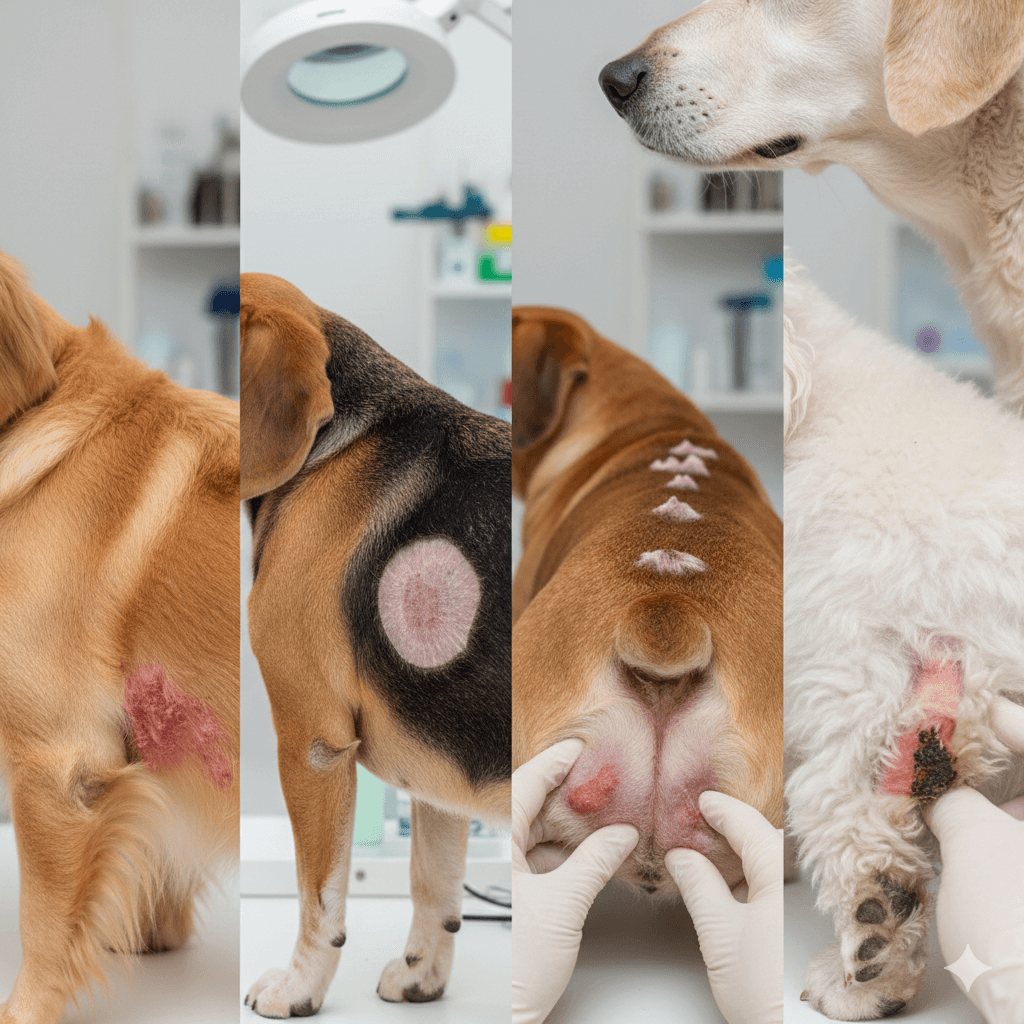
If your dog is scratching, licking, or sporting red, irritated skin, they may be dealing with a rash. Canine rashes come in many forms—some mild, others signaling serious underlying issues. Identifying the type early can prevent discomfort and complications. While allergens, parasites, or infections often trigger these skin reactions, each type demands a specific approach. With the right insight and care, you can help your furry friend find relief and restore their healthy coat.

Common Types of Dog Rashes and Their Triggers

Dog rashes aren’t all the same—each has distinct causes, appearances, and treatment needs. From seasonal allergies to bacterial invasions, recognizing patterns helps you respond effectively and avoid worsening irritation. Here are the most frequent types veterinarians encounter:

 
  • Allergic Dermatitis:
    Caused by environmental allergens (pollen, dust mites) or food sensitivities, this rash appears as red, itchy patches, often on paws, belly, or ears.
     
  • Flea Allergy Dermatitis:
    Even one flea bite can trigger intense itching and scabbing, especially near the tail base or hindquarters, due to hypersensitivity to flea saliva.
     
  • Contact Dermatitis:
    Results from direct skin exposure to irritants like grass, cleaning products, or certain fabrics, leading to localized redness or blisters.
     
  • Bacterial Skin Infections (Pyoderma):
    Often secondary to scratching, these infections cause pustules, crusting, and foul odor, commonly on the chin, abdomen, or skin folds.
     
  • Fungal Infections (Ringworm or Yeast):
    Ringworm presents as circular, hairless patches, while yeast overgrowth (often in ears or armpits) causes greasy, darkened, smelly skin.
 

Accurate identification is the first step toward effective treatment—many rashes look similar but require completely different care strategies.

Types of Dog Rashes: Best 7 Expert Tips!

When a Rash Signals Something More Serious

Not every rash is just a surface issue. Some indicate systemic illness, immune disorders, or chronic conditions that need veterinary diagnosis. Watch for these concerning patterns that go beyond simple irritation:

 
  • Rash Paired with Fever or Lethargy:
    Suggests a systemic infection or autoimmune reaction requiring immediate medical assessment.
     
  • Rapidly Spreading Lesions:
    A rash that expands quickly over hours or days may indicate vasculitis, drug reaction, or severe allergy.
     
  • Ulceration or Open Sores:
    Broken skin that won’t heal could point to immune-mediated diseases like pemphigus or deep fungal infections.
     
  • Symmetrical Rash Patterns:
    Often linked to hormonal imbalances (e.g., hypothyroidism or Cushing’s disease) rather than external irritants.
     
  • Swelling or Facial Involvement:
    Rash combined with facial puffiness may signal anaphylaxis or severe allergic response needing emergency care.
 

If your dog’s rash comes with any of these red flags, don’t delay—seek veterinary help right away to prevent escalation.

Common Rash Triggers
Warning Signs of Systemic Issues
Flea bites or insect stings
Fever above 103°F (39.4°C)
Seasonal pollen exposure
Loss of appetite or vomiting
New shampoos or detergents
Rash spreading to multiple body regions
Moisture in skin folds
Crusting, oozing, or foul odor
Food ingredient changes
Swelling around eyes, lips, or throat

Diagnosing the Root Cause of Your Dog’s Rash

Pinpointing why your dog’s skin is inflamed often requires more than a visual check. Vets use a combination of history, testing, and observation to uncover the true culprit behind the irritation:

 
  • Detailed History Review:
    Your vet will ask about recent diet changes, new products, travel, or flea prevention lapses to narrow possibilities.
     
  • Skin Scraping or Cytology:
    A quick in-clinic test to check for mites, yeast, or bacteria under the microscope.
     
  • Allergy Testing:
    Blood panels or intradermal skin tests can identify specific environmental allergens for long-term management.
     
  • Fungal Cultures:
    Used when ringworm is suspected, especially in multi-pet households or with circular hairless patches.
     
  • Biopsy (in Chronic Cases):
    For persistent or unusual rashes, a small skin sample may be analyzed to rule out cancer or autoimmune disease.
 

Accurate diagnosis prevents trial-and-error treatment and ensures your dog gets the right solution faster.

At-Home Relief for Mild, Non-Infectious Rashes

For minor rashes without infection or systemic signs, gentle home care can soothe your dog while you monitor for improvement. Always confirm with your vet before starting any at-home regimen:

 
  • Cool Oatmeal Baths:
    Use a dog-safe oatmeal shampoo to calm itching and reduce inflammation without drying the skin.
     
  • Hypoallergenic Wipes:
    Gently clean paws and belly after outdoor exposure to remove pollen or irritants.
     
  • Elizabethan Collar (Cone):
    Prevent licking or chewing to avoid self-trauma and secondary infection while the skin heals.
     
  • Air Circulation:
    Keep your dog in a cool, dry environment—moisture traps heat and worsens yeast or bacterial growth.
     
  • Omega-3 Fatty Acid Supplements:
    Support skin barrier health and reduce inflammatory responses over time (consult dosage with your vet).
 

These measures offer comfort but should never replace diagnosis—especially if the rash persists beyond 2–3 days.

Prevention Strategies to Reduce Future Rash Episodes

Long-term skin health depends on minimizing exposure to triggers and supporting your dog’s natural defenses. Consistent habits make a big difference in preventing recurrent rashes:

 
  • Strict Flea and Tick Prevention:
    Use vet-recommended monthly preventatives year-round, even for indoor dogs.
     
  • Hypoallergenic Bedding and Detergents:
    Wash dog beds and toys in fragrance-free, dye-free soap to reduce contact irritants.
     
  • Regular Grooming:
    Brushing removes allergens and allows early detection of skin changes before they worsen.
     
  • Balanced, High-Quality Diet:
    Nutrient-rich food supports skin integrity; consider limited-ingredient diets if food allergy is suspected.
     
  • Post-Walk Paw Cleaning:
    Rinse paws after walks to remove grass, chemicals, or pollen that could trigger contact dermatitis.
 

Prevention isn’t just about avoiding rashes—it’s about building resilience in your dog’s largest organ: the skin.


Breed-Specific and Age-Related Rash Risks

Some dogs are genetically or structurally more prone to certain rashes. Understanding your pet’s unique vulnerabilities helps you act faster and more effectively:

 
  • Dogs with Skin Folds (e.g., Bulldogs, Shar-Peis):
    Moisture-trapping wrinkles create ideal environments for yeast and bacterial overgrowth—clean folds daily.
     
  • Long-Haired or Double-Coated Breeds:
    Mats trap moisture and debris, leading to hot spots or folliculitis if not regularly groomed.
     
  • Puppies Under 6 Months:
    Their immature immune systems make them susceptible to mange, ringworm, and vaccine-related rashes.
     
  • Senior Dogs:
    Thinning skin, reduced oil production, and underlying diseases increase rash risk and slow healing.
     
  • White or Thin-Coated Breeds:
    More prone to sun-induced rashes or photosensitivity reactions, especially on noses and bellies.
 

Tailoring care to your dog’s breed and life stage significantly lowers their chances of chronic skin issues.

What to Expect During a Veterinary Dermatology Visit

If home care doesn’t help or the rash worsens, a vet visit is essential. A dermatology-focused exam goes beyond a basic check and includes targeted diagnostics:

 
  • Full-Body Skin Mapping:
    The vet documents rash location, color, texture, and symmetry to categorize the type.
     
  • Microscopic Evaluation:
    Immediate tests for mites, bacteria, or yeast guide same-day treatment decisions.
     
  • Response to Trial Therapy:
    Sometimes, a short course of antihistamines, antibiotics, or antifungals helps confirm the diagnosis.
     
  • Long-Term Management Plan:
    For chronic cases, your vet may recommend allergy shots, medicated shampoos, or dietary trials.
     
  • Follow-Up Protocol:
    Skin issues often need rechecks—your vet will outline clear milestones to track improvement.
 

Professional guidance turns confusion into clarity and ensures your dog’s skin stays healthy long-term.

“Three main types of allergy are found in canine patients: flea allergic dermatitis (FAD), atopic dermatitis (AD) and adverse cutaneous food reaction (ACFR).” – Ariane Neuber

Frequently Asked Questions About Types of Dog Rashes

Can dog rashes spread to humans?

Yes—ringworm and some types of scabies (Sarcoptes) are zoonotic, meaning they can transfer to people, especially children or immunocompromised individuals.

In small amounts, it may soothe dry skin, but it can worsen yeast infections or clog pores—always check with your vet first.

Seasonal recurrence often points to environmental allergies (e.g., grass or pollen), which may require allergy testing or immunotherapy.

Indirectly—stress increases licking or scratching, which damages the skin barrier and invites secondary infections that look like rashes.

Mild, localized swelling or hives can occur within hours of a vaccine and usually resolve in 24–48 hours; report severe reactions immediately.

Supporting Your Dog’s Skin Health for Life

Your dog’s skin is more than just a coat—it’s a vital barrier against the outside world and a reflection of their overall health. By understanding the types of rashes, their triggers, and how to respond, you become a proactive guardian of their comfort. Whether it’s a fleeting allergy or a chronic condition, your calm, informed care makes all the difference. With prevention, early action, and partnership with your vet, you can help your dog stay itch-free, confident, and full of life. After all, a healthy dog isn’t just happy—they’re ready to run, play, and lean into your hand with trust, rash-free and radiant.

Is Rawhide Bad for Cats? Best 7 Expert Tips!

Is Rawhide Bad for Cats? Best 7 Expert Tips! – Discover the risks, safe alternatives, and expert advice to keep your feline friend healthy and happy.

Is Rawhide Bad for Dogs? Best 7 Expert Tips!

Is Rawhide Bad for Dogs? Best 7 Expert Tips! – Discover the risks, benefits, and safer alternatives to rawhides for your dog’s chewing needs.

Understanding Anorexia in Cats: Best 7 Expert Tips!

Understanding Anorexia in Cats: Best 7 Expert Tips! – Learn why cats stop eating, spot warning signs, and discover how to help your feline regain appetite safely.

Understanding Anorexia in Dogs: Best 7 Expert Tips!

Understanding Anorexia in Dogs: Best 7 Expert Tips! – Learn causes, symptoms, and solutions to help your dog regain appetite and stay healthy.

Leave a Reply

Your email address will not be published. Required fields are marked *