
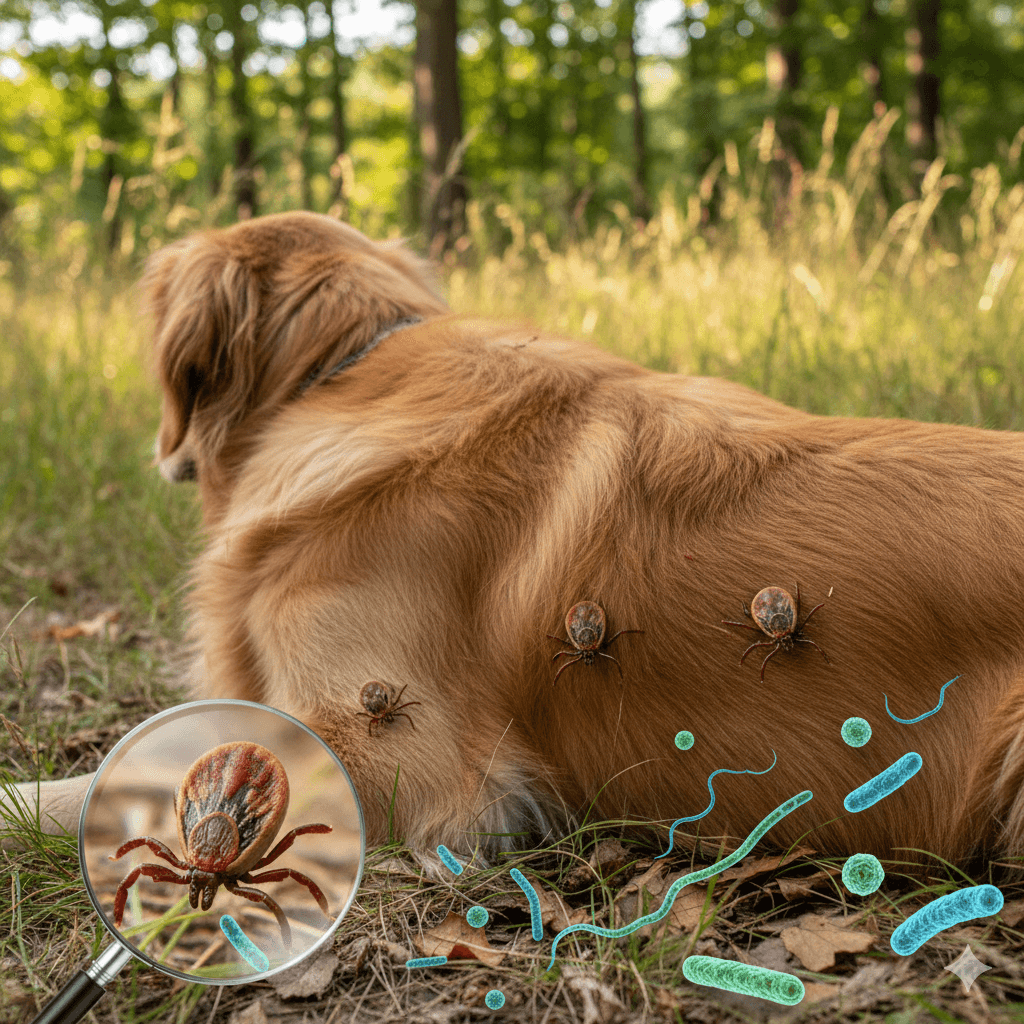

American Dog Tick Diseases: Best 7 Expert Tips!

American Dog Tick Diseases: Best 7 Expert Tips!

Understanding American Dog Tick Diseases: Best 7 Expert Tips!


If you’ve spotted a tick on your dog—or live in a wooded or grassy area—you’re likely aware of the health risks ticks carry. The American dog tick (Dermacentor variabilis) is one of the most common carriers of serious diseases that can affect both pets and people. While not every bite leads to illness, knowing the signs, risks, and prevention strategies can make all the difference in your dog’s health. Early detection and proactive protection are your strongest tools. Let’s explore the key diseases linked to this tick and how to keep your canine companion safe.

Common Diseases Transmitted by the American Dog Tick


The American dog tick is more than a nuisance—it’s a known vector for several bacterial infections that can quickly escalate without treatment. While it’s most prevalent in the eastern, western, and central U.S., cases appear wherever the tick thrives. Below are the primary illnesses you should be aware of:

 
  • Rocky Mountain Spotted Fever (RMSF):
    Caused by Rickettsia rickettsii, this potentially life-threatening disease can lead to fever, joint pain, and organ damage if untreated.
     
  • Canine Tick Paralysis:
    Though not infectious, this neurotoxin-induced condition causes weakness that can progress to full paralysis—often reversible once the tick is removed.
     
  • Tularemia (Less Common in Dogs):
    Transmitted by Francisella tularensis, it may cause lethargy, ulcers, or swollen lymph nodes, though dogs often show mild or no symptoms.
     
  • Anaplasmosis (Rare via This Tick):
    Primarily spread by deer ticks, but co-exposure risk exists in tick-heavy regions—monitor for lameness and fever.
     
  • Secondary Skin Infections:
    Tick bites can break the skin barrier, inviting bacteria that lead to localized redness, itching, or abscesses.
 

Most tick-borne illnesses respond well to antibiotics if caught early—making vigilance and prompt vet care essential for full recovery.

American Dog Tick Diseases: Best 7 Expert Tips!

When to Worry: Red Flags After a Tick Bite


Not every tick bite results in disease, but certain symptoms should never be ignored. Because tick-borne illnesses can mimic other conditions, timing and exposure history matter. Watch closely for these danger signs in the days and weeks following a bite:

 
  • Persistent High Fever:
    A temperature above 103°F (39.4°C) that doesn’t respond to rest may signal systemic infection like RMSF.

     
  • Neurological Changes:
    Staggering gait, facial droop, or sudden inability to stand could indicate tick paralysis or advanced rickettsial disease.

     
  • Loss of Appetite with Vomiting:
    Refusing food alongside gastrointestinal upset may point to systemic inflammation or organ involvement.

     
  • Swollen Joints or Lameness:
    Reluctance to move or visible joint swelling can be an early clue to tick-borne pathogens affecting mobility.

     
  • Pale Gums or Rapid Breathing:
    These may suggest anemia, low platelets, or cardiovascular stress—urgent signs needing immediate evaluation.
 

If your dog shows any of these symptoms after a tick encounter, contact your veterinarian without delay—early treatment saves lives.

Early Warning Indicators
Severe Complications to Monitor
Mild lethargy for 1–2 days
Collapse or extreme weakness
Small bump at bite site
Open wound or spreading redness
Slight decrease in activity
Inability to walk or stand
Occasional shivering
High fever lasting over 24 hours
Temporary loss of appetite
Vomiting, seizures, or disorientation

Primary Causes and Transmission Pathways


Understanding how American dog ticks spread disease helps you break the cycle before infection occurs. Unlike mosquitoes, ticks don’t fly—they wait in tall grass or brush and latch onto passing hosts. Transmission usually requires the tick to feed for several hours, which is why daily checks are so effective:

 
  • Prolonged Attachment Required:
    Most pathogens like Rickettsia need 6–24 hours of feeding before transmission—quick removal drastically reduces risk.
     
  • Geographic Hotspots:
    These ticks thrive east of the Rocky Mountains but also appear along the Pacific Coast, especially in spring and summer.
     
  • Environmental Exposure:
    Dogs hiking, hunting, or even playing in overgrown yards are at higher risk during warm months.
     
  • Host Preference:
    While they favor dogs and medium-sized mammals, they’ll bite humans—making pet protection a family safety issue.
     
  • Seasonal Activity Peaks:
    April through September is peak season, though mild winters can extend risk into fall or early spring.
 

Knowing these patterns empowers you to time preventive measures when your dog is most vulnerable.

At-Home Care After Tick Removal


Finding and removing a tick is just the first step. Proper aftercare minimizes infection risk and helps you monitor for emerging illness. Stay calm and methodical—your dog will sense your confidence:

 
  • Clean the Bite Area Gently:
    Use mild soap and water or a pet-safe antiseptic to disinfect the site and reduce secondary infection risk.
     
  • Save the Tick (Optional but Helpful):
    Place it in a sealed bag with a damp cotton ball; your vet may test it for pathogens if symptoms develop.
     
  • Monitor for 14–21 Days:
    Many tick diseases show signs 1–3 weeks post-bite—keep a daily log of your dog’s behavior and appetite.
     
  • Avoid Home Remedies:
    Never use alcohol, matches, or petroleum jelly to remove ticks—these can cause the tick to regurgitate pathogens.
     
  • Apply Preventive Treatment:
    If your dog isn’t already on tick control, consult your vet about safe, effective options to start immediately.
 

Thoughtful aftercare turns a scary moment into a controlled, manageable event with minimal long-term impact.


Preventing American Dog Tick Exposure


Consistent prevention is far easier—and safer—than treating tick-borne illness. A multi-layered approach offers the strongest defense for your dog year-round:

 
  • Use Vet-Approved Tick Preventives:
    Monthly topical treatments, oral medications, or tick collars (like those with fluralaner or sarolaner) provide reliable protection.
     
  • Perform Daily Tick Checks:
    Focus on ears, neck, armpits, and between toes—areas where ticks often hide after outdoor exposure.
     
  • Maintain Your Yard:
    Keep grass mowed, remove leaf litter, and create barriers (like wood chips) between lawns and wooded areas.
     
  • Avoid High-Risk Areas During Peak Season:
    Steer clear of tall grass, brush, or forest edges in spring and summer when ticks are most active.
     
  • Wash Bedding Regularly:
    Ticks can hitchhike indoors; washing your dog’s bedding weekly reduces hidden risks inside your home.
 

Prevention isn’t just a seasonal task—it’s a year-round commitment to your dog’s long-term health.

Special Considerations for Puppies, Seniors, and At-Risk Dogs


Some dogs face greater consequences from tick bites due to age, immunity, or preexisting conditions. Tailor your vigilance to their unique needs:

 
  • Puppies Under Six Months:
    Immature immune systems make them more susceptible to severe reactions—start preventives as approved by your vet.
     
  • Senior Dogs:
    Existing kidney, heart, or liver issues can worsen with tick-borne infections; symptoms may also be mistaken for aging.
     
  • Outdoor or Working Dogs:
    Hunting, farm, or search-and-rescue dogs have high exposure—require enhanced protection and more frequent health checks.
     
  • Dogs with Autoimmune Disorders:
    Conditions like lupus may complicate diagnosis or treatment of tick diseases due to overlapping symptoms.
     
  • Breed-Specific Sensitivities:
    Some breeds (e.g., Collies, Australian Shepherds) carry the MDR1 gene mutation—confirm medication safety before using certain preventives.
 

For these vulnerable groups, prevention and early veterinary partnership are non-negotiable.


What to Expect During a Veterinary Evaluation


If your dog shows signs of tick-borne illness, your vet will act quickly to confirm the diagnosis and begin treatment. Transparency and preparation help streamline the process:

 
  • Detailed History Requested:
    Be ready to share when the tick was found, how long it was attached, and any symptom onset timeline.
     
  • Blood Work and Serology:
    Tests like PCR or ELISA can detect Rickettsia or other pathogens, though some take days for confirmation.
     
  • Supportive Care Initiated Early:
    Even before test results, vets often start doxycycline—a highly effective antibiotic for RMSF—if suspicion is high.
     
  • Hospitalization if Severe:
    Dogs with neurological signs, high fever, or dehydration may need IV fluids and monitoring.
     
  • Follow-Up Testing Recommended:
    Some diseases require repeat blood work to confirm clearance or monitor for complications like kidney damage.
 

Your vet’s goal is not just treatment—but full, lasting recovery with minimal long-term effects.

Frequently Asked Questions About American Dog Tick Diseases

Can one tick bite transmit multiple diseases?

Yes—though rare, a single tick can carry more than one pathogen, leading to co-infections with overlapping symptoms.

Signs of RMSF typically emerge 2–14 days post-bite; tick paralysis can develop within 5–9 days of attachment.

They become dormant in cold weather but can emerge during unseasonably warm winter days—year-round vigilance is wise.

Absolutely—in most cases, symptoms resolve within 24–72 hours after complete tick removal.

Yes—ticks can hitchhike inside on clothing, other pets, or through open doors, putting even indoor dogs at risk.

Protecting Your Dog from Tick-Borne Threats—Now and Always


Ticks may be small, but the diseases they carry can have a massive impact on your dog’s life. The American dog tick, in particular, demands respect—not fear—through informed, consistent action. By combining daily checks, reliable preventives, and prompt veterinary care, you create a shield that lets your dog explore the world safely. Remember, your awareness is your dog’s first line of defense. With every walk, hike, or backyard adventure, you’re not just their companion—you’re their guardian. And in that role, knowledge truly is power, peace of mind, and the gift of a longer, healthier life together.

Is Rawhide Bad for Cats? Best 7 Expert Tips!

Is Rawhide Bad for Cats? Best 7 Expert Tips! – Discover the risks, safe alternatives, and expert advice to keep your feline friend healthy and happy.

Is Rawhide Bad for Dogs? Best 7 Expert Tips!

Is Rawhide Bad for Dogs? Best 7 Expert Tips! – Discover the risks, benefits, and safer alternatives to rawhides for your dog’s chewing needs.

Understanding Anorexia in Cats: Best 7 Expert Tips!

Understanding Anorexia in Cats: Best 7 Expert Tips! – Learn why cats stop eating, spot warning signs, and discover how to help your feline regain appetite safely.

Understanding Anorexia in Dogs: Best 7 Expert Tips!

Understanding Anorexia in Dogs: Best 7 Expert Tips! – Learn causes, symptoms, and solutions to help your dog regain appetite and stay healthy.

Leave a Reply

Your email address will not be published. Required fields are marked *