
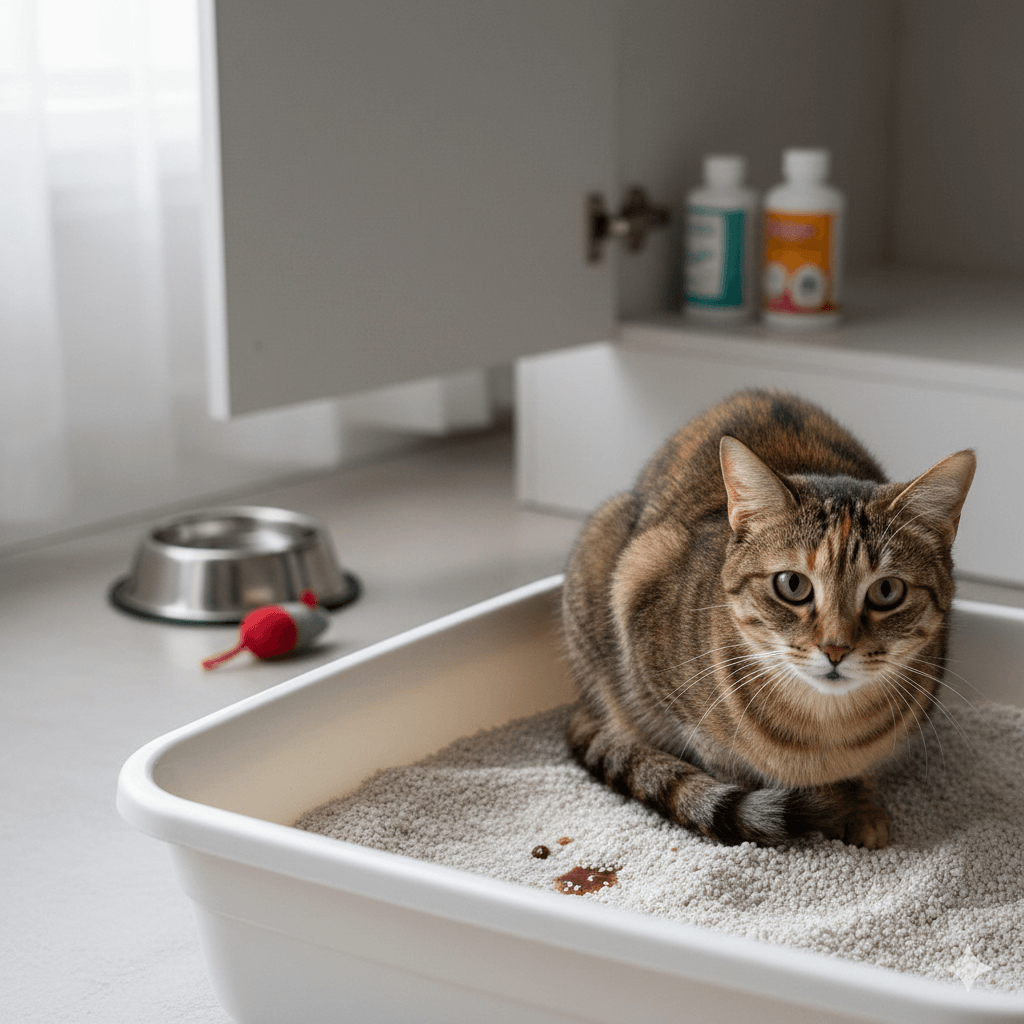

Understanding Hematuria in Cats: Best 7 Expert Tips!
Seeing blood in your cat’s urine can be alarming—but it’s a symptom, not a diagnosis. Hematuria often signals an underlying issue ranging from minor inflammation to serious disease. While it may resolve on its own in some cases, it should never be ignored. Early detection and proper care can prevent complications and improve your cat’s quality of life. With expert guidance, you can navigate this concern calmly and effectively.
Common Causes of Hematuria in Cats
Hematuria—blood in the urine—can stem from multiple sources within the urinary tract. Identifying likely triggers helps you and your vet determine the right diagnostic path. While some causes are benign and temporary, others require urgent intervention:
- Feline Idiopathic Cystitis (FIC):
This stress-related bladder inflammation is the most common cause in young to middle-aged cats and often resolves with environmental changes. - Urinary Tract Infections (UTIs):
Though less common than in dogs, bacterial infections can irritate the bladder lining and lead to visible blood. - Bladder or Kidney Stones:
Crystalline formations can scratch delicate tissues, causing bleeding and potentially blocking urine flow—a medical emergency. - Trauma or Injury:
Falls, accidents, or even rough handling can damage internal organs and result in blood-tinged urine. - Tumors or Polyps:
Especially in older cats, abnormal growths in the bladder or urethra may cause persistent or recurrent hematuria.
Addressing the root cause is essential—symptoms may overlap, but treatments differ significantly.
Behavioral and Environmental Risk Factors
While medical conditions drive hematuria, lifestyle and surroundings play a surprising role—especially in stress-sensitive cats. Understanding these factors empowers you to reduce recurrence:
- Chronic Stress:
Changes in routine, new pets, or loud environments can trigger FIC, the leading cause of hematuria in otherwise healthy cats. - Low Water Intake:
Cats on dry food diets often don’t drink enough, leading to concentrated urine that irritates the bladder lining. - Dirty Litter Boxes:
Avoidance of unclean boxes may cause your cat to “hold it,” increasing bladder pressure and infection risk. - Limited Vertical Space or Hiding Spots:
Cats need safe, elevated retreats to feel secure; without them, anxiety can manifest physically. - Sedentary Indoor Lifestyle:
Lack of movement reduces urinary flow and may contribute to crystal formation over time.
Simple environmental tweaks can dramatically lower the chances of future episodes.
Check this guide 👉Arthrosis in Cats: Best 7 Expert Tips!
Check this guide 👉Periodontal Disease in Cats: Best 7 Expert Tips!
Check this guide 👉Cystinuria in Cats: Best 7 Expert Tips!
Behavioral Triggers | Environmental Solutions |
|---|---|
Stress from household changes | Provide consistent routines and quiet zones |
Holding urine due to box aversion | Scoop litter boxes twice daily; offer one box per cat plus one extra |
Dehydration from dry food diet | Transition to wet food or add water fountains |
Anxiety from lack of control | Install cat shelves, window perches, and covered beds |
Boredom and inactivity | Schedule daily interactive play to stimulate natural hunting behavior |
Diagnostic Steps Your Veterinarian May Take
If your cat shows blood in the urine, your vet will work to pinpoint the cause through a series of targeted assessments. Early and accurate diagnosis prevents unnecessary suffering and guides effective treatment:
- Urinalysis:
This first-line test checks pH, concentration, crystals, white blood cells, and bacteria to assess bladder health. - Urine Culture:
If infection is suspected, a culture identifies the specific bacteria and effective antibiotics. - Blood Work:
Kidney values, electrolytes, and inflammatory markers help rule out systemic illness or organ dysfunction. - Abdominal Ultrasound:
This non-invasive imaging reveals stones, tumors, bladder wall thickening, or structural abnormalities. - X-rays (if needed):
Used to detect radiopaque stones or signs of trauma, though some crystals (like struvite) may not show clearly.
A clear diagnosis ensures your cat receives the right care—avoiding guesswork that could delay recovery.
At-Home Care During Recovery
Once a cause is identified and treatment begins, your role at home is vital to your cat’s healing. Comfort, consistency, and close observation make a real difference:
- Encourage Hydration Immediately:
Offer fresh water in multiple locations, use fountains, or add low-sodium broth to wet food to boost intake. - Feed a Veterinary-Approved Diet:
Prescription urinary formulas help dissolve crystals, reduce inflammation, and prevent recurrence. - Minimize Household Stressors:
Avoid loud noises, new visitors, or rearranging furniture until your cat is fully stable. - Monitor Litter Box Habits Closely:
Watch for straining, frequent trips, vocalizing, or urinating outside the box—signs of worsening or blockage. - Administer Medications as Directed:
Pain relievers, anti-inflammatories, or antibiotics must be given on schedule, even if your cat seems better.
Recovery often takes days to weeks—patience and diligence are your best tools.
Preventing Future Episodes of Hematuria
Prevention focuses on urinary health, stress reduction, and proactive monitoring—especially for cats with a history of episodes. A few consistent habits can safeguard your cat long-term:
- Commit to Wet Food Diets:
High-moisture meals naturally dilute urine and reduce crystal formation risk. - Maintain Impeccable Litter Box Hygiene:
Clean boxes daily; use unscented, clumping litter most cats prefer. - Enrich the Indoor Environment:
Puzzle feeders, window views, and daily play mimic natural behaviors and lower anxiety. - Schedule Regular Wellness Checks:
Annual urinalysis for adult cats (twice yearly for seniors) catches issues before symptoms appear. - Use Calming Aids Proactively:
Feliway diffusers or supplements like Zylkène can buffer stress during unavoidable changes.
Prevention isn’t about perfection—it’s about creating a stable, supportive world your cat can thrive in.
Special Considerations for Male Cats and Senior Felines
Certain groups face higher risks when hematuria occurs. Male cats have narrower urethras, making blockages life-threatening within hours. Seniors often have hidden kidney disease or tumors that mimic simple cystitis:
- Male Cats Are at Risk of Obstruction:
Even small crystals or mucus plugs can block urine flow—straining without producing urine is an emergency. - Senior Cats May Have Comorbidities:
Kidney disease, diabetes, or hyperthyroidism can complicate diagnosis and treatment of urinary symptoms. - Silent Sufferers:
Older or stoic cats often hide discomfort until it’s severe—subtle changes in grooming or posture may be early clues. - Recurrent Episodes Need Deeper Workup:
After two or more episodes, advanced imaging or cystoscopy may be warranted to rule out polyps or cancer. - Hydration Is Even More Critical with Age:
Declining kidney function makes seniors less able to concentrate urine, increasing vulnerability to irritation.
If your cat falls into a high-risk group, err on the side of caution—timely care saves lives.
When to Seek Immediate Veterinary Care for Hematuria
Not every case of blood in the urine is an emergency—but some situations demand urgent action to save your cat’s life. Knowing the critical warning signs helps you act decisively and prevent tragic outcomes:
- Straining to Urinate with Little or No Output:
This is the hallmark of a urinary blockage, especially in male cats, and can become fatal within 24–48 hours without treatment. - Vocalizing or Crying in the Litter Box:
Unusual meowing, howling, or signs of pain during urination suggest severe discomfort or obstruction. - Lethargy, Vomiting, or Collapse:
These indicate systemic toxicity from a blocked bladder or serious infection—requiring immediate stabilization. - Pale Gums or Rapid Breathing:
These signs may point to significant blood loss, anemia, or shock, particularly if trauma or clotting disorders are involved. - Refusing Food and Water for Over 12 Hours:
Combined with hematuria, this signals distress and increases the risk of hepatic lipidosis in cats, especially if they stop eating.
If any of these red flags appear, do not wait—contact your veterinarian or emergency clinic immediately. Minutes can make the difference between recovery and catastrophe.
Frequently Asked Questions About Hematuria in Cats
Is blood in cat urine always an emergency?
Not always—if your cat is urinating normally and eating, it may be mild cystitis. But any straining or inability to urinate is a life-threatening emergency, especially in males.
Can stress really cause bloody urine?
Yes. Feline Idiopathic Cystitis (FIC) is directly linked to stress and accounts for over 60% of hematuria cases in cats under 10.
Does my cat need antibiotics?
Only if a bacterial infection is confirmed. Most young cats with hematuria have sterile inflammation (FIC), and antibiotics won’t help.
Will changing to wet food help?
Absolutely. Increasing water intake through wet food dilutes urine, reduces crystal formation, and flushes the bladder regularly.
How can I tell if my cat is blocked?
Signs include frequent litter box trips with little or no urine, crying, hiding, vomiting, or lethargy. This requires immediate vet care.
Supporting Your Cat’s Urinary Health for Life
Hematuria in cats is more than just a symptom—it’s a signal that something in their internal or external world is out of balance. With empathy, observation, and science-backed care, most cats recover fully and avoid future crises. Your calm presence, consistency, and willingness to adapt their environment are powerful healing tools. Remember, a healthy urinary tract reflects a cat who feels safe, hydrated, and understood. By honoring their needs—both physical and emotional—you give them the gift of long-term comfort and trust.
Newfoundland Dog Personality: Best 7 Expert Tips! – Discover the gentle, loyal, and protective nature of this giant breed perfect for families.
Can Hot Pavement Burn Your Cats Paws? Best 7 Expert Tips! – Learn how to protect your cat’s paws from hot surfaces and prevent painful burns this summer.
Can Hot Pavement Burn Your Dogs Paws? Best 7 Expert Tips! – Learn how to protect your dog’s paws from hot surfaces and ensure safe summer walks.
Irish Wolfhound Size: Best 7 Expert Tips! – Discover the ideal height, weight, and care tips for this majestic giant breed. Learn how to manage their impressive stature responsibly.


