
Can Dog Fungus Transfer to Humans?
Yes—certain fungal infections in dogs can spread to humans, especially through direct contact with skin, fur, or contaminated surfaces. While not all canine fungi are zoonotic, some common types like ringworm pose real risks, particularly to children, seniors, or immunocompromised individuals. Recognizing symptoms early in your pet and practicing good hygiene can significantly reduce transmission chances. Understanding which fungi are contagious, how they spread, and how to protect your household is essential for both pet and human health. With awareness and prevention, you can enjoy close companionship with your dog without unnecessary health concerns.
Common Types of Fungal Infections in Dogs
Fungal infections in dogs range from superficial skin issues to serious systemic illnesses. While many are species-specific, a few can cross the species barrier to humans, especially under the right conditions. Identifying the type helps determine risk level and appropriate care:
- Dermatophytosis (Ringworm):
Despite its name, ringworm is a highly contagious fungal skin infection caused by Microsporum or Trichophyton species—not a worm. It appears as circular, scaly, hairless patches and is the most common zoonotic fungus from dogs. - Malassezia Dermatitis:
This yeast overgrowth typically affects ears, paws, or skin folds, causing itching and odor. Though Malassezia pachydermatis can rarely colonize human skin, it’s not considered a major zoonotic threat in healthy individuals. - Blastomycosis:
A serious systemic infection caused by Blastomyces dermatitidis, found in soil. Dogs inhale spores, but humans get it from the same environmental source—not directly from the dog—so it’s not truly zoonotic. - Histoplasmosis:
Similar to blastomycosis, this soil-borne fungus (Histoplasma capsulatum) infects dogs and humans independently via spore inhalation; dog-to-human transmission does not occur. - Sporotrichosis:
Caused by Sporothrix schenckii, this infection usually enters through skin wounds. While cats are more likely to spread it to humans, dogs can also transmit it via scratches, bites, or contact with open lesions.
Most fungal illnesses in dogs are not transmissible to people—but ringworm and sporotrichosis require caution, especially in multi-pet or vulnerable households.
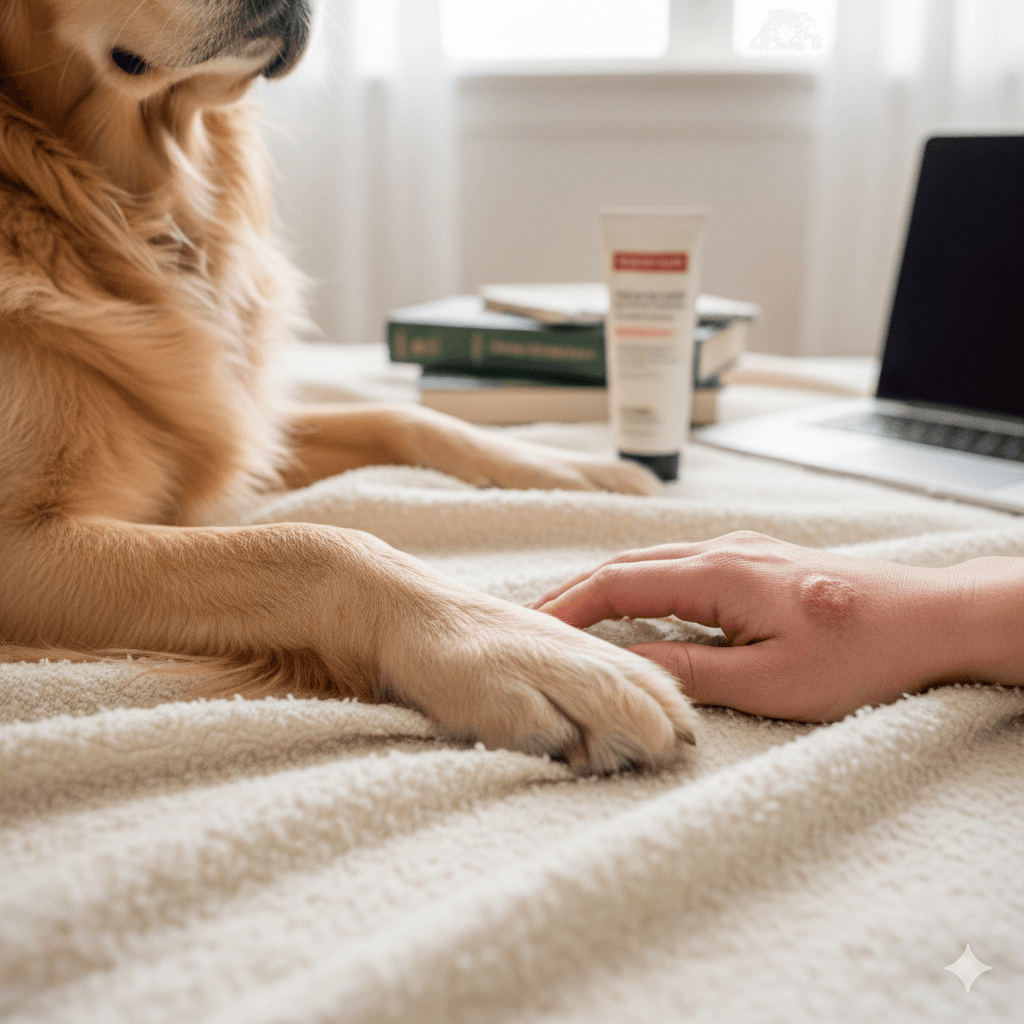
How Zoonotic Fungi Spread from Dogs to Humans
Transmission typically occurs through close, repeated, or unprotected contact with an infected dog’s skin, fur, bedding, or grooming tools. The risk increases with poor hygiene or compromised immunity in humans. Understanding the routes of spread empowers you to take simple, effective precautions:
- Direct Skin-to-Skin Contact:
Petting, cuddling, or handling an infected dog—especially over broken skin—can transfer fungal spores like ringworm. - Contaminated Surfaces:
Fungal spores can survive for months on carpets, brushes, couches, or crates, serving as indirect sources of human infection. - Grooming or Wound Care:
Cleaning your dog’s lesions, bathing them, or trimming fur without gloves raises exposure risk, particularly with active infections. - Shared Bedding or Towels:
Using the same blankets, towels, or furniture as an infected dog without regular laundering invites spore transfer. - Household Dust Inhalation (Rare):
In heavily contaminated environments, airborne spores from shedding skin flakes may be inhaled, though this is uncommon.
Preventing transmission hinges on hygiene, isolation during treatment, and environmental decontamination—not fear or separation from your beloved pet.
Check this guide 👉Can Dog Worms Transfer to Humans? Best 7 Health Tips!
Check this guide 👉Dog Nose Fungus: Best 7 Expert Tips!
Check this guide 👉Dog Paw Fungus: Best 7 Health Tips!
High-Risk Fungal Conditions | Low- or Non-Zoonotic Fungal Issues |
|---|---|
Ringworm (Dermatophytosis) | Malassezia yeast overgrowth |
Sporotrichosis (via wounds) | Aspergillosis (environmental, not dog-transmitted) |
Fungal nail infections with open lesions | Candidiasis (rare, usually not from dogs) |
Untreated skin lesions in multi-pet homes | Systemic mycoses like blastomycosis (shared environment only) |
Puppies or stray dogs with unknown health status | Fungal ear infections without skin involvement |
Signs Your Dog May Have a Zoonotic Fungal Infection
Early detection in your dog is your best defense against human transmission. Watch for subtle or obvious changes in skin, coat, or behavior—especially if anyone in your home is pregnant, elderly, or immunocompromised:
- Circular, Hairless Patches:
Classic ringworm lesions appear red, scaly, and round, often on the face, ears, paws, or tail—but can occur anywhere. - Excessive Scratching or Licking:
Persistent irritation, especially around paws or belly, may signal yeast or dermatophyte infection. - Crusty or Oozing Sores:
Open wounds that don’t heal or develop a crust could indicate sporotrichosis or secondary bacterial-fungal mixes. - Brittle or Discolored Nails:
Fungal nail infections may cause thickening, splitting, or dark discoloration—sometimes transmissible through nail debris. - Dandruff-Like Flaking or Matted Fur:
Heavy scaling or “cigarette ash” dandruff can harbor ringworm spores, even without obvious lesions.
If you notice any of these signs—especially in a puppy, rescue dog, or dog from a shelter—consult your vet before assuming it’s just dry skin or allergies.
Protecting Yourself and Family from Canine Fungal Infections
You don’t need to isolate your dog—but smart hygiene habits go a long way in preventing human infection. These steps create a safer environment for everyone in your household:
- Wear Gloves During Care:
Always use disposable gloves when applying topical treatments, bathing your dog, or handling infected areas. - Wash Hands Thoroughly:
Use soap and warm water immediately after petting, grooming, or cleaning your dog—especially before touching your face. - Limit Close Contact During Treatment:
Avoid letting your dog sleep in your bed or lick your face until the infection is fully resolved and confirmed negative by your vet. - Disinfect Surfaces Regularly:
Vacuum daily, wash bedding in hot water, and clean floors with a diluted bleach solution (1:10) or pet-safe antifungal cleaner. - Keep High-Risk Individuals Safe:
If you have young children, elderly relatives, or anyone with weakened immunity, assign pet care to a healthy adult during treatment.
These measures protect your family without compromising your dog’s emotional well-being—they still need love and reassurance during recovery.
Veterinary Diagnosis and Treatment Approaches
Treating a fungal infection properly stops the spread and speeds up healing for both your dog and your household. Vets use specific tools to confirm the culprit and tailor the plan accordingly:
- Fungal Culture or PCR Test:
A hair pluck or skin scraping is sent to a lab to identify the exact fungus—critical for ringworm vs. yeast differentiation. - Wood’s Lamp Examination:
Some ringworm strains glow fluorescent green under ultraviolet light, offering a quick (though not definitive) screening tool. - Topical Antifungal Therapy:
Medicated shampoos, sprays (like miconazole or chlorhexidine), or lime-sulfur dips are used for localized or widespread skin infections. - Oral Antifungal Medications:
For severe or systemic cases, drugs like itraconazole, terbinafine, or fluconazole may be prescribed for several weeks. - Environmental Decontamination Plan:
Your vet will guide you on how long to treat, when to retest, and how to clean your home to prevent reinfection.
Full recovery often takes 4–8 weeks—and two negative fungal cultures are usually required to confirm clearance before ending treatment.
Special Considerations for Multi-Pet Households
If you have multiple pets, a fungal infection in one dog can quickly spread to others—or even cats, who are highly susceptible to ringworm. Managing the outbreak requires a coordinated approach:
- Isolate the Infected Pet Temporarily:
Confine them to an easy-to-clean room (like a bathroom) until treatment begins and shedding decreases. - Test All Other Animals:
Even asymptomatic pets may carry spores—your vet may recommend fungal cultures for all furry residents. - Avoid Shared Grooming Tools:
Use separate brushes, towels, and bowls for each pet during the treatment period. - Bathe All Pets Preventively:
In ringworm outbreaks, vets often recommend antifungal baths for all household animals, even if no lesions are visible. - Wash Hands Between Handling Pets:
This simple step prevents you from becoming a “fomite” (carrier) who spreads spores from one pet to another.
A proactive, whole-household response minimizes stress, reduces recurrence, and keeps every pet comfortable during treatment.
Preventing Cross-Species Fungal Transmission: Practical Daily Habits
Stopping the spread of zoonotic fungi starts with consistent, simple routines that protect both your dog and your household. These everyday practices build a barrier against infection without disrupting your bond or daily life:
- Wash Hands After Every Interaction:
Make handwashing with soap and warm water a non-negotiable habit after petting, feeding, or cleaning up after your dog—especially before eating or touching your face. - Use Dedicated Pet Towels and Blankets:
Keep your dog’s bedding and drying towels separate from human linens, and wash them weekly in hot water to kill lingering spores. - Disinfect High-Contact Surfaces Weekly:
Door handles, pet gates, crate interiors, and grooming tools should be cleaned with a pet-safe antifungal disinfectant or diluted bleach solution (1:10 ratio). - Avoid Face Licking During Active Infection:
Even if your dog seems well, refrain from allowing kisses or close face contact until your vet confirms full clearance of fungal infection. - Schedule Regular Wellness Checks:
Routine vet visits help catch skin or coat issues early—before they become contagious—especially if your dog spends time outdoors, at dog parks, or in boarding facilities.
Integrating these habits into your routine doesn’t just prevent fungal spread—it promotes overall hygiene that benefits every member of your multi-species family.
“Although a few zoonotic fungal skin infections exist, the one that most commonly affects cats and dogs is dermatophytosis, often called ringworm.” – Kim Horne, AAS, CVT, VTS
Frequently Asked Questions About Dog Fungus and Human Transmission
Can I get ringworm from my dog just by petting them?
Yes—ringworm spreads easily through touch, especially if your dog has active lesions or shedding spores. Wash hands immediately after contact.
How long is a dog contagious with ringworm?
Dogs can remain contagious for up to 3 weeks into treatment, even if lesions appear to be healing. Follow your vet’s retesting schedule.
Is ringworm dangerous to humans?
It’s usually not dangerous but can cause uncomfortable, itchy rashes—especially in children or immunocompromised people. It rarely spreads systemically.
Can I use over-the-counter antifungal cream on my dog?
Never use human medications on dogs without veterinary approval—some ingredients (like miconazole) may be safe, but others can be toxic or ineffective.
Do I need to get rid of my dog if they have ringworm?
Absolutely not. With proper treatment and hygiene, ringworm is fully curable, and your dog can stay safely at home throughout recovery.
Keeping Your Home Safe, Your Bond Strong
Discovering your dog has a fungal infection can be worrying—but it doesn’t mean you must choose between health and companionship. With timely veterinary care, consistent hygiene, and a little extra diligence, you can protect your family while supporting your dog through healing. Most importantly, remember that fungal infections are common, treatable, and rarely life-threatening. By responding with care rather than fear, you uphold the trust your dog places in you—and reinforce a bond that thrives even through illness. In the end, knowledge, not separation, is the true guardian of health for everyone under your roof.

Is Rawhide Bad for Cats? Best 7 Expert Tips! – Discover the risks, safe alternatives, and expert advice to keep your feline friend healthy and happy.

Is Rawhide Bad for Dogs? Best 7 Expert Tips! – Discover the risks, benefits, and safer alternatives to rawhides for your dog’s chewing needs.

Understanding Anorexia in Cats: Best 7 Expert Tips! – Learn why cats stop eating, spot warning signs, and discover how to help your feline regain appetite safely.

Understanding Anorexia in Dogs: Best 7 Expert Tips! – Learn causes, symptoms, and solutions to help your dog regain appetite and stay healthy.