
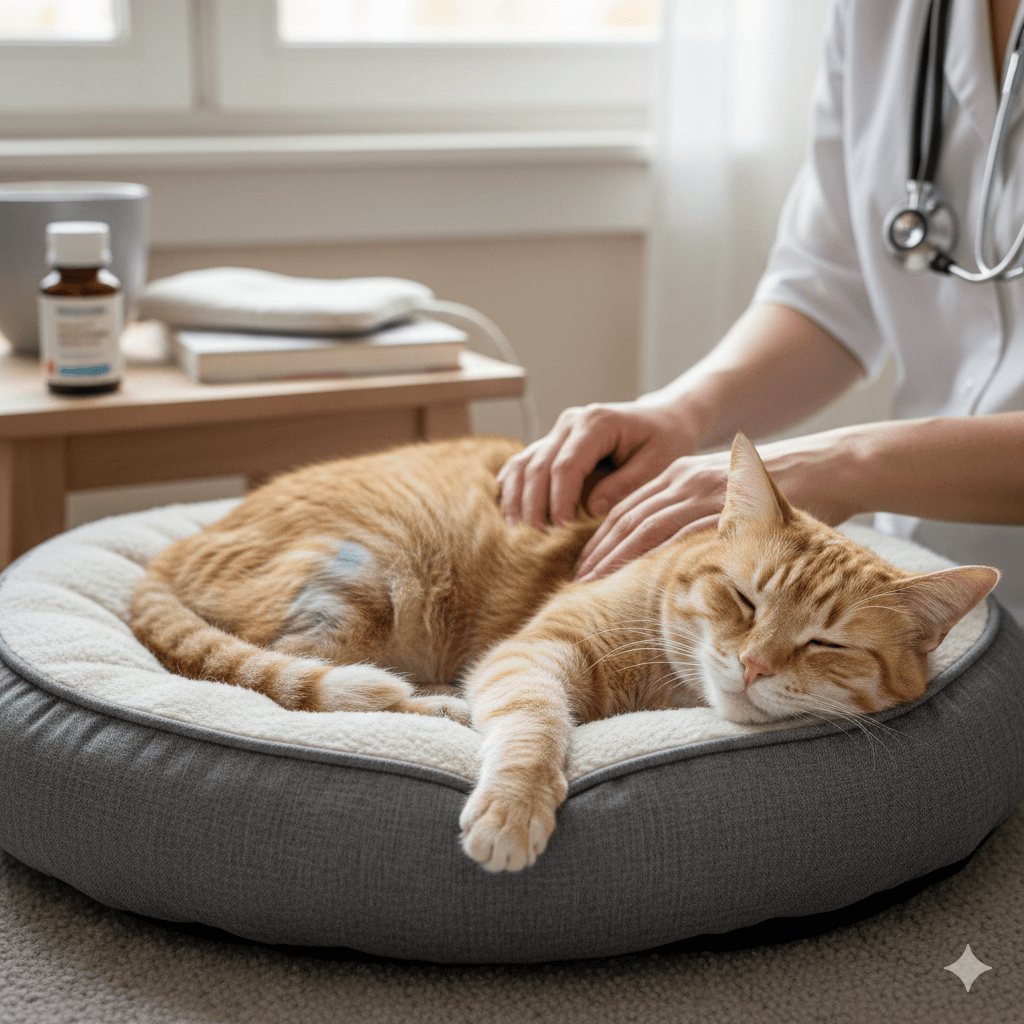

Arthrosis in Cats: Best 7 Expert Tips!

Arthrosis in Cats: Best 7 Expert Tips!

Understanding Arthrosis in Cats: Best 7 Expert Tips!

Arthrosis—also known as osteoarthritis—is far more common in cats than many owners realize. Unlike dogs, cats often hide discomfort, making early detection a challenge. Subtle changes in behavior, mobility, or grooming may be the only clues. Left untreated, joint degeneration can significantly impact your feline’s quality of life. Yet with timely intervention and thoughtful care, many cats live comfortably for years. These expert insights will help you recognize, manage, and support your cat through this silent condition.

Early Behavioral Changes That Signal Joint Discomfort

Cats with arthrosis rarely limp or vocalize pain. Instead, they adapt quietly—often by reducing movement or avoiding certain activities altogether. Observant owners may notice gradual shifts in routine or demeanor that hint at stiffness or soreness:

 
  • Reduced Jumping or Climbing:
    Your cat may stop leaping onto high surfaces like counters, shelves, or favorite perches, or approach jumps with hesitation.
     
  • Changes in Grooming Habits:
    Pain in the spine or hips can make twisting difficult, leading to matted fur, especially on the back or hindquarters.
     
  • Increased Sleep or Inactivity:
    While cats sleep a lot, excessive lounging—especially in easily accessible, flat spots—can indicate joint fatigue.
     
  • Irritability or Withdrawal:
    A once-friendly cat may hiss when picked up or avoid interaction if movement triggers discomfort.
     
  • Litter Box Accidents:
    Climbing into a high-sided box may become too painful, causing your cat to eliminate just outside it or on softer surfaces.
 

These subtle cues are often mistaken for “aging,” but they’re treatable signs of a medical condition—not just old age.

Arthrosis in Cats: Best 7 Expert Tips!

Physical Signs of Feline Arthrosis to Watch For

Beyond behavior, closer observation may reveal physical indicators that point directly to joint degeneration. These signs often appear in middle-aged to senior cats but can occur earlier in those with past injuries:

 
  • Stiff Gait or Awkward Movement:
    Your cat may walk with a stilted or uneven stride, especially after napping or in cold weather.
     
  • Muscle Wasting on Hind Legs:
    Reduced use of painful joints leads to visible thinning of the thigh muscles over time.
     
  • Overgrown Claws:
    Less walking and stretching means claws aren’t worn down naturally, becoming thick, curved, or even ingrown.
     
  • Reluctance to Be Touched Near Joints:
    Gently stroking the hips, spine, or shoulders may cause flinching, tail flicking, or a low growl.
     
  • Difficulty Rising from Rest:
    You may see your cat “stretch” excessively or take several attempts to stand up fully after lying down.
 

While these signs develop slowly, documenting them helps your vet assess severity and tailor treatment effectively.

Subtle Daily Clues
Clinical Indicators
Avoids favorite high sleeping spots
Noticeable joint swelling or warmth
Less interest in play or chasing toys
Crepitus (grating sound) when joints move
Prefers sleeping on floor-level surfaces
Reduced range of motion in hips or spine
Takes stairs slowly or avoids them
X-ray-confirmed joint space narrowing
Grooms less frequently or incompletely
Muscle asymmetry between left and right limbs

Common Causes and Risk Factors for Arthrosis

Arthrosis in cats isn’t just “wear and tear”—it often stems from a combination of genetic, developmental, and environmental influences. Understanding these helps identify at-risk cats earlier:

 
  • Age-Related Cartilage Breakdown:
    As cats live longer (many into their late teens), natural joint cushioning thins, increasing friction and inflammation.
     
  • Previous Joint Injuries:
    Fractures, ligament tears, or dislocations—even if healed—can alter joint mechanics and accelerate degeneration.
     
  • Genetic Predisposition:
    Breeds like Maine Coons, Persians, and Scottish Folds have higher rates of hip dysplasia or abnormal cartilage development.
     
  • Obesity:
    Excess weight places constant stress on joints, speeding up cartilage loss and inflammation—especially in hips and knees.
     
  • Inflammatory Joint Disease:
    Conditions like septic arthritis or immune-mediated polyarthritis can damage joints and lead to secondary arthrosis.
 

While not all causes are preventable, managing weight and providing joint support early can slow progression significantly.

Safe and Effective Pain Management Options

Managing feline arthrosis centers on comfort, mobility, and quality of life—never on pushing through pain. Cats metabolize drugs differently than dogs or humans, so safety is paramount:

 
  • Prescription NSAIDs (Used Cautiously):
    Drugs like meloxicam (at vet-approved doses) can reduce inflammation, but require kidney and liver monitoring.
     
  • Gabapentin for Chronic Pain:
    Often well-tolerated, this medication helps with nerve-related discomfort and can be given in liquid form.
     
  • Joint Supplements with Proven Ingredients:
    Omega-3 fatty acids (from fish oil), glucosamine, chondroitin, and green-lipped mussel support cartilage health.
     
  • Monoclonal Antibody Therapy (e.g., Solensia):
    A newer, injectable treatment that targets nerve growth factor—the source of pain signals—with monthly dosing.
     
  • Non-Pharmaceutical Therapies:
    Acupuncture, laser therapy, or gentle massage may provide relief without side effects in responsive cats.
 

Always work with your vet to create a multimodal plan—never self-medicate, as many human painkillers are toxic to cats.

Environmental Adjustments for Arthritic Cats

Your home can become a sanctuary of accessibility with simple, thoughtful changes that reduce strain on sore joints and restore confidence:

 
  • Provide Low-Entry Litter Boxes:
    Use boxes with cut-down sides or ramps so your cat can enter without climbing or jumping.
     
  • Add Ramps or Pet Stairs:
    Help your cat reach beds, windowsills, or couches without leaping—place them near favorite elevated spots.
     
  • Use Orthopedic or Heated Beds:
    Memory foam or self-warming beds ease pressure on joints and improve circulation during rest.
     
  • Keep Essentials on One Level:
    Place food, water, and litter on the same floor to minimize stair use, especially in multi-story homes.
     
  • Install Non-Slip Surfaces:
    Add rugs or yoga mats on hardwood or tile floors to prevent slipping when walking or rising.
 

These modifications empower your cat to move freely and safely—preserving independence and dignity.

Monitoring Progress and Knowing When to Reassess

Arthrosis is progressive, but its pace varies. Regular check-ins help you adjust care before your cat’s discomfort worsens unnoticed:

 
  • Keep a Monthly Mobility Journal:
    Note changes in jumping ability, grooming, or litter habits to track subtle declines over time.
     
  • Schedule Biannual Vet Visits for Seniors:
    Cats over age 10 should have wellness exams every 6 months, including joint palpation and pain scoring.
     
  • Watch for Weight Loss or Decreased Appetite:
    Chronic pain can reduce interest in food—sometimes the only sign your cat isn’t coping well.
     
  • Assess Response to Current Treatment:
    If your cat seems less active despite therapy, it may be time to adjust medications or add new modalities.
     
  • Use Quality-of-Life Scales:
    Tools like the Feline Musculoskeletal Pain Index (FMPI) help objectively measure your cat’s daily comfort.
 

Proactive monitoring turns reactive crisis care into consistent, compassionate support.

Special Considerations for Senior and Multi-Cat Households

Managing arthrosis becomes more complex when other health issues or social dynamics are involved. Tailoring care ensures no cat suffers in silence:

 
  • Senior Cats Often Have Multiple Conditions:
    Kidney disease, hyperthyroidism, or dental pain can mask or worsen arthritis symptoms—treat the whole cat.
     
  • Avoid Competition at Resources:
    In multi-cat homes, ensure arthritic cats have private, ground-level access to food, water, and litter to avoid stress.
     
  • Grooming Assistance Is Crucial:
    Help your cat stay clean with soft brushes or unscented wipes, especially on hard-to-reach areas.
     
  • Gentle Handling During Vet Visits:
    Request “fear-free” handling techniques to minimize stress and pain during exams or injections.
     
  • Maintain Mental Stimulation:
    Offer low-effort enrichment like puzzle feeders on the floor or window bird feeders to prevent depression.
 

Compassionate, individualized care ensures your arthritic cat remains valued, comfortable, and connected.

Frequently Asked Questions About Arthrosis in Cats

Can cats really get arthritis?

Yes—studies show over 90% of cats over age 12 show X-ray signs of arthrosis, though many go undiagnosed due to subtle symptoms.

Absolutely not—common NSAIDs like ibuprofen or acetaminophen are highly toxic to cats and can be fatal even in small doses.

Vets use physical exams, pain response tests, and often X-rays—though cats may need sedation for accurate imaging due to stress.

Yes—joint-support diets with omega-3s, antioxidants, and controlled calories reduce inflammation and maintain healthy weight.

Most likely, yes—but with the right plan, treatment is low-stress (e.g., monthly injections or tasty supplements) and greatly improves daily life.

Supporting Your Cat’s Golden Years with Grace and Care

Arthrosis doesn’t have to mean the end of your cat’s comfort or joy. With patience, observation, and the right support, your feline companion can still purr through naps, watch birds from a sunny ramp-accessible perch, and greet you softly each morning. The key is seeing beyond silence—because cats don’t cry out in pain; they trust us to notice. By adapting your home, partnering with your vet, and honoring your cat’s changing needs, you give them the greatest gift: dignity, comfort, and love in every stage of life. After all, they’ve spent years reading your moods—now it’s your turn to read theirs.

Newfoundland Dog Personality: Best 7 Expert Tips!

Newfoundland Dog Personality: Best 7 Expert Tips! – Discover the gentle, loyal, and protective nature of this giant breed perfect for families.

Can Hot Pavement Burn Your Cats Paws? Best 7 Expert Tips!

Can Hot Pavement Burn Your Cats Paws? Best 7 Expert Tips! – Learn how to protect your cat’s paws from hot surfaces and prevent painful burns this summer.

Can Hot Pavement Burn Your Dogs Paws? Best 7 Expert Tips!

Can Hot Pavement Burn Your Dogs Paws? Best 7 Expert Tips! – Learn how to protect your dog’s paws from hot surfaces and ensure safe summer walks.

Irish Wolfhound Size: Best 7 Expert Tips!

Irish Wolfhound Size: Best 7 Expert Tips! – Discover the ideal height, weight, and care tips for this majestic giant breed. Learn how to manage their impressive stature responsibly.

Leave a Reply

Your email address will not be published. Required fields are marked *


