
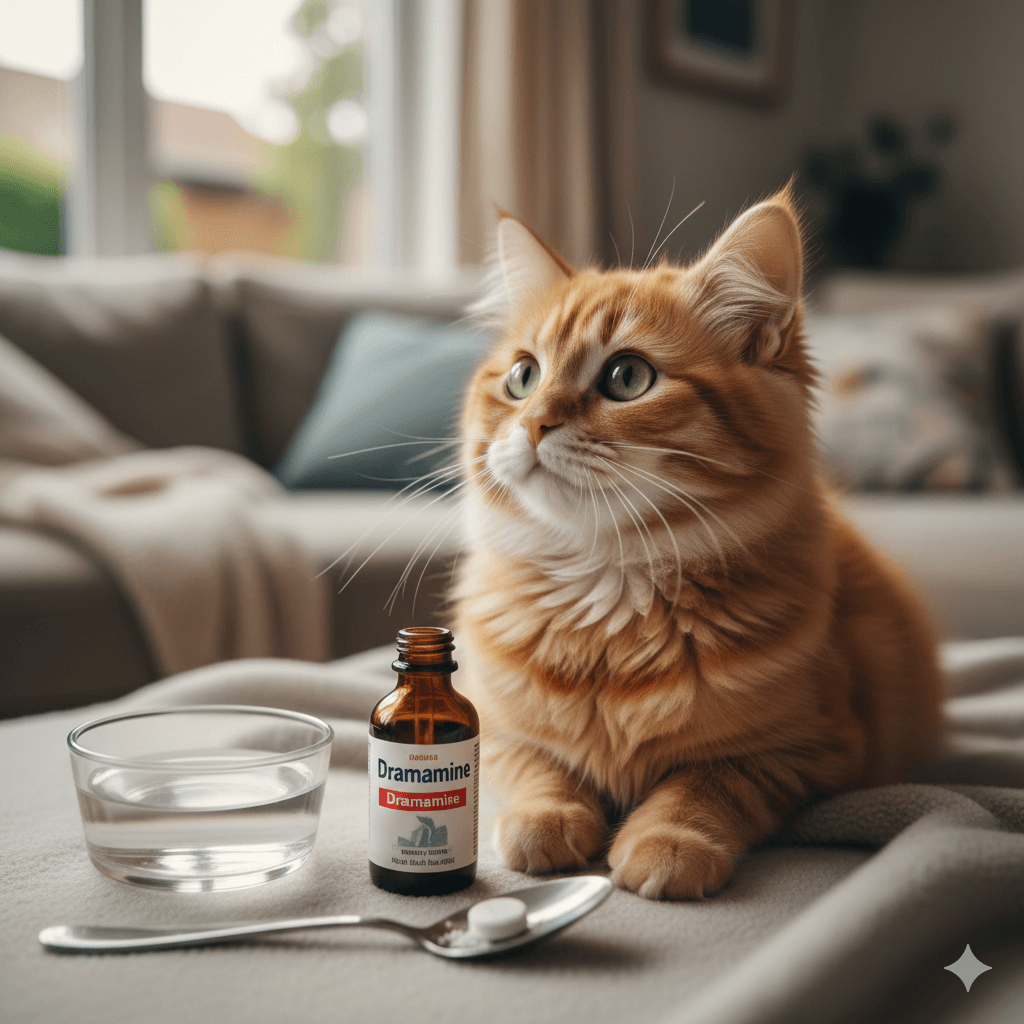

Dramamine Dosage for Cats: Best 7 Expert Tips!

Dramamine Dosage for Cats: Best 7 Expert Tips!

Dramamine Dosage for Cats: Best 7 Expert Tips!

If your feline companion gets carsick or shows signs of motion sickness—like drooling, vomiting, or anxiety during travel—you might consider Dramamine (dimenhydrinate). While not FDA-approved for cats, veterinarians sometimes recommend it off-label in precise doses. Getting the dosage right is crucial: too little won’t help, while too much can cause serious side effects. With careful guidance and vet approval, Dramamine can make journeys smoother for sensitive cats. Always prioritize safety and professional advice before giving any over-the-counter medication.

Understanding How Dramamine Works in Cats

Dramamine acts as an antihistamine that crosses the blood-brain barrier, helping reduce nausea, dizziness, and vomiting associated with motion. In cats, its effects are milder than in dogs or humans, but it can still offer relief when used correctly. Before administering it, it’s essential to understand how it functions and what influences its safety:

 
  • Antihistamine Action:
    Dimenhydrinate blocks histamine receptors in the brain’s vomiting center, calming motion-induced nausea.
     
  • Sedative Effect:
    Many cats experience mild drowsiness, which can actually help reduce travel anxiety during car rides.
     
  • Onset and Duration:
    Effects typically begin within 30–60 minutes and last 4–6 hours, making timing key for trips.
     
  • Metabolism Differences:
    Cats process medications differently than other animals, so human or dog dosages are never appropriate.
     
  • Not for All Cats:
    Kittens, seniors, or cats with heart, liver, or seizure conditions may face higher risks and should avoid it.
 

When used thoughtfully under veterinary supervision, Dramamine can be a helpful tool—but never a casual remedy.

 
Dramamine Dosage for Cats: Best 7 Expert Tips!

Safe Dosage Guidelines for Feline Use

There is no official feline dosage for Dramamine, but veterinarians often suggest a range based on weight and health status. Precision and caution are non-negotiable, as even slight overdosing can lead to toxicity. Always consult your vet before giving any dose:

 
  • Typical Recommended Dose:
    12.5 mg (¼ of a 50 mg tablet) given orally 30–60 minutes before travel—only for average-sized adult cats (8–12 lbs).
     
  • Weight-Based Adjustments:
    Cats under 8 lbs may need only 6.25 mg; larger cats might tolerate up to 12.5 mg—but never exceed this without vet approval.
     
  • Frequency Limit:
    Do not administer more than once every 8 hours, and avoid use for more than 2–3 consecutive days.
     
  • Formulation Matters:
    Use plain dimenhydrinate only—avoid versions with added ingredients like caffeine, alcohol, or pseudoephedrine (toxic to cats).
     
  • Never Guess the Dose:
    Always use a pill cutter and digital scale for accuracy; liquid forms are rarely safe due to alcohol or xylitol content.
 

Correct dosing isn’t just about effectiveness—it’s about preventing tremors, seizures, or cardiac issues from accidental overdose.

Safe Use Practices
Dangerous Mistakes to Avoid
Vet consultation before first use
Giving human-labeled doses without adjustment
Using only plain dimenhydrinate tablets
Using “Dramamine Less Drowsy” (contains ginger or other additives)
Dosing 30–60 min before travel
Administering on an empty stomach if your cat is prone to nausea
Monitoring for side effects
Combining with other sedatives or antihistamines
Stopping use if adverse signs appear
Using in pregnant, nursing, or epileptic cats

Recognizing Side Effects and Warning Signs

While many cats tolerate Dramamine well, adverse reactions can occur—especially with incorrect dosing or underlying health issues. Knowing what to watch for ensures you can act quickly if something goes wrong:

 
  • Mild Side Effects:
    Drowsiness, dry mouth, or slight disorientation are common and usually resolve within hours.
     
  • Moderate Reactions:
    Vomiting, diarrhea, or increased heart rate may indicate sensitivity or early overdose.
     
  • Severe Symptoms:
    Tremors, seizures, difficulty breathing, or extreme lethargy require immediate emergency care.
     
  • Allergic Response:
    Facial swelling, hives, or collapse—though rare—demand urgent veterinary intervention.
     
  • Behavioral Changes:
    Paradoxical excitement (hyperactivity instead of sedation) can occur in some cats and may worsen travel stress.
 

If you observe anything unusual, stop use and contact your veterinarian or a pet poison helpline right away.


Natural and Alternative Options for Motion Sickness

If you’re hesitant about using medication, several gentle alternatives may reduce your cat’s travel anxiety and nausea—often with fewer risks. These work best when combined with behavioral conditioning:

 
  • Gradual Desensitization:
    Practice short, positive car sessions (without driving) to build comfort with the carrier and vehicle.
     
  • Pheromone Sprays:
    Feliway® or similar synthetic calming pheromones sprayed in the carrier 15 minutes before travel can ease stress.
     
  • Ginger Supplements (Vet-Approved):
    Some vets support small doses of feline-safe ginger capsules for nausea—but never use human ginger products.
     
  • Cool, Quiet Environment:
    Keep the car well-ventilated, shaded, and free of loud music to minimize sensory triggers.
     
  • Secure, Familiar Carrier:
    Line it with a blanket that smells like home to provide comfort and reduce disorientation.
 

These methods won’t work for every cat, but they’re excellent first steps before considering medication.

Special Considerations for Kittens, Seniors, and At-Risk Cats

Dramamine is generally not recommended for vulnerable feline populations due to their heightened sensitivity to medications. Their bodies metabolize drugs slower or unpredictably, increasing danger:

 
  • Kittens Under 12 Weeks:
    Immature liver and kidney function makes drug processing unsafe—avoid entirely.
     
  • Senior Cats (10+ Years):
    Age-related organ decline raises overdose risk even at standard doses; safer alternatives are preferred.
     
  • Cats with Heart Conditions:
    Dimenhydrinate can elevate heart rate or blood pressure, potentially worsening cardiac issues.
     
  • Epileptic or Neurological Cases:
    The drug may lower the seizure threshold, triggering dangerous episodes.
     
  • Pregnant or Nursing Queens:
    Safety data is lacking; most vets advise against use during gestation or lactation.
 

When in doubt, skip the medication and focus on non-pharmaceutical support for these sensitive groups.

When to Skip Dramamine and Call Your Vet

Not every case of travel sickness calls for an antihistamine—and sometimes, vomiting during car rides signals something more serious. Knowing when to pause and seek advice protects your cat’s health:

 
  • First-Time Vomiting in a Car:
    Rule out anxiety vs. true motion sickness; a vet can help distinguish the cause.
     
  • Chronic or Unexplained Nausea:
    If your cat vomits outside of travel, it may indicate GI disease, kidney issues, or toxicity.
     
  • History of Adverse Drug Reactions:
    Past sensitivity to antihistamines (like Benadryl) suggests high risk with Dramamine.
     
  • Use of Other Medications:
    Dramamine can interact dangerously with sedatives, antidepressants, or heart drugs.
     
  • Planned Long-Distance Travel:
    For flights or extended trips, ask your vet about safer, prescription anti-nausea options like Cerenia® (maropitant).
 

Your vet can offer tailored solutions that balance comfort, legality, and feline physiology far better than OTC guesswork.

Essential Safety Reminders Before Using Dramamine in Cats

While Dramamine can offer relief for motion sickness, it’s not a one-size-fits-all solution—and safety must always come first. These key reminders help ensure you make informed, responsible decisions when considering this medication for your feline friend:

 
  • Never Administer Without Veterinary Approval:
    Even over-the-counter medications can be risky for cats; always confirm safety and dosage with your vet first.
     
  • Double-Check the Ingredient List:
    Only use products containing 100% dimenhydrinate—avoid any formula with added pain relievers, decongestants, or alcohol.
     
  • Use a Precise Pill Cutter or Scale:
    Human tablets are too strong; accurate quartering (or less) is essential to avoid accidental overdose.
     
  • Avoid Use in Multi-Cat Households Without Supervision:
    If one cat is medicated, ensure others can’t accidentally ingest leftover pills or vomit containing the drug.
     
  • Have Emergency Contacts Ready:
    Save your vet’s number and the ASPCA Animal Poison Control (888-426-4435) in your phone before travel day.
 

Taking these precautions transforms a potentially risky choice into a safe, supportive tool—keeping your cat calm without compromising their health.

Frequently Asked Questions About Dramamine Dosage for Cats

Can I give my cat human Dramamine?

Only the plain dimenhydrinate version—and only in vet-approved doses. Never use formulas with added ingredients.

Administer 30 to 60 minutes before departure to allow time for absorption and effect onset.

Occasional use is generally low-risk under supervision, but not recommended for frequent or long-term travel.

Contact your vet or Pet Poison Helpline immediately—signs of overdose include tremors, agitation, or rapid breathing.

Yes—veterinarians may prescribe maropitant (Cerenia®), which is FDA-approved for cats and more effective with fewer side effects.

Caring for Your Cat’s Comfort on the Road and Beyond

Helping your cat travel peacefully isn’t just about medication—it’s about empathy, preparation, and respecting their limits. While Dramamine can be a useful tool in specific situations, it’s never a substitute for understanding your cat’s unique needs. By combining expert dosage guidance with calming routines and vet-backed alternatives, you create safer, less stressful journeys. Remember, a relaxed cat isn’t just more comfortable—they’re healthier, happier, and more trusting of your care. Whether it’s a trip to the vet or a cross-state move, your thoughtful approach makes all the difference in turning anxiety into ease.

Cat Wheat Allergies: Best 7 Expert Tips!

Cat Wheat Allergies: Best 7 Expert Tips! – Discover symptoms, dietary solutions, and prevention strategies to manage your cat’s wheat allergy effectively.

Wheat Allergies in Dogs: Best 7 Expert Tips!

Wheat Allergies in Dogs: Best 7 Expert Tips! – Learn to spot symptoms, manage diets, and improve your dog’s health with expert advice on wheat allergies.

How Much Does a Mastiff Dog Weigh? Best 7 Expert Tips!

How Much Does a Mastiff Dog Weigh? Best 7 Expert Tips! – Discover the ideal weight range, growth patterns, and health tips to keep your Mastiff happy and strong.

Amino Acids for Cats: Best 7 Expert Tips!

Amino Acids for Cats: Best 7 Expert Tips! – Discover the essential amino acids your cat needs, their benefits, and how to ensure a balanced diet for optimal health.

Leave a Reply

Your email address will not be published. Required fields are marked *

Post Category


