
Understanding Cat Regurgitates Water: Best 7 Expert Tips!
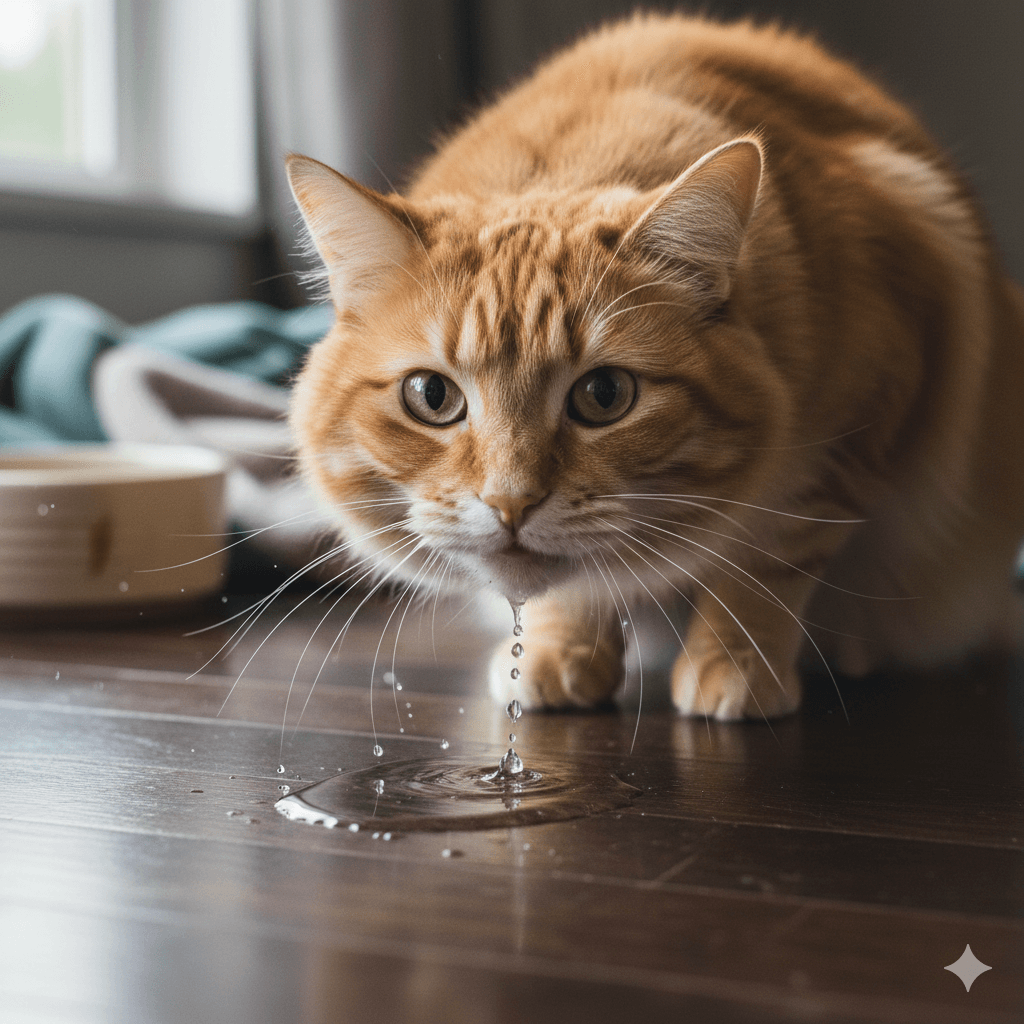
If your cat suddenly brings up clear liquid shortly after drinking, it’s not just odd—it could be a sign of an underlying issue. While occasional regurgitation may seem harmless, repeated episodes warrant attention. Unlike vomiting, regurgitation is a passive process often tied to eating or drinking habits, anatomy, or health conditions. Recognizing patterns and triggers helps you distinguish normal quirks from red flags. With the right insights, you can adjust care routines or seek timely help to keep your feline comfortable and thriving.
Common Reasons Why Cats Regurgitate Water
Cats may regurgitate water for several reasons, many of which relate to how quickly or how much they drink at once. Unlike vomiting—which involves abdominal contractions—regurgitation happens without warning and typically occurs minutes after ingestion. Here are the most frequent causes vets observe in clinical practice:
- Drinking Too Quickly:
Gulping large amounts of water rapidly can overwhelm the esophagus, causing immediate regurgitation of clear fluid. - Elevated Food or Water Bowls:
Bowls placed too high may alter swallowing mechanics, especially in deep-chested or older cats, leading to improper esophageal transit. - Esophageal Disorders:
Conditions like megaesophagus—where the esophagus loses muscle tone—prevent proper movement of liquids to the stomach, resulting in frequent regurgitation. - Hairballs or Minor Irritation:
Even without a full hairball, throat or esophageal irritation from grooming can trigger reflexive expulsion of water. - Post-Anesthesia or Medication Side Effects:
Certain drugs or recent procedures may temporarily relax esophageal muscles, increasing the likelihood of regurgitation during recovery.
Most cats regurgitate water only occasionally and otherwise appear healthy—but persistent episodes need investigation to rule out structural or neurological issues.
When Regurgitation Signals a Health Problem
Not every splash of water on the floor is cause for alarm, but some patterns suggest your cat needs veterinary evaluation. Unlike benign causes, medical conditions often come with additional signs or worsening frequency. Watch for these concerning developments:
- Daily or Multiple Episodes:
Regurgitating water more than once a day or after every drink may indicate a functional or anatomical problem. - Weight Loss or Poor Appetite:
If your cat is losing weight despite eating—or avoiding meals—they may associate drinking with discomfort. - Coughing or Gagging Between Episodes:
Persistent throat-clearing or retching without producing anything could signal esophageal inflammation or obstruction. - Lethargy or Behavioral Changes:
A normally active cat becoming withdrawn or less interactive may be feeling unwell due to chronic regurgitation. - Aspiration Risk Signs:
Frequent regurgitation increases the chance of inhaling fluid, which can lead to pneumonia—watch for labored breathing or fever.
If any of these red flags appear, schedule a vet visit promptly to prevent complications like dehydration or lung infection.
Check this guide 👉Tapeworms in Cat Vomit: Best 7 Expert Tips!
Check this guide 👉Why Is My Cat Vomiting Coffee Grounds? Best 7 Tips!
Check this guide 👉Diabetic Cat Vomiting: Best 7 Health Tips!
Behavioral & Environmental Triggers | Medical Conditions to Rule Out |
|---|---|
Rapid water intake after exercise | Megaesophagus (congenital or acquired) |
Drinking immediately after eating dry food | Esophageal stricture or foreign body |
Stress-induced gulping (e.g., multi-cat homes) | Neurological disorders affecting swallowing |
Use of narrow or deep water bowls | Gastroesophageal reflux disease |
Sudden access to large water volumes | Myasthenia gravis or other neuromuscular diseases |
Safe Home Adjustments to Reduce Episodes
Simple changes to your cat’s routine and environment can significantly reduce regurgitation—especially if the cause is behavioral or mechanical. These strategies prioritize comfort and natural feline drinking habits:
- Use Wide, Shallow Water Dishes:
Cats prefer whisker-friendly bowls that allow easy access without bending the neck awkwardly. - Provide Multiple Water Stations:
Place bowls in quiet, separate areas to reduce competition and encourage slower, relaxed drinking. - Limit Water Access Temporarily After Meals:
Wait 10–15 minutes after dry food before offering water to avoid rapid expansion of kibble in the esophagus. - Elevate Bowls Slightly—but Not Too High:
A low platform (1–2 inches) can help align the esophagus, but avoid high stands that force the head upward. - Encourage Slow Drinking with Fountains:
Many cats sip more gently from flowing water sources, reducing gulping and air intake.
These adjustments often resolve mild cases within days, especially in young or otherwise healthy cats.
Diagnostic Steps Your Veterinarian May Recommend
If home changes don’t help or symptoms worsen, your vet will investigate further. Diagnosis focuses on visualizing the esophagus and ruling out systemic disease:
- Physical and Oral Exam:
Checks for dental issues, throat swelling, or signs of pain when the neck is palpated. - Barium Swallow X-ray:
Your cat drinks a contrast liquid while X-rays track how it moves through the esophagus—revealing delays or pooling. - Blood Work and Thyroid Panel:
Screens for metabolic diseases like hyperthyroidism, which can indirectly affect gastrointestinal motility. - Chest X-rays or Ultrasound:
Assesses for aspiration pneumonia or underlying heart conditions that may contribute to megaesophagus. - Neurological Evaluation:
If a nerve or muscle disorder is suspected, referral to a specialist may be needed for advanced testing.
Early diagnosis is crucial—especially for conditions like acquired megaesophagus, which can be managed but not cured.
Special Considerations for Kittens and Senior Cats
Age plays a key role in how regurgitation presents and progresses. Kittens and seniors have unique vulnerabilities that require tailored approaches:
- Kittens Under 6 Months:
Congenital megaesophagus is more common; regurgitation after every meal or drink warrants immediate imaging. - Senior Cats Over 10 Years:
Acquired conditions like tumors, nerve degeneration, or kidney disease may manifest as new-onset regurgitation. - Brachycephalic Breeds (e.g., Persians):
Facial structure can impair swallowing mechanics, making them more prone to water regurgitation. - Cats with Chronic Kidney Disease:
Increased thirst leads to larger water intake, raising the risk of regurgitation if they drink too fast. - Previously Healthy Adults with Sudden Onset:
Rule out foreign body ingestion or toxin exposure, especially if regurgitation starts abruptly.
In both young and old cats, even “mild” regurgitation should be monitored closely due to higher risk of dehydration or aspiration.
Long-Term Management and Quality of Life
For cats with chronic regurgitation due to conditions like megaesophagus, management focuses on minimizing episodes and maintaining nutrition:
- Feed a Slurry or Gravy-Based Diet:
Liquid or semi-liquid meals move more easily through a compromised esophagus than dry kibble or thick pâté. - Use a Bailey Chair or Upright Feeding:
Keeping your cat vertical during and 10–15 minutes after meals uses gravity to help food and water reach the stomach. - Offer Small, Frequent Water Portions:
Instead of one full bowl, provide 2–3 tablespoons every hour to prevent overwhelming the esophagus. - Monitor for Aspiration Daily:
Watch for coughing, wheezing, or fever—early signs of pneumonia that require emergency care. - Schedule Regular Vet Check-Ups:
Even stable cats need monitoring to adjust feeding plans and catch complications early.
With consistent care, many cats with regurgitation issues live full, happy lives—especially when owners stay proactive and observant.
Practical Tips to Prevent and Manage Water Regurgitation in Cats
While some causes of water regurgitation require veterinary intervention, many episodes can be reduced or prevented with thoughtful daily habits. These practical, vet-aligned strategies focus on optimizing your cat’s drinking environment and routine to support smooth esophageal function and overall digestive comfort:
- Offer Room-Temperature Water:
Very cold water can cause throat muscles to tense suddenly, increasing the chance of regurgitation—especially in sensitive or older cats. - Avoid Deep or Narrow Bowls:
Bowls that force your cat to tuck its chin tightly can kink the esophagus; opt for wide, shallow dishes that allow natural head positioning. - Place Water Away from Food:
Cats often drink immediately after dry food, causing kibble to expand in the esophagus—separating water and food stations encourages slower, intentional hydration. - Use Puzzle or Flowing Water Fountains:
Moving water stimulates natural curiosity and promotes sipping rather than gulping, reducing rapid intake that triggers regurgitation. - Monitor Drinking After Play or Stress:
Cats may chug water after exertion or anxiety; gently limit access for 5–10 minutes post-activity to allow their system to settle.
By aligning your cat’s hydration setup with their anatomy and instincts, you create conditions that support smooth swallowing—and fewer puddles of clear liquid on the floor.
“Drinking a large amount of water before or after eating can also cause regurgitation due to the stomach filling up with water.” – Katie Grzyb, DVM
Frequently Asked Questions About Cat Regurgitates Water
Why does my cat regurgitate water right after drinking?
This often happens when they drink too fast, causing the esophagus to temporarily “overflow” before the liquid reaches the stomach.
Is regurgitating water the same as vomiting?
No—regurgitation is passive and immediate, with no abdominal heaving, while vomiting involves nausea, retching, and stomach contents.
Can stress cause a cat to regurgitate water?
Yes—stress can lead to rapid drinking or altered swallowing, especially in multi-cat households or during environmental changes.
Should I limit my cat’s water if they keep regurgitating?
Never restrict water—dehydration is dangerous. Instead, modify how and when they drink to encourage slower intake.
Does regurgitating water mean my cat has megaesophagus?
Not necessarily—while megaesophagus is a cause, most cases stem from benign behavioral habits. A vet can differentiate with diagnostics.
Helping Your Cat Drink with Confidence and Comfort
Seeing your cat bring up water can be unsettling, but in many cases, the solution lies in small, thoughtful adjustments to their environment and routine. By tuning into your cat’s drinking behavior, you gain insight into their comfort, health, and emotional state. Whether it’s switching to a wider bowl, spacing out water access, or seeking veterinary clarity, your proactive care makes all the difference. Remember, a cat who drinks calmly is a cat whose body is working as it should. With patience and observation, you can turn a puzzling symptom into a manageable, even preventable, part of your shared life.

Is Rawhide Bad for Cats? Best 7 Expert Tips! – Discover the risks, safe alternatives, and expert advice to keep your feline friend healthy and happy.

Is Rawhide Bad for Dogs? Best 7 Expert Tips! – Discover the risks, benefits, and safer alternatives to rawhides for your dog’s chewing needs.

Understanding Anorexia in Cats: Best 7 Expert Tips! – Learn why cats stop eating, spot warning signs, and discover how to help your feline regain appetite safely.

Understanding Anorexia in Dogs: Best 7 Expert Tips! – Learn causes, symptoms, and solutions to help your dog regain appetite and stay healthy.