
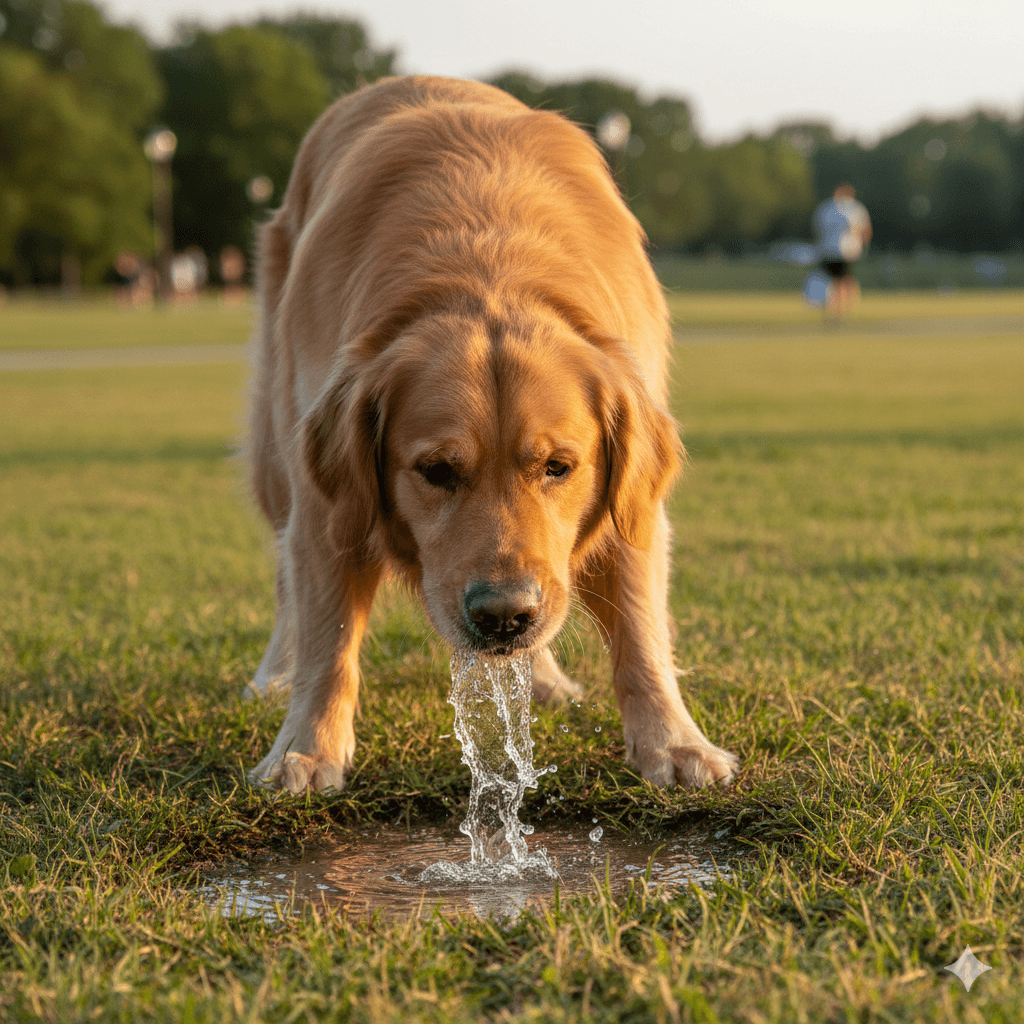

Understanding Dog Regurgitates Water: Best 7 Expert Tips!
When your dog brings up water shortly after drinking—without the heaving of vomiting—it’s likely regurgitation, not true vomiting. This passive expulsion can signal anything from a minor eating quirk to a serious esophageal disorder. While occasional episodes may be harmless, frequent regurgitation of water warrants attention. Recognizing patterns and potential causes helps you act early and protect your dog’s health. With the right insight, you can distinguish normal behavior from signs needing veterinary care.
Common Reasons Dogs Regurgitate Water
Regurgitation differs from vomiting in both mechanism and meaning—it originates in the esophagus, not the stomach, and usually happens minutes after drinking. Identifying the underlying triggers is the first step toward effective management or treatment:
- Rapid Water Consumption:
Dogs that gulp water too quickly may overwhelm their esophagus, causing immediate spillage or passive reflux. - Megaesophagus:
This condition involves esophageal dilation and loss of muscle tone, preventing proper movement of liquids to the stomach. - Esophageal Obstruction:
Foreign bodies, strictures, or tumors can block the passage, leading to water pooling and subsequent regurgitation. - Hiatal Hernia:
A congenital or acquired defect where part of the stomach protrudes into the chest cavity can disrupt normal swallowing. - Neurological or Muscular Disorders:
Conditions like myasthenia gravis or certain nerve diseases impair esophageal motility, causing liquid retention and regurgitation.
Early identification of these causes—especially progressive ones like megaesophagus—can dramatically improve your dog’s long-term outlook.
When Regurgitation Becomes a Red Flag
Not every episode is cause for alarm, but certain patterns signal serious underlying issues. Knowing what to watch for helps you decide when a vet visit is urgent rather than optional:
- Regurgitation Occurs After Every Drink:
Consistent water expulsion suggests a structural or functional esophageal problem needing diagnosis. - Weight Loss or Poor Appetite:
If your dog loses interest in food or drops weight, it may indicate chronic inability to retain nutrients. - Coughing, Gagging, or Nasal Discharge:
These signs may point to aspiration (inhaling regurgitated fluid), a dangerous complication. - Regurgitated Fluid is Frothy or Clear with Mucus:
Unlike vomit, regurgitated water often lacks bile and appears clear or slimy—typical of esophageal origin. - Lethargy or Difficulty Swallowing:
Behavioral changes alongside regurgitation suggest pain, discomfort, or systemic illness.
If any of these signs persist beyond a single episode, seek veterinary evaluation to rule out progressive disease.
Check this guide 👉Vomit vs Regurgitation in Dogs: Best 7 Expert Tips!
Check this guide 👉Dog Vomiting Yellow: Best 7 Expert Tips!
Check this guide 👉Dog Vomiting Pink Foam: Best 7 Expert Tips!
Behavioral Clues | Potential Medical Concerns |
|---|---|
Gulping water rapidly | Learned habit or dehydration |
Head tilting while drinking | Attempt to ease esophageal passage |
Eating or drinking in upright position | Compensatory behavior for megaesophagus |
Avoiding water after regurgitating | Anticipatory discomfort or learned aversion |
Regurgitating only at night | Possible delayed esophageal emptying |
Diagnostic Steps Your Veterinarian May Take
Pinpointing the cause of water regurgitation requires more than a physical exam—your vet will likely recommend targeted tests to evaluate esophageal function and anatomy:
- Barium Swallow Study:
A contrast X-ray that tracks how liquid moves through the esophagus, revealing dilation, strictures, or motility issues. - Thoracic Radiographs (X-rays):
These can detect megaesophagus, masses, or signs of aspiration pneumonia in the lungs. - Endoscopy:
A camera inserted into the esophagus allows direct visualization of inflammation, foreign bodies, or structural defects. - Blood Tests and Titer Panels:
Used to identify underlying conditions like myasthenia gravis or hormonal imbalances affecting muscle function. - Fluoroscopy (if available):
Real-time X-ray video shows dynamic esophageal movement during swallowing for precise motility assessment.
Accurate diagnosis is essential—especially since some causes are treatable or manageable with early intervention.
At-Home Management for Mild or Occasional Cases
If your vet rules out serious disease and your dog only occasionally regurgitates water, simple lifestyle adjustments can reduce episodes significantly:
- Use a Slow-Feed Water Bowl:
These bowls or floating toys encourage slower drinking and reduce gulping. - Elevate the Water Bowl Slightly:
Raising the bowl 2–4 inches may aid gravity-assisted flow, but avoid excessive height unless advised for megaesophagus. - Offer Smaller, More Frequent Drinks:
Instead of one large bowl, provide water in controlled portions throughout the day. - Wait Before Exercise:
Avoid vigorous activity for 20–30 minutes after drinking to prevent reflux or regurgitation. - Monitor Post-Drink Behavior:
Watch for head shaking, lip licking, or immediate water expulsion—these help you track triggers.
These strategies support better esophageal function and minimize discomfort during daily hydration.
Long-Term Care for Chronic Conditions Like Megaesophagus
For dogs diagnosed with chronic regurgitation disorders, consistent management is key to quality of life and preventing life-threatening complications like aspiration pneumonia:
- Upright Feeding and Watering:
Use a Bailey chair or vertical position during and for 10–15 minutes after drinking to let gravity move fluids to the stomach. - Thickened Liquids (if recommended):
Some vets suggest adding gelatin or water-thickening powders to slow esophageal transit. - Strict Hydration Monitoring:
Ensure your dog gets enough fluids without overloading the esophagus—work with your vet on daily targets. - Regular Chest X-rays:
Scheduled imaging helps catch early signs of aspiration pneumonia before severe symptoms appear. - Medication or Surgery (if applicable):
In select cases, prokinetic drugs or corrective surgery may improve esophageal function.
With dedicated care, many dogs with chronic regurgitation live full, happy lives—especially when owners stay proactive.
Breeds and Age Groups at Higher Risk
Certain dogs are predisposed to regurgitation due to anatomy, genetics, or developmental factors. Awareness of these risk groups allows for earlier detection:
- Large and Giant Breeds:
German Shepherds, Great Danes, and Irish Setters have higher rates of congenital or acquired megaesophagus. - Puppies Under 6 Months:
Congenital megaesophagus often appears when transitioning to solid food or water—watch closely during weaning. - Brachycephalic Breeds:
Bulldogs and Pugs may regurgitate due to esophageal irritation from chronic reverse sneezing or respiratory strain. - Senior Dogs:
Age-related neuromuscular decline or tumors can impair swallowing function later in life. - Breeds Prone to Myasthenia Gravis:
Golden Retrievers and Akitas are more likely to develop this autoimmune condition that affects esophageal muscles.
If your dog falls into one of these categories, discuss screening options with your vet even before symptoms appear.
What to Avoid When Your Dog Regurgitates Water
Well-meaning actions can sometimes worsen the problem. Knowing what not to do is just as important as knowing the right steps:
- Don’t Force Large Amounts of Water:
Overhydration increases regurgitation risk—stick to controlled portions. - Avoid Lying Flat Immediately After Drinking:
Horizontal positioning makes esophageal clearance harder; encourage upright posture briefly. - Never Ignore Recurrent Episodes:
Assuming it’s “just a quirk” can delay diagnosis of treatable conditions. - Don’t Switch to Dry Food Only Without Guidance:
Dry kibble can worsen regurgitation in megaesophagus; many dogs do better with moist or blended diets. - Avoid Human Anti-Reflux Medications:
Drugs like omeprazole treat stomach acid—not esophageal motility—and may mask symptoms without addressing the root cause.
Smart avoidance protects your dog from unnecessary setbacks during management or recovery.
“Regurgitation is less involved. It’s more of a burp in which some of the contents in the esophagus, either liquid or solid, come back up. Although there might be some gagging or a bit of coughing as the contents move up, there’s no abdominal heaving involved.”veterinarypartner.vin.com
Frequently Asked Questions About Dog Regurgitates Water
Is regurgitating water the same as vomiting?
No—regurgitation is passive and comes from the esophagus; vomiting involves abdominal contractions and originates in the stomach.
Can stress cause a dog to regurgitate water?
Rarely—stress typically causes true vomiting or diarrhea, not esophageal regurgitation.
Should I limit my dog’s water if they keep regurgitating?
No—limiting water risks dehydration. Instead, modify how and how much they drink at once.
Is occasional regurgitation normal?
Very rare, isolated episodes might be benign, but any pattern deserves veterinary evaluation.
Can megaesophagus be cured?
Congenital cases in puppies may resolve by 6–12 months; acquired forms are usually managed, not cured, but quality of life can be excellent.
Supporting Your Dog’s Esophageal Health with Confidence
Seeing your dog regurgitate water can be confusing and concerning—but with knowledge, vigilance, and partnership with your veterinarian, you can navigate this challenge with clarity. Whether it’s a harmless habit or a sign of a deeper issue, your attentive care makes all the difference. By adapting routines, recognizing warning signs, and advocating for proper diagnostics, you give your dog the best chance at comfort and long-term health. Remember, every small adjustment—from a slower water bowl to an elevated drink—reflects your deep bond and commitment. In the journey of pet parenthood, it’s these thoughtful acts that truly heal and protect.
Is Rawhide Bad for Cats? Best 7 Expert Tips! – Discover the risks, safe alternatives, and expert advice to keep your feline friend healthy and happy.

Is Rawhide Bad for Dogs? Best 7 Expert Tips! – Discover the risks, benefits, and safer alternatives to rawhides for your dog’s chewing needs.

Understanding Anorexia in Cats: Best 7 Expert Tips! – Learn why cats stop eating, spot warning signs, and discover how to help your feline regain appetite safely.

Understanding Anorexia in Dogs: Best 7 Expert Tips! – Learn causes, symptoms, and solutions to help your dog regain appetite and stay healthy.