
German Shepherd Work Dog: Best 7 Expert Tips!
The German Shepherd stands as one of the world’s most capable and loyal working dogs—revered in police forces, search-and-rescue teams, and military units alike. Bred for intelligence, endurance, and obedience, this versatile breed thrives when given purpose and structure. Whether you’re considering a German Shepherd for service, protection, or farm assistance, understanding their working nature is essential. With the right training and environment, they become not just helpers, but devoted partners. Let’s explore how to unlock their full potential responsibly and compassionately.
Origins and History of the German Shepherd as a Working Breed
Developed in late 19th-century Germany, the German Shepherd was meticulously crafted from herding dogs to embody strength, trainability, and unwavering focus. Captain Max von Stephanitz, the breed’s founder, prioritized utility over appearance—seeking a dog that could work tirelessly alongside humans. This legacy defines the modern German Shepherd, whose instincts and physical traits remain finely tuned for duty. Key milestones in their working evolution include:
- Herding Roots:
Originally bred to manage flocks in rural Germany, their agility, alertness, and natural authority made them exceptional livestock guardians. - Military Adoption in World Wars:
Both World Wars saw German Shepherds used as messengers, sentries, and Red Cross aids—cementing their reputation for courage under pressure. - Pioneering Police & K-9 Roles:
By the mid-20th century, they became the backbone of law enforcement worldwide due to their scenting ability, speed, and obedience. - Search-and-Rescue Excellence:
Their keen nose, endurance, and trainability make them ideal for locating missing persons in disasters or avalanches. - Global Standard for Service Work:
Today, they serve as guide dogs, therapy animals, and detection specialists—adapting seamlessly to new roles with proper training.
This rich history of service underscores why the German Shepherd remains the gold standard among working canines across continents.
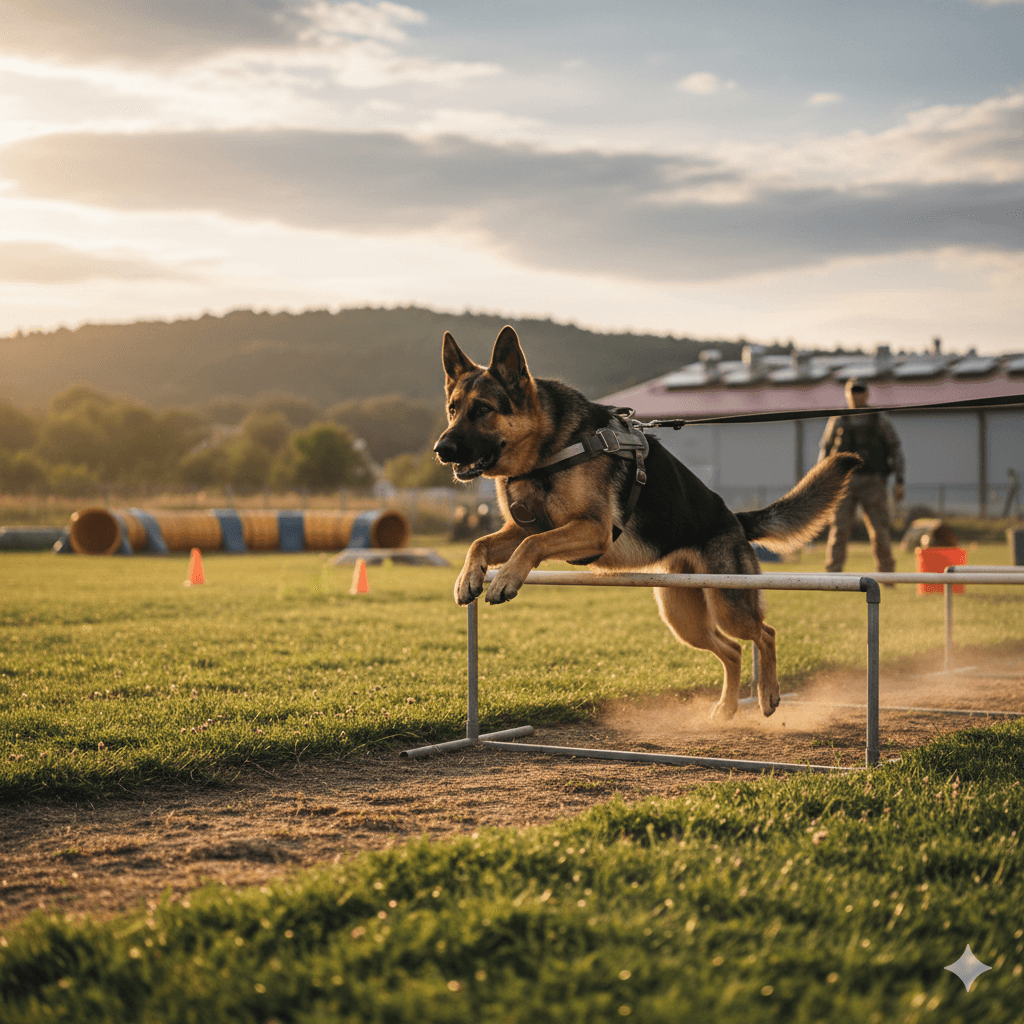
Distinctive Physical Traits That Enable Work Performance
Beyond intelligence, the German Shepherd’s anatomy is engineered for demanding tasks—combining power, agility, and resilience in one striking frame. Their physical build supports everything from sprinting across rough terrain to carrying gear for hours. These traits aren’t just aesthetic; they’re functional adaptations honed over generations:
- Athletic, Muscular Build:
A strong, slightly sloping back and deep chest provide stamina and lung capacity for sustained physical effort. - Double Coat with Weather Resistance:
Their dense undercoat and longer guard hairs shield against rain, snow, and heat—ideal for outdoor operations. - Erect, Alert Ears:
Naturally upright ears enhance sound detection, crucial for threat awareness or handler communication. - Almond-Shaped, Intelligent Eyes:
Dark, expressive eyes convey focus and emotional attunement—key for reading subtle cues during complex tasks. - Bushy Tail for Balance & Expression:
Held low during work but raised when alert, the tail aids in sharp turns and signals emotional state to handlers.
These physical attributes work in harmony to create a dog built not just for obedience, but for real-world performance under pressure.
Check this guide 👉Saint Bernard German Shepherd Mix: Best 7 Expert Tips!
Check this guide 👉Rhodesian Ridgeback German Shepherd Mix: Best 7 Tips!
Check this guide 👉The Anatolian Shepherd Dog: Best 7 Expert Tips!
Working Strengths | Daily Care Requirements |
|---|---|
High trainability and task retention | Consistent mental stimulation to prevent boredom |
Exceptional scent and hearing acuity | Daily vigorous exercise (60–90 minutes minimum) |
Natural protective instincts | Early, ongoing socialization to avoid over-guarding |
Strong bond with handler | Structured routine with clear leadership |
Adaptability to diverse roles | Regular grooming (especially during heavy shedding seasons) |
Temperament and Behavioral Traits Essential for Work
A German Shepherd’s success in working roles hinges not just on physical ability, but on a stable, focused temperament. They are naturally serious, observant, and driven—but without proper guidance, these traits can manifest as anxiety or reactivity. Responsible ownership emphasizes channeling their innate intensity into constructive outlets:
- Loyalty and Bonding Depth:
They form profound attachments to their primary handler, making them exceptionally responsive in high-stakes scenarios. - Controlled Confidence:
A well-bred working Shepherd is neither shy nor aggressive—approaching new situations with calm assessment. - High Drive and Focus:
Whether tracking, guarding, or retrieving, they maintain intense concentration until the task is complete. - Natural Discernment:
They distinguish between real threats and everyday stimuli, a trait vital for police or personal protection roles. - Emotional Sensitivity:
Despite their strength, they’re attuned to human emotions—ideal for therapy or service work with vulnerable individuals.
When nurtured with consistency and respect, these traits transform the German Shepherd into a reliable, thinking partner—not just a tool.
Best Training Approaches for Working German Shepherds
Training a working German Shepherd requires clarity, patience, and a deep understanding of canine motivation. Harsh methods backfire; positive reinforcement combined with structure yields the best results. Start early, stay consistent, and always align training with the dog’s intended role—whether detection, herding, or assistance:
- Start with Foundational Obedience:
Mastering “sit,” “stay,” “heel,” and “recall” builds the communication base for advanced tasks. - Use Positive Reinforcement Strategically:
Rewards like praise, play, or treats (used sparingly) strengthen desired behaviors without creating dependency. - Incorporate Real-World Scenarios Early:
Practice commands in distracting environments—parks, crowds, vehicles—to build reliability under pressure. - Channel Drive Through Purposeful Work:
Agility, scent games, or bite work (with proper equipment) satisfy their need for challenge and reward. - Avoid Over-Correction or Flooding:
Pushing too hard or punishing mistakes can damage trust and trigger shutdown or aggression.
Consistent, respectful training doesn’t just teach commands—it builds a partnership rooted in mutual trust and clarity.
Key Roles Where German Shepherds Excel as Working Dogs
From battlefield to backyard, the German Shepherd adapts to roles that demand intelligence, courage, and reliability. Their versatility isn’t accidental—it’s the result of over a century of selective breeding for functional excellence. Here are the fields where they consistently outperform:
- Police and Military K-9 Units:
Used for patrol, suspect apprehension, bomb detection, and narcotics identification due to their courage and scenting precision. - Search-and-Rescue (SAR):
Deployed in earthquakes, avalanches, and wilderness tracking—thanks to endurance, trainability, and terrain agility. - Service and Assistance Work:
Guide the visually impaired, alert to seizures, or support veterans with PTSD through task-based interventions. - Farm and Livestock Management:
Though less common today, their herding instincts remain sharp—ideal for managing cattle or protecting property. - Therapy and Emotional Support:
In hospitals, schools, or crisis zones, their calm presence provides comfort to those in distress.
Their ability to shift from high-intensity duty to gentle companionship makes them uniquely valuable across human needs.
Special Considerations for Owners of Working German Shepherds
Owning a working-line German Shepherd isn’t like having a casual pet—they require commitment, knowledge, and lifestyle alignment. Without proper outlets, their energy and intelligence can turn destructive. Success depends on understanding their needs beyond basic food and shelter:
- Mental Stimulation is Non-Negotiable:
Puzzle toys, training sessions, or scent games prevent boredom-related behaviors like chewing or barking. - Physical Exercise Must Be Purposeful:
Long walks aren’t enough—incorporate running, hiking, or structured sports like Schutzhund or IPO. - Socialization Must Be Lifelong:
Even working dogs need positive exposure to people, animals, and environments to remain balanced. - Health Screening is Critical:
Working lines are prone to hip/elbow dysplasia—choose ethical breeders and maintain joint health with supplements and weight control. - Avoid Idle Time at All Costs:
A working Shepherd left alone without tasks may develop anxiety, reactivity, or obsessive behaviors.
When matched with a prepared, engaged owner, the working German Shepherd thrives—not just as a dog, but as a true teammate.
Essential Daily Care Routine for Your German Shepherd Work Dog
Caring for a working German Shepherd goes beyond feeding and walks—it requires a deliberate daily routine that supports their physical health, mental sharpness, and emotional well-being. Consistency in care prevents burnout, injury, and behavioral issues, ensuring your dog remains ready and resilient for their duties. Integrate these foundational practices into every day:
- Morning Physical Check:
Run your hands over their body to check for ticks, cuts, swelling, or signs of stiffness—especially after intense work sessions. - Controlled Warm-Up and Cool-Down:
Just like human athletes, working Shepherds benefit from light jogging or stretching exercises before and after tasks to protect joints and muscles. - Hydration Monitoring:
Ensure constant access to fresh water, and check intake levels—working dogs may skip drinking out of focus, risking dehydration. - Paw and Nail Inspection:
Inspect pads for cracks, thorns, or abrasions; trim nails weekly if not worn down naturally to maintain gait and posture. - Evening Decompression Time:
End the day with calm bonding—gentle brushing, quiet obedience review, or simply sitting together—to help them transition out of “work mode.”
This structured yet compassionate routine doesn’t just maintain performance—it deepens trust and ensures your German Shepherd thrives for years of meaningful partnership.
“Generally considered dogkind’s finest all-purpose worker, the German Shepherd Dog is a large, agile, muscular dog of noble character and high intelligence. Loyal, confident, courageous, and steady, the German Shepherd is truly a dog lover’s delight.”
— American Kennel Club
Frequently Asked Questions About German Shepherd Work Dogs
Are working-line German Shepherds aggressive?
No—properly bred and trained working Shepherds are confident and controlled, not aggressive. Aggression usually stems from poor breeding or handling.
Can a family pet German Shepherd do work?
Yes! Even non-working-line Shepherds benefit from structured tasks, obedience, or scent games that engage their natural instincts.
How much exercise does a working German Shepherd need?
At least 90 minutes of vigorous activity daily, plus mental challenges—split into multiple sessions to avoid joint stress in young dogs.
Do they require special training for protection work?
Absolutely. Protection work should only be done under a certified trainer—never attempted at home without expertise.
Are male or female German Shepherds better for work?
Both excel. Males are often larger and more territorial; females tend to be quicker learners and more handler-focused—personal preference matters most.
Honoring the Legacy Through Responsible Partnership
The German Shepherd work dog carries a legacy of service that spans wars, disasters, and everyday heroism. To own one is to accept a profound responsibility—not just to train, but to understand, respect, and channel their remarkable nature with wisdom. These dogs don’t seek glory; they seek purpose and partnership. When given structure, love, and meaningful work, they repay you with unwavering loyalty and quiet courage. By meeting them not just as pets, but as equals in a shared mission, you honor the very spirit that has made this breed legendary across generations.

Is Rawhide Bad for Cats? Best 7 Expert Tips! – Discover the risks, safe alternatives, and expert advice to keep your feline friend healthy and happy.

Is Rawhide Bad for Dogs? Best 7 Expert Tips! – Discover the risks, benefits, and safer alternatives to rawhides for your dog’s chewing needs.

Understanding Anorexia in Cats: Best 7 Expert Tips! – Learn why cats stop eating, spot warning signs, and discover how to help your feline regain appetite safely.

Understanding Anorexia in Dogs: Best 7 Expert Tips! – Learn causes, symptoms, and solutions to help your dog regain appetite and stay healthy.