
Coconut Oil for Cat Fleas: Best 7 Expert Tips!
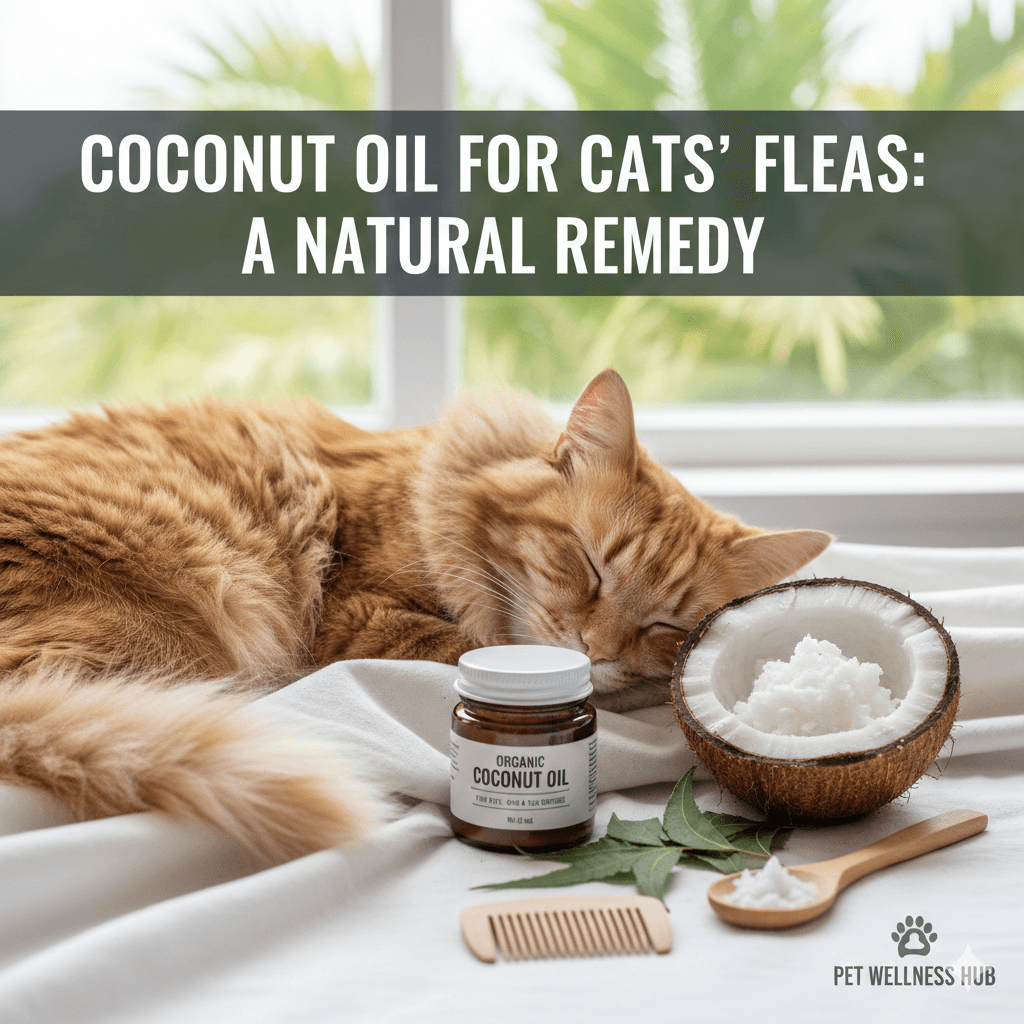
Coconut oil has gained popularity as a natural remedy for many pet concerns—including pesky fleas on cats. While not a miracle cure, this gentle oil may offer soothing relief and mild repellent properties when used correctly. However, understanding its limits, safety, and proper application is essential to protect your feline friend. Whether you’re seeking a chemical-free option or just curious about holistic care, these expert-backed insights will help you make informed, safe choices for your cat’s comfort and health.
How Coconut Oil May Help with Cat Fleas
Coconut oil contains lauric acid, a natural compound believed to have mild insect-repelling and skin-soothing effects. While it won’t eliminate a severe infestation alone, it can play a supportive role in flea management—especially for cats sensitive to commercial treatments. Here’s how it may benefit your cat:
- Natural Flea Repellent Properties:
Lauric acid in coconut oil may deter fleas from biting or settling on your cat’s skin, though effectiveness is limited compared to vet-approved preventives. - Soothes Itchy, Irritated Skin:
Flea bites often cause redness and scratching; coconut oil’s moisturizing effect can calm inflammation and support skin healing. - Helps Remove Flea Debris and Eggs:
When gently massaged into the coat, the oil can loosen flea dirt and eggs, making them easier to comb out with a fine-toothed flea comb. - Non-Toxic When Used Topically:
Unlike some essential oils, pure coconut oil is generally safe for external use on cats—though ingestion in large amounts should be avoided. - Supports Coat Health:
Regular, light application may improve fur shine and reduce dryness, creating a less hospitable environment for parasites.
While coconut oil offers gentle support, it should never replace veterinary flea control in active or severe infestations.
Safety Considerations Before Using Coconut Oil on Cats
Cats are notoriously sensitive to topical and ingested substances, so caution is essential—even with “natural” products like coconut oil. Always prioritize your cat’s safety by understanding these key guidelines:
- Use Only Virgin, Unrefined Coconut Oil:
Avoid products with added fragrances, flavors, or preservatives, which can be toxic or irritating to cats. - Patch Test First:
Apply a pea-sized amount to a small area (like the shoulder) and wait 24 hours to check for redness, itching, or allergic reaction. - Limit Licking Exposure:
Cats groom constantly—excessive ingestion of coconut oil can cause diarrhea, vomiting, or pancreatitis due to its high fat content. - Avoid Use on Kittens or Sick Cats:
Very young, elderly, or medically compromised cats have weaker metabolisms and should only receive treatments approved by a vet. - Never Combine with Essential Oils:
Many “flea blends” mix coconut oil with tea tree, eucalyptus, or citrus oils—these are highly toxic to cats and must be avoided.
When in doubt, consult your veterinarian before introducing any new topical treatment, even if it’s labeled “natural.”
Check this guide 👉Dog Fleas vs Cat Fleas: Best 7 Health Tips!
Check this guide 👉Can Fleas Kill a Cat? Best 7 Health Tips!
Check this guide 👉How Many Fleas Can Live on a Cat? Best 7 Expert Tips!
Potential Benefits | Important Limitations |
|---|---|
Soothes flea bite irritation | Not a standalone flea killer |
Mild repellent effect from lauric acid | Short-lasting protection (hours, not days) |
Safe for most adult cats when used sparingly | Can cause GI upset if licked excessively |
Improves coat condition over time | Ineffective against flea eggs or larvae in environment |
Easy to apply at home | Requires daily reapplication for minimal effect |
Step-by-Step Application Guide for Flea Relief
If you decide to try coconut oil for flea-related discomfort, proper application maximizes benefits while minimizing risks. Follow this gentle, cat-friendly method:
- Start with a Flea Comb:
Before applying oil, thoroughly comb your cat’s fur with a metal flea comb to remove as many fleas, eggs, and debris as possible. - Warm a Small Amount of Oil:
Rub a dime- to quarter-sized amount (depending on cat size) between your palms to melt it—never apply cold or solid oil directly. - Apply Sparingly to Affected Areas:
Focus on the neck, base of the tail, and belly—common flea hotspots—but avoid eyes, ears, and open sores. Use your fingertips to massage lightly. - Distract During Application:
Offer a treat or toy afterward to reduce immediate licking, giving the oil time to absorb into the skin. - Repeat Only as Needed:
Apply every 2–3 days for symptom relief, not daily—overuse can lead to greasy fur, clogged pores, or digestive upset from grooming.
This method supports comfort but should always be paired with environmental flea control (washing bedding, vacuuming, treating your home).
What Coconut Oil Can’t Do (And What to Use Instead)
It’s important to manage expectations: coconut oil is not a reliable flea treatment for active infestations. Understanding its limits helps you choose more effective solutions when needed:
- Won’t Kill Adult Fleas Quickly:
Unlike prescription spot-ons (e.g., selamectin) or oral medications (e.g., nitenpyram), coconut oil doesn’t provide rapid flea elimination. - Doesn’t Break the Flea Life Cycle:
Fleas lay eggs in your home—coconut oil on your cat does nothing to stop eggs from hatching or larvae from developing in carpets. - Not a Preventive for High-Risk Cats:
Outdoor cats or those in multi-pet homes need consistent, vet-recommended preventives to avoid reinfestation. - Offers No Protection Against Ticks or Mites:
Coconut oil has no proven efficacy against other parasites, which may require separate treatments. - May Delay Effective Care:
Relying solely on coconut oil during a severe infestation can allow anemia or flea allergy dermatitis to develop, especially in small cats.
For real protection, pair gentle home care with veterinarian-approved flea control tailored to your cat’s age, weight, and lifestyle.
Environmental Flea Control: Treating Your Home and Cat Together
Fleas spend over 90% of their life off your cat—in carpets, bedding, and furniture. Effective management requires a two-pronged approach: treat your cat and clean your environment:
- Wash All Bedding Weekly:
Use hot water (at least 130°F/54°C) to kill eggs and larvae in your cat’s favorite napping spots. - Vacuum Daily During Infestations:
Focus on baseboards, under furniture, and pet zones—dispose of the vacuum bag or contents immediately outside. - Use Pet-Safe Environmental Sprays:
Choose non-toxic sprays containing insect growth regulators (IGRs) like methoprene to stop eggs from maturing. - Consider Diatomaceous Earth (Food-Grade Only):
Sprinkle lightly in cracks and crevices (never where cats inhale it), then vacuum after 24–48 hours—effective but must be used cautiously. - Treat All Pets in the Household:
Even indoor-only cats can get fleas from dogs or humans—every animal needs appropriate flea control to break the cycle.
Without environmental treatment, fleas will keep returning no matter how much coconut oil you apply.
When to Skip Home Remedies and Call the Vet
While mild itching might respond to coconut oil, some signs signal a serious problem requiring professional care. Don’t wait if you notice:
- Excessive Scratching or Hair Loss:
This could indicate flea allergy dermatitis—a condition needing anti-inflammatory medication. - Pale Gums or Lethargy:
In kittens or small cats, heavy flea infestations can cause life-threatening anemia from blood loss. - Open Sores or Skin Infections:
Broken skin from scratching may become infected, requiring antibiotics or medicated shampoos. - No Improvement After 3–4 Days:
If fleas persist despite combing and home care, your cat likely needs a prescription-strength treatment. - History of Adverse Reactions:
If your cat has sensitive skin or chronic conditions, always consult your vet before trying any new remedy.
Your veterinarian can recommend safe, fast-acting options that protect your cat without risking side effects.
Integrating Coconut Oil Safely into Your Cat’s Flea Care Routine
Using coconut oil as part of a broader flea management plan can be both gentle and effective—if done thoughtfully. The goal is to enhance your cat’s comfort without compromising safety or delaying proven treatments. Keep these practical, vet-informed tips in mind to strike the right balance:
- Use Only After Confirming No Allergies:
Even natural products can cause reactions—always perform a 24-hour patch test before full application. - Apply After Bathing or Combing:
Clean, dry skin absorbs oil better, and combing first removes live fleas, making the oil more effective for residual relief. - Avoid the Face and Sensitive Areas:
Never apply near eyes, ears, or genitals; focus on the neck (below the chin), back, and base of the tail where fleas cluster. - Pair with a Vet-Approved Flea Preventive:
Use coconut oil only as a supplement—not a substitute—for monthly preventives that actually break the flea life cycle. - Monitor for Greasiness or Overgrooming:
If your cat’s fur looks oily or they’re licking obsessively, reduce frequency or discontinue use to prevent digestive upset.
Used wisely, coconut oil can be a soothing addition to your flea-fighting toolkit—but always let your cat’s well-being, not trends, guide your choices.
“Coconut oil can help repel fleas but is not as effective as veterinary-recommended flea treatments for completely eliminating them from your pet and home.”
Frequently Asked Questions About Coconut Oil for Cat Fleas
Can I use coconut oil instead of flea medicine?
No—it may offer mild relief but lacks the potency to eliminate or prevent infestations like vet-approved flea treatments do.
Is coconut oil safe if my cat licks it?
In very small amounts, yes—but large ingestions can cause diarrhea, vomiting, or pancreatitis due to high fat content.
How often can I apply coconut oil for fleas?
No more than every 2–3 days, and only to small areas; daily use increases the risk of digestive upset and greasy skin.
Does coconut oil kill flea eggs on my cat?
It may help loosen them for combing, but it does not kill eggs or larvae—environmental control is essential.
Can I mix coconut oil with other natural oils for better results?
Never mix it with essential oils like tea tree, lavender, or citrus—these are toxic to cats even in tiny amounts.
Gentle Care, Smart Choices for a Flea-Free Cat
Coconut oil can be a kind, supportive tool in your cat’s flea care toolkit—offering comfort to irritated skin and a small barrier against biting pests. But true protection comes from combining compassionate home care with science-backed solutions. By understanding both the possibilities and limits of natural remedies, you honor your cat’s well-being without compromising safety. Remember: your feline friend relies on you to make wise, informed choices. With the right balance of prevention, vigilance, and veterinary partnership, you can keep your cat not just flea-free, but happy, healthy, and thriving in a clean, peaceful home.

Is Rawhide Bad for Cats? Best 7 Expert Tips! – Discover the risks, safe alternatives, and expert advice to keep your feline friend healthy and happy.

Is Rawhide Bad for Dogs? Best 7 Expert Tips! – Discover the risks, benefits, and safer alternatives to rawhides for your dog’s chewing needs.

Understanding Anorexia in Cats: Best 7 Expert Tips! – Learn why cats stop eating, spot warning signs, and discover how to help your feline regain appetite safely.

Understanding Anorexia in Dogs: Best 7 Expert Tips! – Learn causes, symptoms, and solutions to help your dog regain appetite and stay healthy.