
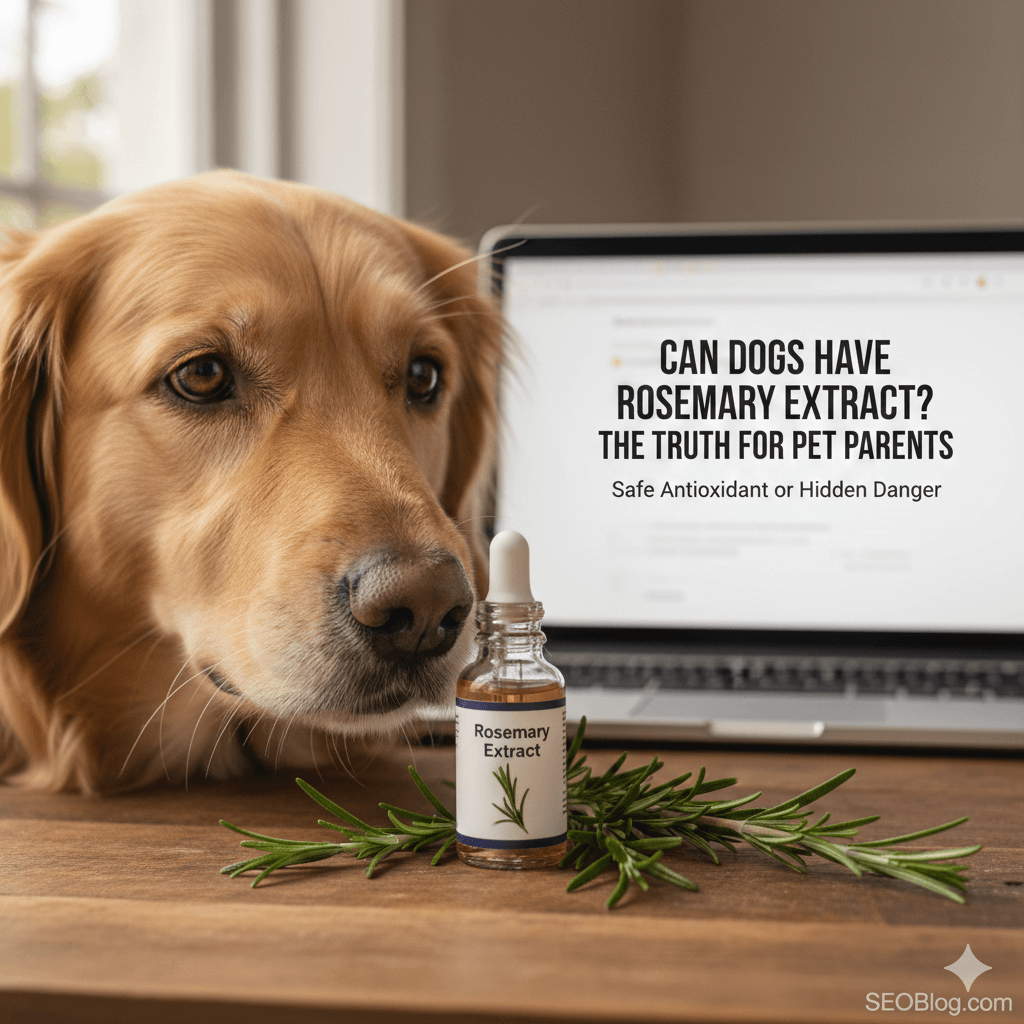

Can Dogs Have Rosemary Extract: Best 7 Expert Tips!
Wondering if rosemary extract is safe for your dog? This fragrant herb is common in foods and supplements—but its concentrated form raises valid concerns. While small amounts may offer antioxidant benefits, dosage, form, and your dog’s health status matter greatly. Understanding how and when rosemary extract can be used safely helps you make informed choices for your furry companion. Below, we break down everything you need to know with vet-backed insights and practical guidance.
Is Rosemary Extract Safe for Dogs?
Rosemary extract is generally recognized as safe for dogs in very small, food-grade amounts—often used as a natural preservative in commercial pet foods. However, concentrated forms (like essential oils or supplements) can pose risks. The key lies in concentration, quantity, and the individual dog’s sensitivity. Always consult your veterinarian before introducing any herbal extract into your dog’s diet or care routine.
- Common Use in Pet Food:
Many high-quality kibble brands include rosemary extract as a natural antioxidant to extend shelf life without synthetic additives. - Potential Antioxidant Benefits:
In trace amounts, it may help combat oxidative stress and support cellular health due to compounds like carnosic acid. - Low Toxicity in Diluted Forms:
When used as directed in dog-safe products, it rarely causes issues in healthy dogs. - Not a Medicinal Treatment:
Despite wellness claims, there’s no strong evidence it treats diseases like cancer or seizures in dogs. - Risk of Overuse:
High doses—especially from supplements or oils—can lead to gastrointestinal upset or neurological symptoms.
While occasional exposure through food is typically harmless, intentional supplementation should never be done without veterinary approval.
Potential Risks and Side Effects to Watch For
Even natural ingredients can cause harm if misused. Rosemary extract, particularly in essential oil form, contains potent compounds that may overwhelm a dog’s system. Smaller breeds, puppies, seniors, or dogs with liver conditions are especially vulnerable.
- Gastrointestinal Distress:
Vomiting, diarrhea, or loss of appetite may occur if your dog ingests too much rosemary extract. - Neurological Reactions:
In rare cases, high concentrations (especially from essential oils) can trigger tremors, seizures, or ataxia. - Skin Irritation:
Topical products with rosemary oil may cause redness, itching, or allergic reactions in sensitive dogs. - Liver Stress:
The liver metabolizes herbal compounds; excessive amounts could strain this organ over time. - Drug Interactions:
Rosemary may interact with anticoagulants, anticonvulsants, or other medications your dog is already taking.
If your dog shows any unusual symptoms after exposure, discontinue use and contact your vet immediately.
Check this guide 👉Can Dogs Have Soybean Oil? Best 7 Expert Tips!
Check this guide 👉Can Dogs Have Barbecue Sauce? Best 7 Expert Tips!
Check this guide 👉Can Dogs Have Mac and Cheese? Best 7 Expert Tips!
Safe Usage Guidelines | Warning Signs to Avoid |
|---|---|
Use only food-grade rosemary extract in tiny amounts | Never use undiluted essential oil orally |
Choose dog foods that list it as a minor preservative | Avoid homemade supplements without vet guidance |
Prefer whole rosemary (dried leaf) over extracts when possible | Watch for vomiting or lethargy after new products |
Consult your vet before use in pregnant or epileptic dogs | Don’t apply rosemary oil directly to skin or fur |
Stick to products formulated specifically for dogs | Discontinue use if stool becomes loose or behavior changes |
Benefits of Rosemary in Moderation
When used responsibly, rosemary—especially in its whole or culinary form—offers subtle health perks. Its antioxidant and antimicrobial properties have made it a staple in natural pet care for decades, though benefits are mostly preventative rather than curative.
- Natural Food Preservative:
Helps prevent rancidity in fats without artificial additives like BHA or BHT. - Antimicrobial Properties:
May support oral health when included in dental chews or water additives (in safe concentrations). - Anti-Inflammatory Potential:
Lab studies suggest rosemary compounds can reduce inflammation, though clinical evidence in dogs is limited. - Flea-Repellent Scent (Mild):
Some natural flea sprays include diluted rosemary for its gentle deterrent effect—never as a standalone solution. - Aromatic Enrichment:
A pinch of dried rosemary in homemade dog treats can enhance flavor without sugar or salt.
Remember: “natural” doesn’t always mean “safe in any amount.” Moderation and professional guidance are essential.
How to Identify Rosemary Extract in Dog Products
Rosemary extract often appears in ingredient lists under various names. Knowing how to spot it helps you make informed purchasing decisions and avoid accidental overexposure.
- Label Terminology:
Look for “rosemary extract,” “rosemary oil (as a preservative),” or “natural flavor (from rosemary).” - Position in Ingredients:
If listed near the end, it’s likely used in trace amounts as a preservative—generally safe. - In Treats and Chews:
Some dental or antioxidant-boosted treats include it; check dosage if your dog consumes them daily. - In Shampoos or Sprays:
May be included for scent or mild antimicrobial effect—ensure it’s diluted and rinse thoroughly. - In Homemade Recipes:
Online DIY dog food or treat guides sometimes call for rosemary extract; always verify safety with your vet first.
When in doubt, contact the manufacturer to ask about concentration and sourcing.
Special Considerations for At-Risk Dogs
Not all dogs tolerate herbal ingredients equally. Certain health conditions or life stages increase susceptibility to adverse effects, making caution non-negotiable.
- Epileptic or Seizure-Prone Dogs:
Rosemary may lower the seizure threshold; most neurologists advise complete avoidance. - Puppies Under 6 Months:
Immature liver and kidney function make them less able to process herbal compounds safely. - Dogs with Liver Disease:
Any substance metabolized by the liver should be minimized or eliminated unless approved by a vet. - Small or Toy Breeds:
Their low body mass means even small doses can have disproportionate effects. - Pregnant or Nursing Dogs:
Safety data is lacking; it’s best to avoid all herbal extracts during gestation and lactation.
For these groups, even “safe” ingredients warrant extra scrutiny—always prioritize medical advice over wellness trends.
Safe Alternatives and Vet-Approved Options
If you’re seeking natural preservatives, antioxidants, or flavor enhancers for your dog, several safer alternatives exist—especially for dogs with sensitivities.
- Vitamin E (Mixed Tocopherols):
A common natural preservative in premium pet foods with proven safety and antioxidant benefits. - Plain Dried Rosemary (Culinary Grade):
A tiny pinch of the dried herb is far less concentrated than extract and generally well-tolerated. - Pumpkin or Blueberries:
Offer natural antioxidants through whole foods instead of extracts or supplements. - Veterinary-Formulated Supplements:
Choose products tested for purity, dosage, and species-specific safety (e.g., VetriScience, Zesty Paws). - Water-Only Dental Rinses:
Skip essential-oil-based oral sprays; opt for enzymatic or plain water-based dental hygiene.
Your vet can help you select products that align with your dog’s unique health profile.
Practical Tips for Introducing Rosemary Extract Safely
If you’ve decided—under veterinary guidance—to introduce rosemary extract into your dog’s routine, doing so thoughtfully and gradually minimizes risk and maximizes safety. These practical steps help ensure a smooth, well-monitored experience tailored to your dog’s unique needs.
- Start with the Smallest Possible Dose:
Begin with a fraction of the suggested amount (e.g., a single drop in food) to test tolerance before increasing. - Use Only Food-Grade Extract:
Never use essential oils or cosmetic-grade rosemary—only products labeled for internal, edible use in animals. - Mix with Familiar Food:
Blend the extract into a meal your dog already enjoys to mask strong flavors and reduce rejection or stomach upset. - Observe for 48 Hours:
Watch closely for changes in behavior, digestion, or energy after the first dose before repeating. - Keep a Daily Log:
Record dosage, timing, and any symptoms to share with your vet during follow-ups or if concerns arise.
Introducing any supplement slowly and systematically turns uncertainty into confidence—and keeps your dog’s well-being front and center.
“Rosemary in the dry or fresh herb form is not toxic to dogs. The essential oil and extract are relatively safe, but the saying that ‘the dosage makes the poison’ is true in this case.”
Frequently Asked Questions About Rosemary Extract and Dogs
Is rosemary extract the same as rosemary essential oil?
No—extract is typically alcohol-based and used in food; essential oil is highly concentrated and not safe for dogs without professional dilution and guidance.
Can rosemary extract cause seizures in dogs?
It may lower the seizure threshold, especially in predisposed dogs. Many veterinary neurologists recommend avoiding it entirely in epileptic pets.
Is it okay if my dog’s food contains rosemary extract?
Yes—in the tiny amounts used as preservatives (usually <0.1%), it’s considered safe by AAFCO and widely used in reputable brands.
Can I add rosemary to my homemade dog treats?
A small pinch of dried culinary rosemary is generally safe; avoid using liquid extract or essential oil unless your vet approves.
What should I do if my dog licks rosemary essential oil?
Contact your vet or a pet poison control center immediately—even small amounts can be toxic.
Making Informed, Loving Choices for Your Dog
As devoted pet parents, we naturally seek natural, wholesome ways to support our dogs’ health—but “natural” doesn’t always equal “safe.” Rosemary extract sits in a gray zone: beneficial in trace amounts as a food preservative, yet risky in concentrated forms. By prioritizing transparency, moderation, and professional guidance, you protect your dog from hidden hazards while still embracing clean, thoughtful care. Always remember: your vet is your best ally in navigating the complex world of pet nutrition and wellness. When in doubt, choose caution—and let love lead your decisions.
Is Rawhide Bad for Cats? Best 7 Expert Tips! – Discover the risks, safe alternatives, and expert advice to keep your feline friend healthy and happy.

Is Rawhide Bad for Dogs? Best 7 Expert Tips! – Discover the risks, benefits, and safer alternatives to rawhides for your dog’s chewing needs.

Understanding Anorexia in Cats: Best 7 Expert Tips! – Learn why cats stop eating, spot warning signs, and discover how to help your feline regain appetite safely.

Understanding Anorexia in Dogs: Best 7 Expert Tips! – Learn causes, symptoms, and solutions to help your dog regain appetite and stay healthy.