
Understanding Dog Neurosurgeon: Best 7 Expert Tips!
When your dog shows signs of back pain, wobbliness, or sudden paralysis, a veterinary neurosurgeon may be their best hope for recovery. These highly trained specialists diagnose and treat complex conditions affecting the brain, spine, and nerves. While general vets provide excellent care, neurological issues often demand advanced imaging, surgical precision, and post-op rehabilitation only a dog neurosurgeon can offer. Early intervention can mean the difference between full mobility and permanent disability. Knowing when and how to seek this specialized care is crucial for your pet’s future quality of life.
Common Neurological Conditions Requiring a Specialist
Not every head tilt or stumble calls for surgery—but some conditions demand the expertise of a veterinary neurosurgeon. These disorders often involve structural damage or progressive nerve compression that won’t improve with medication alone. Early recognition leads to faster intervention and better outcomes:
- Intervertebral Disc Disease (IVDD):
A common cause of pain or paralysis in breeds like Dachshunds and French Bulldogs, IVDD occurs when spinal discs bulge or rupture into the spinal canal. - Spinal Trauma from Injury:
Falls, car accidents, or rough play can fracture vertebrae or compress the spinal cord, requiring emergency stabilization or decompression surgery. - Brain or Spinal Tumors:
Both benign and malignant growths may press on neural tissue, causing seizures, weakness, or behavioral changes that need surgical evaluation. - Chiari-Like Malformation & Syringomyelia:
Especially prevalent in Cavalier King Charles Spaniels, this condition involves skull malformation leading to fluid-filled cavities in the spinal cord. - Lumbosacral Stenosis:
Narrowing of the spinal canal near the pelvis causes hind-end weakness, incontinence, or tail paralysis—often treatable with surgical decompression.
Timely referral to a dog neurosurgeon can halt progression and restore neurological function before irreversible damage occurs.
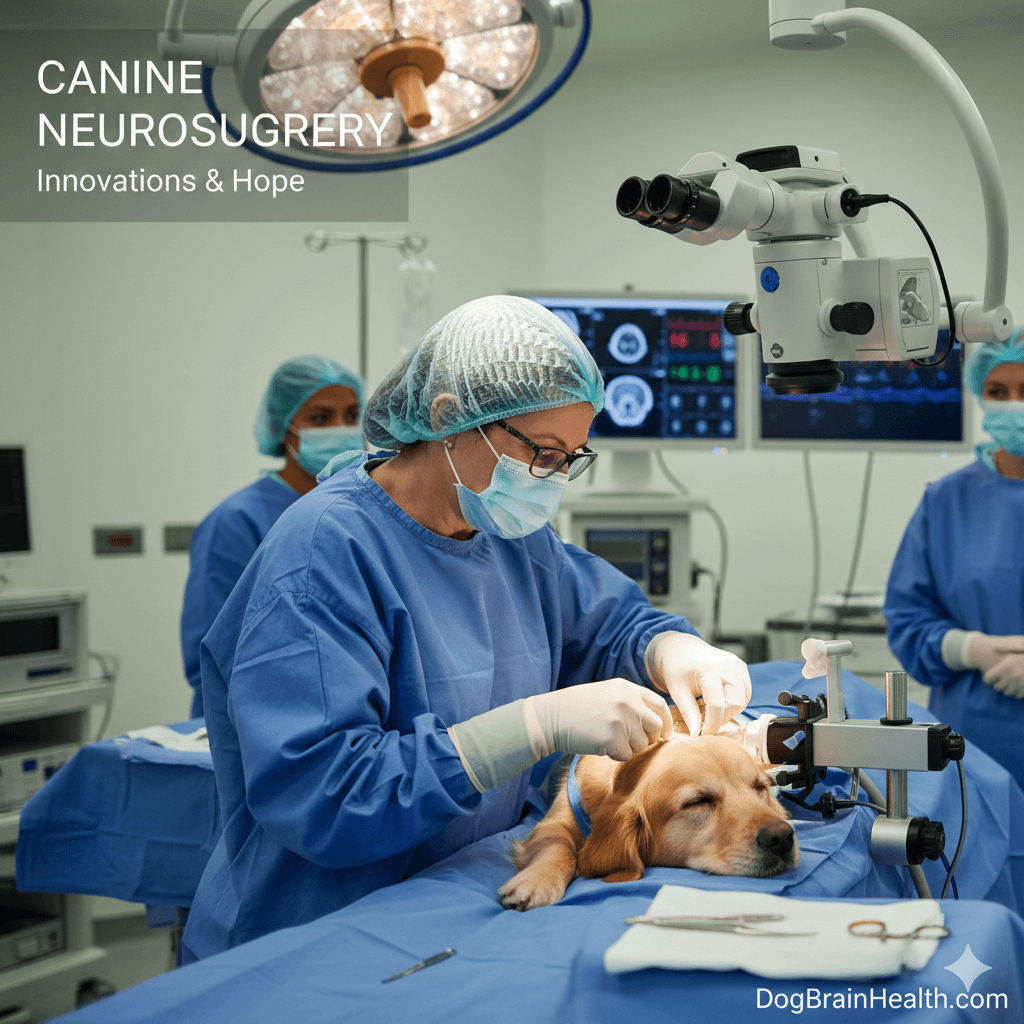
Signs Your Dog May Need a Neurosurgical Consult
Neurological symptoms can be subtle at first but escalate quickly. Pet owners often mistake early signs for aging or arthritis. However, specific red flags suggest a deeper issue requiring imaging and possible surgery:
- Sudden Inability to Walk or Stand:
Dragging hind legs, crossing limbs, or collapsing without pain elsewhere may indicate spinal cord compression. - Persistent Neck or Back Pain:
Whining when lifted, reluctance to lower the head to eat, or arching the back are strong indicators of nerve irritation. - Loss of Bladder or Bowel Control:
Incontinence combined with wobbliness is a medical emergency—often signaling cauda equina syndrome or severe IVDD. - Abnormal Eye Movements or Head Tilt:
Nystagmus (darting eyes) or a constant head tilt may point to brainstem or inner ear involvement needing advanced diagnostics. - Seizures with Focal Weakness:
If seizures are followed by temporary paralysis on one side, a structural brain lesion like a tumor may be present.
Don’t wait for symptoms to “get worse”—early imaging (MRI or CT) guided by a neurosurgeon offers the clearet path to recovery.
Check this guide 👉Dog Brain Tumor Symptoms: Best 7 Expert Tips!
Check this guide 👉Dog Brain vs Human Brain: Best 7 Expert Tips!
Check this guide 👉Signs of Brain Tumor in Dogs: Best 7 Health Tips!
When to Suspect a Neurological Issue | What a Dog Neurosurgeon Can Offer |
|---|---|
Dragging back paws or knuckling | Advanced MRI/CT diagnostics |
Pain when touched near spine | Minimally invasive spinal surgery |
Rapid decline in coordination | Tumor removal or decompression |
Post-seizure weakness | Customized rehabilitation plans |
Breed predisposition (e.g., Dachshund, Doberman) | Genetic counseling & preventive monitoring |
How to Find a Qualified Veterinary Neurosurgeon
Not all veterinary hospitals have neurosurgical capabilities. Board-certified specialists undergo years of additional training beyond vet school. Knowing how to locate and evaluate a qualified professional ensures your dog gets gold-standard care:
- Look for DACVIM (Neurology) Certification:
This designation means the vet is a Diplomate of the American College of Veterinary Internal Medicine with a neurology focus. - Ask Your Primary Vet for a Referral:
Most general practitioners have trusted neurology partners and can expedite imaging or transport arrangements. - Check University Veterinary Hospitals:
Teaching hospitals often house cutting-edge neurology departments with access to clinical trials and advanced equipment. - Verify Equipment Availability:
Ensure the facility offers MRI or CT—X-rays alone cannot diagnose most spinal cord or brain conditions. - Inquire About Post-Op Rehab Services:
Recovery often requires physical therapy; integrated neuro-rehab programs significantly improve long-term outcomes.
The right specialist combines technical skill with compassionate communication—making a stressful process more manageable for you and your dog.
What to Expect During a Neurosurgical Workup
A visit to a dog neurosurgeon is thorough and methodical. The goal is to pinpoint the exact location and cause of the problem before deciding on treatment. Here’s how the process typically unfolds:
- Detailed Neurological Exam:
The specialist tests reflexes, proprioception (paw placement), cranial nerves, and gait to localize the lesion. - Advanced Imaging Under Anesthesia:
MRI is the gold standard for soft tissue (brain/spinal cord); CT is better for bone detail—both require full sedation. - Discussion of Treatment Options:
Surgery isn’t always needed; some cases respond to steroids, rest, or pain management, but the neurosurgeon will explain all paths. - Surgical Planning (If Needed):
Procedures like hemilaminectomy (removing disc material) or ventral slot surgery are precisely mapped using 3D imaging. - Post-Op Hospitalization:
Most dogs stay 1–3 nights for pain control, bladder management, and monitoring for complications like swelling or infection.
Transparency and collaboration are hallmarks of good neurosurgical care—you’ll always understand the “why” behind each step.
Recovery and Rehabilitation After Neurosurgery
Surgery is just the beginning. The weeks following neurosurgery are critical for healing nerves and rebuilding strength. A structured rehab plan dramatically improves your dog’s chance of walking again:
- Strict Rest for 4–6 Weeks:
No jumping, stairs, or off-leash activity—even if your dog seems better, premature movement can undo surgical repair. - Assisted Mobility Devices:
Harnesses, slings, or wheelchairs may be needed temporarily to support movement without strain. - Physical Therapy Exercises:
Passive range-of-motion, balance training, and hydrotherapy stimulate nerve regrowth and prevent muscle atrophy. - Pain and Inflammation Management:
Medications like gabapentin or NSAIDs are carefully tapered to keep your dog comfortable without masking warning signs. - Bladder Care for Paralyzed Dogs:
Manual expression every 6–8 hours prevents urinary tract infections and kidney stress during recovery.
Patience and consistency turn surgical success into lasting functional recovery—many dogs regain near-normal mobility with proper support.
Preventing Neurological Emergencies in At-Risk Breeds
While not all neurological issues are preventable, proactive measures can reduce risk—especially in predisposed breeds. Prevention focuses on spine protection, early screening, and lifestyle adjustments:
- Use Harnesses Instead of Collars:
Avoid neck strain in breeds prone to cervical disc disease (e.g., Pekingese, Shih Tzu) by using chest-led harnesses. - Limit High-Impact Activities:
Discourage jumping on furniture or rough play in chondrodystrophic breeds (short legs, long backs). - Maintain Healthy Weight:
Excess pounds increase pressure on spinal discs and accelerate degeneration—keep your dog lean and strong. - Schedule Early Neurological Screenings:
For high-risk dogs, baseline exams at 1–2 years old can catch issues before symptoms appear. - Ramp Access for Cars and Beds:
Reduce spinal torque by providing gradual inclines instead of sudden drops or climbs.
Smart daily choices build a foundation for lifelong neurological health—even in genetically vulnerable dogs.
Key Questions to Ask Before Choosing a Dog Neurosurgeon
Selecting the right neurosurgeon is a critical decision that impacts your dog’s prognosis and quality of life. Come prepared with thoughtful questions to ensure you’re entrusting your pet to a skilled, communicative, and compassionate specialist.
- How many similar procedures have you performed?
Experience matters—especially with complex surgeries like spinal decompression or brain tumor removal. - What imaging technology do you use?
Confirm they have access to high-field MRI or CT, as image quality directly affects surgical planning. - What is your success rate for this specific condition?
Outcomes vary by diagnosis; ask for realistic expectations based on your dog’s age, breed, and symptom duration. - Do you offer integrated rehabilitation services?
Seamless coordination between surgery and physical therapy improves recovery speed and long-term function. - What support do you provide for pet parents during recovery?
Look for clinics that offer 24/7 post-op advice, nursing check-ins, or virtual follow-ups to ease your anxiety.
Asking these questions doesn’t just inform your choice—it builds a partnership focused on your dog’s best possible outcome.
“Of all dogs that have surgery after developing IVDD, about 2% will develop a fatal condition called myelomalacia. Around 10–15% of dogs that have lost the ability to move or feel their legs will develop this condition after surgery.”
Frequently Asked Questions About Dog Neurosurgeons
What’s the difference between a vet neurologist and a neurosurgeon?
In veterinary medicine, board-certified neurologists are also trained surgeons—they diagnose and operate, unlike human medicine where roles are often split.
How much does dog neurosurgery cost?
Costs range from $3,000 to $8,000+, including MRI, surgery, and hospitalization—pet insurance or payment plans can ease the burden.
Is MRI always necessary?
Yes—for accurate diagnosis of spinal cord or brain issues, MRI is essential; X-rays miss soft tissue compression completely.
Can older dogs undergo neurosurgery?
Age alone isn’t a barrier—many seniors do well if otherwise healthy. The neurosurgeon assesses organ function and frailty risk first.
How long until my dog walks again after surgery?
Some dogs walk within days; others take weeks or months. Nerve healing is slow, but consistent rehab boosts recovery odds significantly.
Giving Your Dog the Best Chance at Full Recovery
Facing a neurological diagnosis is overwhelming—but thanks to advances in veterinary neurosurgery, many dogs once deemed “hopeless” now walk, play, and live fully again. The journey requires trust, resources, and resilience, but the reward is watching your companion reclaim their joy and mobility. By acting swiftly, choosing skilled specialists, and committing to aftercare, you become your dog’s greatest advocate in their time of need. Remember: behind every successful recovery is an owner who refused to give up—and a neurosurgeon who turned possibility into reality. Your love, paired with expert care, lights the path forward.

Is Rawhide Bad for Cats? Best 7 Expert Tips! – Discover the risks, safe alternatives, and expert advice to keep your feline friend healthy and happy.

Is Rawhide Bad for Dogs? Best 7 Expert Tips! – Discover the risks, benefits, and safer alternatives to rawhides for your dog’s chewing needs.

Understanding Anorexia in Cats: Best 7 Expert Tips! – Learn why cats stop eating, spot warning signs, and discover how to help your feline regain appetite safely.

Understanding Anorexia in Dogs: Best 7 Expert Tips! – Learn causes, symptoms, and solutions to help your dog regain appetite and stay healthy.