
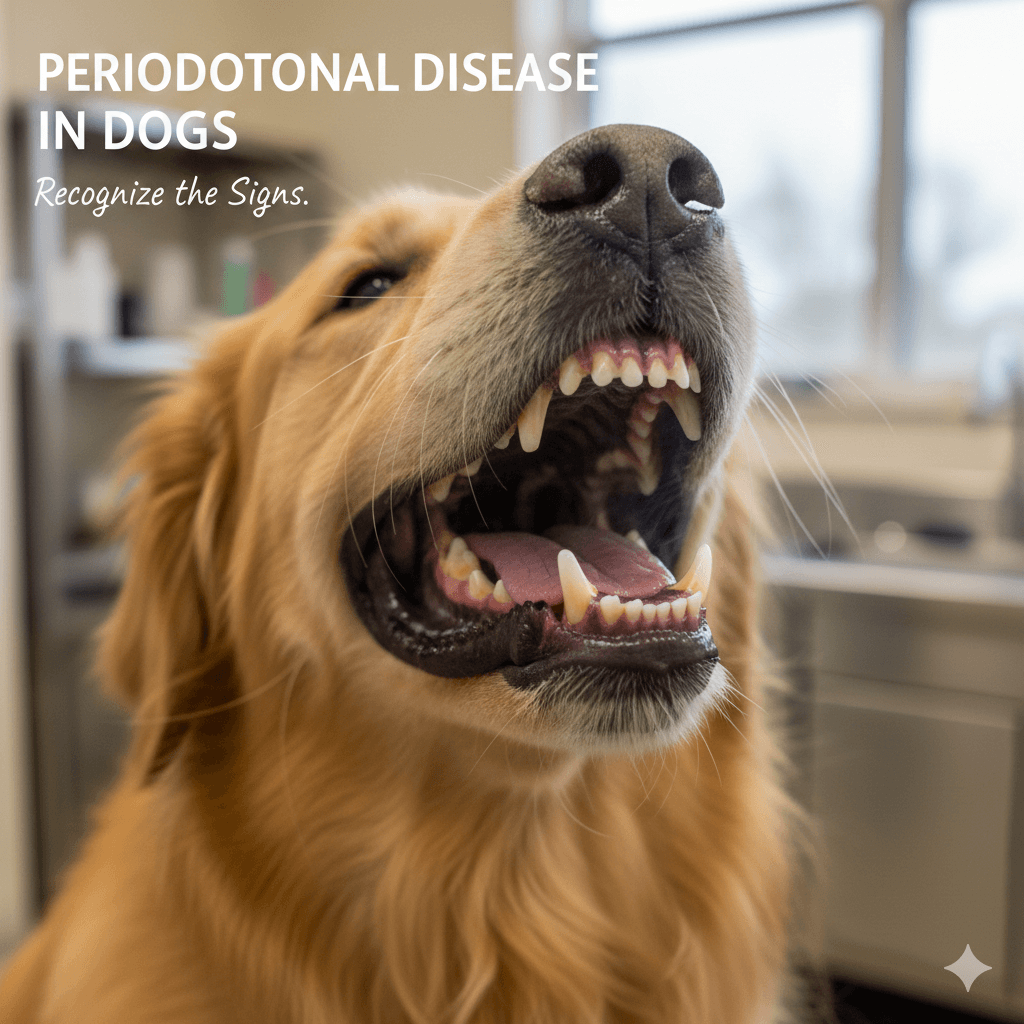

Periodontal Disease in Dogs: Best 7 Expert Tips!

Periodontal Disease in Dogs: Best 7 Expert Tips!

Understanding Periodontal Disease in Dogs

Periodontal disease is one of the most common yet often overlooked health issues affecting dogs worldwide. Starting with plaque buildup and progressing to painful gum inflammation, tooth loss, and even organ damage, it silently impacts your dog’s quality of life. Many pet parents mistake bad breath or slight drooling as normal—but these are early red flags. With timely care and preventive habits, this condition is largely manageable. Here’s what every dog owner should know to protect their pet’s oral and overall health.

Origins and Progression of Periodontal Disease

Periodontal disease in dogs doesn’t appear overnight—it develops in stages, beginning with bacterial plaque and escalating if ignored. Understanding how it evolves helps you intervene before irreversible damage occurs:

 
  • Plaque Formation:
    Within hours after eating, bacteria mix with saliva and food particles to form a sticky film on teeth, especially near the gumline.
     
  • Tartar Buildup:
    If not removed, plaque hardens into yellow-brown tartar within days, which cannot be brushed away and irritates the gums.
     
  • Gingivitis Onset:
    Inflamed, red, or bleeding gums signal the first reversible stage of periodontal disease—often accompanied by persistent bad breath.
     
  • Periodontitis Development:
    As infection spreads below the gumline, ligaments and bone supporting teeth begin to break down, causing loose teeth.
     
  • Systemic Complications:
    Bacteria from infected gums can enter the bloodstream, potentially harming the heart, kidneys, or liver over time.
 

Early detection and consistent dental care can halt this progression—often before your dog shows obvious discomfort.

Periodontal Disease in Dogs: Best 7 Expert Tips!

Distinctive Warning Signs to Watch For

Dogs are masters at hiding pain, so subtle behavioral shifts may be your only clue. Recognizing these symptoms early allows for prompt treatment and preserves your dog’s comfort:

 
  • Persistent Bad Breath:
    Foul or unusually strong odor from the mouth is often the first noticeable sign of gum disease.
     
  • Difficulty Chewing or Dropping Food:
    Your dog may hesitate to eat kibble, chew only on one side, or drop food due to sore gums or loose teeth.
     
  • Excessive Drooling or Pawing at Mouth:
    Increased saliva or repeated pawing/rubbing of the face can indicate oral pain or irritation.
     
  • Red, Swollen, or Bleeding Gums:
    Healthy gums are pink and firm; inflamed tissue appears bright red, puffy, or may bleed during brushing.
     
  • Visible Tartar or Receding Gums:
    Brown crust along the gumline or teeth appearing longer than usual suggests advanced disease and bone loss.
 

If you notice any of these signs, schedule a dental checkup—many dogs feel dramatically better after professional cleaning and care.

Early Indicators
Advanced Warning Signs
Mild bad breath
Severe halitosis
Slight gum redness
Bleeding or ulcerated gums
Minor tartar on back teeth
Heavy calculus covering most teeth
Occasional reluctance to chew hard treats
Refusing dry food entirely
Normal energy and behavior
Lethargy, weight loss, or irritability

Professional Diagnosis and Veterinary Dental Care

Veterinarians use thorough exams and imaging to assess the true extent of periodontal disease—much of which lies beneath the gumline and is invisible to the naked eye:

 
  • Comprehensive Oral Exam Under Anesthesia:
    A full evaluation requires sedation to safely probe pockets, check tooth mobility, and take dental X-rays.
     
  • Dental Radiographs (X-rays):
    These reveal bone loss, abscesses, or root fractures that can’t be seen during a visual exam alone.
     
  • Professional Cleaning (Scaling and Polishing):
    Plaque and tartar are removed above and below the gumline, followed by polishing to slow future buildup.
     
  • Extractions When Necessary:
    Severely damaged or loose teeth are removed to eliminate infection sources and relieve pain.
     
  • Post-Procedure Care Plan:
    Vets often prescribe antibiotics, pain relief, and a soft diet for recovery, plus long-term home care instructions.
 

Regular professional cleanings—combined with daily home care—form the gold standard in preventing disease recurrence.

At-Home Dental Care Strategies

Daily maintenance at home is the single most effective way to prevent plaque from turning into destructive periodontal disease:

 
  • Daily Toothbrushing:
    Use a dog-specific toothbrush and enzymatic toothpaste; focus on the gumline where plaque forms fastest.
     
  • Dental Chews and Treats:
    Choose VOHC (Veterinary Oral Health Council)-approved products that mechanically scrub teeth or reduce plaque biofilm.
     
  • Oral Rinses or Water Additives:
    These can help reduce bacteria in saliva and freshen breath, especially for dogs resistant to brushing.
     
  • Dental Diets:
    Special kibble with larger, textured pieces encourages chewing that scrapes plaque off teeth during meals.
     
  • Regular Mouth Checks:
    Lift your dog’s lips weekly to inspect for redness, swelling, tartar, or odor—making it a calm, positive routine.
 

Consistency matters more than perfection; even brushing 3–4 times a week significantly slows disease progression.


Breeds Most at Risk and Why

Some dogs are genetically predisposed to dental issues due to jaw structure, tooth crowding, or saliva composition:

 
  • Toy and Small Breeds (e.g., Chihuahuas, Yorkies, Poodles):
    Their small mouths crowd teeth tightly, trapping food and accelerating plaque buildup.

     
  • Brachycephalic Breeds (e.g., Pugs, Bulldogs, Shih Tzus):
    Shortened jaws cause misaligned or rotated teeth, creating hard-to-clean crevices ideal for bacteria.

     
  • Sighthounds (e.g., Greyhounds, Whippets):
    Prone to thin enamel and rapid tartar accumulation, often developing severe disease by middle age.

     
  • Dogs with Retained Baby Teeth:
    If puppy teeth don’t fall out, adult teeth grow in crooked, doubling plaque traps—common in small breeds.

     
  • Senior Dogs of Any Breed:
    Aging weakens immune defenses in the mouth, making even previously healthy dogs vulnerable.
 

Owners of high-risk breeds should start dental care early and schedule vet checks at least annually.

Long-Term Health Impacts Beyond the Mouth

Periodontal disease isn’t just a dental problem—it’s a gateway to serious systemic illness if left unchecked:

 
  • Heart Disease Risk:
    Oral bacteria can attach to heart valves, potentially causing endocarditis or contributing to heart failure.
     
  • Kidney Dysfunction:
    Chronic inflammation and bacterial spread may impair kidney filtration over time, especially in older dogs.
     
  • Liver Inflammation:
    The liver processes toxins from infections, and persistent gum disease can strain this vital organ.
     
  • Worsened Diabetes Control:
    Inflammation from periodontal disease increases insulin resistance, making blood sugar harder to manage.
     
  • Chronic Pain and Reduced Quality of Life:
    Even without visible symptoms, dogs endure constant discomfort that affects eating, play, and mood.
 

Treating gum disease isn’t just about saving teeth—it’s about protecting your dog’s entire body and longevity.

Daily Dental Care Routine to Prevent Periodontal Disease

Integrating simple, consistent habits into your daily routine can dramatically reduce your dog’s risk of developing periodontal disease. Prevention doesn’t require expensive tools—just commitment and a little patience:

 
  • Brush Teeth Every Day (or Every Other Day):
    Use a soft-bristled dog toothbrush and enzymatic toothpaste; even 30 seconds per side makes a difference in plaque control.

     
  • Inspect Gums Weekly:
    Gently lift your dog’s lips to check for redness, swelling, bleeding, or tartar—early changes are easier to reverse.

     
  • Offer VOHC-Approved Dental Chews:
    These treats are scientifically proven to reduce plaque and tartar; give one daily as part of your oral health strategy.

     
  • Rinse with Oral Hygiene Solution:
    Add a vet-recommended water additive or apply a rinse directly to gums to suppress harmful bacteria between brushings.

     
  • Reward Cooperation, Not Resistance:
    Use praise and small treats after dental care to build positive associations—never force, as trust is key to long-term success.
 

Making oral care a calm, daily ritual not only protects your dog’s teeth but also strengthens your bond through gentle, consistent interaction.

Frequently Asked Questions About Periodontal Disease in Dogs

Is bad breath in dogs normal?

No—while mild odor can occur, persistent bad breath almost always indicates dental disease or infection.

No—scraping above the gumline doesn’t address hidden disease and can injure gums or enamel without proper training.

Most dogs need a professional cleaning every 1–2 years, but high-risk breeds may require annual or even biannual visits.

Despite popular belief, hard chews like antlers or cooked bones can fracture teeth and worsen oral trauma—avoid them.

Yes—many dogs thrive after extractions! A pain-free mouth and soft diet lead to better eating, energy, and happiness.

Protecting Your Dog’s Smile for a Healthier Life

Your dog’s mouth is a mirror of their overall health—and periodontal disease is far more than a cosmetic concern. By recognizing early signs, committing to daily care, and partnering with your veterinarian, you can prevent unnecessary pain and protect vital organs. A clean mouth means fresher breath, happier mealtimes, and more joyful years together. Remember, your dog relies on you to speak for their silent suffering; a little brushing today can spare them years of discomfort tomorrow. With love, vigilance, and the right routine, you’re not just caring for teeth—you’re safeguarding your best friend’s future.

Newfoundland Dog Personality: Best 7 Expert Tips!

Newfoundland Dog Personality: Best 7 Expert Tips! – Discover the gentle, loyal, and protective nature of this giant breed perfect for families.

Can Hot Pavement Burn Your Cats Paws? Best 7 Expert Tips!

Can Hot Pavement Burn Your Cats Paws? Best 7 Expert Tips! – Learn how to protect your cat’s paws from hot surfaces and prevent painful burns this summer.

Can Hot Pavement Burn Your Dogs Paws? Best 7 Expert Tips!

Can Hot Pavement Burn Your Dogs Paws? Best 7 Expert Tips! – Learn how to protect your dog’s paws from hot surfaces and ensure safe summer walks.

Irish Wolfhound Size: Best 7 Expert Tips!

Irish Wolfhound Size: Best 7 Expert Tips! – Discover the ideal height, weight, and care tips for this majestic giant breed. Learn how to manage their impressive stature responsibly.

Leave a Reply

Your email address will not be published. Required fields are marked *


