
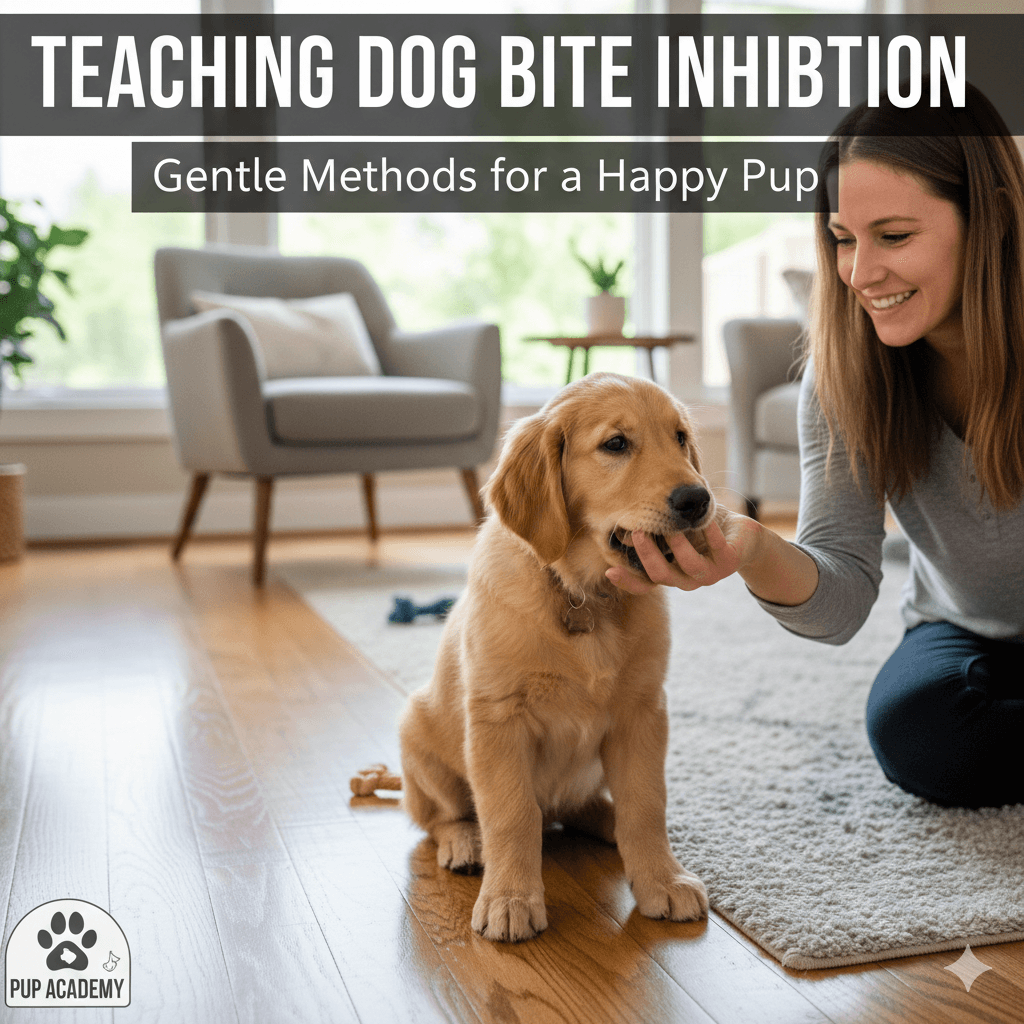

Teaching Dog Bite Inhibition: Best 7 Expert Tips!
Few things concern new puppy owners more than sharp little teeth sinking into skin—yet this behavior is a normal part of canine development. Bite inhibition, the ability to control the force of a bite, is one of the most essential social skills a dog can learn. It’s not about stopping all mouthing (which is natural), but about teaching gentleness. With consistent, positive guidance during critical early weeks, you lay the foundation for a safe, well-mannered companion. These expert-backed strategies make the process clear, kind, and effective for dogs of all ages.
Why Bite Inhibition Matters for Lifelong Safety
Bite inhibition isn’t just about avoiding nips during play—it’s a crucial safety net that can prevent serious injury if your dog ever feels scared, startled, or in pain. Dogs who learn to moderate jaw pressure as puppies are far less likely to cause harm, even in high-stress situations. This foundational skill supports trust, reduces liability, and strengthens the human-animal bond throughout your dog’s life.
- Prevents Accidental Injury:
A dog with good bite inhibition may still react defensively, but is far less likely to break skin or cause trauma. - Builds Social Confidence:
Puppies who learn appropriate mouth pressure interact more calmly with people, children, and other dogs. - Supports Training in Adulthood:
Gentle-mouthed dogs accept handling, grooming, and vet exams more readily, making lifelong care easier. - Reduces Behavioral Euthanasia Risk:
Dogs labeled “aggressive” due to hard biting often face dire outcomes; early inhibition training can be life-saving. - Reflects Emotional Regulation:
Learning to control biting helps dogs develop impulse control and emotional resilience in exciting or stressful moments.
Mastering this skill early doesn’t eliminate all risk—but it dramatically increases the margin of safety in unpredictable situations.
Key Developmental Windows for Learning
Puppies begin learning bite inhibition as early as 3 weeks old, primarily through play with littermates and their mother. This critical period peaks between 8 and 16 weeks—the prime time for human caregivers to reinforce the lesson. While older dogs can still learn, early, consistent guidance yields the most reliable results.
- 3–8 Weeks: Littermate Lessons:
Puppies learn that biting too hard ends play—a natural feedback loop that teaches self-control. - 8–12 Weeks: Human Reinforcement:
After adoption, owners must continue the process using clear, consistent cues during handling and interaction. - 12–16 Weeks: Socialization Integration:
Controlled playdates with vaccinated, tolerant dogs offer real-world practice in bite modulation. - 4–6 Months: Adolescence Adjustments:
Teething and hormonal shifts may cause temporary regression—patience and repetition are key. - 6+ Months: Maintenance & Generalization:
Continue reinforcing gentle mouth behavior in new contexts, like vet visits or interactions with children.
Timing matters—but it’s never too late to begin teaching this vital life skill with compassion and clarity.
Check this guide 👉Tetanus Shot After Dog Bite: Best 7 Expert Tips!
Check this guide 👉Dog Bite Antibiotics: Best 7 Expert Tips!
Check this guide 👉Cat Bite vs Dog Bite: Best 7 Expert Tips!
Gentle Play Foundations | Common Mistakes to Avoid |
|---|---|
Use high-pitched “ouch” to signal pain | Yelling or physical punishment |
Immediately stop play after hard bites | Inconsistent responses to mouthing |
Reward soft mouthing with calm praise | Rough play that excites biting |
Provide appropriate chew alternatives | Ignoring early warning signs |
Practice handling exercises daily | Delaying training past puppyhood |
Step-by-Step Training Techniques That Work
Effective bite inhibition training relies on clear communication, immediate feedback, and positive reinforcement. The goal is to help your dog understand that soft mouths earn attention, while hard bites end fun. Consistency across all family members is essential for success.
- The “Yelp and Pause” Method:
When bitten too hard, emit a sharp “Yip!” or “Ouch!” and immediately stop all interaction for 10–20 seconds. This mimics littermate feedback. - Redirect to Appropriate Toys:
The moment your puppy mouths you, offer a chew toy and praise them enthusiastically for switching targets. - Teach “Leave It” and “Gentle”:
Pair verbal cues with treats to build impulse control; reward only when teeth don’t touch skin during hand-feeding. - Practice Handling Exercises:
Gently touch paws, ears, and mouth while offering treats to build tolerance and associate touch with positivity. - Manage Arousal Levels:
Learn your dog’s excitement thresholds; interrupt play before it escalates into uncontrolled biting.
These techniques work best when practiced daily in short, calm sessions—never during overstimulated or frustrated moments.
Tools and Toys to Support Learning
The right enrichment items can significantly reduce unwanted mouthing by satisfying your dog’s natural chewing instincts. Choose durable, safe options that provide mental and physical relief during teething and adolescence.
- Frozen Chew Toys:
KONGs stuffed with yogurt or broth offer soothing relief for sore gums during teething phases. - Textured Rubber Toys:
Brands like West Paw or Chuckit! provide satisfying resistance without damaging teeth or encouraging aggression. - Food-Dispensing Puzzles:
These engage the mouth and mind simultaneously, redirecting energy from biting people to problem-solving. - Long-Handled Tug Toys:
Keep teeth away from hands during play while teaching controlled grabbing and release. - Soft Plush “Mouthing” Toys (for gentle dogs):
Ideal for puppies learning bite pressure—avoid if your dog shreds and ingests fabric.
Rotate toys regularly to maintain interest, and always supervise to ensure safe usage.
Special Considerations for Puppies, Rescues & Reactive Dogs
Not all dogs start from the same place. Puppies removed early from litters, adult rescues with unknown histories, or dogs with fear-based reactivity need tailored approaches that prioritize trust and emotional safety.
- Early-Weaned Puppies:
May lack basic inhibition—use extra patience and structured play to fill developmental gaps gently. - Adult Rescue Dogs:
Assume no prior training; start with low-pressure handling and build confidence before addressing mouthing. - Fearful or Reactive Dogs:
Avoid hand-targeted play; focus first on reducing anxiety before teaching bite control. - Mouthy Breeds (e.g., Herding, Terriers):
Channel high drive into appropriate outlets like flirt poles or chew sessions to satisfy oral fixation. - Households with Young Children:
Prioritize management (baby gates, crates) and supervised interaction to prevent accidental nips during learning.
Progress may be slower—but with empathy and consistency, even late starters can learn remarkable self-control.
What to Expect During the Learning Process
Bite inhibition isn’t learned overnight. Expect ups and downs, especially during teething (3–6 months) or adolescence. Most puppies show noticeable improvement within 2–4 weeks of consistent training, but refinement continues for months.
- Initial Testing Phase:
Your dog will “check” your reaction—stay calm and consistent to avoid confusion. - Teething Regression:
Increased mouthing at 4–5 months is normal; provide cold chews and maintain boundaries. - Gradual Softening:
Bites become less frequent and less forceful as your dog internalizes the rules. - Contextual Challenges:
Excitement (guests, play) may trigger setbacks—anticipate and manage these moments proactively. - Lifelong Maintenance:
Occasional reminders may be needed in high-arousal situations, even in well-trained adults.
Celebrate small wins—each gentle interaction is a step toward a safer, more harmonious relationship.
Essential Do’s and Don’ts When Teaching Bite Inhibition
Successfully guiding your dog toward gentle mouthing requires more than just technique—it demands awareness of what to embrace and what to avoid. These practical do’s and don’ts help you stay on track while building trust and self-control in your dog.
- Do respond immediately to hard bites:
Use a consistent, high-pitched “Ouch!” and stop interaction to clearly link biting with loss of play or attention. - Don’t use physical punishment or hold the muzzle shut:
These methods create fear, damage trust, and may increase defensive biting or suppress warning signals like growling. - Do offer appropriate chew alternatives daily:
Satisfy your dog’s natural urge to bite with safe, durable toys that match their age, size, and chewing style. - Don’t encourage rough play with hands or feet:
Wrestling or “play fighting” with body parts teaches dogs that biting skin is acceptable—always use toys instead. - Do involve all family members in consistent training:
Mixed signals confuse dogs; ensure everyone uses the same cues, responses, and boundaries during interactions.
Following these guidelines creates a learning environment rooted in safety, clarity, and mutual respect—setting your dog up for lifelong success.
Frequently Asked Questions About Teaching Dog Bite Inhibition
Does bite inhibition training stop all biting?
No—it teaches dogs to bite gently if they ever do. Even well-trained dogs may mouth when overstimulated or in pain.
Can adult dogs learn bite inhibition?
Yes, though it takes longer. Focus on trust-building, redirection, and managing triggers while teaching new habits.
Why does my puppy bite more when I pet them?
Overstimulation or lack of bite control during calm handling—practice brief, positive touch sessions with treats.
Should I use bitter sprays on my hands?
Not recommended—they don’t teach inhibition and may cause fear or confusion around human touch.
Is growling during mouthing a red flag?
Not always—puppies often vocalize during play. But if growling is tense, prolonged, or paired with stiff posture, consult a trainer.
Raising a Gentle Companion, One Soft Nip at a Time
Teaching bite inhibition is more than obedience—it’s an act of care that protects your dog and everyone they meet. By guiding your puppy or adult dog with patience, clarity, and kindness, you’re not just preventing bites; you’re nurturing emotional intelligence and mutual respect. The journey may include chewed sleeves and tender hands, but the reward is profound: a dog who understands the power of their jaws—and chooses gentleness every time. That trust, built bite by careful bite, becomes the quiet foundation of a lifetime of safe, joyful companionship.
Is Rawhide Bad for Cats? Best 7 Expert Tips! – Discover the risks, safe alternatives, and expert advice to keep your feline friend healthy and happy.

Is Rawhide Bad for Dogs? Best 7 Expert Tips! – Discover the risks, benefits, and safer alternatives to rawhides for your dog’s chewing needs.

Understanding Anorexia in Cats: Best 7 Expert Tips! – Learn why cats stop eating, spot warning signs, and discover how to help your feline regain appetite safely.

Understanding Anorexia in Dogs: Best 7 Expert Tips! – Learn causes, symptoms, and solutions to help your dog regain appetite and stay healthy.