
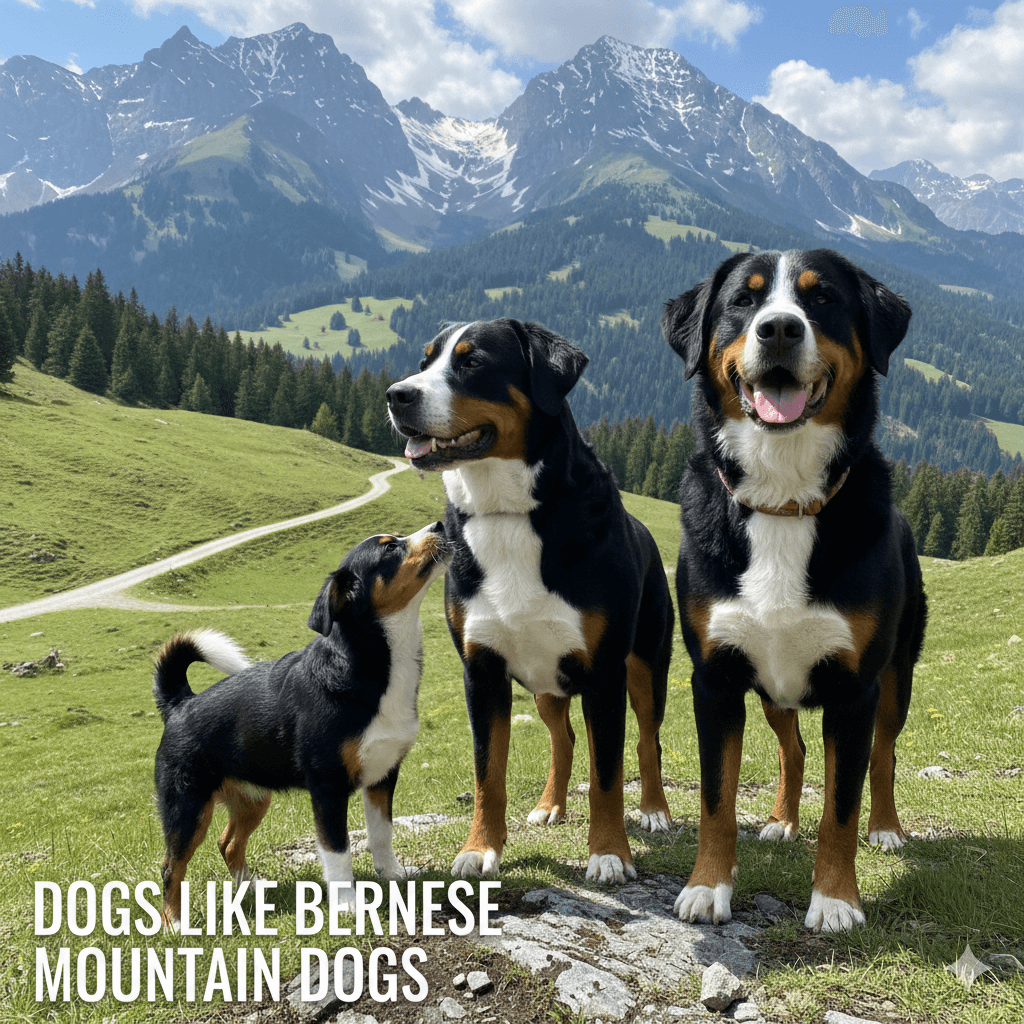

Dogs Similar to Bernese Mountain Dog
If you’re drawn to the Bernese Mountain Dog’s majestic presence, gentle temperament, and striking tricolor coat, you’re not alone. Many families seek breeds that share its loyalty, calm demeanor, and working-dog heritage. Fortunately, several other large, affectionate breeds offer a similar blend of beauty and companionship. While each has its own unique traits, they all echo the Berner’s devotion and stately grace. Discover seven remarkable breeds that may perfectly match your lifestyle—and your heart.
Origins and History of Bernese-Like Breeds
The Bernese Mountain Dog hails from the Swiss Alps, where it worked alongside farmers as a draft and herding dog. Breeds with comparable roots often share this utilitarian ancestry, developed in cold climates for strength, stamina, and a cooperative spirit. Their histories reveal why they’re so well-suited to family life today:
- Swiss Mountain Roots:
Many look-alike breeds, such as the Greater Swiss Mountain Dog, originated in the same alpine regions, bred for pulling carts and guarding homesteads. - Livestock Guardian Heritage:
Breeds like the Newfoundland or Saint Bernard were raised near farms or in mountainous areas, tasked with protection and rescue—not just herding. - Draft Dog Legacy:
Like the Berner, several similar breeds were historically used to pull milk carts or heavy loads, giving them broad chests and steady temperaments. - Companionship Evolution:
Over time, these working dogs transitioned into beloved family pets, prized more for their patience with children than their pulling power. - European Development:
Most Bernese look-alikes were refined in Central or Northern Europe, where cold tolerance and thick coats were essential survival traits.
These shared backgrounds explain why so many of these breeds are not only physically imposing but also emotionally attuned to human families.
Distinctive Physical Traits to Recognize
While not identical, many breeds mirror the Bernese Mountain Dog’s iconic silhouette: large frame, flowing coat, and expressive eyes. If you love the Berner’s appearance, these physical parallels will feel instantly familiar:
- Tricolor Coat Pattern:
Black with rust and white markings is classic Bernese—but the Greater Swiss Mountain Dog and even some Entlebuchers share this exact scheme. - Large, Muscular Build:
Weighing 70–120 pounds, similar breeds like the Newfoundland or Leonberger carry the same powerful, balanced structure. - Feathered Tail and Legs:
Long, silky hair on the tail, ears, and rear legs is common among Berner-like breeds, especially in cold-climate working dogs. - Broad Head and Kind Eyes:
A wide skull, dark gentle eyes, and a slightly droopy expression create that signature “sweet giant” look many adore. - Thick Double Coat:
Designed for alpine winters, this plush undercoat with a longer outer layer requires regular grooming but offers stunning texture.
These traits not only enhance their visual appeal but also reflect their historical roles in harsh, outdoor environments.
Check this guide 👉Bernese Mountain Dog Characteristics: Best 7 Expert Tips!
Check this guide 👉The Norwegian Mountain Dog: Best 7 Expert Tips!
Check this guide 👉Swiss Mountain Dog Size: Best 7 Expert Tips!
Temperament Highlights | Care Considerations |
|---|---|
Calm and patient with children | High grooming needs due to long coat |
Loyal and deeply bonded to family | Prone to overheating in warm climates |
Intelligent but independent-minded | Requires consistent, gentle training |
Generally friendly with familiar dogs | Needs daily moderate exercise |
Low prey drive compared to herders | Susceptible to joint and heart issues |
Family-Friendly Qualities Shared with Berners
One reason the Bernese remains a top family choice is its innate gentleness—and several similar breeds match this trait beautifully. They thrive in homes where love, routine, and inclusion are priorities:
- Natural Affection for Kids:
Breeds like the Newfoundland are famously called “nanny dogs” for their protective yet tender behavior around young children. - Calm Indoor Demeanor:
Unlike high-energy herding dogs, these giants are typically content to lounge beside you after a walk—perfect for quieter households. - Strong Bonding Instinct:
They form deep attachments and often follow their favorite person from room to room, craving presence over independence. - Low Aggression Tendency:
Bred as helpers, not fighters, these breeds rarely show unprovoked aggression when properly socialized. - Adaptability to Routine:
They flourish with predictable schedules for meals, walks, and rest—ideal for families with consistent daily rhythms.
This makes them exceptional companions for multi-generational homes or anyone seeking a devoted, gentle giant.
Breeds Often Confused with the Bernese Mountain Dog
Because of overlapping traits, several breeds are frequently mistaken for Berners—or considered direct alternatives by prospective owners:
- Greater Swiss Mountain Dog:
Nearly identical in color, but slightly larger, more muscular, and with a shorter coat that’s easier to groom. - Entlebucher Mountain Dog:
The smallest of the Swiss mountain dogs, it has the same tricolor pattern but a compact, agile build and higher energy level. - Newfoundland:
Larger and heavier with a water-resistant coat, but equally sweet-natured and famously calm around children and water. - Leonberger:
Lion-like mane and golden-brown coloring distinguish it, yet its temperament and size closely mirror the Berner’s gentle strength. - Saint Bernard:
Known for rescue work in the Alps, it shares the Berner’s massive frame, droopy eyes, and legendary patience.
Each offers a slightly different balance of energy, grooming needs, and climate suitability—but all radiate the same warmth.
Training and Socialization Needs
Despite their size, these breeds respond best to positive, consistent methods. Their intelligence is paired with sensitivity, making harsh techniques counterproductive:
- Early Socialization Is Crucial:
Expose puppies to diverse people, sounds, and environments before 16 weeks to prevent shyness or anxiety later. - Positive Reinforcement Works Best:
They thrive on praise, treats, and play—never respond well to yelling or punishment-based training. - Moderate Obedience Drive:
While eager to please, they can be stubborn; keep sessions short, fun, and reward-focused to maintain engagement. - Leash Manners Matter:
Their size means pulling can be dangerous; start loose-leash walking training early using harnesses and redirection. - Mental Stimulation Prevents Boredom:
Puzzle toys, scent games, or cart-pulling hobbies channel their intelligence and working heritage constructively.
With the right approach, they become well-mannered, confident companions who respect household boundaries.
Health and Lifespan Considerations
Large and giant breeds often face shorter lifespans and specific health challenges. Knowing these helps you plan for proactive care:
- Typical Lifespan of 7–10 Years:
Like Berners, most similar giant breeds live less than a decade due to size-related cellular stress. - Hip and Elbow Dysplasia Risk:
Rapid growth can lead to joint issues; feed puppy-specific large-breed formulas and avoid over-exercising young dogs. - Bloat (Gastric Dilatation-Volvulus):
A life-threatening emergency common in deep-chested breeds—feed multiple small meals and avoid vigorous activity after eating. - Cardiac Conditions:
Some, like the Newfoundland, are prone to subvalvular aortic stenosis; annual vet checks including cardiac screening are wise. - Cancer Predisposition:
Unfortunately, breeds like the Bernese and Leonberger have elevated cancer rates, making early detection vital.
Choosing a breeder who conducts health clearances (OFA, PennHIP, cardiac tests) can significantly reduce risks.
Key Considerations Before Choosing a Bernese-Like Breed
Selecting a dog that mirrors the Bernese Mountain Dog means more than admiring its looks—it requires honest reflection on your lifestyle, home environment, and long-term commitment. These gentle giants bring immense joy, but they also come with specific needs that must be met for a harmonious life together:
- Space Requirements:
While adaptable, these large breeds thrive with room to move; a fenced yard or regular access to open space is ideal for their well-being. - Time Investment for Grooming:
Long, thick coats demand brushing 3–4 times weekly to prevent mats and reduce shedding—especially during seasonal blowouts. - Emotional Sensitivity:
These breeds bond deeply and dislike being left alone for extended periods; they’re best suited for homes where someone is present most of the day. - Financial Planning for Health Care:
Due to their size and predisposition to joint, heart, and cancer-related issues, budgeting for potential vet expenses is essential from day one. - Compatibility with Climate:
Their dense double coats make them prone to overheating; homes in hot regions must provide air conditioning and limit midday outdoor activity.
Choosing one of these breeds is a decade-long promise—one that rewards you with unwavering loyalty, quiet strength, and a presence that feels like home.
Frequently Asked Questions About Dogs Similar to Bernese Mountain Dog
What’s the closest breed to a Bernese Mountain Dog?
The Greater Swiss Mountain Dog is the closest in appearance, temperament, and origin—often called the Berner’s “big brother.”
Are these breeds good for first-time owners?
They can be, but their size, training needs, and grooming demands require commitment; experienced guidance is highly recommended.
Do they shed a lot?
Yes—all long-coated varieties shed moderately year-round and heavily during seasonal “blowouts” in spring and fall.
Can they live in apartments?
While possible if exercised well, their size and need for space make houses with yards far more suitable.
Are they good with other pets?
Generally yes—especially if raised together. Their low prey drive makes them compatible with cats and other dogs.
Finding Your Perfect Gentle Giant
Choosing a dog similar to the Bernese Mountain Dog isn’t just about looks—it’s about embracing a lifestyle of devotion, calm strength, and heartfelt companionship. These noble breeds ask for little: consistent love, regular grooming, thoughtful training, and a place by your side. In return, they offer unwavering loyalty, a comforting presence, and the quiet joy of a true family guardian. Whether you’re charmed by the Leonberger’s lion-like mane or the Newfoundland’s watery heroism, one thing remains certain: your home will be richer with one of these gentle giants in it.
Pemphigus Erythematosus in Cats: Best 7 Expert Tips! – Learn to recognize symptoms, manage flare-ups, and improve your cat’s quality of life.
Pemphigus Erythematosus in Dogs: Best 7 Expert Tips! – Discover causes, symptoms, and treatment options to manage this autoimmune skin condition effectively.
Cat Tympanic Membrane: Best 7 Expert Tips! – Learn how to protect your cat’s eardrum, spot issues early, and ensure lifelong auditory health.
Dog Tympanic Membrane: Best 7 Expert Tips! – Learn how to protect your dog’s eardrum, spot issues early, and ensure lifelong ear health with expert advice.


