
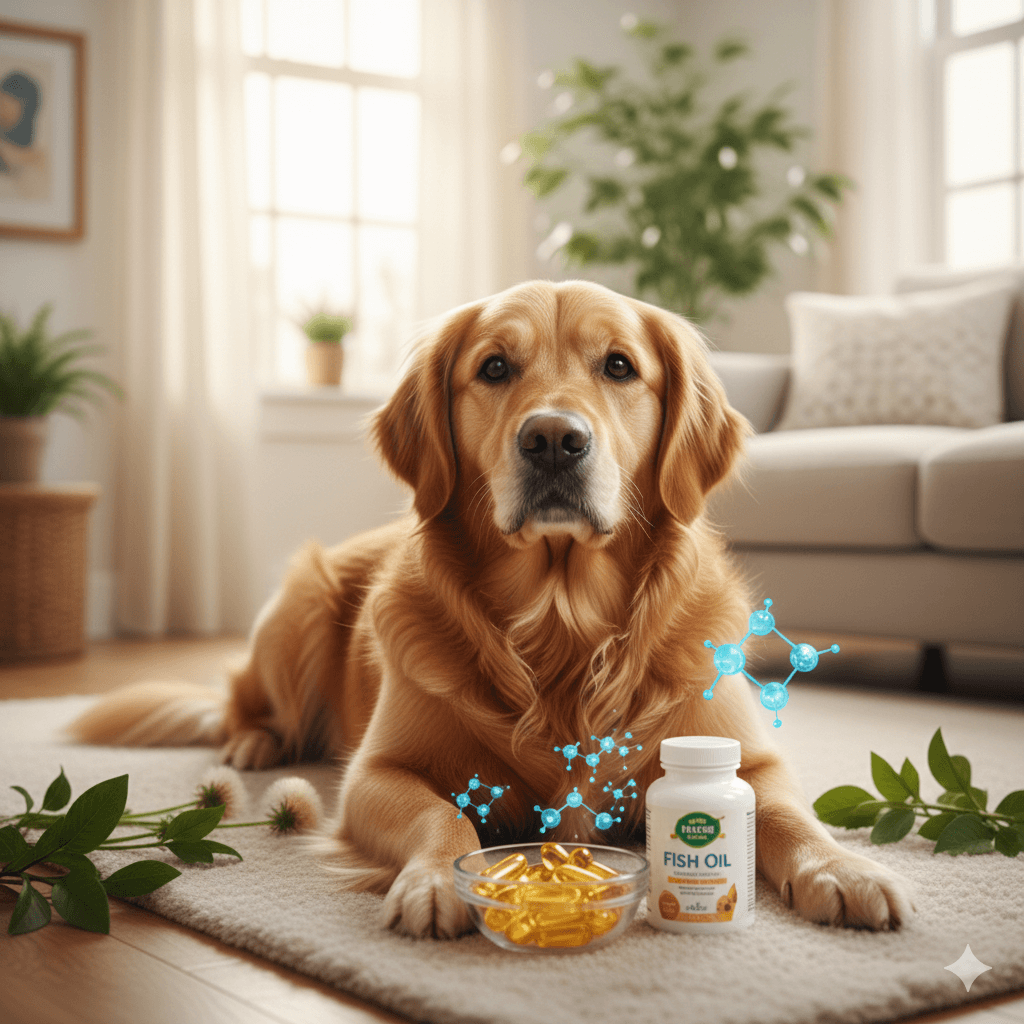

Does Fish Oil Help with Dog Allergies: Best 7 Expert Tips!

Does Fish Oil Help with Dog Allergies: Best 7 Expert Tips!

Does Fish Oil Help with Dog Allergies

If your dog is constantly scratching, licking their paws, or shaking their ears, allergies could be the culprit—and fish oil might offer natural relief. Packed with omega-3 fatty acids like EPA and DHA, fish oil is widely used to support skin health and modulate inflammation in allergic dogs. While it’s not a cure, many veterinarians recommend it as part of a comprehensive allergy management plan. Understanding how and why it works can help you decide if it’s right for your furry friend.

How Fish Oil Supports Dogs with Allergies

Fish oil doesn’t eliminate allergens, but it helps manage the body’s exaggerated immune response that leads to itching and skin irritation. The omega-3 fatty acids in high-quality fish oil work at a cellular level to reduce inflammatory pathways. This can translate to fewer flare-ups, less scratching, and healthier skin over time. Consider these expert-backed mechanisms:

 
  • Reduces Inflammatory Mediators:
    Omega-3s compete with pro-inflammatory omega-6 fatty acids, lowering the production of compounds that trigger itching and redness.
     
  • Strengthens Skin Barrier Function:
    Regular supplementation improves epidermal integrity, making it harder for allergens to penetrate and cause reactions.
     
  • Decreases Reliance on Medications:
    In some cases, consistent fish oil use allows for lower doses of steroids or antihistamines, minimizing side effects.
     
  • Promotes a Healthier Coat:
    Dogs often develop a shinier, less flaky coat within weeks, reflecting improved skin hydration and reduced dryness.
     
  • Supports Overall Immune Balance:
    Rather than suppressing immunity, omega-3s help regulate it—key for dogs with overreactive allergic responses.
 

While results vary, many owners report noticeable improvement in allergy symptoms after 6–8 weeks of consistent use.

 
Does Fish Oil Help with Dog Allergies: Best 7 Expert Tips!

Signs Your Dog Might Benefit from Fish Oil

Not all itching is allergy-related, but certain patterns suggest your dog could respond well to omega-3 supplementation. Observant pet parents often notice these recurring issues before seeking solutions:

 
  • Chronic Ear Infections:
    Allergic dogs frequently develop red, waxy, or smelly ears due to inflammation in the ear canal.
     
  • Excessive Paw Licking:
    Saliva-stained paws or raw skin between the toes are classic signs of environmental or food allergies.
     
  • Recurrent Hot Spots:
    Moist, oozing skin lesions that appear suddenly and spread quickly often stem from allergic irritation.
     
  • Seasonal Itching Patterns:
    If scratching worsens in spring or fall, pollen or mold allergies may be involved—and fish oil can help dampen the response.
     
  • Poor Response to Antihistamines Alone:
    Dogs that don’t improve with common allergy meds may need added support from anti-inflammatory nutrients like omega-3s.
 

If these signs sound familiar, discuss fish oil with your vet as a complementary approach—not a replacement for diagnosis.

Benefits for Allergic Dogs
Important Considerations
Soothes itchy, inflamed skin
Choose triglyceride-form fish oil for better absorption
Reduces frequency of flare-ups
Avoid cod liver oil—it’s high in vitamins A/D, which can accumulate to toxic levels
Enhances coat shine and softness
Dose based on EPA content, not total oil volume
May lower long-term medication use
Store in cool, dark place to prevent rancidity
Supports joint and heart health too
Human-grade fish oil may contain unsafe additives—use vet-formulated products

Choosing the Right Fish Oil for Your Dog

Not all fish oil supplements are created equal. The source, purity, concentration, and formulation significantly impact effectiveness and safety. To get real benefits for allergies, quality matters more than price alone:

 
  • Look for High EPA Content:
    EPA (eicosapentaenoic acid) is the primary omega-3 that fights inflammation; aim for at least 20–30 mg per pound of body weight daily.
     
  • Prefer Triglyceride Over Ethyl Ester Form:
    Triglyceride-based oils are closer to natural fish oil and are absorbed 2–3 times better by dogs.
     
  • Verify Third-Party Testing:
    Reputable brands provide certificates of analysis for purity (heavy metals, PCBs) and potency (actual EPA/DHA levels).
     
  • Avoid Added Flavors or Fillers:
    Some products contain unnecessary ingredients like artificial preservatives or omega-6-rich carrier oils that counteract benefits.
     
  • Liquid vs. Capsule:
    Liquids are easier to dose precisely and mix into food, while capsules reduce oxidation—but both work if fresh and properly stored.
 

Investing in a vet-recommended brand ensures your dog gets real therapeutic value, not just a placebo effect.

How to Safely Introduce Fish Oil into Your Dog’s Diet

Starting fish oil too quickly or at too high a dose can cause digestive upset. A gradual, vet-guided approach maximizes tolerance and long-term compliance:

 
  • Begin with a Low Dose:
    Start at 25–50% of the target dose for the first 3–5 days to let your dog’s stomach adjust.
     
  • Mix with Food:
    Add liquid oil directly to meals or puncture capsules to release contents—never give on an empty stomach.
     
  • Monitor for Side Effects:
    Mild diarrhea or fishy breath may occur initially; persistent vomiting or lethargy warrants stopping and calling your vet.
     
  • Be Patient for Results:
    Skin and immune changes take time—most dogs show improvement in 4–8 weeks, not days.
     
  • Stick to a Daily Routine:
    Consistency is key; skipping doses reduces anti-inflammatory benefits and delays results.
 

Pairing fish oil with a balanced diet and regular grooming creates the best environment for allergy relief.


Conditions That May Improve with Fish Oil Beyond Allergies

While popular for allergies, fish oil’s benefits extend to other common canine health issues—making it a versatile addition to your pet’s wellness plan:

 
  • Arthritis and Joint Pain:
    Omega-3s reduce joint inflammation, improving mobility in senior dogs or those with hip dysplasia.
     
  • Heart Disease Support:
    Fish oil can lower triglycerides and support rhythm stability in dogs with cardiac conditions.
     
  • Cognitive Decline in Seniors:
    DHA supports brain health, potentially slowing disorientation or sleep disturbances in aging dogs.
     
  • Kidney Disease Management:
    Some studies show omega-3s help preserve kidney function and reduce protein loss in urine.
     
  • Dry, Flaky Skin (Non-Allergic):
    Even without allergies, many dogs benefit from improved hydration and lipid balance in the skin.
 

This multi-system support makes fish oil one of the most valuable daily supplements for lifelong canine health.

Potential Risks and When to Avoid Fish Oil

Despite its benefits, fish oil isn’t suitable for every dog. Certain health conditions or medications increase the risk of adverse effects:

 
  • Bleeding Disorders:
    Omega-3s can thin the blood—avoid or use cautiously in dogs with clotting issues or before surgery.
     
  • Pancreatitis History:
    High-fat supplements may trigger flare-ups in susceptible dogs; use only under strict veterinary supervision.
     
  • Fish Allergies:
    Though rare, some dogs react to fish proteins—watch for vomiting, hives, or swelling after first use.
     
  • Taking Blood Thinners or NSAIDs:
    Fish oil may amplify effects of medications like aspirin or carprofen, increasing bleeding or ulcer risk.
     
  • Obesity or High-Fat Diet:
    Extra calories from oil can contribute to weight gain if not accounted for in total daily intake.
 

Always consult your veterinarian before starting fish oil, especially if your dog has a chronic condition or takes medication.

Frequently Asked Questions About Fish Oil and Dog Allergies

Can fish oil replace allergy medication?

No—it’s a supportive therapy, not a replacement for antihistamines, steroids, or immunotherapy when those are needed.

Most owners notice reduced itching in 4–8 weeks, with full benefits appearing around 12 weeks of consistent use.

Only if specifically approved by your vet; many contain unsafe additives, incorrect dosing, or excessive vitamin levels.

Look for veterinary-formulated, triglyceride-based oils with high EPA (e.g., Welactin, Nordic Naturals Pet Omega-3, or Vetoquinol).

It won’t eliminate the allergic reaction to a specific protein, but it can reduce skin inflammation and secondary irritation caused by the allergy.

Nourishing Your Dog’s Skin from the Inside Out

Managing dog allergies is rarely about one quick fix—it’s a blend of smart nutrition, environmental control, and compassionate care. Fish oil, when chosen wisely and used consistently, offers a gentle yet powerful way to calm your dog’s overactive immune response and restore comfort to their skin. While it won’t stop every itch or eliminate every allergen, it empowers your dog’s body to heal and resist inflammation naturally. By partnering with your veterinarian and observing your dog’s unique needs, you can turn this simple supplement into a cornerstone of long-term wellness. After all, a dog who isn’t scratching is a dog who can finally relax, play, and enjoy life—and that’s the outcome every loving pet parent hopes for.

Newfoundland Dog Personality: Best 7 Expert Tips!

Newfoundland Dog Personality: Best 7 Expert Tips! – Discover the gentle, loyal, and protective nature of this giant breed perfect for families.

Can Hot Pavement Burn Your Cats Paws? Best 7 Expert Tips!

Can Hot Pavement Burn Your Cats Paws? Best 7 Expert Tips! – Learn how to protect your cat’s paws from hot surfaces and prevent painful burns this summer.

Can Hot Pavement Burn Your Dogs Paws? Best 7 Expert Tips!

Can Hot Pavement Burn Your Dogs Paws? Best 7 Expert Tips! – Learn how to protect your dog’s paws from hot surfaces and ensure safe summer walks.

Irish Wolfhound Size: Best 7 Expert Tips!

Irish Wolfhound Size: Best 7 Expert Tips! – Discover the ideal height, weight, and care tips for this majestic giant breed. Learn how to manage their impressive stature responsibly.

Leave a Reply

Your email address will not be published. Required fields are marked *


