
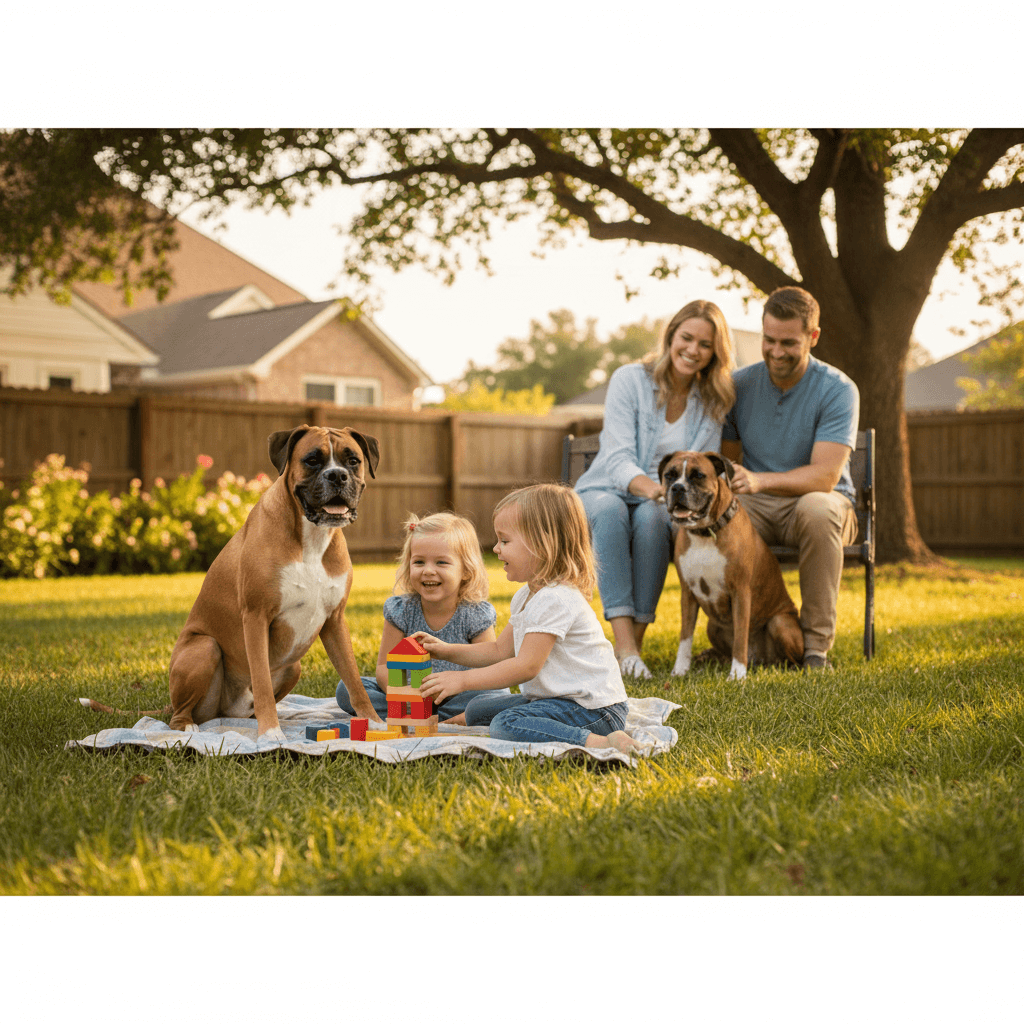

Are Boxers a Good Family Dog: Best 7 Expert Tips!

Are Boxers a Good Family Dog: Best 7 Expert Tips!

Are Boxers a Good Family Dog

Boxers are known for their boundless energy, playful spirit, and deep loyalty—qualities that often make them exceptional companions for families. With their expressive eyes and goofy antics, they quickly become beloved members of the household. But beyond their charming personality, it’s important to understand their needs, temperament, and compatibility with children and other pets. Many families thrive with a Boxer at their side, but success depends on proper training, socialization, and lifestyle alignment. Let’s explore why this breed might be the perfect fit—or when another dog could be a better match.

Origins and History of the Boxer

The Boxer’s roots trace back to 19th-century Germany, where they were developed from bulldog-type ancestors for hunting, guarding, and later, companionship. Initially used in bull-baiting and boar hunting, their role evolved as society changed. Today’s Boxer retains the courage and strength of their past but channels it into protective loyalty and joyful play. Their wartime service and post-war rise in popularity cemented their status as both working dogs and family favorites.

 
  • Bulldog and Mastiff Ancestry:
    Early Boxers descended from the now-extinct Bullenbeisser, a German hunting dog crossed with English Bulldogs to refine size and temperament.
     
  • Name Origin Mystery:
    The term “Boxer” may come from their tendency to play using front paws—resembling boxing—or from the German word “Boxl,” a nickname for the Bullenbeisser.
     
  • War and Police Work:
    Boxers served as messenger, scout, and attack dogs in both World Wars and later became common in German police and military units.
     
  • Post-War Family Rise:
    After WWII, American soldiers brought Boxers home, sparking widespread admiration for their intelligence and affectionate nature.
     
  • AKC Recognition and Popularity:
    Officially recognized by the AKC in 1904, Boxers consistently rank among the top 10 most popular U.S. breeds due to their adaptability and heart.
 

This rich heritage explains their alertness, athleticism, and devotion—traits that continue to endear them to families worldwide.

Are Boxers a Good Family Dog: Best 7 Expert Tips!

Distinctive Physical Traits

Boxers are instantly recognizable by their muscular build, square muzzle, and ever-wagging tail. Their athletic frame and animated expressions reflect both power and playfulness, making them as striking as they are endearing.

 
  • Compact, Muscular Build:
    Medium to large in size (50–70 lbs), Boxers have a sturdy, square-proportioned body built for agility and endurance.
     
  • Short, Glossy Coat:
    Their smooth, tight-fitting coat comes in fawn or brindle, often with white markings (called “flash”) on the chest, paws, or face.
     
  • Iconic Facial Structure:
    A broad, blunt muzzle with an undershot bite and deep-set, dark brown eyes gives them a uniquely expressive and alert appearance.
     
  • Ears and Tail Traditions:
    While historically cropped and docked, many countries now ban these practices—natural ears fold forward, and tails are long and carried high.
     
  • Energetic Demeanor:
    Even at rest, Boxers seem ready to spring into action—their posture, gait, and bright eyes radiate liveliness and curiosity.
 

These physical traits not only define their look but also support their role as active, protective, and ever-engaged family companions.

Temperament Highlights
Care Considerations
Affectionate with all family members
Needs daily vigorous exercise
Exceptionally patient with children
Prone to overheating in hot weather
Naturally protective and alert
Requires early, consistent training
Playful well into adulthood
Grooming is easy but shedding is moderate
Thrives on human companionship
Sensitive to being left alone for long periods

Temperament and Personality Traits

Boxers wear their hearts on their sleeves—loyal, loving, and always eager to please. Their emotional intelligence makes them intuitive to moods, often offering comfort when a family member is sad or joining in the excitement during joyful moments.

 
  • Gentle with Children:
    Boxers are famously tolerant and playful with kids, often acting as both guardian and playmate—though supervision is always advised with toddlers.
     
  • Highly Social and People-Oriented:
    They bond deeply with their humans and dislike being isolated; they’ll follow you room to room like a furry shadow.
     
  • Natural Watchdog Instincts:
    Alert and vocal when strangers approach, they’ll notify you of anything unusual without being overly aggressive.
     
  • Goofy and Fun-Loving:
    Known for “kid-like” antics—spinning, bouncing, and making silly noises—they keep households laughing daily.
     
  • Sensitive and Responsive:
    Harsh training methods backfire; positive reinforcement brings out their best, as they thrive on praise and connection.
 

Their temperament makes them more than just a pet—they become an emotionally attuned, joyful presence in everyday family life.

Training and Socialization Needs

Boxers are intelligent but can be willful, so early and consistent guidance is essential. Their eagerness to please balances their independent streak, especially when training is fun and reward-based.

 
  • Start Early with Puppy Classes:
    Socialization before 16 weeks helps prevent shyness or reactivity around new people, dogs, or environments.

     
  • Use Positive Reinforcement:
    Treats, toys, and enthusiastic praise work far better than correction—they respond to joy, not fear.

     
  • Focus on Impulse Control:
    Teach “sit,” “wait,” and “leave it” to manage their excitement around guests, food, or squirrels.

     
  • Crate and House Training:
    Most Boxers housetrain relatively easily with routine, but their stubborn streak may require patience during adolescence.

     
  • Ongoing Mental Stimulation:
    Puzzle toys, obedience drills, or agility keep their sharp minds engaged and prevent boredom-based mischief.
 

With the right approach, a Boxer becomes not just obedient, but a confident, well-mannered ambassador for the breed.

Exercise and Activity Requirements

Don’t let their couch-cuddling side fool you—Boxers are high-energy dogs that need daily physical outlets. Without enough activity, they may channel their vigor into chewing, barking, or zoomies at 2 a.m.

 
  • Daily Vigorous Walks or Runs:
    Aim for 60–90 minutes of activity split into two sessions—jogging, hiking, or backyard fetch all count.
     
  • Off-Leash Play (in Safe Areas):
    They love to sprint and play, but recall training is a must due to their prey drive and distractibility.
     
  • Dog Sports and Games:
    Agility, rally obedience, or flirt pole sessions satisfy both physical and mental needs.
     
  • Indoor Enrichment on Rainy Days:
    Tug-of-war, hide-and-seek, or learning new tricks keep them engaged when outdoor exercise isn’t possible.
     
  • Avoid Overexertion in Heat:
    Their short muzzle makes them prone to overheating—exercise in early morning or evening during summer.
 

Meeting their activity needs ensures a calmer, happier dog who sleeps soundly at night—and doesn’t redecorate your shoes.

Health Considerations and Lifespan

Boxers generally live 10–12 years but are prone to several inherited and environmental health issues. Proactive care and regular vet visits greatly improve their quality and length of life.

 
  • Heart Conditions (Boxer Cardiomyopathy):
    A breed-specific arrhythmia requires annual cardiac screenings, especially after age 4.
     
  • Cancer Risk:
    Boxers have one of the highest rates of mast cell tumors and lymphoma—regular skin checks are crucial.
     
  • Hip Dysplasia and Joint Health:
    Maintain lean weight and consider joint supplements to support mobility as they age.
     
  • Brachycephalic Challenges:
    Though not extreme, their shortened airways can cause snoring, exercise intolerance, and heat sensitivity.
     
  • Gastric Dilatation-Volvulus (Bloat):
    Feed multiple small meals, avoid exercise right after eating, and know the signs of this life-threatening emergency.
 

With informed care, many Boxers enjoy long, healthy lives full of tail wags and family adventures.

Living with Boxers in Different Household Types

Boxers adapt well to various living situations—but only if their core needs are met. They can thrive in apartments, suburbs, or rural homes, provided they’re not left lonely or sedentary.

 
  • Families with Kids:
    Their patience and playfulness make them ideal for households with school-aged children who can match their energy.
     
  • Single Owners or Couples:
    They bond intensely with one or two people and do well as long as their companion is home often or arranges doggy daycare.
     
  • Multi-Pet Homes:
    Early socialization helps them coexist peacefully with cats and other dogs, though same-sex aggression can occur in adulthood.
     
  • Elderly or Sedentary Households:
    May not be the best match unless the owner can provide ample exercise through walks, dog walkers, or active friends.
     
  • First-Time Dog Owners:
    Possible with commitment to training—but their strength and exuberance require confidence and consistency.
 

Ultimately, Boxers thrive where they’re included, exercised, and loved—not just housed.

“Boxers are upbeat and playful. Their patience and protective nature have earned them a reputation as a great dog with children.” – American Kennel Club

Frequently Asked Questions About Boxers as Family Dogs

Are Boxers aggressive?

No—properly socialized Boxers are friendly and confident, not aggressive. Poor training or neglect can lead to reactivity, but this isn’t breed-typical.

They’re alert barkers (great watchdogs) but not nuisance barkers if taught boundaries early.

Yes—weekly brushing and occasional baths are usually enough, though they shed moderately year-round.

Yes, if given sufficient daily exercise and mental stimulation—they’re adaptable but not low-energy.

Many do, especially if raised together—but their prey drive means slow, supervised introductions are essential.

Why Boxers Make Exceptional Family Companions

Few breeds blend loyalty, joy, and protectiveness as seamlessly as the Boxer. They’re not just dogs who live with your family—they become its heartbeat, celebrating every birthday, comforting every bad day, and guarding your home with quiet vigilance. Their boundless enthusiasm reminds us to play; their unwavering presence teaches children about responsibility and love. Yes, they require effort—exercise, training, and companionship—but what you give them, they return tenfold in laughter, loyalty, and lifelong devotion. For families ready to embrace an active, affectionate, and wholehearted friend, the Boxer isn’t just a good choice—they’re often the perfect one.

Is Rawhide Bad for Cats? Best 7 Expert Tips!

Is Rawhide Bad for Cats? Best 7 Expert Tips! – Discover the risks, safe alternatives, and expert advice to keep your feline friend healthy and happy.

Is Rawhide Bad for Dogs? Best 7 Expert Tips!

Is Rawhide Bad for Dogs? Best 7 Expert Tips! – Discover the risks, benefits, and safer alternatives to rawhides for your dog’s chewing needs.

Understanding Anorexia in Cats: Best 7 Expert Tips!

Understanding Anorexia in Cats: Best 7 Expert Tips! – Learn why cats stop eating, spot warning signs, and discover how to help your feline regain appetite safely.

Understanding Anorexia in Dogs: Best 7 Expert Tips!

Understanding Anorexia in Dogs: Best 7 Expert Tips! – Learn causes, symptoms, and solutions to help your dog regain appetite and stay healthy.

Leave a Reply

Your email address will not be published. Required fields are marked *