
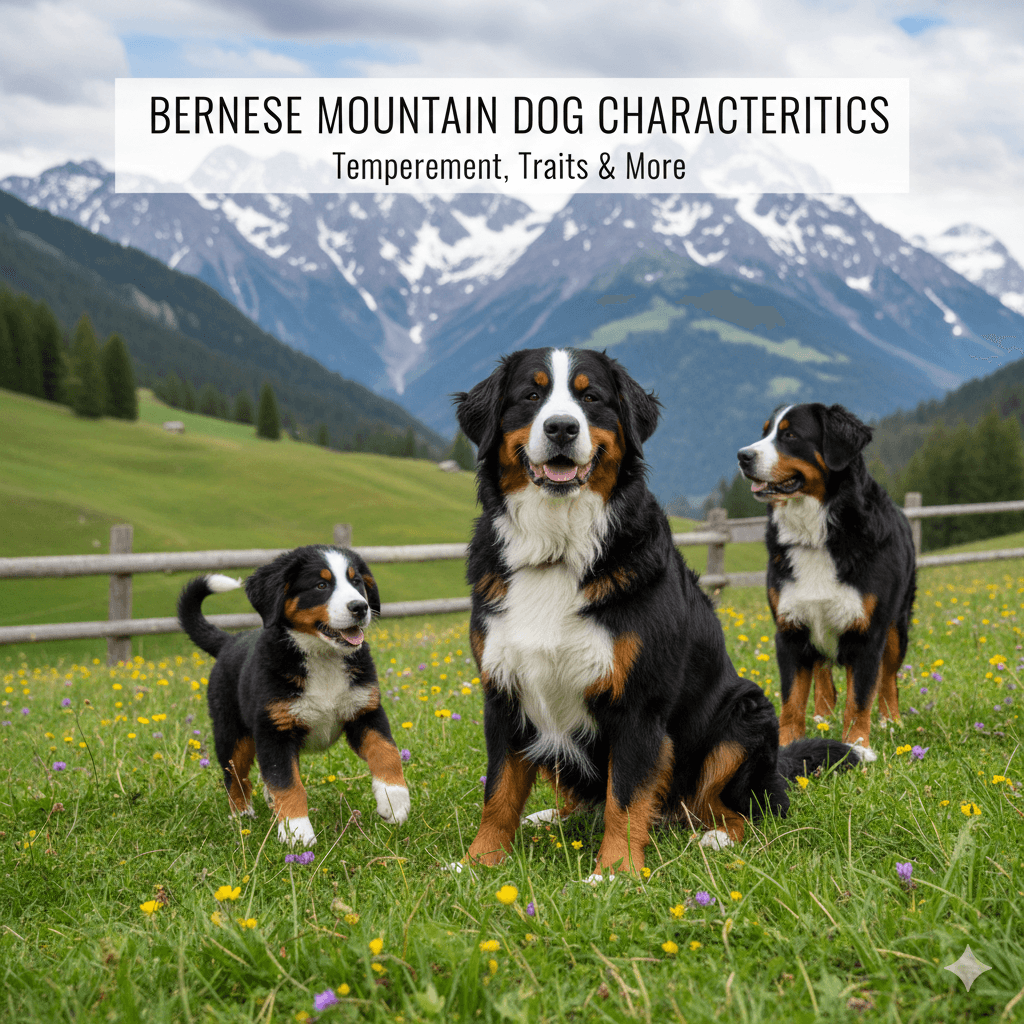

Bernese Mountain Dog Characteristics: Best 7 Expert Tips!

Bernese Mountain Dog Characteristics: Best 7 Expert Tips!

Understanding Bernese Mountain Dog Characteristics: Best 7 Expert Tips!

Gentle, loyal, and strikingly beautiful, the Bernese Mountain Dog captures hearts with its calm demeanor and tri-colored coat. Originating from the Swiss Alps, this large working breed thrives on companionship and purposeful activity. Known for patience with children and quiet confidence, the Berner is more than just a family pet—they’re a devoted guardian. Yet, their size and sensitivity require mindful care. Understanding their core traits helps you provide the loving, structured life they deserve.

Origins and Heritage of the Bernese Mountain Dog

The Bernese Mountain Dog’s roots run deep in Swiss farming history, where they served as versatile all-purpose farmhands. Their development reflects centuries of adaptation to mountainous terrain and rural labor demands. This rich background still shapes their temperament and physical build today:

 
  • Swiss Farming Legacy:
    Bred in the Canton of Bern, they pulled carts, drove cattle, and guarded homesteads with quiet efficiency.
     
  • One of Four Sennenhund Breeds:
    The Berner is the only long-coated member of the Sennenhund group, distinguished by its striking black, white, and rust markings.
     
  • Revival in the Early 1900s:
    Nearly extinct by the late 1800s, dedicated breeders revived the type using a few remaining farm dogs, leading to official recognition in 1907.
     
  • Name Meaning:
    “Sennenhund” translates to “dairy farmer’s dog,” highlighting their role in alpine pastoral life.
     
  • Introduction to North America:
    First imported to the U.S. in the 1920s, they gained popularity as both working dogs and family companions by mid-century.
 

This heritage explains their blend of strength, gentleness, and deep attachment to human families—traits that remain central to the breed today.

Bernese Mountain Dog Characteristics: Best 7 Expert Tips!

Distinctive Physical Traits

Bernese Mountain Dogs are immediately recognizable by their majestic size and tri-colored coat. Every physical feature reflects their historical role and mountainous origin, combining power with elegance:

 
  • Impressive Size:
    Males typically stand 25–27.5 inches tall and weigh 80–115 lbs; females are slightly smaller but equally sturdy.
     
  • Signature Tri-Color Coat:
    Jet black base with crisp white chest markings and rich rust accents above eyes, cheeks, and legs.
     
  • Dense Double Coat:
    A thick, slightly wavy outer coat and soft undercoat provide insulation against cold—but require regular grooming.
     
  • Gentle, Expressive Eyes:
    Dark brown, almond-shaped eyes convey warmth and intelligence, rarely showing aggression or harshness.
     
  • Strong, Balanced Build:
    Muscular yet not bulky, with a level topline and deep chest ideal for endurance and pulling tasks.
 

These physical hallmarks not only define the Berner’s beauty but also signal their working heritage and need for climate-appropriate care.

Temperament Highlights
Care Considerations
Affectionate and people-oriented
Prone to separation anxiety if left alone too long
Calm and patient with children
Requires early socialization to prevent shyness
Intelligent but sensitive to tone
Responds poorly to harsh training methods
Naturally eager to please
Needs consistent, positive reinforcement
Quiet—rarely barks unnecessarily
Not suited for high-heat environments

Temperament and Personality Traits

Beneath the Bernese Mountain Dog’s imposing frame beats the heart of a devoted companion. Their temperament blends quiet confidence with deep emotional sensitivity, making them ideal for calm, loving households. They’re not hyperactive, but deeply attuned to family rhythms:

 
  • Deeply Loyal:
    Berners form intense bonds with their people and often follow them room to room like gentle shadows.
     
  • Naturally Gentle with Kids:
    Their patience and tolerance make them excellent with supervised children, though their size requires caution with toddlers.
     
  • Reserved with Strangers:
    While not aggressive, they may be aloof or cautious around new people—early socialization helps build confidence.
     
  • Low Prey Drive:
    Unlike many herding or hunting breeds, Berners rarely chase cats or small animals, especially if raised together.
     
  • Emotionally Sensitive:
    They pick up on human moods and may shut down or withdraw if scolded harshly—kindness is key.
 

This emotional depth makes them responsive partners, but also means they thrive best in stable, affectionate homes.

Exercise and Activity Needs

Despite their size, Bernese Mountain Dogs don’t require marathon runs—but they do need consistent, moderate activity to stay physically and mentally healthy. Their working roots mean they enjoy purposeful movement over idle play:

 
  • Daily Walks Are Essential:
    30–60 minutes of brisk walking helps maintain joint health and prevent weight gain.
     
  • Enjoy Cart-Pulling or Draft Work:
    Many Berners love pulling small carts or sleds—a nod to their heritage and a great mental outlet.
     
  • Avoid Over-Exertion in Puppies:
    Their joints are vulnerable during growth; limit stairs, jumping, and forced exercise until 18 months.
     
  • Mental Stimulation Matters:
    Puzzle toys, scent games, or basic obedience keep their intelligent minds engaged.
     
  • Heat Sensitivity Limits Summer Activity:
    Their thick coat makes them prone to overheating—walk during cool hours and provide shade and water.
 

Balanced activity keeps them happy without straining their large-frame physiology.

Grooming and Coat Maintenance

That stunning coat comes with responsibility. The Bernese Mountain Dog’s luxurious double coat sheds year-round and “blows” heavily twice a year, demanding consistent care to avoid mats and skin issues:

 
  • Weekly Brushing Is Minimum:
    Use a slicker brush and undercoat rake to remove loose hair and prevent tangles, especially behind ears and legs.
     
  • Seasonal “Blowing Coat” Periods:
    During spring and fall, daily brushing may be needed to manage massive shedding.
     
  • Bathing Every 6–8 Weeks:
    Over-bathing strips natural oils; use gentle, dog-specific shampoos to preserve coat health.
     
  • Check Ears and Paws Regularly:
    Their floppy ears trap moisture, and snow or dirt can collect between toe pads—clean after walks.
     
  • Nail Trimming and Dental Care:
    Long nails affect gait; weekly tooth brushing prevents early dental disease common in large breeds.
 

A well-groomed Berner isn’t just beautiful—they’re more comfortable and healthier too.


Health Concerns and Lifespan Considerations

Bernese Mountain Dogs are prone to certain genetic and structural health issues that potential owners must understand. Their relatively short lifespan stems from a mix of size-related and inherited factors:

 
  • Shorter Average Lifespan:
    Typically 7–10 years, among the shortest of all large breeds—prioritizing responsible breeding is crucial.
     
  • High Cancer Risk:
    Histiocytic sarcoma and other cancers are leading causes of death; ask breeders about health screening.
     
  • Hip and Elbow Dysplasia:
    Joint malformations are common; OFA-certified parent screenings reduce (but don’t eliminate) risk.
     
  • Bloat (Gastric Dilatation-Volvulus):
    A life-threatening emergency—feed multiple small meals and avoid exercise right after eating.
     
  • Progressive Retinal Atrophy (PRA):
    An inherited eye disease causing gradual vision loss; DNA testing can identify carriers.
 

Choosing a breeder who performs full health clearances and providing preventive vet care can support a longer, healthier life.

Ideal Living Environment and Family Fit

The Bernese Mountain Dog thrives in homes that match their calm energy and need for companionship. They’re adaptable but have clear preferences that, when honored, lead to a deeply rewarding bond:

 
  • Best in Cooler Climates:
    Their thick coat makes hot, humid regions challenging—air conditioning is often necessary in summer.
     
  • Needs Indoor Companionship:
    Berners are not outdoor-only dogs; they crave being near their family and suffer when isolated.
     
  • Great with Respectful Children:
    Their gentle nature shines with older kids who understand how to interact calmly with large dogs.
     
  • Suitable for Suburban or Rural Homes:
    A fenced yard is ideal, but they can adapt to city life if given daily walks and mental engagement.
     
  • Not Ideal for Busy, Absentee Owners:
    Left alone for long hours, they may develop anxiety, barking, or destructive behaviors.
 

When placed in the right setting, the Berner becomes a serene, loving cornerstone of the household.

Frequently Asked Questions About Bernese Mountain Dog Characteristics

Are Bernese Mountain Dogs good for first-time owners?

They can be—if the owner is committed to training, socialization, and managing their health needs with patience and consistency.

Generally no—they’re quiet dogs who bark only when necessary, such as alerting to strangers or unusual activity.

Heavuously! They shed daily and “blow coat” twice a year, requiring frequent grooming to manage loose fur.

Yes, due to their eagerness to please—but their sensitivity means harsh methods backfire; use positive reinforcement only.

It’s possible with dedicated daily exercise and mental stimulation, but they’re happier with outdoor access and cooler temperatures.

Embracing Life with a Bernese Mountain Dog

Owning a Bernese Mountain Dog is a commitment wrapped in quiet devotion. Their soulful eyes, steady presence, and unwavering loyalty offer a kind of companionship that’s both grounding and deeply enriching. While their size, grooming needs, and health considerations require thoughtful preparation, the reward is a gentle giant who leans against your leg, follows you with quiet adoration, and brings calm joy to everyday moments. By honoring their heritage, respecting their sensitivities, and providing consistent love, you give your Berner the fulfilling life they were bred to live—and in return, they’ll give you their whole heart, every single day.

Pemphigus Erythematosus in Cats: Best 7 Expert Tips!

Pemphigus Erythematosus in Cats: Best 7 Expert Tips! – Learn to recognize symptoms, manage flare-ups, and improve your cat’s quality of life.

Pemphigus Erythematosus in Dogs: Best 7 Expert Tips!

Pemphigus Erythematosus in Dogs: Best 7 Expert Tips! – Discover causes, symptoms, and treatment options to manage this autoimmune skin condition effectively.

Cat Tympanic Membrane: Best 7 Expert Tips!

Cat Tympanic Membrane: Best 7 Expert Tips! – Learn how to protect your cat’s eardrum, spot issues early, and ensure lifelong auditory health.

Dog Tympanic Membrane: Best 7 Expert Tips!

Dog Tympanic Membrane: Best 7 Expert Tips! – Learn how to protect your dog’s eardrum, spot issues early, and ensure lifelong ear health with expert advice.

Leave a Reply

Your email address will not be published. Required fields are marked *

Post Category


