
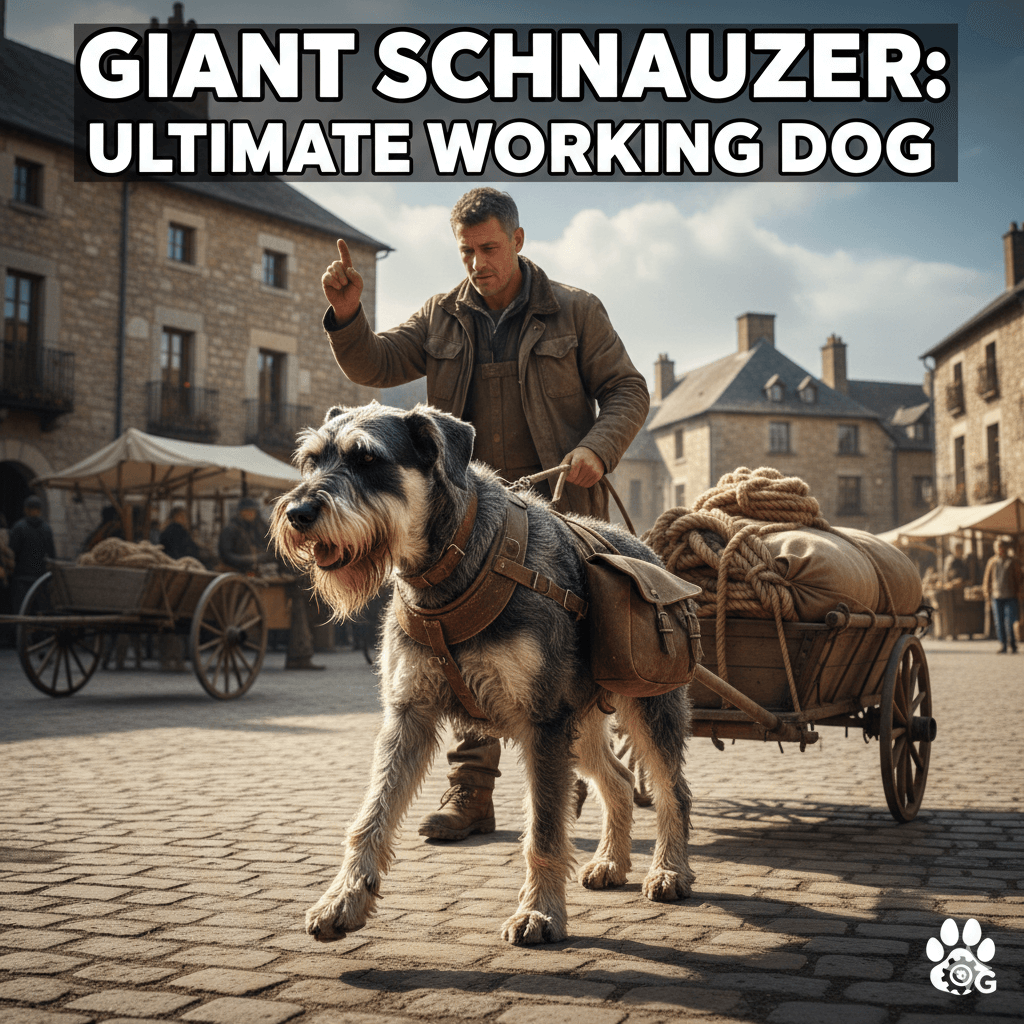

Giant Schnauzer Working Dog Traits: Best 7 Expert Tips!

Giant Schnauzer Working Dog Traits: Best 7 Expert Tips!

Understanding Giant Schnauzer Working Dog Traits

The Giant Schnauzer isn’t just a strikingly handsome dog—it’s a powerhouse of intelligence, loyalty, and drive. Originally bred for demanding roles in farming, guarding, and later police work, this breed thrives when given purpose and structure. While their imposing size and bold expression might suggest aloofness, they’re deeply devoted to their families and eager to tackle challenges. Whether on a farm, in K-9 units, or as a vigilant home guardian, the Giant Schnauzer excels where discipline and courage matter. Understanding their working heritage is key to raising a balanced, fulfilled companion.

Origins and Historical Working Roles

Rooted in 17th-century Bavaria, the Giant Schnauzer was developed as a versatile farm and cattle-driving dog, later refined for urban police and military duties. Their history is one of utility, resilience, and adaptability across evolving societal needs:

 
  • Cattle Drover Origins:
    Bred to move livestock between markets and farms, they needed stamina, assertiveness, and weather-resistant coats.
     
  • Brewery and Butcher Guards:
    In Munich and surrounding towns, they protected warehouses and deliveries—earning the nickname “Münchener Hausl” (Munich house dog).
     
  • Military and Police Adoption:
    By World War I, their intelligence and trainability made them ideal messenger, patrol, and sentry dogs for German forces.
     
  • Post-War K-9 Expansion:
    After WWII, European and U.S. law enforcement widely integrated them into narcotics detection, tracking, and protection units.
     
  • Modern Working Versatility:
    Today, they serve in search-and-rescue, personal protection, and competitive obedience—still driven by their innate need to work.
 

This legacy means the Giant Schnauzer isn’t just capable of work—they require it to stay mentally and physically healthy.

Giant Schnauzer Working Dog Traits: Best 7 Expert Tips!

Distinctive Physical and Functional Traits

Built like a compact tank with precision-engineered agility, the Giant Schnauzer’s physique reflects centuries of functional breeding for demanding tasks:

 
  • Robust, Square Build:
    Muscular yet agile, standing 23.5–27.5 inches tall, with a balanced frame built for endurance and quick directional changes.
     
  • Weatherproof Double Coat:
    Dense undercoat and harsh, wiry outer guard hairs protect against cold, rain, and rough terrain—ideal for outdoor assignments.
     
  • Signature Salt-and-Pepper or Black Coat:
    The classic colors aren’t just aesthetic; they provided camouflage in rural and urban working environments alike.
     
  • Alert, Rectangular Head with Beard and Eyebrows:
    These aren’t just charming—they shield eyes from debris and enhance facial expressiveness during handler communication.
     
  • Powerful Jaws and Strong Neck:
    Essential for controlled gripping, pulling, or holding during protection or livestock tasks without injury.
 

Every physical trait serves a purpose, making this breed not just impressive to look at—but truly engineered for action.

Working Strengths
Handler Considerations
High trainability and problem-solving
Needs consistent, experienced leadership
Strong protective instincts
Early socialization is non-negotiable
Endurance for long shifts
Requires daily vigorous exercise
Excellent scent and tracking ability
Thrives in structured scent or detection work
Loyal, focused partnership drive
Bonds intensely—can develop separation anxiety

Training Essentials for a Working Giant Schnauzer

Training a Giant Schnauzer isn’t about obedience alone—it’s about channeling their intense focus into reliable, purposeful behavior. They respond best to structured, positive methods that respect their intelligence:

 
  • Start Early with Socialization:
    Expose them to diverse people, sounds, and environments before 16 weeks to prevent over-guarding or fear responses.
     
  • Use Positive Reinforcement with Clarity:
    They learn quickly but resent harsh corrections; reward precision, not just compliance, to build trust and enthusiasm.
     
  • Incorporate Real-World Scenarios:
    Practice commands in distracting settings—parks, busy streets, or simulated search zones—to build reliability under pressure.
     
  • Advance to Specialized Skills Gradually:
    Whether protection, tracking, or scent work, break complex tasks into achievable steps with clear markers of success.
     
  • Maintain Mental Engagement Daily:
    Puzzle toys, obedience drills, or short agility sessions prevent boredom, which can lead to destructive or obsessive behaviors.
 

A well-trained Giant Schnauzer doesn’t just follow orders—they become a thinking partner in any task.

Ideal Working Roles for the Breed

Thanks to their blend of courage, intelligence, and stamina, Giant Schnauzers excel in roles that demand both physical prowess and cognitive flexibility:

 
  • Police and Military K-9 Units:
    Used worldwide for patrol, suspect apprehension, and explosive detection thanks to their courage and scent acuity.
     
  • Personal and Estate Protection:
    Naturally alert and territorial, they’re excellent guardians when properly trained—not aggressive, but unwaveringly vigilant.
     
  • Search-and-Rescue (SAR):
    Their endurance and tracking instincts make them valuable in wilderness or disaster-zone recovery operations.
     
  • Livestock Farming and Herding:
    Though not a traditional herder, they can manage cattle or patrol large properties with authority and control.
     
  • Competitive Dog Sports:
    They dominate in Schutzhund, IPO, obedience trials, and agility—channels that satisfy their need for challenge and praise.
 

Their versatility proves they’re far more than a “guard dog”—they’re a multi-role professional in canine form.

Care and Lifestyle Needs for a Working Giant

A working Giant Schnauzer’s well-being depends on more than just training—it requires a holistic approach to physical, mental, and emotional health:

 
  • Daily High-Intensity Exercise:
    Minimum 60–90 minutes of running, hiking, or structured work; walks alone won’t suffice for this high-drive breed.
     
  • Regular Grooming Despite Low Shedding:
    Weekly brushing and professional stripping or clipping every 8–12 weeks prevent matting and skin issues.
     
  • Nutrition for Performance:
    High-protein, balanced diets support muscle recovery and cognitive function—avoid fillers that cause energy crashes.
     
  • Routine Veterinary and Dental Checks:
    Prone to hip dysplasia and certain cancers, so proactive screening is essential, especially in active working lines.
     
  • Secure, Stimulating Environment:
    A fenced yard isn’t enough—they need jobs, interaction, and indoor family time to prevent isolation-related stress.
 

Neglecting any of these areas can undermine even the most gifted working dog’s potential.

Special Considerations for First-Time Working Dog Owners

The Giant Schnauzer’s power and intelligence make them a poor fit for inexperienced or passive owners—but with commitment, they can be transformative partners:

 
  • Not a “Casual” Pet:
    They need clear rules, daily engagement, and consistent leadership; inconsistency leads to confusion or dominance testing.
     
  • Time Investment Is Non-Negotiable:
    From puppyhood through adulthood, expect to dedicate 1–2 hours daily to training, exercise, and bonding.
     
  • Urban Living Is Possible—With Conditions:
    Apartment life works only if you provide intense daily outlets and structured social exposure.
     
  • Breed-Specific Legislation (BSL) Risks:
    Their size and appearance may trigger restrictions; research local laws before adoption or relocation.
     
  • Emotional Sensitivity Beneath Tough Exterior:
    They read human moods keenly—harsh tones or neglect can deeply affect their confidence and behavior.
 

Success with this breed isn’t about dominance—it’s about earning respect through fairness, consistency, and partnership.

Why the Giant Schnauzer Excels as a Modern Working Dog

Today’s working environments—from urban police units to rural homesteads—demand dogs that combine physical resilience with sharp cognitive flexibility. The Giant Schnauzer doesn’t just meet these demands; they often exceed them, thanks to a rare blend of instinct, trainability, and emotional intelligence. Here’s why they continue to stand out in professional and protective roles:

 
  • Unwavering Focus Under Pressure:
    Even in chaotic or high-stress situations—like crowd control or disaster zones—they maintain composure and respond reliably to handler cues.
     
  • Natural Suspicion Without Aggression:
    They assess threats calmly rather than reacting impulsively, making them ideal for detection or patrol work where precision matters more than force.
     
  • Strong Handler Bond Enhances Performance:
    Their deep loyalty creates a seamless working partnership, allowing for subtle communication and trust-based teamwork in complex tasks.
     
  • Adaptable to Diverse Climates and Terrains:
    Their dense double coat and robust build let them work effectively in snow, rain, or rugged countryside—unlike many breeds limited by weather.
     
  • Innate Problem-Solving Instincts:
    Bred to make independent decisions while herding or guarding, they excel in search scenarios where standard commands may not apply.
 

This isn’t just a dog that follows orders—it’s a thinking, feeling collaborator whose working drive remains as vital today as it was on 19th-century Bavarian farms.

“The Giant is a ‘high-energy, protective, territorial guard dog,’ says one prominent breed fancier. ‘The breed is not for the casual owner.'” – Giant Schnauzer Club of America

Frequently Asked Questions About Giant Schnauzer Working Dogs

Are Giant Schnauzers aggressive?

Not inherently—but without proper training and socialization, their protective nature can become overbearing or reactive.

Yes, if given rigorous daily exercise and mental challenges, but a home with a yard is ideal for natural movement.

Their coat requires hand-stripping or clipping every 2–3 months and weekly brushing to stay healthy and neat.

They can be, especially with kids in their own family, but their size and intensity make supervision essential with toddlers.

They’re alert barkers—not yappy, but vocal when something seems amiss, making them excellent watchdogs.

Committing to a True Working Companion

Owning a Giant Schnauzer as a working dog isn’t a lifestyle choice—it’s a calling. This breed doesn’t just want a job; they need one to feel whole. When matched with a dedicated, experienced handler who respects their history and instincts, they become unwavering allies—loyal, brilliant, and tirelessly capable. But they’re not for everyone. If you’re ready to invest your time, patience, and heart into a true partner, the Giant Schnauzer will reward you with unmatched devotion and performance. In a world of pets, they remain proud, purpose-built working dogs—and that’s their greatest honor.

Is Rawhide Bad for Cats? Best 7 Expert Tips!

Is Rawhide Bad for Cats? Best 7 Expert Tips! – Discover the risks, safe alternatives, and expert advice to keep your feline friend healthy and happy.

Is Rawhide Bad for Dogs? Best 7 Expert Tips!

Is Rawhide Bad for Dogs? Best 7 Expert Tips! – Discover the risks, benefits, and safer alternatives to rawhides for your dog’s chewing needs.

Understanding Anorexia in Cats: Best 7 Expert Tips!

Understanding Anorexia in Cats: Best 7 Expert Tips! – Learn why cats stop eating, spot warning signs, and discover how to help your feline regain appetite safely.

Understanding Anorexia in Dogs: Best 7 Expert Tips!

Understanding Anorexia in Dogs: Best 7 Expert Tips! – Learn causes, symptoms, and solutions to help your dog regain appetite and stay healthy.

Leave a Reply

Your email address will not be published. Required fields are marked *