
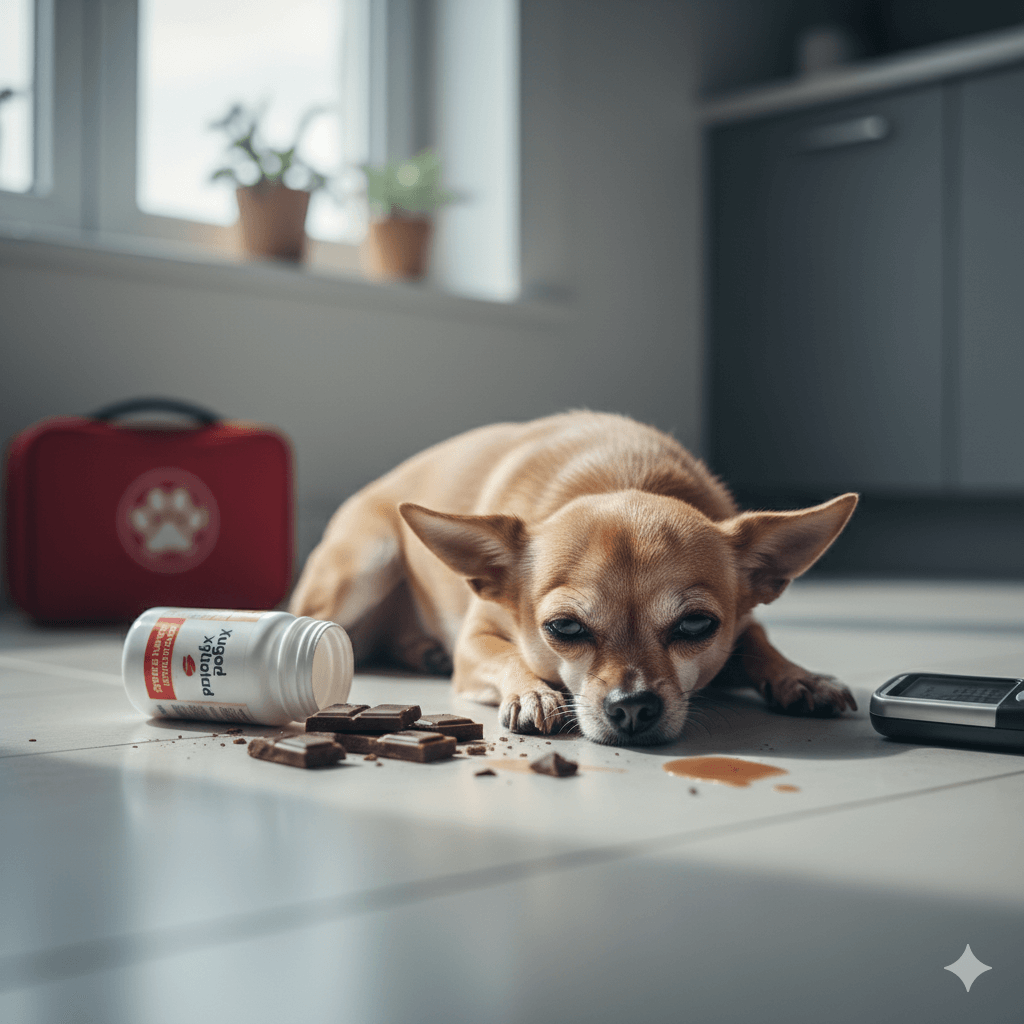

Understanding Toxins That Cause Hypoglycemia in Dogs
Hypoglycemia—dangerously low blood sugar—can strike dogs suddenly when they’re exposed to certain common toxins. Unlike naturally occurring hypoglycemia in puppies or diabetic pets, toxin-induced cases escalate rapidly and can be life-threatening. Recognizing which household or environmental substances trigger this condition is crucial for prevention and fast action. While symptoms like weakness, tremors, or collapse may seem vague at first, they often point to a toxic exposure that needs immediate care. With expert awareness, you can safeguard your dog from hidden dangers lurking in everyday items.
Common Toxins That Trigger Hypoglycemia
Several widely available substances can dangerously lower a dog’s blood glucose levels, often within hours of ingestion. These toxins interfere with normal sugar production or regulation in the liver and pancreas. Even small amounts can cause severe effects—especially in small or young dogs:
- Xylitol (Artificial Sweetener):
Found in sugar-free gum, baked goods, and dental products, xylitol causes a massive insulin surge, crashing blood sugar within 10–60 minutes. - Sago Palm Seeds and Nuts:
All parts of this ornamental plant are toxic, but the seeds contain cycasin, which damages the liver and disrupts glucose metabolism. - Certain Mushrooms (e.g., Amanita species):
Some wild mushrooms inhibit glucose production by impairing liver function, leading to delayed but severe hypoglycemia. - NSAIDs (in specific contexts):
While not direct causes, high doses of drugs like ibuprofen can trigger liver failure, indirectly leading to low blood sugar in advanced cases. - Unripe or Moldy Fruits (e.g., Ackee, Lychee):
These contain hypoglycin A or similar toxins that block fatty acid metabolism, causing acute hypoglycemia—especially in fasting dogs.
Prompt recognition of exposure to these substances can mean the difference between full recovery and irreversible organ damage.
Early Warning Signs of Toxin-Induced Hypoglycemia
Symptoms often appear quickly, especially with fast-acting toxins like xylitol. Knowing what to watch for in the first 30–120 minutes after suspected ingestion helps you act before complications arise:
- Lethargy or Sudden Weakness:
Your dog may seem unusually tired, stumble, or be unable to stand—classic signs of low brain fuel due to low glucose. - Muscle Tremors or Shaking:
Involuntary trembling, especially in the legs or jaw, signals neurological stress from energy deprivation. - Loss of Coordination:
Ataxia—wobbly walking, circling, or head tilt—can mimic neurological disorders but stems from hypoglycemic brain dysfunction. - Seizures or Collapse:
In severe cases, the brain lacks enough glucose to function, triggering convulsions or unconsciousness. - Pale Gums and Rapid Breathing:
These indicate shock or metabolic crisis, often accompanying profound hypoglycemia in toxic exposures.
If you observe any of these signs after possible toxin contact, seek emergency veterinary care—every minute counts.
Check this guide 👉Understanding Hypoglycemia in Dogs: Best 7 Expert Tips!
Check this guide 👉What Can I Give My Dog for Low Blood Sugar? Best 7 Tips!
Check this guide 👉WBC Dog Blood Test: Best 7 Expert Tips!
Common Toxic Sources | Key Clinical Red Flags |
|---|---|
Sugar-free gum or peanut butter | Vomiting within 30 minutes, then rapid drop in energy |
Sago palm landscaping | Delayed vomiting, jaundice, followed by weakness |
Wild mushroom foraging | Gastrointestinal upset first, then neurological signs |
Leftover fruit snacks or smoothies | Sudden collapse after eating unfamiliar treats |
Human supplements or chewables | Unexplained tremors after accessing medicine cabinets |
How Toxins Disrupt Blood Sugar Regulation
Toxins don’t just “lower sugar”—they hijack the body’s complex glucose control system. The liver normally releases stored glucose when levels dip, and the pancreas fine-tunes insulin output. Toxins interfere at critical points:
- Pancreatic Overstimulation:
Xylitol mimics glucose, tricking the pancreas into releasing excessive insulin—flooding cells with sugar and depleting blood levels. - Liver Damage:
Sago palm and certain mushrooms cause acute hepatocellular necrosis, crippling the liver’s ability to produce or release glucose. - Metabolic Pathway Blockade:
Hypoglycin in ackee/lychee inhibits enzymes needed for gluconeogenesis—the body’s backup system for making new sugar. - Secondary Organ Failure:
Severe toxin exposure can trigger kidney or heart stress, worsening metabolic instability and compounding hypoglycemia. - Delayed Onset Mechanisms:
Some toxins cause initial GI signs, with hypoglycemia emerging 12–24 hours later as liver damage progresses—making early monitoring essential.
This biochemical disruption explains why seemingly mild exposures can spiral into emergencies without timely intervention.
Immediate First Aid and Emergency Response
If you suspect your dog ingested a hypoglycemia-inducing toxin, act fast—but stay calm. Your quick response can stabilize them until professional help arrives:
- Check for Remaining Toxin:
Safely remove any chewed packaging or plant material from their mouth (wear gloves if needed). - Offer a Quick Sugar Source (If Alert):
Rub honey, Karo syrup, or maple syrup on their gums—only if they’re conscious and not vomiting. - Do NOT Induce Vomiting:
Without vet guidance, this can worsen liver or brain stress—especially with xylitol or hydrocarbons. - Call Your Vet or Poison Control Immediately:
Have the product label or plant photo ready to help identify the toxin and dose. - Transport Safely:
Keep your dog warm and quiet during the drive; seizures or collapse may occur en route—be prepared.
Even if your dog seems fine initially, some toxins have delayed effects—never wait to seek help.
Veterinary Diagnosis and Treatment Protocols
At the clinic, your vet will prioritize stabilizing blood sugar while identifying the specific toxin. Treatment is both supportive and targeted:
- Blood Glucose Monitoring:
Serial glucose checks every 30–60 minutes guide therapy, especially with xylitol, which can cause rebound hypoglycemia. - Intravenous Dextrose:
Continuous IV sugar infusion is often needed for hours or days to maintain safe glucose levels. - Liver Protectants:
Medications like N-acetylcysteine or s-adenosylmethionine may be given if sago palm or mushroom toxicity is suspected. - Decontamination (If Early):
Activated charcoal may be administered within 1–2 hours of ingestion to limit toxin absorption—never at home. - Hospitalization for Observation:
Even asymptomatic dogs after xylitol exposure require 12–24 hours of monitoring due to unpredictable insulin surges.
With aggressive care, many dogs recover fully—but delays drastically reduce survival odds, especially with liver-damaging toxins.
Prevention Strategies for a Toxin-Safe Home
Preventing exposure is far safer than treating poisoning. Many hypoglycemia-inducing toxins hide in plain sight in kitchens, gardens, and handbags:
- Secure All Xylitol-Containing Products:
Store gum, mints, and peanut butter in locked cabinets—never leave purses or backpacks accessible. - Remove Toxic Plants:
Eliminate sago palms from yards or replace them with pet-safe alternatives like ponytail palms. - Supervise Outdoor Foraging:
Keep dogs on leash in wooded or unfamiliar areas where wild mushrooms grow, especially after rain. - Read Ingredient Labels Carefully:
Check “sugar-free” or “low-calorie” foods, toothpaste, and supplements for xylitol—even in “natural” brands. - Educate All Household Members:
Ensure children, guests, and caregivers know which items are dangerous and how to store them safely.
A proactive, poison-aware home dramatically reduces your dog’s risk of life-threatening hypoglycemia.
High-Risk Dogs and Special Considerations
Some dogs face greater danger from these toxins due to size, age, or health status. Extra vigilance is essential for these vulnerable groups:
- Toy and Small Breeds (Under 10 lbs):
Their low body mass means even a single piece of gum can deliver a lethal xylitol dose. - Puppies Under 6 Months:
Immature livers can’t compensate for toxin-induced metabolic stress, accelerating hypoglycemia. - Diabetic Dogs on Insulin:
Toxins like xylitol can dangerously amplify insulin effects, causing catastrophic glucose drops. - Dogs with Preexisting Liver Disease:
Even mild toxin exposure can trigger fulminant liver failure and profound hypoglycemia. - Senior Dogs:
Reduced organ reserve means slower recovery and higher complication rates from metabolic crises.
For these dogs, prevention isn’t just smart—it’s lifesaving.
Frequently Asked Questions About Toxins That Cause Hypoglycemia in Dogs
Can a small lick of xylitol peanut butter hurt my dog?
Yes—even a teaspoon can cause severe hypoglycemia in a 10-pound dog. Always check labels before sharing any human food.
How quickly do symptoms appear after xylitol ingestion?
Blood sugar can drop within 10–30 minutes. Vomiting often occurs first, followed by weakness or collapse.
Are all mushrooms dangerous?
No, but many toxic species look like edible ones. Assume any wild mushroom is poisonous and keep dogs away.
Is there an antidote for sago palm poisoning?
There’s no specific antidote, but aggressive supportive care (IV fluids, liver protectants, glucose) improves survival chances.
Can hypoglycemia cause permanent brain damage?
Prolonged or severe low blood sugar can lead to seizures and irreversible neurological injury—prompt treatment is critical.
Protecting Your Dog from Hidden Hypoglycemia Threats
Toxins that cause hypoglycemia in dogs are silent, swift, and often underestimated—yet entirely preventable with awareness and care. By understanding which substances pose the greatest risk, recognizing early signs, and acting decisively, you become your dog’s first and best line of defense. Never assume “just a taste” is harmless; with toxins like xylitol, the dose makes the poison, and even tiny amounts can be deadly. Equip your home, educate your household, and keep emergency contacts handy. In the face of hidden dangers, your knowledge and readiness are the most powerful tools to keep your dog safe, healthy, and by your side for years to come.
Is Rawhide Bad for Cats? Best 7 Expert Tips! – Discover the risks, safe alternatives, and expert advice to keep your feline friend healthy and happy.

Is Rawhide Bad for Dogs? Best 7 Expert Tips! – Discover the risks, benefits, and safer alternatives to rawhides for your dog’s chewing needs.

Understanding Anorexia in Cats: Best 7 Expert Tips! – Learn why cats stop eating, spot warning signs, and discover how to help your feline regain appetite safely.

Understanding Anorexia in Dogs: Best 7 Expert Tips! – Learn causes, symptoms, and solutions to help your dog regain appetite and stay healthy.