Is Aspirin Toxic to Dogs
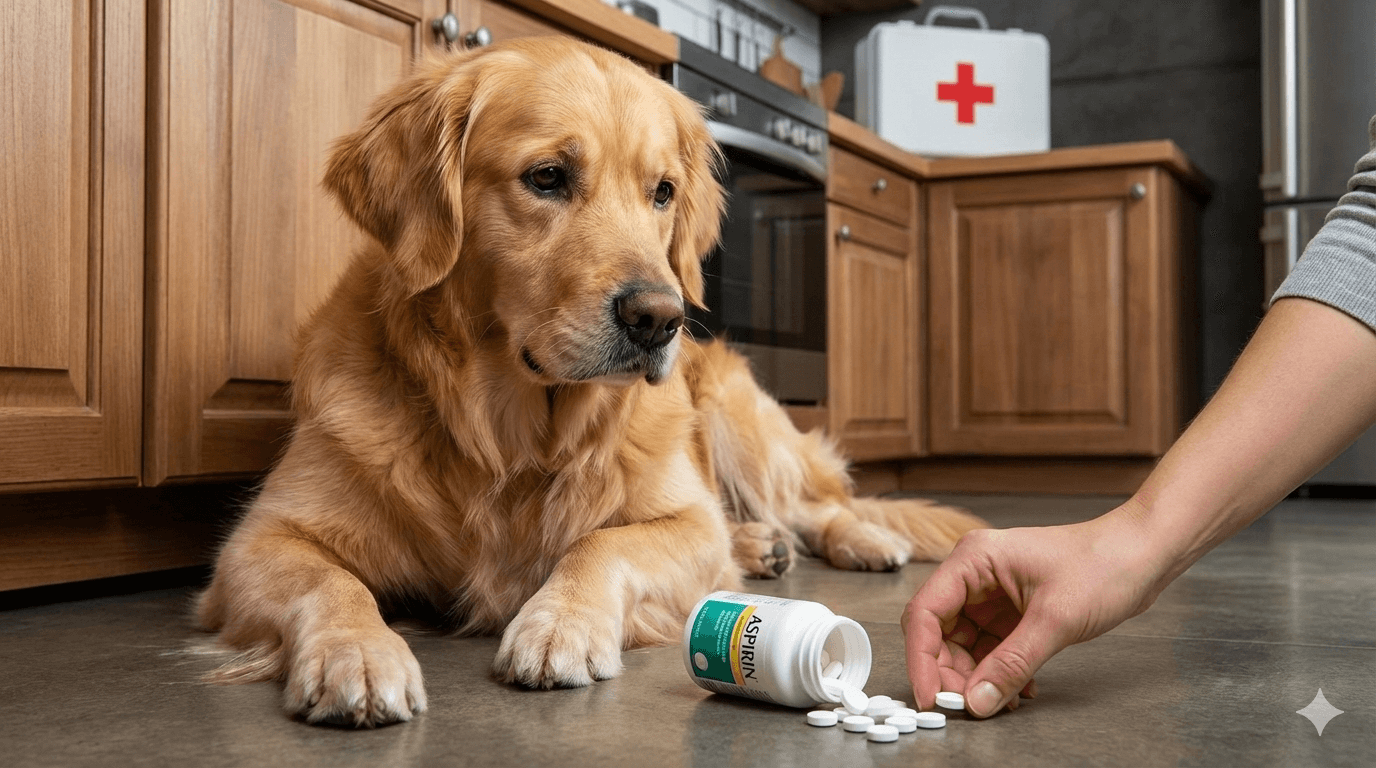
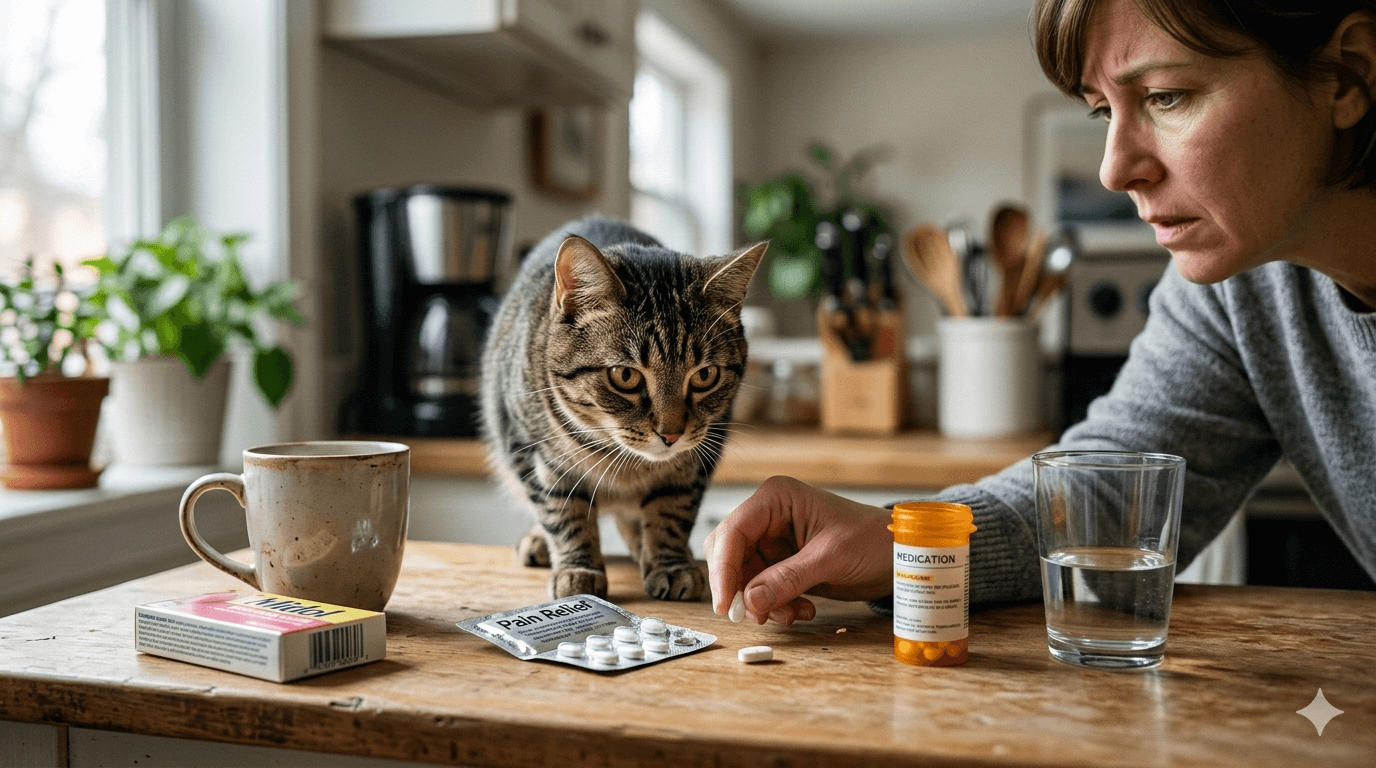
The question “Is aspirin toxic to dogs?” is one many worried pet owners ask—especially after finding a chewed-up bottle or noticing their dog showing odd symptoms. While aspirin is a common human pain reliever, it’s not safe for dogs without strict veterinary oversight. Even small doses can lead to serious side effects, including stomach ulcers, kidney damage, or worse. Understanding the risks, safe alternatives, and emergency steps can mean the difference between a quick recovery and a life-threatening crisis.
How Aspirin Affects a Dog’s Body
Aspirin belongs to a class of drugs called nonsteroidal anti-inflammatory drugs (NSAIDs), which reduce pain and inflammation by interfering with certain enzymes in the body. But dogs process these drugs very differently than humans—making accidental or unsupervised use especially dangerous. Here’s what happens when a dog ingests aspirin:
- Gastrointestinal Irritation:
Aspirin inhibits protective prostaglandins in the stomach lining, often causing vomiting, diarrhea, or even severe ulcers within hours. - Impaired Blood Clotting:
Aspirin thins the blood by affecting platelet function, which can lead to prolonged bleeding—even from minor injuries. - Kidney Stress or Failure:
Reduced blood flow to the kidneys (due to aspirin’s effect on circulation) can trigger acute kidney injury, especially in older or dehydrated dogs. - Liver Metabolism Overload:
The liver must process aspirin, and an overdose can overwhelm this organ, leading to elevated liver enzymes or toxicity. - Central Nervous System Effects:
In high doses, dogs may show tremors, seizures, lethargy, or loss of balance as aspirin affects brain function.
Because of these systemic risks, aspirin should never be given to a dog without explicit direction and dosage guidance from a veterinarian.
Signs of Aspirin Toxicity in Dogs
Recognizing early symptoms of aspirin poisoning is critical—you may have only a few hours to act before damage becomes severe. Toxicity can appear within 4–6 hours of ingestion, even with over-the-counter “low-dose” tablets. Watch closely for these warning signs:
- Vomiting (Sometimes with Blood):
Bright red blood or dark, coffee-ground-like material in vomit signals stomach ulceration. - Black, Tarry Stools:
Known as melena, this indicates digested blood from intestinal bleeding—a medical emergency. - Excessive Thirst and Urination:
Early signs of kidney distress, which may progress to decreased urination if damage worsens. - Pale Gums or Weak Pulse:
These suggest anemia or internal bleeding due to impaired clotting. - Lethargy or Collapse:
A dog may become unresponsive, wobbly, or unable to stand as toxicity affects multiple organs.
If you suspect your dog has ingested aspirin—even one tablet—contact your vet or a pet poison helpline immediately. Time is tissue.
Check this guide 👉Can I Give My Dog Aspirin for a Limp? Best 7 Health Tips!
Check this guide 👉Can I Give My Dog a Baby Aspirin? Best 7 Health Tips!
Check this guide 👉How Much Ibuprofen Can I Give My Dog? Best 7 Expert Tips!
Safe Pain Management Options | Dangerous Human Medications to Avoid |
|---|---|
Vet-prescribed NSAIDs like Carprofen or Meloxicam | Aspirin (acetylsalicylic acid) |
Gabapentin for nerve pain (vet-approved) | Ibuprofen (Advil, Motrin) |
Physical therapy or cold laser treatment | Naproxen (Aleve) |
Joint supplements (glucosamine, omega-3s) | Acetaminophen (Tylenol)—extremely toxic |
Weight management to reduce joint stress | Any “leftover” human meds without vet approval |
What to Do If Your Dog Eats Aspirin
Accidents happen—but how you respond can save your dog’s life. Quick, calm action is essential. Never induce vomiting unless instructed by a professional, as this can worsen damage in some cases.
- Note the Dose and Time:
Check how many milligrams were ingested and when. Even “baby aspirin” (81 mg) can be toxic to small dogs. - Call Your Veterinarian Immediately:
Describe the situation clearly—they may advise emergency care or guide you through next steps. - Contact a Pet Poison Control Hotline:
Services like the ASPCA Animal Poison Control (888-426-4435) or Pet Poison Helpline (855-764-7661) offer 24/7 guidance (fees may apply). - Do Not Give Home Remedies:
Milk, activated charcoal, or hydrogen peroxide should only be used if explicitly directed by a vet. - Prepare for Emergency Treatment:
If toxicity is confirmed, your dog may need IV fluids, stomach protectants, blood transfusions, or hospitalization.
Swift intervention dramatically improves outcomes—so act fast, even if your dog seems “fine” at first.
Safe Alternatives to Aspirin for Canine Pain Relief
Many pet owners reach for aspirin out of concern for their dog’s discomfort, not realizing safer, more effective options exist. Veterinarians have a range of tools to manage pain without risking toxicity:
- Prescription NSAIDs:
Drugs like Carprofen (Rimadyl), Meloxicam (Metacam), or Firocoxib (Previcox) are formulated specifically for dogs’ metabolism. - Non-Drug Therapies:
Acupuncture, therapeutic laser, hydrotherapy, or massage can relieve pain with zero medication risk. - Supplements for Joint Health:
Glucosamine, chondroitin, turmeric (curcumin), and omega-3 fatty acids support long-term mobility and reduce inflammation. - Weight and Exercise Management:
Keeping your dog at a healthy weight reduces strain on joints—often more effective than painkillers alone. - Environmental Modifications:
Ramps, orthopedic beds, and non-slip flooring help arthritic dogs move comfortably without pain triggers.
Always consult your vet before starting any new pain regimen—what works for one dog may harm another.
Breeds and Conditions at Higher Risk from Aspirin
While all dogs are vulnerable to aspirin toxicity, some face even greater danger due to genetics, age, or existing health issues. Extra caution is needed with these groups:
- Toy and Small Breeds (e.g., Chihuahua, Yorkie):
Their low body weight means even a tiny dose can become toxic quickly. - Senior Dogs:
Older dogs often have reduced kidney or liver function, making aspirin metabolism slower and more dangerous. - Dogs with Preexisting GI Issues:
A history of ulcers, IBD, or pancreatitis increases the risk of severe bleeding or perforation. - Brachycephalic Breeds (e.g., Bulldog, Pug):
These dogs may struggle to breathe if aspirin causes internal bleeding or fluid shifts. - Dogs on Other Medications:
Aspirin interacts dangerously with steroids, other NSAIDs, anticoagulants, and some antibiotics—never combine without vet approval.
For these dogs, aspirin is almost never worth the risk—safer, tailored alternatives are always available.
Preventing Accidental Aspirin Exposure at Home
The best treatment for aspirin toxicity is prevention. Most cases happen when dogs chew through pill bottles, lick spilled medication, or are mistakenly given “just a little” by well-meaning owners.
- Store Medications Securely:
Keep all human drugs in high, locked cabinets—not in purses, nightstands, or open countertops. - Never Use “Leftover” Human Meds:
Even if a friend’s dog “took aspirin fine,” individual reactions vary wildly—your dog could be the exception. - Educate All Household Members:
Ensure kids, visitors, and family understand that no human painkiller is safe for dogs without vet instruction. - Use Pet-Specific Medications Only:
If your dog needs pain relief, ask your vet for a dog-safe option—never improvise. - Dispose of Pills Safely:
Don’t toss unused aspirin in the trash where a curious dog can reach it—use pharmacy take-back programs.
A moment of caution today can prevent a life-threatening emergency tomorrow.
Key Takeaways for Safe Medication Practices Around Dogs
Keeping your dog safe from accidental poisoning starts with awareness and proactive habits. Medication errors are among the most common—and preventable—pet emergencies. These essential tips can help you create a safer home for your canine companion:
- Human Medications Are Not Dog Medications:
Just because a drug is safe for you doesn’t mean it’s safe for your dog—biological differences make many human pills dangerous or deadly. - Store All Pills Out of Reach:
Use child-proof, latched cabinets well above floor level—curious dogs can open drawers, jump onto counters, or chew through bottles. - Never Guess the Dose:
Even “harmless” supplements or low-dose pain relievers can be toxic without precise veterinary calculation based on weight and health status. - Educate Everyone in the Household:
Kids, guests, and even well-meaning relatives should know never to give your dog any medication without your explicit approval and vet guidance. - Have Emergency Contacts Ready:
Save your vet’s number and a pet poison control hotline (like 855-764-7661) in your phone for instant access during a crisis.
By treating every pill as a potential hazard, you turn your home into a truly dog-safe space—where comfort comes from care, not risk.
Frequently Asked Questions About Aspirin and Dogs
Can a dog survive aspirin poisoning?
Yes—with prompt veterinary care. Survival depends on dose, time to treatment, and the dog’s overall health.
Is baby aspirin safer for dogs?
No. Even low-dose (81 mg) aspirin can cause ulcers or kidney damage, especially in small dogs.
How much aspirin is toxic to a dog?
As little as 10–25 mg per pound can cause toxicity. A single adult aspirin (325 mg) could seriously harm a 15-pound dog.
Can vets ever prescribe aspirin?
Rarely—and only in specific, monitored cases (e.g., certain heart conditions). Never assume it’s safe without their direct order.
What should I do if my dog ate aspirin an hour ago?
Call your vet or a pet poison helpline immediately. Do not wait for symptoms to appear.
Protecting Your Dog from Hidden Medication Dangers
Aspirin may seem harmless in your medicine cabinet—but for your dog, it’s a silent threat hiding in plain sight. The truth is, our best intentions can sometimes lead to the worst outcomes when we assume human remedies apply to pets. By choosing vet-approved care, storing medications safely, and acting fast in emergencies, you become your dog’s greatest protector. Remember: a pain-free dog isn’t achieved through human shortcuts, but through compassionate, species-appropriate choices. In the end, your dog’s trust is worth far more than the risk of a single pill.
Newfoundland Dog Personality: Best 7 Expert Tips! – Discover the gentle, loyal, and protective nature of this giant breed perfect for families.
Can Hot Pavement Burn Your Cats Paws? Best 7 Expert Tips! – Learn how to protect your cat’s paws from hot surfaces and prevent painful burns this summer.
Can Hot Pavement Burn Your Dogs Paws? Best 7 Expert Tips! – Learn how to protect your dog’s paws from hot surfaces and ensure safe summer walks.
Irish Wolfhound Size: Best 7 Expert Tips! – Discover the ideal height, weight, and care tips for this majestic giant breed. Learn how to manage their impressive stature responsibly.