

Understanding Swollen Corner of Cats Eye: Best 7 Expert Tips!
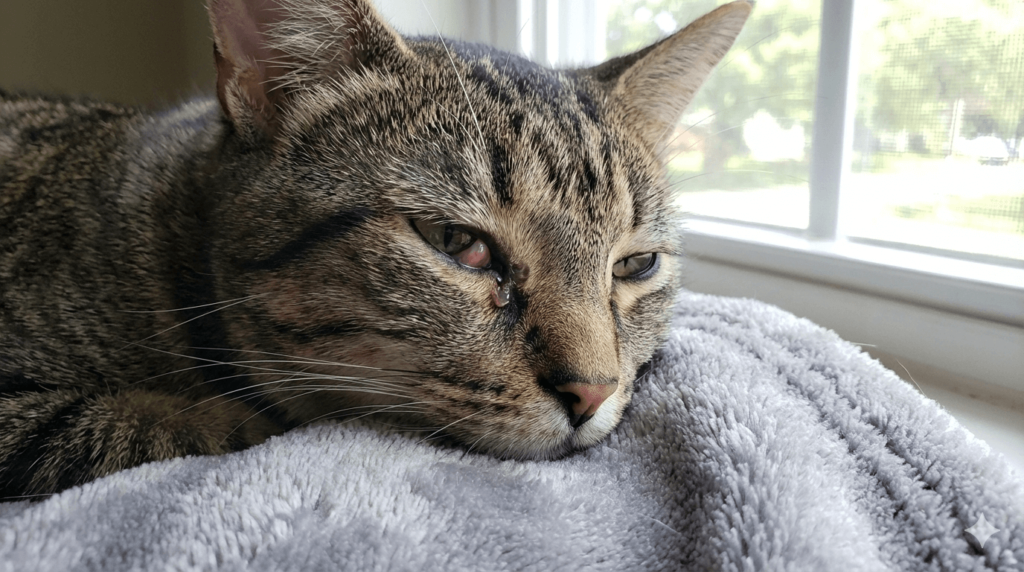
A swollen corner of your cat’s eye can be alarming—but it’s often a sign of a treatable condition rather than a dire emergency. Whether caused by infection, allergy, injury, or a blocked tear duct, this symptom warrants gentle observation and, in many cases, prompt veterinary care. Early intervention not only relieves discomfort but also protects your cat’s vision and overall eye health. While some mild irritations resolve on their own, others need professional diagnosis to rule out serious issues like conjunctivitis or corneal ulcers. With the right knowledge and care, you can help your feline friend recover comfortably and safely.
Common Causes of a Swollen Eye Corner in Cats
Swelling near the inner or outer corner of a cat’s eye rarely happens without an underlying trigger. Identifying potential causes helps you respond appropriately and communicate effectively with your veterinarian during evaluation:
- Conjunctivitis (Pink Eye):
This inflammation of the eye’s mucous membrane often causes redness, discharge, and noticeable swelling at the inner corner—especially in viral or bacterial forms. - Foreign Body Irritation:
Dust, plant material, or stray hairs trapped near the eye can trigger localized swelling, squinting, and pawing at the face. - Allergic Reaction:
Environmental allergens like pollen, smoke, or cleaning products may lead to mild swelling, watery eyes, and itching without significant discharge. - Blocked or Infected Tear Duct:
When tear drainage is obstructed, fluid builds up near the inner corner, sometimes causing swelling, crusting, or persistent wetness beneath the eye. - Trauma or Injury:
A scratch from another pet, bump into furniture, or even rough play can result in bruising, swelling, or a small hematoma near the eye socket.
Most cases are manageable with proper care—but if swelling persists beyond 24 hours or worsens, professional evaluation is essential to prevent complications.
When to Seek Immediate Veterinary Attention
While mild eye swelling may resolve with rest, certain warning signs indicate a more urgent issue requiring same-day veterinary care. Ignoring these could risk permanent eye damage or systemic illness:
- Swelling Accompanied by Green or Yellow Discharge:
Thick, pus-like discharge often signals a bacterial infection needing antibiotics—especially common in kittens with upper respiratory viruses. - Visible Third Eyelid or Eye Closure:
If your cat keeps the eye partially shut or you see the nictitating membrane protruding, pain or corneal injury is likely present. - Swelling That Spreads to the Face or Nose:
Rapidly expanding inflammation may indicate an abscess, dental infection, or severe allergic reaction requiring emergency treatment. - Cloudiness or Change in Eye Color:
A hazy, bluish, or opaque appearance suggests corneal ulceration or uveitis—both vision-threatening conditions. - Lethargy, Fever, or Loss of Appetite:
Systemic symptoms combined with eye swelling point to an underlying illness like feline herpesvirus or calicivirus infection.
Never attempt to treat significant eye issues with home remedies—cat eyes are delicate, and delays can lead to irreversible damage.
Check this guide 👉Causes of Cat Eye Infection: Best 7 Expert Tips!
Check this guide 👉How Long Do Cat Eye Infections Last? Best 7 Expert Tips!
Check this guide 👉Cat Eye Inflammation: Best 7 Expert Tips!
Early Warning Signs | Serious Red Flags Requiring Vet Care |
|---|---|
Mild puffiness at inner eye corner | Swelling that worsens within hours |
Occasional eye rubbing | Constant pawing or squinting |
Clear, watery discharge | Thick yellow/green discharge |
Normal behavior otherwise | Hiding, not eating, or lethargic |
One mildly irritated eye | Both eyes affected or facial swelling |
Home Care for Mild Eye Swelling
If your vet confirms the swelling is minor and non-infectious, gentle at-home support can aid recovery—always under professional guidance. Never apply human eye drops or ointments without approval:
- Keep the Area Clean:
Use a sterile saline solution or vet-recommended eye wash to gently wipe away discharge with a soft, damp cloth—use a fresh section for each eye. - Prevent Self-Trauma:
Consider a soft E-collar if your cat is rubbing the eye excessively, as this can worsen irritation or cause corneal scratches. - Reduce Environmental Irritants:
Avoid strong perfumes, smoke, or dusty litter near your cat during recovery to minimize further irritation. - Monitor Closely:
Check the eye 2–3 times daily for changes in swelling, color, or behavior—photographing can help track progression. - Support Immune Health:
For cats with recurrent herpes-related eye issues, your vet may recommend L-lysine supplements or stress-reduction strategies.
Even with home care, follow up with your vet if improvement isn’t seen within 1–2 days—what seems mild can escalate quickly.
Preventing Recurrent Eye Swelling in Cats
Many causes of eye corner swelling are preventable with consistent hygiene, health monitoring, and environmental management—especially in multi-cat households or cats with chronic conditions:
- Vaccinate Against Feline Viruses:
Core vaccines for feline herpesvirus and calicivirus significantly reduce the risk of viral conjunctivitis outbreaks. - Maintain Clean Living Spaces:
Regularly wash bedding, clean food bowls, and vacuum to reduce dust, pollen, and bacterial buildup that irritate eyes. - Trim Facial Hair (If Needed):
In flat-faced breeds like Persians, long fur near the eyes can trap debris—gentle trimming by a groomer may help. - Avoid Direct Airflow:
Keep your cat away from direct fan or AC vents, which can dry out eyes and increase irritation susceptibility. - Schedule Routine Wellness Checks:
Annual exams allow early detection of dental disease, tear duct abnormalities, or chronic conditions that affect eye health.
Prevention is especially crucial for senior cats or those with weakened immune systems, who are more prone to recurrent issues.
Special Considerations for Kittens and Brachycephalic Breeds
Certain cats are far more vulnerable to eye swelling due to anatomy or age. Extra vigilance is needed for these high-risk groups:
- Kittens Under 6 Months:
Their immune systems are immature, and upper respiratory infections (often viral) frequently present with severe eye swelling and discharge. - Flat-Faced Breeds (Persians, Himalayans, etc.):
Shallow eye sockets and protruding eyes make them prone to irritation, tear overflow, and blocked ducts leading to chronic swelling. - Outdoor or Feral Cats:
Higher exposure to fights, scratches, and environmental pathogens increases injury and infection risk around the eyes. - Cats with Feline Herpesvirus (FHV-1):
This lifelong virus can reactivate during stress, causing recurrent conjunctivitis and inner eye corner swelling. - Senior Cats:
Age-related issues like entropion (inward-turning eyelids) or tumors can mimic simple swelling—always get new symptoms checked.
For these groups, even minor eye changes should prompt a vet visit rather than a “wait-and-see” approach.
What to Expect During a Veterinary Eye Exam
If you bring your cat in for eye swelling, the vet will perform a thorough ocular assessment to pinpoint the cause and recommend targeted treatment:
- Fluorescein Stain Test:
A harmless orange dye highlights scratches, ulcers, or abrasions on the cornea under blue light. - Schirmer Tear Test:
Measures tear production to rule out dry eye, which can mimic or contribute to inflammation. - Intraocular Pressure Check:
Helps detect glaucoma or uveitis, both of which can cause swelling and require urgent management. - Microscopic Discharge Analysis:
Swabs may be taken to identify bacterial, fungal, or viral agents, especially in persistent cases. - Full Physical Exam:
Since eye issues can stem from dental abscesses or systemic illness, your vet will check lymph nodes, mouth, and overall condition.
Most cats tolerate these quick, non-invasive tests well—and accurate diagnosis ensures the right treatment from the start.
Additional Signs to Monitor Alongside Swollen Eye Corners
While eye swelling is the primary concern, cats often display subtle secondary behaviors or physical changes that provide valuable clues about the underlying issue. Observing these can help you give your vet a more complete picture and support faster, more accurate diagnosis:
- Excessive Blinking or Squinting:
Rapid blinking or holding the eye partially closed suggests pain, light sensitivity, or corneal irritation. - Pawing or Rubbing at the Face:
Repeatedly scratching near the eye may indicate itching from allergies—or discomfort from an ulcer or foreign object. - Tear Staining or Moist Fur Beneath the Eye:
Chronic wetness can signal a blocked tear duct, especially if the fur below the eye turns reddish-brown over time. - Changes in Grooming Habits:
A cat in eye discomfort may groom less overall or avoid cleaning around the face due to pain. - Hiding or Reduced Interaction:
Withdrawal from family, avoiding light, or reluctance to play can be signs your cat is feeling unwell beyond just eye irritation.
Noticing these supporting signs early allows you to act before a mild issue becomes serious—because in feline health, small changes often mean big things.
“Cherry eye is a rare eye condition in cats. It appears as a smooth pink or red swelling in the inside corner of the eye. When cherry eye happens in cats, it’s most likely in Burmese or Persian cats.”
Frequently Asked Questions About Swollen Corner of Cat’s Eye
Can a swollen eye corner go away on its own?
Mild allergic or irritant-related swelling may improve within 24 hours, but infection or injury rarely resolves without treatment.
Is it safe to use saline solution at home?
Yes—sterile saline (not contact lens solution) can gently flush mild irritants, but avoid it if the eye is cloudy, bleeding, or severely swollen.
Why is only the inner corner swollen?
The inner corner houses the tear duct opening—blockage, infection, or conjunctivitis often concentrates swelling there.
Can stress cause eye swelling in cats?
Indirectly—stress can reactivate latent herpesvirus, leading to conjunctivitis and inner eye swelling in susceptible cats.
Should I isolate my cat if one eye is swollen?
If you have other cats, yes—especially if discharge is present, as viral or bacterial causes can be contagious.
Caring for Your Cat’s Vision with Vigilance and Love
Your cat’s eyes are windows not just to the world, but to their overall health. A swollen corner may seem minor, but it’s often a signal worth listening to. By responding with calm observation, timely care, and preventive habits, you protect not only their comfort but their precious sight. Remember, cats hide pain well—so even subtle changes deserve your attention. With your support, most eye issues resolve fully, allowing your feline companion to return to their curious, bright-eyed self. In the end, your gentle care is the best medicine for any ailment, big or small.

Is Rawhide Bad for Cats? Best 7 Expert Tips! – Discover the risks, safe alternatives, and expert advice to keep your feline friend healthy and happy.

Is Rawhide Bad for Dogs? Best 7 Expert Tips! – Discover the risks, benefits, and safer alternatives to rawhides for your dog’s chewing needs.

Understanding Anorexia in Cats: Best 7 Expert Tips! – Learn why cats stop eating, spot warning signs, and discover how to help your feline regain appetite safely.

Understanding Anorexia in Dogs: Best 7 Expert Tips! – Learn causes, symptoms, and solutions to help your dog regain appetite and stay healthy.