
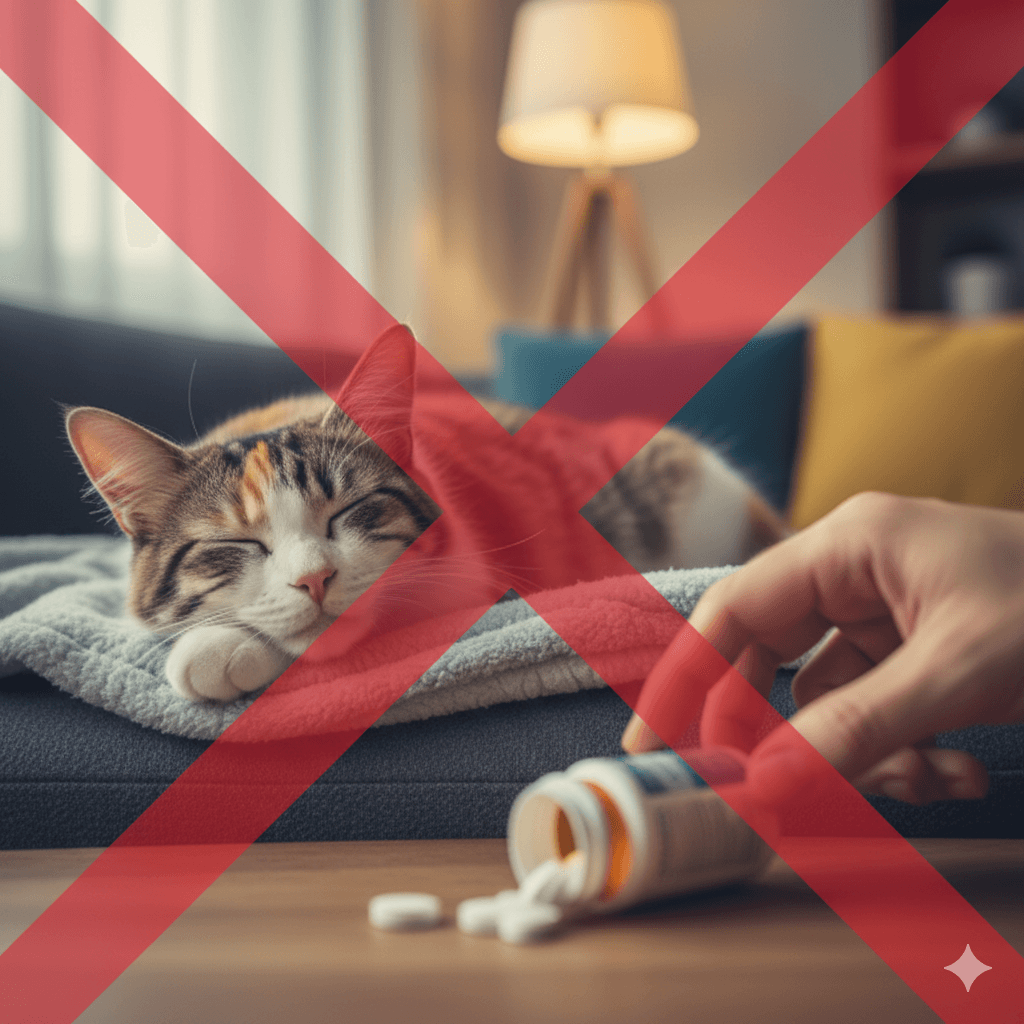

Can I Give My Cat Sleeping Pills: Best 7 Expert Tips!

Can I Give My Cat Sleeping Pills: Best 7 Expert Tips!

Can I Give My Cat Sleeping Pills

If your cat seems restless, anxious, or is keeping you awake at night, you might wonder whether a sleeping pill could help. While the idea may sound tempting, giving human sleep aids—or even veterinary sedatives—without professional guidance can be extremely dangerous for felines. Cats metabolize medications very differently than humans, and even small doses of common ingredients can cause serious harm. Understanding safe alternatives and when to seek veterinary support is essential for your cat’s well-being. Always prioritize safety over convenience when it comes to feline sleep issues.

Common Reasons Cats Struggle with Sleep

Cats are naturally crepuscular—most active at dawn and dusk—but changes in routine, health, or environment can disrupt their rest. Before considering any intervention, it’s important to identify the root cause of your cat’s sleeplessness:

 
  • Medical Discomfort:
    Pain from arthritis, dental disease, hyperthyroidism, or urinary issues can prevent a cat from settling down comfortably.
     
  • Anxiety or Stress:
    Moving homes, new pets, loud noises, or changes in household dynamics may trigger restlessness or nighttime vocalization.
     
  • Cognitive Decline in Seniors:
    Older cats often experience feline cognitive dysfunction, which can lead to confusion, pacing, and reversed sleep cycles.
     
  • Boredom or Understimulation:
    Indoor cats with little daytime activity may conserve energy for nighttime “zoomies” or attention-seeking behavior.
     
  • Disrupted Routine:
    Irregular feeding times, inconsistent play schedules, or lack of a secure sleeping space can interfere with natural sleep patterns.
 

Addressing the underlying cause—not just the symptom—is the safest and most effective path to restoring peaceful rest for your cat.

Can I Give My Cat Sleeping Pills: Best 7 Expert Tips!

Why Human Sleeping Pills Are Dangerous for Cats

Many over-the-counter or prescription sleep aids contain ingredients that are toxic or poorly tolerated by cats. Their unique liver enzymes cannot process common human medications safely, leading to severe reactions:

 
  • Antihistamines (e.g., Diphenhydramine):
    While sometimes used under vet supervision, incorrect dosing can cause agitation, seizures, or heart abnormalities in cats.
     
  • Melatonin:
    Generally considered low-risk in small doses, but formulations with xylitol (a sweetener) are deadly—and many human products contain it.
     
  • Benzodiazepines (e.g., Valium, Xanax):
    These require extreme caution; some cats paradoxically become hyperactive or aggressive instead of sedated.
     
  • Doxylline or “Sleep Formula” Blends:
    Multi-ingredient supplements often include herbs or additives with unknown safety profiles in felines.
     
  • NSAIDs or Pain Relievers Mixed In:
    Some nighttime formulas contain acetaminophen or ibuprofen—both are lethal to cats, even in tiny amounts.
 

Never assume a human sleep aid is safe for your cat—always consult a veterinarian before administering anything.

Safe Approaches to Feline Sleep Support
Dangerous or Risky Practices to Avoid
Veterinary-prescribed sedatives (e.g., gabapentin)
Giving human melatonin gummies or tablets
Environmental enrichment and daytime play
Using over-the-counter “sleep aids” without vet approval
Pheromone diffusers (e.g., Feliway)
Administering leftover pet or human medication
Consistent feeding and bedtime routines
Assuming “natural” means safe—many herbs harm cats
Warm, quiet, elevated sleeping spots
Ignoring medical causes behind sleep disruption

Safe, Vet-Approved Alternatives for Restless Cats

If your cat truly needs help relaxing, several safe, evidence-based options exist—but only under veterinary direction. These focus on calming without sedation or risk:

 
  • Prescription Medications:
    Drugs like low-dose gabapentin or trazodone are commonly used for anxiety or travel and may improve sleep in stressed cats.
     
  • Feliway Diffusers or Sprays:
    These release synthetic feline facial pheromones that signal safety, reducing nighttime pacing or meowing in anxious cats.
     
  • Structured Daytime Enrichment:
    Interactive toys, puzzle feeders, and 2–3 play sessions mimicking hunting can tire your cat out naturally by bedtime.
     
  • Nighttime Routine Adjustments:
    A late meal, dimmed lights, and quiet time 1–2 hours before bed help signal that it’s time to wind down.
     
  • Senior-Specific Support:
    For older cats, treating underlying conditions (e.g., thyroid imbalance) often restores normal sleep more effectively than sedatives.
 

These strategies support your cat’s natural biology rather than suppressing it—leading to healthier, longer-term results.


How to Create a Sleep-Friendly Environment for Your Cat

Sometimes, the solution isn’t medication at all—but a better sleep sanctuary. Cats need security, warmth, and quiet to rest deeply, especially as they age:

 
  • Provide Elevated, Enclosed Beds:
    Cats feel safest off the ground and partially hidden—try a covered bed on a shelf or in a quiet closet.
     
  • Minimize Nighttime Distractions:
    Close curtains to block streetlights, reduce household noise, and avoid late-night vacuuming or loud TV.
     
  • Use Nightlights Sparingly:
    Complete darkness can disorient senior cats; a very dim nightlight in the hallway may help without disrupting sleep cycles.
     
  • Keep Litter Boxes Accessible:
    Older or ill cats may wake due to urgency—ensure a clean box is nearby to avoid stress-induced pacing.
     
  • Avoid Reinforcing Night Activity:
    Never feed, play with, or comfort your cat during midnight disruptions—this rewards the behavior and prolongs it.
 

A thoughtfully designed environment often resolves sleep issues without a single pill.


Special Considerations for Senior or Chronically Ill Cats

Older cats or those with health conditions often experience sleep disturbances that mimic behavioral problems but are actually medical:

 
  • Hyperthyroidism:
    Causes restlessness, weight loss, and vocalization—common in cats over 10 and easily diagnosed with a blood test.
     
  • Arthritis Pain:
    Makes it hard to find a comfortable position; pain management (e.g., Solensia injections) can dramatically improve rest.
     
  • Sensory Decline:
    Loss of vision or hearing can increase nighttime anxiety—tactile cues and consistent layouts help them feel secure.
     
  • Kidney Disease:
    Leads to increased thirst and urination, causing frequent waking; managing hydration and diet improves comfort.
     
  • Cognitive Dysfunction Syndrome (CDS):
    Similar to dementia, it disrupts day-night cycles—vets may recommend supplements like Senilife or Novifit.
 

In these cases, treating the illness—not the sleep symptom—is the real solution.

What to Do If You’ve Already Given Your Cat a Sleeping Pill

Accidental exposure to human sleep aids requires immediate action. Even if your cat seems fine, toxic effects can be delayed:

 
  • Call Your Vet or Pet Poison Control:
    In the U.S., contact the ASPCA Animal Poison Control Center (888-426-4435) or Pet Poison Helpline (855-764-7661) right away.
     
  • Do Not Induce Vomiting Unless Instructed:
    Some substances cause more harm coming back up—wait for professional guidance.
     
  • Provide Product Details:
    Have the medication bottle ready—name, dose, inactive ingredients (especially xylitol), and time of ingestion.
     
  • Monitor for Warning Signs:
    Watch for vomiting, lethargy, tremors, difficulty breathing, or unusual behavior—and report them immediately.
     
  • Seek Emergency Care If Needed:
    Time is critical with toxic exposures; don’t wait for symptoms to appear before seeking help.
 

Quick response can mean the difference between a minor scare and a life-threatening emergency.

Expert-Recommended Calming Strategies Before Considering Medication

Before ever contemplating sleep aids, veterinarians and feline behaviorists strongly advise trying non-pharmacological approaches. These methods address the root cause of restlessness while keeping your cat safe and stress-free:

 
  • Schedule Interactive Play Before Bed:
    Mimic natural hunting rhythms with 10–15 minutes of wand toy play followed by a small meal to trigger the “hunt-eat-sleep” cycle.
     
  • Use Feline-Specific Pheromone Therapy:
    Plug-in diffusers like Feliway Classic release calming pheromones that reduce anxiety-driven nighttime vocalization and pacing.
     
  • Create a Dedicated Nighttime Sanctuary:
    Set up a quiet, warm room with a cozy bed, clean litter box, and fresh water—away from household traffic or loud appliances.
     
  • Maintain Absolute Consistency in Routine:
    Feed, play, and wind down at the same times every day; cats thrive on predictability, which naturally regulates sleep.
     
  • Rule Out Medical Issues with a Vet Visit:
    Ask for bloodwork, urinalysis, and a senior panel if your cat is over 7—many “behavioral” sleep problems stem from hidden pain or illness.
 

These science-backed, medication-free strategies not only promote rest but also strengthen your bond and support your cat’s long-term emotional health.

“Never give your cat medication that has not been prescribed by a veterinarian.”

Frequently Asked Questions About Cats and Sleep Aids

Can I give my cat melatonin?

Only under veterinary supervision—and never in gummy or flavored forms, which often contain xylitol. Dosing must be precise.

Rarely. While sometimes used for allergies, it can cause hyperactivity in cats and is not a reliable sedative.

Feliway, structured play, and consistent routines are safest. Avoid essential oils, valerian, or chamomile—many are toxic to cats.

Common causes include hunger, loneliness, medical pain, or cognitive decline—especially in seniors. Rule out illness first.

Yes, but only in specific cases (e.g., travel, severe anxiety) and with medications formulated or dosed for feline safety.

Prioritizing Your Cat’s Safety Over Quick Fixes

The urge to help your cat sleep peacefully is rooted in love—but true care means choosing methods that protect their health, not just silence the noise. Cats are exquisitely sensitive to medications, and what seems like a harmless pill to us can be a poison to them. By focusing on environment, routine, and veterinary-guided solutions, you honor your cat’s natural rhythms while addressing the real reasons behind their restlessness. In the quiet moments of a well-rested night, you’ll both benefit from a solution built on understanding, not risk. And that’s the kind of peace that lasts longer than any pill ever could.

Is Rawhide Bad for Cats? Best 7 Expert Tips!

Is Rawhide Bad for Cats? Best 7 Expert Tips! – Discover the risks, safe alternatives, and expert advice to keep your feline friend healthy and happy.

Is Rawhide Bad for Dogs? Best 7 Expert Tips!

Is Rawhide Bad for Dogs? Best 7 Expert Tips! – Discover the risks, benefits, and safer alternatives to rawhides for your dog’s chewing needs.

Understanding Anorexia in Cats: Best 7 Expert Tips!

Understanding Anorexia in Cats: Best 7 Expert Tips! – Learn why cats stop eating, spot warning signs, and discover how to help your feline regain appetite safely.

Understanding Anorexia in Dogs: Best 7 Expert Tips!

Understanding Anorexia in Dogs: Best 7 Expert Tips! – Learn causes, symptoms, and solutions to help your dog regain appetite and stay healthy.

Leave a Reply

Your email address will not be published. Required fields are marked *