
Should I Adopt an Older Dog
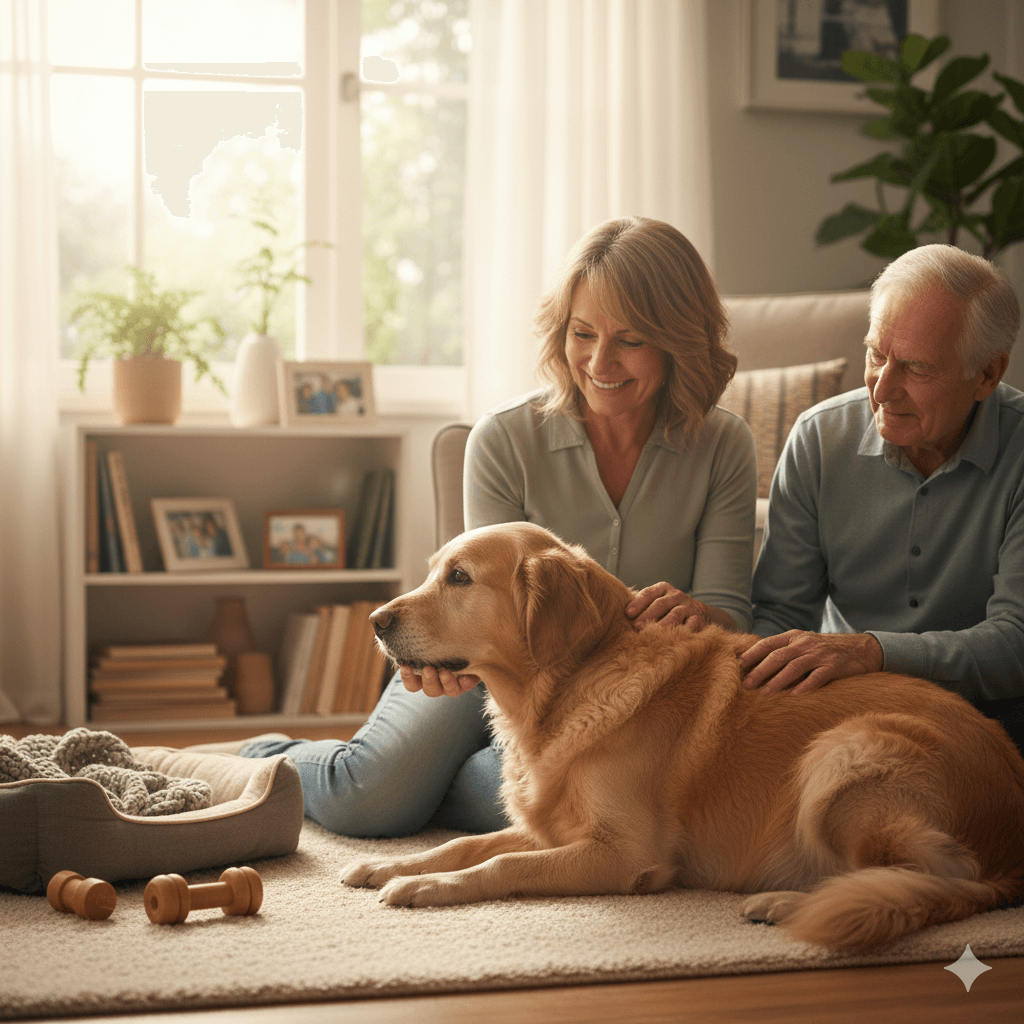
Adopting a dog is a life-changing decision—but choosing an older dog brings unique joys and thoughtful considerations. Far from being “less than,” senior dogs often offer calm companionship, established manners, and deep gratitude that’s hard to match. While puppies charm with their energy, older dogs enrich your life with quiet loyalty and emotional maturity. If you’ve ever wondered whether an older dog might be your perfect match, you’re not alone—and the answer may surprise you in the best way.
Why Older Dogs Make Exceptional Companions
Many adopters assume puppies are the ideal choice, but mature dogs bring a wealth of advantages that suit a wide range of lifestyles. Their personalities are already formed, their needs clearer, and their capacity for connection profound. Consider these compelling reasons to open your heart to a senior:
- Known Temperament and Personality:
Unlike puppies, older dogs have developed personalities—you’ll know if they’re calm, playful, shy, or outgoing before bringing them home. - Already Housetrained:
Most adult dogs have mastered bathroom etiquette, saving you months of accidents and middle-of-the-night potty breaks. - Lower Energy, Easier Routine:
Senior dogs often enjoy leisurely walks and cozy couch time, making them ideal for quieter households or older owners. - Less Destructive Behavior:
Gone are the chewing, digging, and teething phases; older dogs rarely destroy furniture or shoes out of boredom or teething pain. - Deep Capacity for Gratitude and Bonding:
Many rescued seniors seem to “know” they’ve been given a second chance, forming intensely loyal and affectionate bonds with their new families.
Adopting an older dog isn’t settling—it’s choosing a companion who’s ready to love you fully, right now.
Common Misconceptions About Senior Dog Adoption
Despite their many qualities, older dogs are often overlooked due to persistent myths. Dispelling these misconceptions helps potential adopters see the true value and joy these dogs offer:
- “Older Dogs Can’t Learn New Tricks”:
In reality, dogs of any age can learn with patience and positive reinforcement—many seniors excel in obedience and adapt quickly to new homes. - “They Won’t Live Long, So Why Bother?”:
While lifespans vary, many dogs adopted at 7–10 years live 5+ more happy, healthy years—and every moment counts. - “They Come with Too Many Health Problems”:
While some seniors have age-related conditions, shelters and rescues often provide vet records, and many issues are manageable with routine care. - “They’re Sad or Broken from Past Trauma”:
Most older dogs are remarkably resilient. With kindness and stability, they often blossom into joyful, trusting companions. - “They Won’t Bond Like a Puppy Would”:
On the contrary, many adopters report that senior dogs form deeper, more immediate attachments due to their emotional maturity.
Letting go of these myths opens the door to a deeply rewarding relationship built on mutual trust and quiet understanding.
Check this guide 👉How to Adopt a Retired Military Dog: Best 7 Expert Tips!
Check this guide 👉What to Expect When Adopting a Dog: Best 7 Expert Tips!
Check this guide 👉How Old Do You Have to Be to Adopt a Dog? Best 7 Tips!
Benefits of Adopting a Senior Dog | Practical Considerations to Keep in Mind |
|---|---|
Predictable size and energy level | Possible need for joint supplements or mobility aids |
Already socialized (in many cases) | May require regular vet check-ups for age-related conditions |
Minimal training required | Could have breed-specific or past-experience quirks to manage |
Calmer presence in the home | Might need a quieter environment away from young children or chaos |
Immediate companionship—no waiting for maturity | May take days or weeks to adjust to new routines and spaces |
Health and Wellness Needs of Older Adopted Dogs
Senior dogs may arrive with known or unknown health histories, but proactive care can ensure their golden years are comfortable and fulfilling. Understanding their needs helps you provide the best support from day one:
- Initial Veterinary Assessment:
Schedule a full wellness exam within the first week to evaluate dental health, organ function, mobility, and vision/hearing. - Joint and Mobility Support:
Arthritis is common; consider orthopedic beds, ramps, non-slip rugs, and vet-approved supplements like glucosamine. - Dental Care Priority:
Poor dental health affects overall wellness—brush teeth regularly and address tartar or gum disease promptly. - Tailored Nutrition:
Older dogs often need fewer calories but more fiber, protein, or joint-support nutrients—consult your vet for the best senior diet. - Mental Stimulation Matters:
Puzzle toys, gentle training, and sniff walks keep aging brains sharp and prevent cognitive decline.
With attentive care, many older dogs enjoy vibrant, pain-free lives well into their final years—thanks to your love and vigilance.
Preparing Your Home for a Senior Dog
Bringing home an older dog requires thoughtful adjustments to ensure safety, comfort, and a smooth transition. Unlike puppies, seniors need stability more than stimulation—start by creating a calm, supportive space:
- Create a Quiet, Accessible Space:
Set up a cozy bed in a low-traffic area, away from stairs, loud noises, or boisterous pets during their adjustment period. - Install Safety Aids:
Use baby gates to block stairs, add non-slip mats on hard floors, and consider ramps for couch or car access. - Simplify Outdoor Access:
If your yard has steep steps or uneven terrain, create a flat, secure potty area close to the door. - Gather Senior-Specific Supplies:
Stock up on raised food bowls, orthopedic beds, soft harnesses, and gentle grooming tools before your dog arrives. - Plan for a Gradual Routine:
Introduce new people, pets, and schedules slowly—sudden changes can overwhelm a dog adjusting to big life shifts.
A well-prepared home tells your new companion: “You’re safe here—and you belong.”
Emotional Rewards of Choosing a Senior Dog
Beyond practical benefits, adopting an older dog offers profound emotional gifts that reshape your perspective on love, time, and compassion. These intangible rewards often leave the deepest mark:
- Unconditional Gratitude:
Many senior dogs seem to “thank” you daily—with gentle leans, quiet presence, or soft eyes full of trust. - Instant Companionship:
There’s no waiting for maturity; your dog is ready to walk beside you, both literally and emotionally, from day one. - Teaching Empathy and Presence:
Caring for an aging dog encourages mindfulness, patience, and appreciation for life’s quieter, deeper moments. - Fulfilling a Lifesaving Mission:
Senior dogs are among the least likely to be adopted—choosing one often means literally giving them more time and dignity. - A Legacy of Love:
Even if your time together is shorter, the bond you build becomes a lasting testament to kindness and second chances.
In a world that often glorifies youth, choosing an older dog is a quiet act of rebellion—and one of the most loving choices you can make.
Challenges to Consider Before Adopting
While deeply rewarding, senior dog adoption isn’t without realistic challenges. Being honest about these upfront helps ensure a good match for both you and your new companion:
- Potential for Higher Vet Costs:
Chronic conditions like kidney disease, heart murmurs, or dental issues may require ongoing management or medication. - Limited Time Frame:
You may only have a few years together—which can feel bittersweet, especially if you’ve never experienced pet loss. - Adjustment Period Variability:
Some seniors adapt quickly; others may take weeks to feel secure, especially if they’ve experienced trauma or multiple homes. - Mobility or Sensory Limitations:
Blindness, deafness, or incontinence may require extra patience, routine adjustments, or home modifications. - Emotional Readiness for End-of-Life Care:
You may eventually face difficult decisions about quality of life—something to reflect on before adopting.
Acknowledging these challenges doesn’t diminish the joy—it ensures you’re prepared to love your dog well, all the way through.
How to Choose the Right Older Dog for Your Lifestyle
Not every senior dog fits every home. Thoughtful matching increases the chances of a lifelong, harmonious bond—start by reflecting on your own life and limits:
- Assess Your Daily Schedule:
Can you provide consistent meals, potty breaks, and medication times? Seniors thrive on routine and predictability. - Consider Your Activity Level:
A 10-year-old Labrador may still enjoy long walks, while a 13-year-old Chihuahua may prefer lap time—match energy levels honestly. - Evaluate Your Living Space:
Stairs, slippery floors, or shared housing may not suit dogs with mobility issues—choose accordingly. - Ask Shelters Detailed Questions:
Inquire about the dog’s history, behavior with kids or other pets, known medical needs, and how they handle alone time. - Do a Meet-and-Greet (If Possible):
Spend quiet time together to observe body language, comfort level, and mutual connection before finalizing adoption.
The right match isn’t about finding the “ideal” dog—it’s about finding the dog who fits your heart and home just as they are.
“Adopting a senior dog means you’ll be saving a life and giving a sweet companion a wonderful next chapter, with the added benefit that their personality is already set—so you know exactly what you’re getting.” – Harmony Peraza
Frequently Asked Questions About Adopting an Older Dog
Is it harder to bond with an older dog than a puppy?
Not at all—many adopters say seniors bond faster because they’re emotionally mature and eager for stability.
How old is “senior” for a dog?
It varies by size: small breeds (10+ years), medium (8–10), large/giant breeds (6–8). But health matters more than age.
Can I adopt a senior dog if I have young kids?
Yes—if the dog has a proven history with children and your kids are taught gentle, respectful interaction.
Will my older dog get along with my current pets?
Many do, especially with gradual, supervised introductions. Shelters often know if a dog is good with other animals.
What if my senior dog has accidents in the house?
Incontinence or confusion can happen—use washable pads, maintain a schedule, and consult your vet to rule out medical causes.
Giving Love a Second Chance
Choosing to adopt an older dog isn’t just about giving them a home—it’s about receiving a gift of quiet devotion, unwavering presence, and a love that’s been tested by time. These dogs may arrive with gray muzzles and slowing steps, but their hearts beat just as fiercely as any puppy’s. In a world that often rushes past the overlooked and the aged, saying “yes” to a senior is a powerful act of kindness—one that echoes long after they’ve curled up at your feet for the last time. If you’re ready to trade years for depth, chaos for calm, and uncertainty for authenticity, an older dog might not just change your life—they might just heal it.

Is Rawhide Bad for Cats? Best 7 Expert Tips! – Discover the risks, safe alternatives, and expert advice to keep your feline friend healthy and happy.

Is Rawhide Bad for Dogs? Best 7 Expert Tips! – Discover the risks, benefits, and safer alternatives to rawhides for your dog’s chewing needs.

Understanding Anorexia in Cats: Best 7 Expert Tips! – Learn why cats stop eating, spot warning signs, and discover how to help your feline regain appetite safely.

Understanding Anorexia in Dogs: Best 7 Expert Tips! – Learn causes, symptoms, and solutions to help your dog regain appetite and stay healthy.