
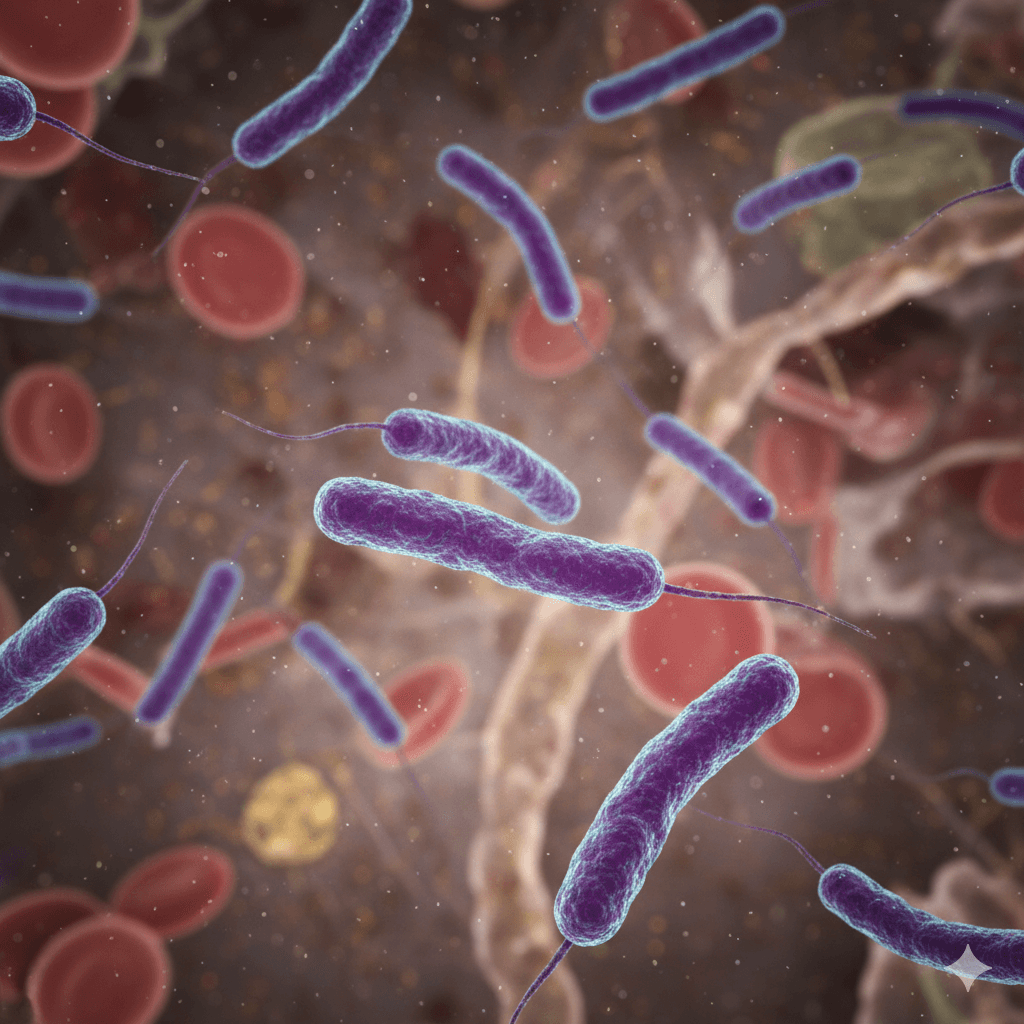

Campylobacter in Dogs: Best 7 Expert Tips!

Campylobacter in Dogs: Best 7 Expert Tips!

Understanding Campylobacter in Dogs: Best 7 Expert Tips!

Campylobacter infection may not be a household name, but it’s a surprisingly common bacterial illness that can cause serious stomach upset in dogs—especially puppies and those with weakened immune systems. Often contracted through contaminated food, water, or contact with infected animals, Campylobacteriosis can lead to diarrhea, vomiting, and lethargy. While many cases resolve on their own, others require veterinary care to prevent complications like dehydration or secondary infections. With early recognition and smart management, most dogs recover fully—but awareness is your best defense.

Origins and Transmission of Campylobacter in Dogs

Campylobacter isn’t just a human concern—it’s a zoonotic bacterium that frequently affects dogs, particularly in environments with poor sanitation or high exposure to wildlife. Understanding how it spreads is the first step toward prevention:

 
  • Raw or Contaminated Food Sources:
    Feeding raw meat, unpasteurized dairy, or recalled pet food significantly increases the risk of ingesting Campylobacter bacteria.
     
  • Contact with Infected Feces:
    Dogs can contract the bacteria by sniffing, licking, or stepping in contaminated stool—common in parks, kennels, or multi-dog households.
     
  • Environmental Exposure:
    Stagnant water, soil, or surfaces exposed to wild birds or livestock can harbor the bacteria, especially in rural or agricultural areas.
     
  • Puppies and Shelter Dogs at Higher Risk:
    Immature immune systems and crowded conditions make young or rescued dogs more susceptible to infection and severe symptoms.
     
  • Zoonotic Potential to Humans:
    While less common, humans—especially children or immunocompromised individuals—can contract Campylobacter from infected dogs through poor hygiene.
 

Though often mild, Campylobacter’s stealthy transmission means vigilance and cleanliness are essential for every dog owner.

Campylobacter in Dogs: Best 7 Expert Tips!

Common Clinical Signs of Campylobacteriosis

Not all dogs show dramatic symptoms, but when they do, the signs typically appear 2–5 days after exposure and center around the gastrointestinal tract. Early detection helps you act swiftly:

 
  • Watery or Mucoid Diarrhea:
    Often the first and most consistent sign, sometimes progressing to bloody or foul-smelling stool in severe cases.
     
  • Vomiting and Nausea:
    Intermittent vomiting may occur, especially in the early phase, though not all dogs experience it.
     
  • Lethargy and Reduced Appetite:
    Your dog may seem unusually tired, withdrawn, or uninterested in meals or play during the acute phase.
     
  • Mild Fever or Abdominal Pain:
    Some dogs develop a low-grade fever or show discomfort when the belly is touched, indicating intestinal inflammation.
     
  • Dehydration Signs:
    Dry gums, sunken eyes, or decreased skin elasticity suggest fluid loss—particularly dangerous in puppies.
 

These symptoms usually peak within 3–7 days, but prompt care can shorten the course and prevent complications.

Early Warning Indicators
When to Seek Veterinary Care
Occasional soft stool
Diarrhea lasting more than 48 hours
Slight decrease in energy
Blood or mucus in stool
Mild loss of appetite
Inability to keep water down
Normal temperature or slight warmth
Fever above 103°F (39.4°C)
Passing stool without straining
Signs of pain, whining, or bloating

Diagnostic Process and Veterinary Evaluation

Because many GI illnesses mimic Campylobacter, a proper diagnosis often requires lab testing—especially if symptoms persist or worsen:

 
  • Fecal Culture or PCR Testing:
    The gold standard for confirming Campylobacter; PCR tests detect bacterial DNA quickly and accurately.
     
  • Comprehensive Fecal Exam:
    Rules out parasites like Giardia or hookworms that can cause similar diarrhea.
     
  • Blood Work (If Severe):
    In prolonged cases, blood panels assess hydration, organ function, and signs of systemic infection.
     
  • Physical Examination:
    Your vet checks for dehydration, abdominal tenderness, and overall condition to guide treatment urgency.
     
  • Exposure History Review:
    Details about diet, recent travel, new pets, or raw feeding help pinpoint likely sources and recurrence risks.
 

Accurate diagnosis ensures your dog gets the right treatment—not just symptomatic relief—and protects other pets or family members.


Treatment and Supportive Care Strategies

Most healthy adult dogs recover with rest and hydration, but targeted care speeds healing and reduces bacterial shedding:

 
  • Antibiotics (When Indicated):
    Erythromycin or azithromycin may be prescribed for severe cases, puppies, or immunocompromised dogs to shorten illness and reduce contagion.
     
  • Fluid Therapy:
    Subcutaneous or IV fluids correct dehydration when vomiting or diarrhea is excessive.
     
  • Bland Diet Transition:
    Boiled chicken, white rice, or veterinary GI food helps soothe the gut once vomiting subsides.
     
  • Probiotics for Gut Recovery:
    High-quality canine probiotics restore healthy flora and may reduce diarrhea duration.
     
  • Strict Hygiene During Recovery:
    Disinfect bowls, bedding, and floors; wash hands thoroughly after handling stool to prevent spread.
 

Never give human antibiotics or anti-diarrheals without vet approval—some can worsen the condition or mask serious illness.

Preventing Campylobacter Infection in Your Dog

Prevention hinges on smart feeding choices, environmental control, and hygiene—especially in multi-pet or high-risk households:

 
  • Avoid Raw Diets:
    Cook all meat thoroughly and choose commercial foods from reputable, safety-tested brands.
     
  • Provide Clean, Fresh Water Daily:
    Never let your dog drink from puddles, lakes, or shared outdoor bowls.
     
  • Prompt Feces Removal:
    Scoop yard waste immediately and clean litter boxes or indoor potty areas daily.
     
  • Limit Exposure to Wildlife Feces:
    Keep your dog on leash in parks or trails where birds, raccoons, or livestock may defecate.
     
  • Quarantine New or Sick Pets:
    Isolate new rescues or symptomatic dogs until they’re tested and cleared by a vet.
 

A clean, controlled environment dramatically lowers your dog’s risk of this common but avoidable infection.

Special Considerations for Puppies, Seniors, and Multi-Pet Homes

Vulnerable dogs need extra caution—Campylobacter can escalate quickly in those with immature or compromised immunity:

 
  • Puppies Under 6 Months:
    Their developing immune systems make them prone to severe dehydration and systemic infection—always consult a vet early.
     
  • Senior Dogs or Those with Chronic Illness:
    Conditions like diabetes or kidney disease increase susceptibility and complicate recovery.
     
  • Households with Cats or Other Dogs:
    Campylobacter can spread between species; treat all symptomatic pets and disinfect shared spaces thoroughly.
     
  • Dogs in Boarding or Daycare:
    High-contact environments raise exposure risk—ensure facilities follow strict sanitation protocols.
     
  • Immunocompromised Owners:
    If anyone in your home has a weakened immune system, take extra hygiene precautions to prevent zoonotic transfer.
 

In these scenarios, prevention isn’t just pet care—it’s family health protection.

Long-Term Outlook and Potential Complications

Most dogs recover fully within 5–10 days with no lasting effects, but untreated or severe cases can lead to concerning outcomes:

 
  • Chronic Diarrhea or Gut Imbalance:
    Prolonged infection may disrupt the microbiome, leading to ongoing soft stools or food sensitivities.
     
  • Bacteremia (Rare):
    In very young or ill dogs, bacteria can enter the bloodstream, causing fever, weakness, or organ involvement.
     
  • Reinfection Risk:
    Previous exposure doesn’t guarantee immunity—dogs can contract Campylobacter again from new sources.
     
  • Carrier State Without Symptoms:
    Some dogs shed bacteria intermittently without showing signs, posing a silent transmission risk.
     
  • Impact on Routine Vaccinations:
    Illness may delay scheduled vaccines; wait until fully recovered before proceeding.
 

With proper care and follow-up, however, long-term complications are uncommon in otherwise healthy dogs.

Frequently Asked Questions About Campylobacter in Dogs

Can dogs get Campylobacter from chicken?

Yes—raw or undercooked poultry is a major source. Always cook meat thoroughly and avoid feeding table scraps with raw ingredients.

Absolutely. It spreads easily through fecal-oral contact, especially in kennels, shelters, or multi-dog homes.

Dogs can shed bacteria for 2–4 weeks after symptoms resolve—even if they appear healthy.

If they show symptoms, yes. Asymptomatic pets usually don’t need testing unless someone in the home is high-risk.

It’s possible but uncommon. Practice strict handwashing after handling stool or cleaning accidents to minimize risk.

Protecting Your Dog from a Hidden Gut Threat

Campylobacter in dogs may start with simple diarrhea, but its ripple effects—from dehydration to household transmission—demand thoughtful, proactive care. By understanding how it spreads, recognizing early signs, and responding with both compassion and caution, you turn a potentially disruptive illness into a manageable, short-lived episode. More importantly, your vigilance protects not just your dog, but everyone in your home. In the world of canine health, knowledge truly is prevention—and love, paired with science, is the best medicine of all.

Newfoundland Dog Personality: Best 7 Expert Tips!

Newfoundland Dog Personality: Best 7 Expert Tips! – Discover the gentle, loyal, and protective nature of this giant breed perfect for families.

Can Hot Pavement Burn Your Cats Paws? Best 7 Expert Tips!

Can Hot Pavement Burn Your Cats Paws? Best 7 Expert Tips! – Learn how to protect your cat’s paws from hot surfaces and prevent painful burns this summer.
Can Hot Pavement Burn Your Dogs Paws? Best 7 Expert Tips!

Can Hot Pavement Burn Your Dogs Paws? Best 7 Expert Tips! – Learn how to protect your dog’s paws from hot surfaces and ensure safe summer walks.

Irish Wolfhound Size: Best 7 Expert Tips!

Irish Wolfhound Size: Best 7 Expert Tips! – Discover the ideal height, weight, and care tips for this majestic giant breed. Learn how to manage their impressive stature responsibly.

Leave a Reply

Your email address will not be published. Required fields are marked *