
Understanding Chewy Medicine for Cats: Best 7 Expert Tips!
Offering medication to cats is notoriously tricky—most felines turn their noses up at pills, liquids, or anything suspicious. Chewy medicine for cats, designed to be palatable and easy to administer, offers a promising solution for pet parents managing chronic conditions or short-term treatments. These vet-approved formulations combine effective ingredients with flavors cats actually enjoy, turning a stressful chore into a smoother routine. While not a cure-all, chewable medications can significantly improve compliance and outcomes when used correctly. Understanding how, when, and which options work best ensures your cat gets the care they need—without the daily drama.
Types of Chewy Medications Available for Cats
Not all chewy cat meds are created equal. Formulations vary widely by purpose, active ingredient, and delivery method. Knowing the main categories helps you and your vet choose the right option for your cat’s specific needs.
- Dewormers:
Chewable dewormers like praziquantel or pyrantel pamoate come in fish- or chicken-flavored tablets that target tapeworms, roundworms, or hookworms with minimal fuss. - Flea and Tick Preventatives:
Some oral preventatives (e.g., nitenpyram for fast-acting flea relief) are available in tasty chews that work within hours—ideal for cats who hate topical applications. - Urinary Health Supplements:
Chewy formulas containing DL-methionine, cranberry extract, or glucosamine support bladder health and are often shaped like treats to encourage daily use. - Anti-Anxiety and Calming Aids:
L-theanine, colostrum, or CBD-infused chews help manage stress during travel, vet visits, or loud events—offering a gentler alternative to prescription sedatives. - Joint and Mobility Support:
Glucosamine, chondroitin, and omega-3 chews promote joint flexibility in senior cats and are often accepted eagerly due to their savory taste.
While convenient, always confirm with your vet that a chewable product is appropriate for your cat’s condition—some diseases still require precise dosing only available in traditional forms.
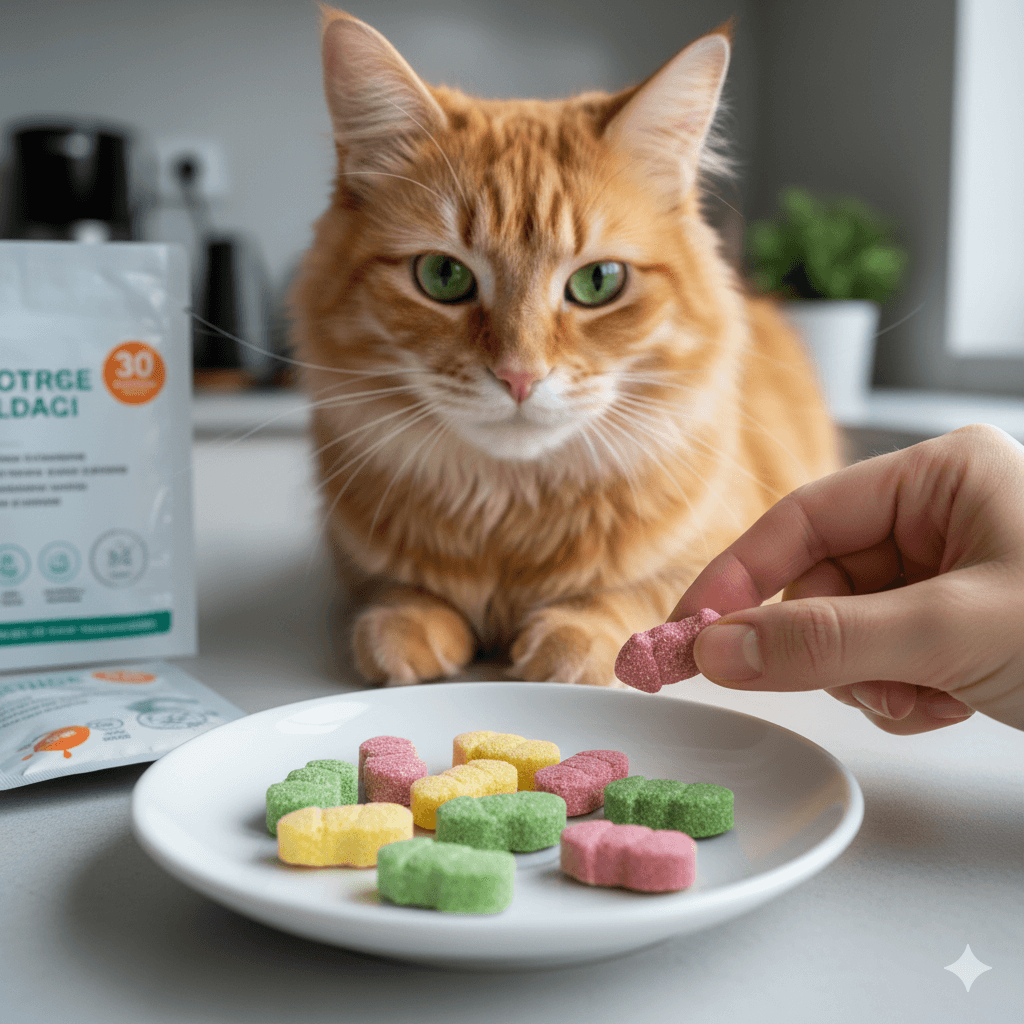
Benefits of Using Chewy Medicine Over Traditional Forms
Chewable medications aren’t just about convenience—they can improve treatment adherence, reduce stress, and even enhance effectiveness through better absorption. For cats who bolt at the sight of a pill bottle, these benefits are game-changing.
- Improved Acceptance:
Many cats consume chews voluntarily, mistaking them for treats—eliminating the need for force-feeding or pill pockets. - Reduced Handling Stress:
Less physical restraint means lower anxiety for both cat and owner, making daily routines calmer and safer. - Consistent Dosing:
When cats actually swallow the full dose (instead of spitting out crushed pills), therapeutic levels are maintained more reliably. - Fewer Gastrointestinal Upsets:
Some chews include stomach-soothing ingredients or are designed for gentler digestion compared to coated tablets. - Ease of Splitting or Adjusting:
Certain chewables can be broken into halves for accurate weight-based dosing—though always check with your vet before altering form.
These advantages make chewy medicine a valuable tool, especially for long-term management of chronic feline conditions.
Check this guide 👉How to Give Cat Medicine: Best 7 Expert Tips!
Check this guide 👉What Human Pain Medicine Can I Give My Cat: Best 7 Tips!
Check this guide 👉Parasite Medicine for Cats: Best 7 Expert Tips!
Medication Advantages | Important Considerations |
|---|---|
High palatability increases compliance | Not all conditions have chewable options |
No need for pill guns or hiding in food | Flavors may not appeal to every cat |
Faster absorption for some active ingredients | May contain fillers unsuitable for sensitive cats |
Ideal for multi-cat households (easier to identify who got meds) | Often more expensive than generic tablets |
Supports positive association with treatment | Requires vet approval—never substitute human chewables |
How to Introduce Chewy Medicine to a Reluctant Cat
Even “tasty” chews might be rejected by cautious or food-motivated cats. A thoughtful introduction builds trust and prevents future resistance to treatment.
- Start with a Trial Bite:
Offer a small piece of the chew (if safe to split) as a treat before administering a full dose to gauge interest. - Pair with Routine Meals:
Mix it into a small portion of wet food or offer it right after a favorite snack to create positive conditioning. - Hand-Feed Gently:
Place the chew in your palm and let your cat sniff and take it voluntarily—never force it into their mouth abruptly. - Use Distraction Techniques:
Give the chew during a calm moment, like post-nap cuddles or while they’re distracted by a window bird. - Reward Afterwards:
Follow with genuine praise, a real treat, or gentle petting to reinforce that medicine time = good things.
Patience and consistency turn initial suspicion into acceptance—sometimes within just a few doses.
Common Mistakes to Avoid When Giving Chewy Cat Medicine
Good intentions can backfire if common pitfalls aren’t avoided. These errors may reduce effectiveness or create long-term aversion to any form of medication.
- Assuming All Chews Are Safe for Cats:
Never give dog-specific or human chewables—ingredients like xylitol or certain NSAIDs are toxic to felines. - Overfeeding Due to Palatability:
Some cats will eat multiple chews if left unsupervised; always store securely and administer only the prescribed amount. - Ignoring Ingredient Sensitivities:
Cats with food allergies may react to chicken, fish, or grain-based flavorings—check labels carefully. - Skipping Vet Consultation:
Even over-the-counter chews can interact with prescriptions or underlying conditions like kidney disease. - Using as a Substitute for Diagnosis:
Chewable supplements aren’t replacements for professional care—persistent symptoms need veterinary evaluation.
When used wisely, chewy medicine supports health without compromising safety or trust.
Vet-Recommended Chewy Medications Worth Considering
While brand availability varies, several vet-backed chewables consistently earn praise for efficacy, safety, and feline approval. Always use under professional guidance.
- Capstar (nitenpyram):
A fast-acting flea tablet disguised as a small, chicken-flavored chew—kills fleas in 30 minutes and is safe for kittens over 4 weeks. - VetIQ Urinary Tract Health Chews:
Formulated with cranberry and Echinacea, these soft chews support urinary pH balance and are widely accepted by picky cats. - Zesty Paws Calming Bites for Cats:
Contain L-theanine, colostrum, and chamomile in a salmon flavor to ease situational anxiety without drowsiness. - Cosequin for Cats:
A trusted joint supplement in a sprinkle capsule or soft chew form that many cats lick directly from a spoon. - Drontal Cat (for intestinal worms):
Though technically a tablet, its meaty flavor makes it chewable for many cats and covers a broad spectrum of parasites.
Your veterinarian can help match the right product to your cat’s age, weight, and health status—never self-prescribe.
Special Considerations for Kittens, Seniors, and Cats with Chronic Illness
Chewy medicine isn’t one-size-fits-all. Age, health status, and metabolism dramatically influence safety and dosing—especially in vulnerable populations.
- Kittens Under 12 Weeks:
Their developing systems are sensitive; only use chews explicitly approved for young kittens and at exact weight-based doses. - Senior Cats with Kidney Disease:
Avoid chews with high phosphorus, sodium, or unspecified herbal blends that could strain compromised organs. - Diabetic Cats:
Many chews contain sugars or carbs—opt for vet-formulated, low-glycemic options or liquid alternatives. - Cats on Multiple Medications:
Chewables may interact with prescriptions like methimazole or gabapentin—always review with your vet first. - Cats with Dental Pain:
Arthritic jaws or tooth resorption may make chewing uncomfortable; soft gels or liquids might be better tolerated.
Tailoring the approach ensures treatment supports—not stresses—your cat’s unique physiology.
Additional Tips for Successfully Using Chewy Medicine with Your Cat
Beyond selection and administration, a few extra strategies can make chewable medications even more effective and stress-free for both you and your feline friend. These practical insights come from veterinary behaviorists and experienced cat owners who’ve turned medication time into a smoother ritual.
- Store Chews in a Sealed Container Away from Treats:
Keeping medicine separate from regular snacks prevents confusion and avoids accidental overconsumption if your cat finds the container. - Use a Dedicated “Medicine Spoon” or Dish:
Cats associate objects with experiences—using a specific small spoon or ceramic dish only for medicine helps them anticipate treatment without fear. - Rotate Flavors If Available:
Some brands offer multiple flavor options (salmon, chicken, tuna); rotating them can prevent flavor fatigue and maintain interest over long-term use. - Pair with a Post-Medication Ritual:
Follow every dose with a consistent, enjoyable activity like brushing, window watching, or a short play session to build positive reinforcement. - Track Administration in a Health Journal:
Note the time, dose, and your cat’s reaction—this helps identify patterns, side effects, or improvements your vet will appreciate during follow-ups.
These small but meaningful habits transform chewy medicine from a chore into a caring moment that supports your cat’s long-term health and trust.
Frequently Asked Questions About Chewy Medicine for Cats
Can I give my cat dog chewable medicine if it’s the same active ingredient?
No. Dogs and cats metabolize drugs differently—many dog-safe ingredients (like xylitol or certain pain relievers) are fatal to cats.
Are chewy medications as effective as pills or injections?
When used correctly for approved conditions, yes—many have equivalent bioavailability and faster onset due to better absorption.
What if my cat refuses the chewable medicine?
Try crushing it (if approved) into pâté-style wet food, or ask your vet about compounding into a flavored liquid or transdermal gel.
Do chewy cat meds require a prescription?
Some do (e.g., pain or thyroid meds), while supplements and flea preventatives are often available over-the-counter—but always consult your vet first.
How should I store chewable cat medicine?
Keep in original packaging, away from heat and moisture, and out of reach—many smell like treats and can be accidentally overconsumed.
Making Medication a Stress-Free Part of Your Cat’s Wellness Journey
Giving your cat chewy medicine shouldn’t feel like a battle—it can be a quiet moment of care that strengthens your bond. With the right product, approach, and veterinary partnership, treatment becomes seamless, even routine. More importantly, it ensures your feline friend receives consistent, compassionate support for whatever health challenges arise. Whether managing a chronic condition or tackling a temporary ailment, chewable options offer a gentler path to healing. And in the end, that means more purrs, more headbutts, and fewer struggles—so you can focus on what matters most: your cat’s comfort, trust, and long, happy life by your side.
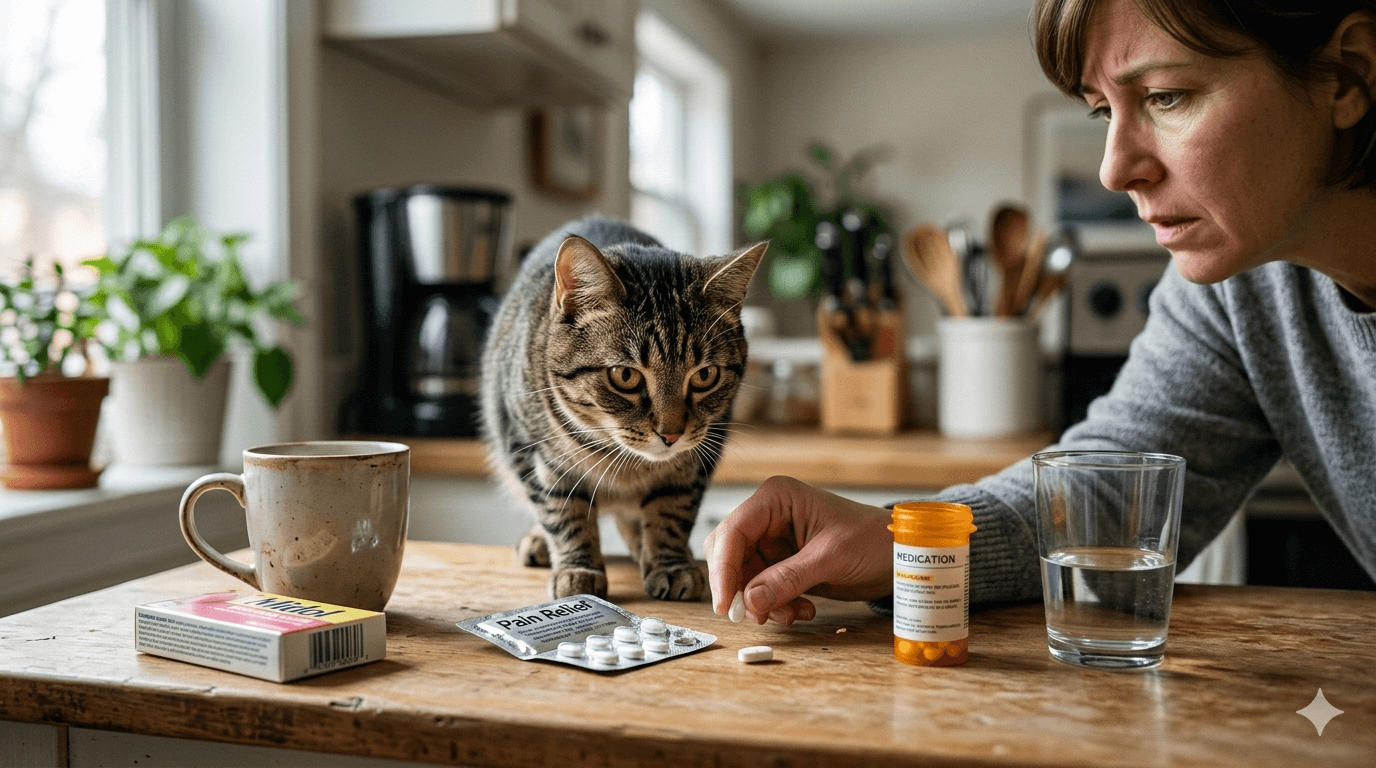
Can I Give My Cat Midol? Best 7 Expert Tips! – Learn the risks, symptoms, and safe alternatives to keep your cat healthy and avoid toxic reactions.

Can I Give My Dog Midol? Best 7 Expert Tips! – Discover the risks, safe alternatives, and expert advice to keep your dog safe from accidental poisoning.

Maximum Weight for Cats on Planes: Best 7 Expert Tips! – Learn airline policies, tips to stay compliant, and ensure safe travels for your feline friend.

Max Weight for Dogs on Planes: Best 7 Expert Tips! – Discover airline weight limits, safe travel tips, and solutions for flying with your dog stress-free.