

Physical Therapy for Cats: Best 7 Expert Tips!

Physical Therapy for Cats: Best 7 Expert Tips!

Physical Therapy for Cats: Best 7 Expert Tips!

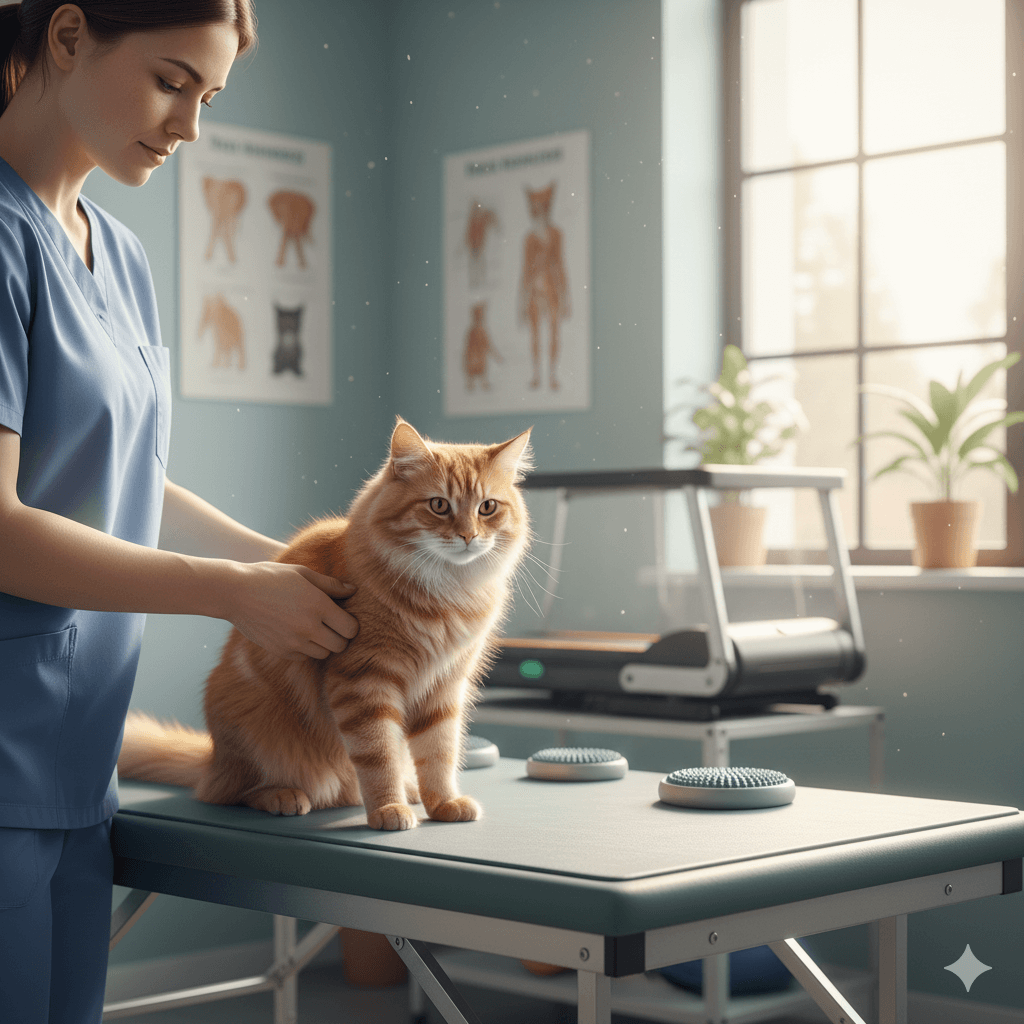
Physical therapy for cats is no longer reserved just for elite show animals or post-surgical rehab—it’s a growing field that enhances mobility, relieves pain, and improves quality of life for felines of all ages. Whether your cat is recovering from injury, managing arthritis, or simply slowing down with age, tailored therapeutic interventions can make a profound difference. Unlike dogs, cats require gentler, more intuitive approaches that respect their sensitivity and independence. With the right techniques and a patient hand, you can help your feline friend move more comfortably and confidently through every stage of life.

Origins and Evolution of Feline Physical Therapy

While physical therapy for dogs has been mainstream for decades, its application in cats is a more recent but rapidly expanding discipline. Veterinarians and rehab specialists now recognize that cats benefit just as deeply—if not more—because they instinctively hide pain and discomfort.

 
  • Early Veterinary Rehabilitation Focus:
    Initially, rehab protocols were dog-centric, but as geriatric and orthopedic care for cats improved, demand for species-specific techniques grew.
     
  • Advancements in Pain Recognition:
    Research into feline behavior revealed subtle signs of pain (like reduced jumping or grooming changes), driving interest in non-invasive support.
     
  • Influence of Human Physical Therapy:
    Techniques like laser therapy, hydrotherapy, and therapeutic massage were adapted from human medicine with feline anatomy in mind.
     
  • Specialized Certification Programs:
    Today, veterinarians can earn certifications in canine and feline rehabilitation through organizations like CCRT or CCRP.
     
  • Home-Based Care Emphasis:
    Because cats stress easily, much of feline PT now focuses on owner-guided exercises in the comfort of home.
 

What began as an experimental niche has evolved into a compassionate, evidence-based practice that honors a cat’s unique physiology and emotional needs.

Physical Therapy for Cats: Best 7 Expert Tips!

Distinctive Physical and Behavioral Traits That Influence Therapy

Cats aren’t small dogs—their anatomy, pain responses, and stress thresholds demand a completely different rehab approach. Understanding these traits ensures therapy is both effective and stress-free.

 
  • Lightweight, Flexible Skeleton:
    Cats have 244 bones (more than dogs) and extreme spinal flexibility, allowing graceful movement but also vulnerability to misalignment.
     
  • Muscle Atrophy Risk:
    Even short periods of inactivity (e.g., post-surgery) can lead to rapid muscle loss, especially in senior cats.
     
  • Pain Concealment Instinct:
    Cats mask discomfort as a survival trait, so therapists rely on gait analysis, posture, and subtle behavioral cues.
     
  • Sensitivity to Touch:
    While some cats tolerate handling, many react with fear or aggression—requiring slow desensitization before hands-on therapy.
     
  • Preference for Vertical Space:
    Therapeutic environments must include elevated perches or ramps to encourage natural movement patterns during recovery.
 

These innate characteristics mean successful feline physical therapy is as much about psychology as it is about physiology.

Therapy Goals for Cats
Key Owner Considerations
Improve joint mobility
Create a quiet, low-stress therapy space at home
Reduce chronic pain (e.g., arthritis)
Learn to recognize subtle signs of discomfort
Restore strength after injury/surgery
Perform exercises gently—never force movement
Enhance balance and coordination
Use favorite toys or treats to motivate participation
Maintain independence and dignity
Keep sessions short (5–10 mins) and positive

Common Conditions That Benefit from Feline Physical Therapy

Physical therapy isn’t just for post-op recovery—it’s a vital tool for managing chronic and age-related conditions that silently erode a cat’s quality of life.

 
  • Osteoarthritis:
    Affects over 90% of cats over 12; targeted exercises and modalities can ease stiffness and preserve mobility.
     
  • Post-Surgical Recovery (e.g., limb or spinal surgery):
    Controlled movement prevents scar tissue adhesions and rebuilds muscle safely.
     
  • Neurological Disorders (e.g., vestibular disease, nerve damage):
    Balance training and passive range-of-motion help rewire neural pathways.
     
  • Obesity-Related Mobility Issues:
    Low-impact therapy supports weight loss by making movement less painful and more engaging.
     
  • Trauma or Fracture Healing:
    Once bones are stable, rehab minimizes long-term lameness and compensatory gait changes.
 

Early intervention often slows progression and restores normal function—letting your cat leap, stretch, and explore as nature intended.

Core Physical Therapy Techniques for Cats

Modern feline rehab blends hands-on methods with technology, always prioritizing comfort and consent. These evidence-based techniques are tailored to each cat’s tolerance and condition.

 
  • Passive Range-of-Motion (PROM) Exercises:
    Gently moving joints through their natural arc prevents stiffness without requiring the cat to exert effort.
     
  • Therapeutic Laser Therapy:
    Low-level lasers reduce inflammation and stimulate cellular repair—painless and often calming for cats.
     
  • Controlled Walking and Obstacle Courses:
    Using low tunnels, foam pads, or cavaletti rails encourages weight-bearing and coordination.
     
  • Massage and Myofascial Release:
    Soft tissue work eases muscle tension, improves circulation, and builds trust through positive touch.
     
  • Underwater Treadmill or Hydrotherapy (Rare but Emerging):
    In specialized clinics, buoyancy-supported walking reduces joint stress while building strength.
 

Success hinges on reading your cat’s signals—relaxed ears, slow blinking, and purring mean they’re comfortable; tail flicking or hiding means pause or stop.

At-Home Physical Therapy: A Guide for Cat Owners

Most feline rehab happens at home, where your cat feels safest. With guidance from a veterinary rehab professional, you can become an effective therapy partner.

 
  • Create a Dedicated Therapy Zone:
    Use a quiet room with non-slip flooring, soft bedding, and familiar scents to reduce anxiety during sessions.
     
  • Use High-Value Motivators:
    Pair exercises with favorite treats, catnip, or feather wands to create positive associations.
     
  • Stick to Short, Frequent Sessions:
    5 minutes twice daily is far more effective—and less stressful—than one long workout.
     
  • Track Progress Visually:
    Record videos weekly to compare gait, posture, or willingness to jump—subtle improvements are easy to miss day-to-day.
     
  • Collaborate with Your Vet Rehab Team:
    Share observations and adjust exercises only under professional direction to avoid setbacks.
 

Your gentle consistency is the most powerful tool in your cat’s recovery toolkit.

Special Considerations for Senior Cats and Chronic Conditions

Older cats or those with lifelong issues need modified, compassionate approaches that honor their limits while preserving dignity and joy.

 
  • Slower Progression:
    Senior cats may take weeks to show improvement—patience and routine are essential.
     
  • Multi-Modal Pain Management:
    Combine PT with vet-approved medications, joint supplements (e.g., glucosamine), and environmental modifications.
     
  • Environmental Adaptations:
    Install ramps to favorite windows, raise food bowls, or add litter boxes with low sides to support independence.
     
  • Focus on Quality of Life, Not “Fixing”:
    Goals shift from full recovery to comfort, engagement, and the ability to perform beloved daily rituals.
     
  • Monitor for Overexertion:
    Signs include excessive grooming post-session, hiding, or reluctance the next day—scale back immediately if seen.
 

For aging felines, physical therapy isn’t about returning to kittenhood—it’s about helping them thrive in their golden years with grace.


Potential Challenges and How to Overcome Them

Not every cat embraces therapy willingly, and owners often face emotional and practical hurdles. Anticipating these challenges leads to better outcomes.

 
  • Resistance to Handling:
    Start with just petting near the affected area; build trust before introducing movement.
     
  • Inconsistent Owner Confidence:
    Uncertainty transmits to your cat—ask your therapist for video demos or in-person coaching until you feel assured.
     
  • Misreading Stress Signals:
    Learn feline body language: flattened ears, dilated pupils, or tail thumping mean distress, not focus.
     
  • Time Constraints:
    Integrate mini-sessions into natural routines—e.g., gentle leg stretches while your cat naps beside you.
     
  • Cost and Access to Specialists:
    While rehab vets are limited, many offer virtual consultations to guide home programs affordably.
 

Success isn’t measured in perfect compliance—it’s in small gains that add up to a happier, more mobile cat.

Frequently Asked Questions About Physical Therapy for Cats

Can physical therapy really help an arthritic cat?

Absolutely. Regular, gentle therapy can reduce pain, maintain joint flexibility, and delay medication dependence in cats with arthritis.

Signs include reluctance to jump, stiffness after rest, changes in litter box habits, or decreased grooming—especially in older cats.

Only after proper training from a veterinary rehab professional—improper technique can cause injury.

Most do very well—it’s non-invasive, silent, and often feels warm and soothing; many purr during sessions.

It depends on the procedure, but passive range-of-motion often starts within 3–7 days post-op with vet approval.

Helping Your Cat Move with Comfort and Confidence

Physical therapy for cats is more than a medical intervention—it’s an act of love that honors their quiet resilience. By tuning into their subtle language and meeting them where they are—physically and emotionally—you give them the gift of movement, dignity, and joy. Whether your feline friend is healing from injury, navigating the golden years, or simply learning to trust again, every gentle stretch, every encouraging word, and every quiet moment of connection builds a bridge to better days. In the end, you’re not just rehabilitating a body—you’re nurturing a spirit that still wants to climb, explore, and curl up in your lap with contentment.

Is Rawhide Bad for Cats? Best 7 Expert Tips!

Is Rawhide Bad for Cats? Best 7 Expert Tips! – Discover the risks, safe alternatives, and expert advice to keep your feline friend healthy and happy.

Is Rawhide Bad for Dogs? Best 7 Expert Tips!

Is Rawhide Bad for Dogs? Best 7 Expert Tips! – Discover the risks, benefits, and safer alternatives to rawhides for your dog’s chewing needs.

Understanding Anorexia in Cats: Best 7 Expert Tips!

Understanding Anorexia in Cats: Best 7 Expert Tips! – Learn why cats stop eating, spot warning signs, and discover how to help your feline regain appetite safely.

Understanding Anorexia in Dogs: Best 7 Expert Tips!

Understanding Anorexia in Dogs: Best 7 Expert Tips! – Learn causes, symptoms, and solutions to help your dog regain appetite and stay healthy.

Leave a Reply

Your email address will not be published. Required fields are marked *