
Understanding Dog Hypoglycemia Seizure
When a dog experiences a seizure due to low blood sugar, it’s a medical emergency that can be both frightening and life-threatening. Hypoglycemia—a sudden drop in glucose levels—disrupts normal brain function and can trigger convulsions, collapse, or loss of consciousness. While small breeds, puppies, and diabetic dogs are most at risk, any dog can be affected under certain conditions. Recognizing early warning signs and knowing how to respond can make all the difference in your dog’s outcome. With swift action and veterinary support, many dogs recover fully and avoid long-term complications.
What Is Hypoglycemia and How Does It Trigger Seizures in Dogs?
Hypoglycemia occurs when blood glucose falls below the level needed to fuel the brain and vital organs—typically under 60 mg/dL in dogs. Since the brain relies almost exclusively on glucose for energy, a sharp drop can cause neurological dysfunction, including seizures. Unlike epilepsy, which stems from abnormal electrical activity, hypoglycemic seizures are metabolic and directly tied to fuel availability.
- Glucose as Brain Fuel:
The canine brain cannot store or produce glucose on its own—it depends entirely on a steady supply from the bloodstream. - Rapid Onset of Neurological Signs:
As glucose drops, dogs may show disorientation, weakness, or tremors before progressing to full-body seizures if untreated. - Common in Toy Breeds and Puppies:
Their high metabolic rate and limited glycogen reserves make them prone to sudden crashes, especially between meals. - Diabetic Dogs at Risk:
Overdosing on insulin or skipping meals after an injection can cause dangerous hypoglycemia within hours. - Underlying Illnesses as Triggers:
Liver disease, Addison’s disease, insulin-producing tumors (insulinomas), or severe infections can also cause low blood sugar.
Because hypoglycemia-induced seizures are a symptom of a systemic imbalance, treating the seizure alone isn’t enough—addressing the root cause is essential for recovery.
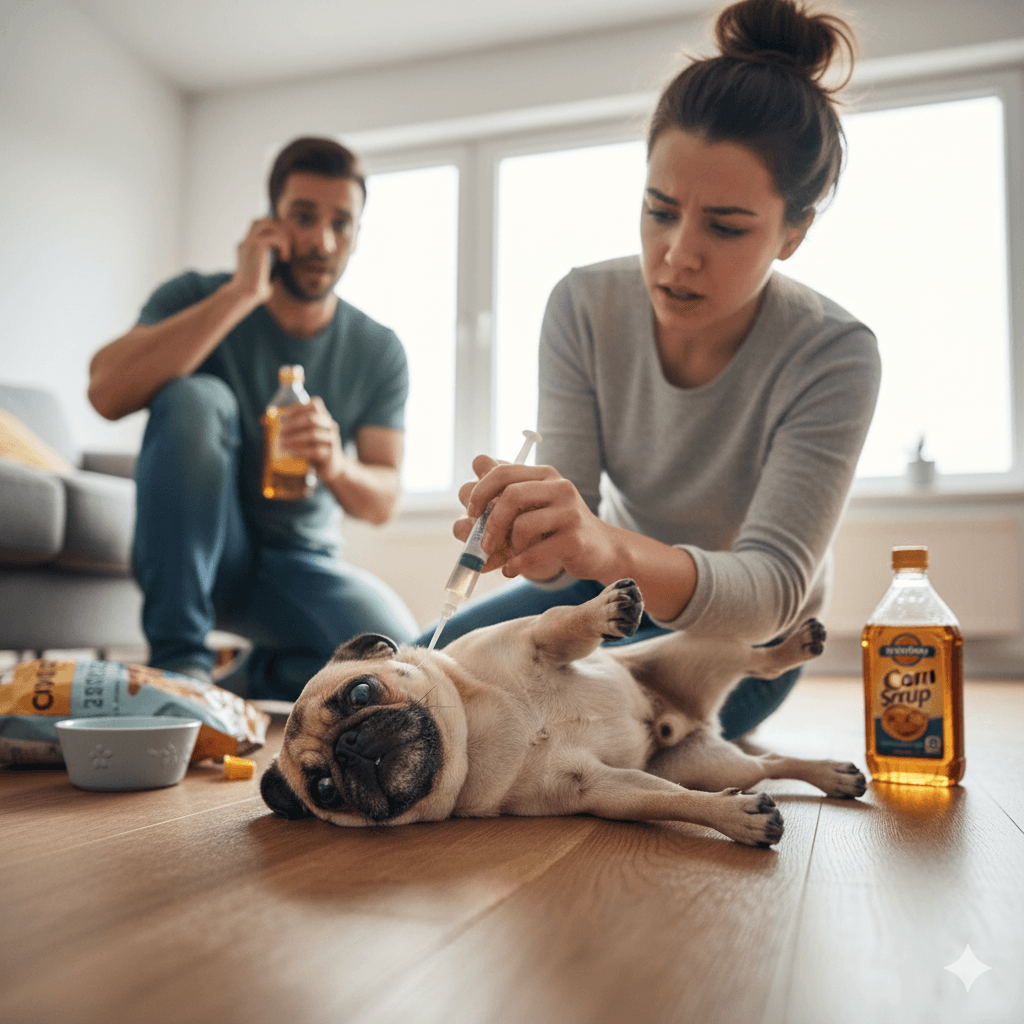
Early Warning Signs Before a Seizure Occurs
Not every dog goes straight into convulsions. Many show subtle behavioral or physical changes that signal dropping blood sugar—especially if you’re watching closely. These pre-seizure signs (often called “aura” or prodrome) offer a critical window for intervention.
- Lethargy or Sudden Weakness:
Your dog may appear unusually tired, stumble, or refuse to stand—especially after exercise or a long gap between meals. - Glassy or Unfocused Eyes:
A vacant stare, slow blinking, or inability to track moving objects can indicate neurological distress. - Excessive Salivation or Lip Licking:
These are common signs of nausea or disorientation linked to low glucose. - Trembling or Muscle Twitching:
Shaking that starts in the legs or jaw may precede full-body convulsions. - Unusual Vocalization or Clinginess:
Whining, pacing, or seeking constant physical contact can signal anxiety or confusion due to brain fog.
Acting during this phase—by offering sugar or seeking emergency care—can often prevent a full seizure from occurring.
Check this guide 👉Dog Seizure Foaming at Mouth: Best 7 Expert Tips!
Check this guide 👉Gabapentin for Dog Seizures: Best 7 Expert Tips!
Check this guide 👉Dog Focal Seizure Symptoms: Best 7 Expert Tips!
Pre-Seizure Warning Signs | Emergency Actions to Take |
|---|---|
Sudden weakness or collapse | Rub honey or corn syrup on gums (if conscious) |
Disorientation or staring | Keep dog safe—clear sharp objects, stay calm |
Muscle tremors or twitching | Do NOT put fingers in mouth; time the episode |
Pale gums or cold extremities | Wrap in a warm blanket to prevent shock |
Refusing food despite hunger | Call vet immediately—even if symptoms improve |
Breeds and Life Stages Most at Risk
While any dog can develop hypoglycemia, certain groups face significantly higher risks due to physiology, size, or health status. Awareness of these vulnerabilities helps owners stay proactive with feeding, monitoring, and vet care.
- Toy and Miniature Breeds:
Chihuahuas, Yorkshire Terriers, Maltese, and Pomeranians have high metabolic rates and limited liver glycogen stores. - Puppies Under 6 Months:
Their immature livers can’t regulate glucose effectively, especially during stress, illness, or irregular feeding. - Diabetic Dogs on Insulin:
Miscalculated doses, missed meals, or increased activity after injection can trigger dangerous lows. - Senior Dogs with Tumors:
Insulinomas (pancreatic tumors) autonomously produce insulin, causing recurrent, often severe hypoglycemia. - Dogs with Chronic Liver Disease:
The liver plays a central role in glucose production and storage—damage impairs this critical function.
If your dog falls into one of these categories, discuss a hypoglycemia action plan with your veterinarian before an emergency arises.
Immediate First Aid During a Hypoglycemic Seizure
If your dog is actively seizing due to low blood sugar, your priority is safety, rapid glucose support (if possible), and prompt veterinary care. Never assume the seizure will “pass on its own”—hypoglycemia can be fatal within minutes.
- Stay Calm and Protect Your Dog:
Move furniture or hazards away; place a cushion under their head; do not restrain or put anything in their mouth. - Administer Fast-Acting Sugar (If Conscious):
If your dog is alert enough to swallow, give 1–2 teaspoons of honey, Karo syrup, or sugar water under the tongue. - Avoid Oral Sugar If Unconscious:
If your dog is unconscious or actively convulsing, do NOT give anything by mouth—it could cause choking or aspiration. - Note Seizure Duration:
Use your phone to time the episode; seizures lasting over 2–3 minutes are medical emergencies requiring IV intervention. - Seek Emergency Veterinary Care Immediately:
Even if your dog recovers quickly, underlying causes must be diagnosed and treated to prevent recurrence.
Quick, informed action during a hypoglycemic seizure can be life-saving—every minute counts when the brain is starved of fuel.
Long-Term Management and Prevention Strategies
For dogs with recurrent hypoglycemia—whether due to diabetes, breed predisposition, or illness—ongoing management is key to preventing future seizures and supporting overall health.
- Frequent, Small Meals:
Feed 3–4 balanced meals per day (or more for puppies) to maintain steady glucose levels; include complex carbs and protein. - Carry Emergency Glucose Gel:
Keep a tube of veterinary glucose gel or honey in your bag, car, and home for rapid use during warning signs. - Monitor Diabetic Dogs Closely:
Use at-home glucose meters as directed, log readings, and adjust insulin only under vet supervision. - Avoid Prolonged Fasting or Overexertion:
Especially in small breeds—never skip meals, and limit intense exercise without pre-feeding. - Schedule Regular Blood Work:
Early detection of liver disease, endocrine disorders, or tumors allows proactive treatment before crises occur.
Prevention isn’t just about food—it’s about creating a stable, predictable routine that supports your dog’s metabolic needs every day.
What to Expect at the Veterinary Hospital
If your dog arrives at the clinic during or after a hypoglycemic seizure, the veterinary team will act swiftly to stabilize and diagnose. Understanding this process helps reduce panic and prepares you for next steps.
- Immediate Glucose Testing:
A quick blood test confirms hypoglycemia; if confirmed, IV dextrose is administered within minutes. - IV Fluids and Supportive Care:
Fluids help maintain circulation and deliver glucose steadily while protecting kidney function. - Neurological Assessment:
Vets will evaluate for brain damage, underlying epilepsy, or other seizure causes once stable. - Diagnostic Imaging and Labs:
Blood panels, ultrasounds, or abdominal scans may be ordered to identify tumors, liver issues, or hormonal imbalances. - Hospitalization if Needed:
Severe or recurrent cases often require overnight monitoring to regulate glucose and observe for rebound effects.
Your vet will partner with you on a long-term plan—because managing hypoglycemia is about more than one emergency; it’s about lifelong stability.
Key Differences Between Hypoglycemic Seizures and Epileptic Seizures in Dogs
Understanding whether a seizure stems from low blood sugar or a primary neurological condition like epilepsy is crucial for proper treatment. While both may look similar—convulsions, paddling limbs, loss of consciousness—the underlying causes and responses differ significantly. Recognizing these distinctions helps you respond appropriately in an emergency and communicate effectively with your veterinarian.
- Trigger Timing:
Hypoglycemic seizures often occur during fasting, after insulin injection, or following intense exercise—epileptic seizures typically happen without an obvious trigger. - Pre-Seizure Behavior:
Dogs with hypoglycemia usually show clear warning signs like weakness, trembling, or disorientation; epileptic seizures may strike suddenly with little or no aura. - Response to Sugar:
A dog seizing from low blood sugar often improves dramatically within minutes of receiving oral or IV glucose—epileptic seizures do not respond to sugar administration. - Age and Breed Patterns:
Hypoglycemia is common in puppies, toy breeds, and diabetic dogs; idiopathic epilepsy usually begins between 1–5 years in otherwise healthy dogs of predisposed breeds (e.g., Beagles, Labradors). - Post-Seizure Recovery:
After a hypoglycemic episode, dogs often return to normal quickly once glucose is restored; after an epileptic seizure, they may remain dazed, blind, or unsteady for minutes to hours (post-ictal phase).
Identifying these clues can guide life-saving first aid and help your vet determine whether further neurological or metabolic testing is needed.
“The typical signs of low blood sugar (hypoglycemia) include weakness, collapse, disorientation, tremors, and sometimes seizures”
Frequently Asked Questions About Dog Hypoglycemia Seizure
Can a dog recover fully from a hypoglycemic seizure?
Yes—most dogs recover completely if treated promptly, though repeated episodes may cause cumulative neurological damage.
How quickly can hypoglycemia cause a seizure?
In vulnerable dogs, blood sugar can drop to seizure-inducing levels in under 30 minutes during fasting or insulin overdose.
Is honey safe to give during a seizure?
Only if the dog is fully conscious and able to swallow. Never force anything into the mouth of a seizing or unconscious dog.
Can hypoglycemia happen in large breed dogs?
Yes—though less common, it can occur due to insulinoma, liver failure, sepsis, or extreme exertion without fuel.
Should I keep glucose gel at home if my dog is a Chihuahua?
Absolutely. Toy breed owners are strongly advised to keep emergency glucose on hand—it could save a life.
Empowering Care Through Knowledge and Vigilance
Watching your dog experience a hypoglycemic seizure is deeply distressing—but with knowledge, preparation, and swift action, you hold the power to change the outcome. This condition, while urgent, is often manageable with consistent feeding, vigilant monitoring, and a strong partnership with your veterinarian. More than anything, your calm presence and readiness can turn a moment of crisis into a testament to your dog’s resilience—and your unwavering care. By understanding the signs, respecting the risks, and acting without delay, you ensure your beloved companion stays safe, stable, and by your side for years to come.

Is Rawhide Bad for Cats? Best 7 Expert Tips! – Discover the risks, safe alternatives, and expert advice to keep your feline friend healthy and happy.

Is Rawhide Bad for Dogs? Best 7 Expert Tips! – Discover the risks, benefits, and safer alternatives to rawhides for your dog’s chewing needs.

Understanding Anorexia in Cats: Best 7 Expert Tips! – Learn why cats stop eating, spot warning signs, and discover how to help your feline regain appetite safely.

Understanding Anorexia in Dogs: Best 7 Expert Tips! – Learn causes, symptoms, and solutions to help your dog regain appetite and stay healthy.