

Understanding Trigeminal Neuritis Symptoms in Dogs: Best 7 Expert Tips!
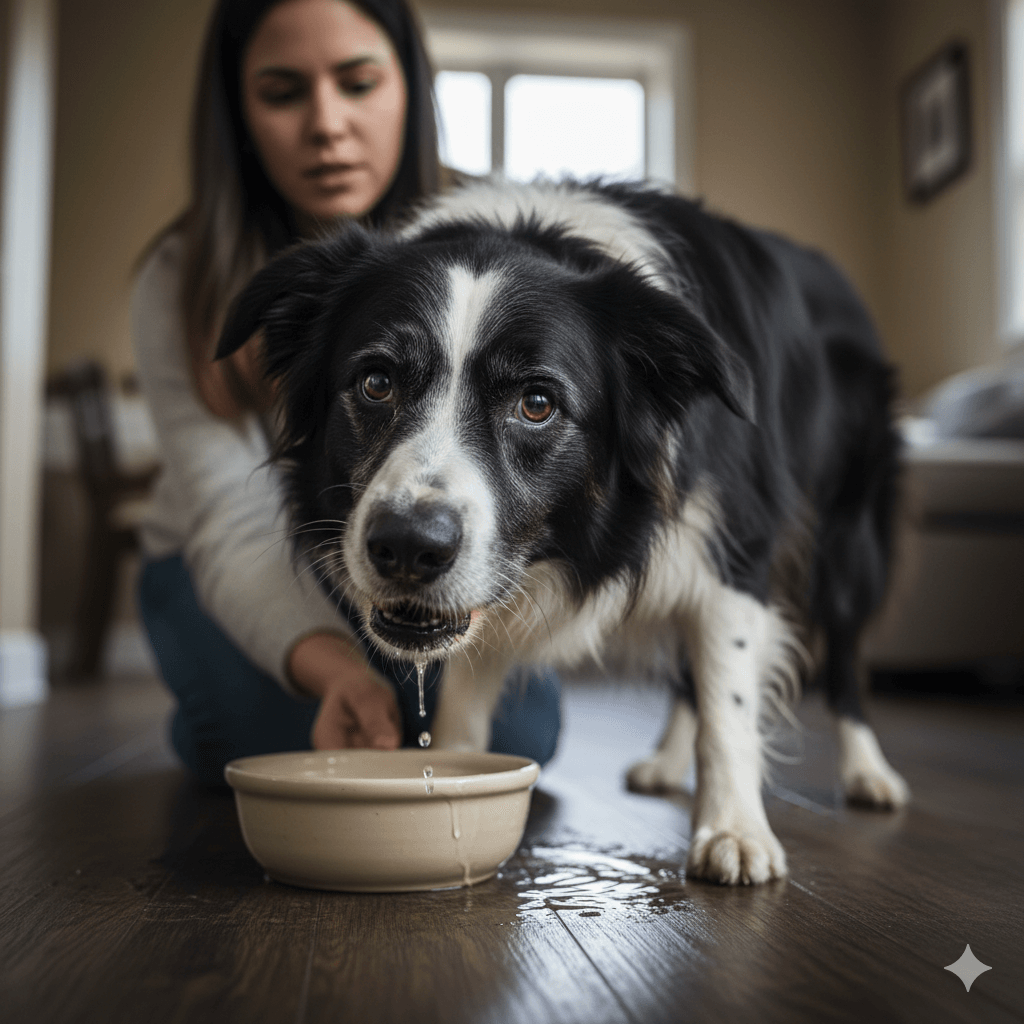
If your dog suddenly can’t close their mouth, seems to drool excessively, or struggles to eat, they might be suffering from trigeminal neuritis—a sudden, non-painful inflammation of the nerve that controls jaw movement. While the condition looks alarming, it’s typically temporary and resolves on its own within weeks. Still, recognizing the signs early helps rule out more serious issues and ensures your dog stays comfortable during recovery.
This condition affects the fifth cranial nerve, known as the trigeminal nerve, and though it rarely causes pain, it can leave your dog feeling vulnerable and confused. With patience and supportive care, most dogs regain full function and return to their cheerful selves.
Common Signs of Trigeminal Neuritis in Dogs
Trigeminal neuritis appears abruptly, with dogs often waking up unable to shut their jaws or chew normally. Unlike other neurological disorders, it doesn’t cause weakness in limbs or changes in behavior—just striking facial and jaw dysfunction. Watch for these hallmark symptoms in the first 24 to 48 hours:
- Inability to Close the Mouth:
Your dog’s jaw may hang open constantly, even at rest, giving them a perpetually “surprised” or “dazed” expression. - Excessive Drooling:
Without the ability to swallow normally or keep saliva contained, drooling becomes constant and may pool around their chin. - Difficulty Eating or Drinking:
Food and water may fall from their mouth, and they might drop kibble or avoid chewing altogether due to lack of jaw control. - Normal Mental State and Alertness:
Despite the dramatic physical signs, your dog remains fully conscious, responsive, and emotionally present—no confusion or lethargy. - No Pain or Sensitivity in the Face:
Unlike dental disease or nerve tumors, trigeminal neuritis is typically painless; your dog won’t flinch when you gently touch their face or jaw.
Most dogs stabilize within a few days, and improvement usually begins within 1–3 weeks without specific treatment.
When to Rule Out Other Conditions
Trigeminal neuritis has a distinctive presentation, but several serious conditions mimic its symptoms. Accurate diagnosis is essential to avoid missing treatable or progressive diseases that require urgent care:
- Masticatory Muscle Myositis (MMM):
This autoimmune condition also causes jaw weakness but is painful and leads to muscle wasting over time—unlike the sudden, painless onset of neuritis. - Rabies or Other Viral Infections:
Rabies can cause jaw paralysis and drooling, but it’s accompanied by aggression, disorientation, or paralysis—never assume it’s “just neuritis” without veterinary confirmation. - Brainstem Lesions or Tumors:
These may affect cranial nerves but usually involve additional signs like head tilt, circling, or limb weakness. - Dental or Oral Trauma:
A fractured jaw, abscess, or foreign object can mimic jaw dysfunction but will cause clear signs of pain or swelling. - Tick Paralysis or Botulism:
These neurotoxins cause progressive weakness beyond the face—starting in the hind legs and moving upward—unlike the isolated jaw involvement in neuritis.
A vet visit is crucial for definitive diagnosis, often involving neurological exams and sometimes imaging or blood tests.
Check this guide 👉Cat Drooling After Medicine: Best 7 Expert Tips!
Check this guide 👉Why Is My Cat Drooling When I Pet Him? Best 7 Expert Tips!
Check this guide 👉How Much Chicken Can a Cat Eat? Best 7 Expert Tips!
Typical Trigeminal Neuritis Signs | Red Flags Suggesting Other Conditions |
|---|---|
Sudden jaw drop, no warning | Gradual onset or worsening over days |
Alert, happy demeanor | Confusion, aggression, or lethargy |
No pain on facial touch | Whimpering, flinching, or guarding the face |
Only jaw/mouth affected | Weakness in legs, head tilt, or balance issues |
Drooling but able to swallow with help | Choking, gagging, or inability to swallow at all |
Causes and Risk Factors Behind Trigeminal Neuritis
The exact cause of trigeminal neuritis remains unknown, but it’s widely believed to be an immune-mediated or post-viral inflammatory response. Certain patterns help identify which dogs are more likely to be affected:
- Idiopathic Inflammation:
Most cases are labeled “idiopathic,” meaning no specific trigger is found—though many vets suspect a recent viral infection may initiate the immune response. - Breed Predisposition:
While any dog can be affected, Golden Retrievers, Boxers, and Miniature Poodles appear overrepresented in clinical reports. - Age Range:
Typically seen in young to middle-aged dogs (3–7 years), though cases in puppies and seniors have been documented. - Seasonal Patterns:
Some veterinarians note a slight increase in spring and summer, possibly linked to higher exposure to infectious agents. - Bilateral Nerve Involvement:
Unlike facial nerve paralysis (which affects one side), trigeminal neuritis almost always affects both sides of the jaw symmetrically.
Though unsettling to witness, the condition is benign in nature—meaning it doesn’t damage the brain or shorten lifespan.
At-Home Support During Recovery
Since there’s no specific medication to “cure” trigeminal neuritis, your role is to provide comfort, nutrition, and hydration while the nerve heals naturally. Most dogs recover fully within 2–4 weeks with proper support:
- Offer Soft or Liquid Foods:
Blend their regular kibble with warm water, broth, or low-sodium gravy to create a slurry they can lap up easily. - Elevate Food and Water Bowls:
Raising bowls to chest height reduces neck strain and helps gravity assist swallowing. - Keep the Chin and Chest Dry:
Gently wipe away drool several times a day to prevent skin irritation or bacterial infections under the jaw. - Avoid Force-Feeding or Jaw Manipulation:
Never try to close their jaw or pry open their mouth—this can cause stress or accidental injury. - Maintain Routine and Reassurance:
Stick to normal walks (if mobile), cuddles, and calm interaction to reduce anxiety during this confusing time.
Your calm presence is the most powerful medicine—dogs sense your confidence and feel safer even when their body feels strange.
What to Expect at the Veterinarian
While diagnosis is often based on clinical signs, your vet will rule out emergencies before confirming trigeminal neuritis. The visit focuses on exclusion, comfort, and creating a care plan:
- Neurological Examination:
Your vet will test reflexes, cranial nerve function, and limb coordination to isolate the issue to the trigeminal nerve. - Oral and Dental Inspection:
A careful check for fractures, abscesses, or foreign objects ensures nothing mechanical is causing the jaw drop. - Blood Work or Imaging (If Needed):
In atypical cases, MRI or CT scans may be recommended to rule out tumors or brain lesions. - Hydration and Nutrition Assessment:
The vet may demonstrate how to safely syringe-feed water or recommend a high-calorie liquid diet. - Reassurance and Monitoring Plan:
You’ll leave with clear signs to watch for and a timeline for expected improvement—usually noticeable by week 2.
Most vets won’t prescribe steroids or anti-inflammatories, as studies show they don’t speed recovery in true trigeminal neuritis.
Special Considerations for Puppies, Seniors, and Vulnerable Dogs
While generally benign, trigeminal neuritis poses greater challenges for dogs with limited reserves or preexisting conditions. Their smaller margin for error demands extra vigilance:
- Puppies:
Their rapid metabolism means missing even one day of calories can lead to hypoglycemia—close monitoring is essential. - Senior Dogs:
Older dogs may struggle more with dehydration or develop secondary issues like pneumonia if aspiration occurs. - Brachycephalic Breeds:
Dogs with short noses (like Bulldogs) already have compromised airways; excessive drooling can increase aspiration risk. - Dogs with Dental Disease:
Underlying mouth pain might be masked by neuritis, leading to delayed treatment of infections or tooth decay. - Anxious or Sensitive Temperaments:
Some dogs become deeply stressed by the inability to eat normally, requiring extra comfort and possibly anti-anxiety support.
For these groups, daily check-ins with your vet during the first week may be advisable.
Preventing Complications and Supporting Nerve Healing
Although you can’t prevent trigeminal neuritis, you can minimize risks during recovery and support optimal nerve regeneration through thoughtful care:
- Ensure Consistent Hydration:
Dehydration slows healing—offer water frequently via shallow bowls or use a syringe (without force) if needed. - Provide High-Quality Nutrition:
Use vet-recommended recovery diets rich in B vitamins and omega-3s, which support nerve repair. - Avoid Stressful Situations:
Loud noises, new pets, or major changes can increase cortisol, potentially delaying neural recovery. - Gentle Facial Massage (If Tolerated):
Light fingertip massage along the jawline may improve circulation—only if your dog shows no discomfort. - Track Daily Progress:
Note small improvements like slightly better lip movement or reduced drooling to stay encouraged and share with your vet.
Nerves heal slowly, but steady, loving support makes a real difference in your dog’s comfort and outcome.
Frequently Asked Questions About Trigeminal Neuritis in Dogs
Is trigeminal neuritis painful for dogs?
No—it’s typically non-painful. Dogs remain bright and alert despite the dramatic jaw drop, which helps distinguish it from other conditions.
How long does recovery usually take?
Most dogs show improvement within 10–14 days and fully recover within 3–4 weeks, though rare cases take up to 8 weeks.
Can it happen more than once?
Recurrence is extremely rare. Most dogs experience it only once in their lifetime and never again.
Will my dog need medication?
Usually not. Steroids or anti-inflammatories aren’t proven to help and may cause side effects—supportive care is the cornerstone.
Should I be worried about rabies?
Yes, initially. Rabies must always be ruled out by a vet, especially if your dog isn’t fully vaccinated or shows any behavioral changes.
Helping Your Dog Heal with Patience and Love
Seeing your dog unable to close their mouth or eat normally is deeply unsettling—but trigeminal neuritis is one of the more hopeful neurological diagnoses in veterinary medicine. With no lasting damage and a high rate of full recovery, this condition asks only for your patience, creativity with meals, and unwavering emotional support. Your dog may look confused or frustrated, but they still feel your love in every gentle wipe of their chin, every soft word of encouragement, and every quiet moment you spend beside them.
Trust the process, lean on your vet for guidance, and remember: this strange chapter is temporary. Soon enough, your dog will be crunching kibble, chasing toys, and greeting you with that familiar, joyful bark once again.
Is Rawhide Bad for Cats? Best 7 Expert Tips! – Discover the risks, safe alternatives, and expert advice to keep your feline friend healthy and happy.

Is Rawhide Bad for Dogs? Best 7 Expert Tips! – Discover the risks, benefits, and safer alternatives to rawhides for your dog’s chewing needs.

Understanding Anorexia in Cats: Best 7 Expert Tips! – Learn why cats stop eating, spot warning signs, and discover how to help your feline regain appetite safely.

Understanding Anorexia in Dogs: Best 7 Expert Tips! – Learn causes, symptoms, and solutions to help your dog regain appetite and stay healthy.