
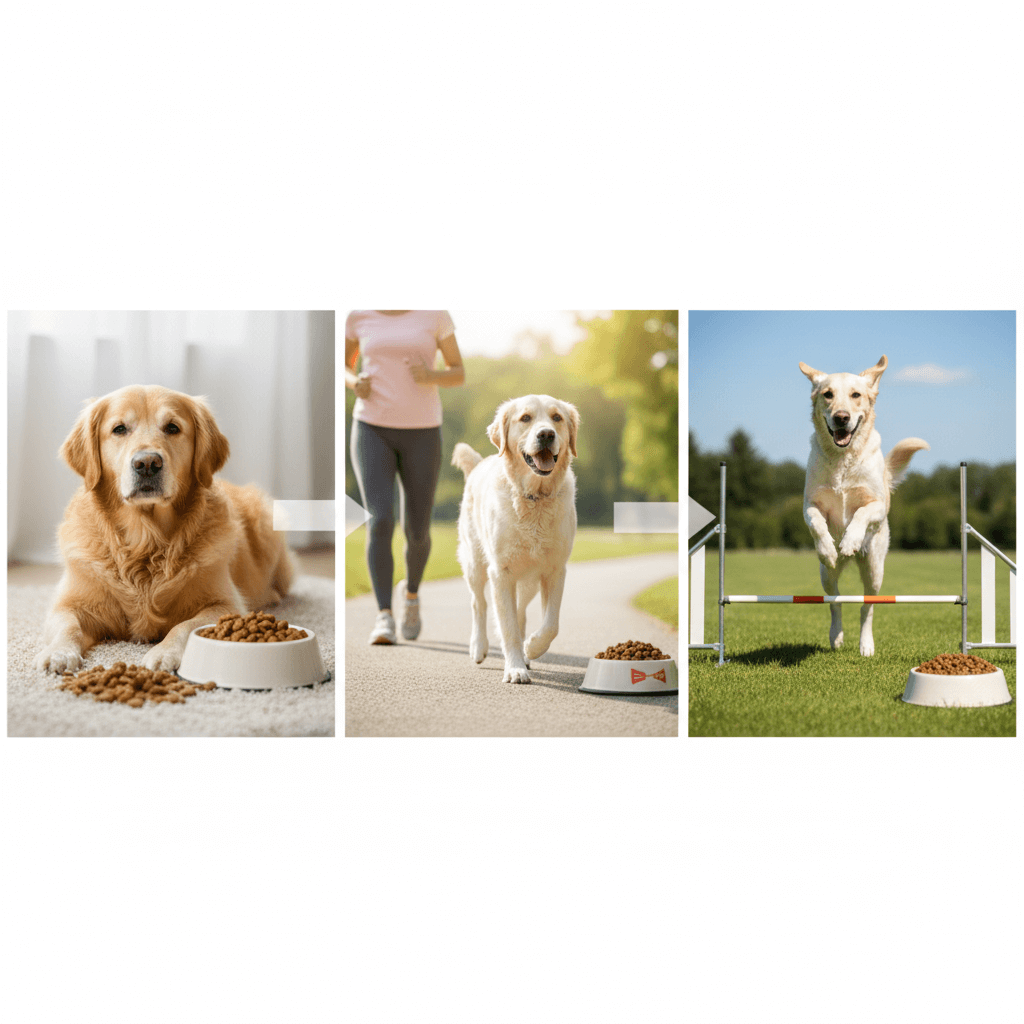

How Fast Can a Dog Lose Weight
Weight loss in dogs can happen quickly or gradually, depending on the cause—and not all weight loss is healthy. While intentional, managed weight reduction is safe under veterinary guidance, sudden or unexplained drops in body weight may signal serious illness. Understanding what’s normal versus concerning helps you act fast when your dog’s health is at stake. Whether it’s diet-related or disease-driven, the speed and pattern of weight loss offer crucial clues about your dog’s well-being. Paying close attention could make all the difference in catching a problem early.
Common Causes of Rapid Weight Loss in Dogs
When a dog loses weight unexpectedly or too quickly, it’s rarely just about “eating less.” Underlying medical, behavioral, or environmental factors are often at play. Identifying the root cause is essential for proper care and recovery:
- Parasitic Infections:
Intestinal worms like hookworms or tapeworms steal nutrients, leading to noticeable weight loss even with a normal appetite. - Dental or Oral Pain:
Broken teeth, gum disease, or mouth ulcers can make eating painful, causing your dog to eat less or drop food mid-meal. - Gastrointestinal Disorders:
Conditions like inflammatory bowel disease (IBD), exocrine pancreatic insufficiency (EPI), or chronic diarrhea impair nutrient absorption. - Metabolic or Endocrine Diseases:
Diabetes, hyperthyroidism (rare in dogs but possible), or Addison’s disease can accelerate metabolism or disrupt digestion. - Cancer or Organ Failure:
Tumors or chronic kidney/liver disease often cause cachexia—a rapid, severe wasting that doesn’t respond to increased food intake.
Weight loss from illness often occurs over days to weeks and is rarely reversible without treating the underlying condition.
Healthy Weight Loss: What’s Safe and Sustainable
For overweight dogs, gradual fat loss—not rapid shrinking—is the goal. A safe, vet-supervised plan protects muscle mass and avoids metabolic stress. Rushing the process can do more harm than good:
- Ideal Rate: 1–2% of Body Weight Per Week:
A 50-pound dog should lose no more than 0.5–1 pound weekly—slow enough to stay healthy, fast enough to stay motivated. - Controlled Calorie Deficit:
Weight loss diets are lower in calories but balanced in protein, vitamins, and essential fats to maintain health during reduction. - Portion Control Over Free Feeding:
Measured meals prevent overeating and allow precise tracking of intake, especially in multi-pet households. - Increased Physical Activity:
Gentle, consistent exercise like leash walks or swimming boosts calorie burn without straining joints. - Regular Weigh-Ins Every 2–4 Weeks:
Monitoring progress ensures the plan works—and helps adjust food amounts if weight stalls or drops too fast.
Patience is key: most dogs reach their ideal weight in 3–6 months with consistent, compassionate guidance.
Check this guide 👉Understanding Average Dog Weight: Best 7 Expert Tips!
Check this guide 👉How to Tell If Your Dog Is Overweight: Best 7 Expert Tips!
Check this guide 👉Papillon Dog Weight: Best 7 Expert Tips!
Warning Signs of Unhealthy Weight Loss | Indicators of Safe, Managed Weight Loss |
|---|---|
Loss of more than 5% body weight in 1–2 weeks | Steady drop of 1–2% per week |
Visible ribs, spine, or hip bones appearing suddenly | Gradual reduction in body fat with maintained muscle tone |
Lethargy, weakness, or disinterest in food | Normal energy, eager to eat meals, engaged in walks |
Vomiting, diarrhea, or excessive thirst | Stable digestion, regular stool, normal hydration |
Loss of interest in surroundings or interaction | Continued playfulness and affectionate behavior |
Medical Conditions That Accelerate Weight Loss
Some diseases cause dramatic weight loss even when a dog eats well—because the body can’t use or retain nutrients properly. These conditions require prompt diagnosis and treatment:
- Exocrine Pancreatic Insufficiency (EPI):
The pancreas fails to produce digestive enzymes, leading to malnutrition despite a ravenous appetite and large, greasy stools. - Protein-Losing Enteropathy (PLE):
Damaged intestines leak protein into the gut, causing low blood protein, swelling, and rapid muscle wasting. - Chronic Kidney Disease (CKD):
Toxins build up as kidney function declines, reducing appetite and causing nausea, vomiting, and weight loss. - Hyperadrenocorticism (Cushing’s Disease):
Though often linked to weight gain, some dogs experience muscle loss and abdominal fat redistribution that mimics wasting. - Heart Failure or Severe Infections:
The body’s increased energy demands during chronic illness can outpace calorie intake, leading to unintentional loss.
If your dog is eating normally but still losing weight, a full veterinary workup—including blood tests, fecal exams, and imaging—is essential.
Behavioral and Environmental Factors Affecting Weight
Not all weight loss stems from disease. Stress, competition, or changes at home can quietly impact your dog’s eating habits and body condition:
- Household Changes:
Moving, new pets, or family members can cause anxiety, leading to reduced appetite and gradual weight decline. - Food Competition:
In multi-dog homes, timid dogs may eat less if they’re bullied away from bowls or feel unsafe during meals. - Poor-Quality or Inappropriate Diet:
Cheap kibble lacking essential nutrients won’t sustain healthy weight, even if fed in large amounts. - Feeding Inconsistencies:
Irregular meal times, skipped meals, or frequent diet switches can disrupt digestion and reduce caloric intake. - Extreme Activity Without Caloric Adjustment:
Working dogs, agility athletes, or hiking companions may burn more calories than their diet provides.
Addressing these non-medical causes often resolves mild weight loss—especially when paired with a calm, predictable routine.
How to Monitor Your Dog’s Weight Accurately
Guessing your dog’s weight isn’t enough. Regular, objective tracking helps distinguish normal fluctuation from concerning trends:
- Use a Pet Scale or Home Method:
Weigh yourself, then weigh yourself holding your dog—the difference is their weight. (For large dogs, use a vet scale monthly.) - Body Condition Scoring (BCS):
Learn to assess your dog’s ribs, waistline, and abdominal tuck using the 1–9 BCS chart (ideal is 4–5). - Track Weekly in a Journal or App:
Note weight, appetite, stool quality, and energy to share patterns with your veterinarian. - Photograph Monthly:
Side and top-view photos help spot subtle changes in muscle definition or fat coverage over time. - Schedule Veterinary Check-Ins:
Even healthy dogs benefit from weight checks during annual visits—earlier if over 7 years old or managing a condition.
Consistent monitoring turns intuition into actionable data, empowering you to act before small issues become big problems.
Special Considerations for Puppies, Seniors, and At-Risk Breeds
Weight loss affects vulnerable dogs differently—and often more dangerously. Puppies can’t afford to lose reserves, while seniors may mask illness until it’s advanced:
- Puppies Under 1 Year:
Any weight loss is abnormal and urgent—puppies need constant calories for growth and immune development. - Senior Dogs (7+ Years):
Age-related decline can hide serious illness; weight loss in seniors should never be dismissed as “just aging.” - Toy and Small Breeds:
With less body mass, a 1-pound loss in a 5-pound dog is 20%—a life-threatening emergency requiring immediate care. - High-Metabolism Breeds:
Sighthounds like Greyhounds or Whippets naturally lean, but sudden loss beyond their baseline warrants investigation. - Dogs with Chronic Illness:
Those managing diabetes, cancer, or heart disease need frequent weight checks as part of their care plan.
For these groups, “wait and see” is risky—early intervention saves lives.
What to Do If Your Dog Is Losing Weight Too Fast
If you notice unexpected or rapid weight loss, act quickly but calmly. Your response in the first 24–48 hours can influence your dog’s outcome:
- Assess Appetite and Behavior:
Is your dog eating? Drinking? Vomiting? Note all symptoms to report accurately to your vet. - Check for Obvious Causes:
Review recent diet changes, new stressors, or access to garbage/toxins that might explain the shift. - Avoid Home Remedies:
Don’t increase food randomly or give supplements—some conditions worsen with excess protein or fat. - Call Your Veterinarian Immediately:
Describe the rate of loss, symptoms, and duration. Many clinics offer same-day exams for urgent weight concerns. - Bring a Fresh Stool Sample:
If parasites are suspected, a fecal test can provide same-day answers and fast treatment.
Your vigilance and prompt action give your dog the best chance at a full, healthy recovery.
Frequently Asked Questions About How Fast a Dog Can Lose Weight
How fast is too fast for a dog to lose weight?
Losing more than 2% of body weight per week without veterinary supervision is too fast—and over 5% in a week is a medical red flag.
Can a dog lose weight even if they’re eating normally?
Yes—conditions like EPI, cancer, or kidney disease prevent proper nutrient absorption or increase metabolic demand.
Is it normal for older dogs to get thinner with age?
Some lean muscle loss occurs, but significant weight loss is never “just old age”—it usually signals an underlying disease.
How can I help my dog gain weight safely?
First, rule out medical causes. Then, work with your vet to add calorie-dense, high-protein foods or prescription weight-gain diets.
Should I switch my dog’s food if they’re losing weight?
Not without veterinary advice. Switching blindly could worsen conditions like pancreatitis or IBD.
Supporting Your Dog’s Health Through Every Change
Watching your dog lose weight—whether by design or by surprise—can stir worry, confusion, and even guilt. But knowledge turns fear into action. Whether you’re guiding a pup toward a healthier body or racing to uncover why your senior dog is fading, your care makes all the difference. Trust your instincts: if something feels off, it probably is. With timely veterinary support, proper nutrition, and your steady presence, most dogs can regain balance and thrive again. Remember, a healthy weight isn’t just about looks—it’s about energy, comfort, and the joy of many more walks, naps, and shared moments ahead.
Understanding Bone Supplement for Cats: Best 7 Expert Tips! – Safe, vet-approved guidance for strong feline bones & balanced nutrition.
Bone Supplement for Dogs: Best 7 Expert Tips! – Expert guide to calcium, collagen & bone health for every life stage.
Understanding Can Cats Get Sunburn: Best 7 Expert Tips! – Protect your feline from UV damage with vet-backed prevention strategies.
How to Train a Seizure Alert Dog: Best 7 Expert Tips! – Learn expert-backed steps to nurture natural instincts into reliable, life-saving seizure alerts.


