
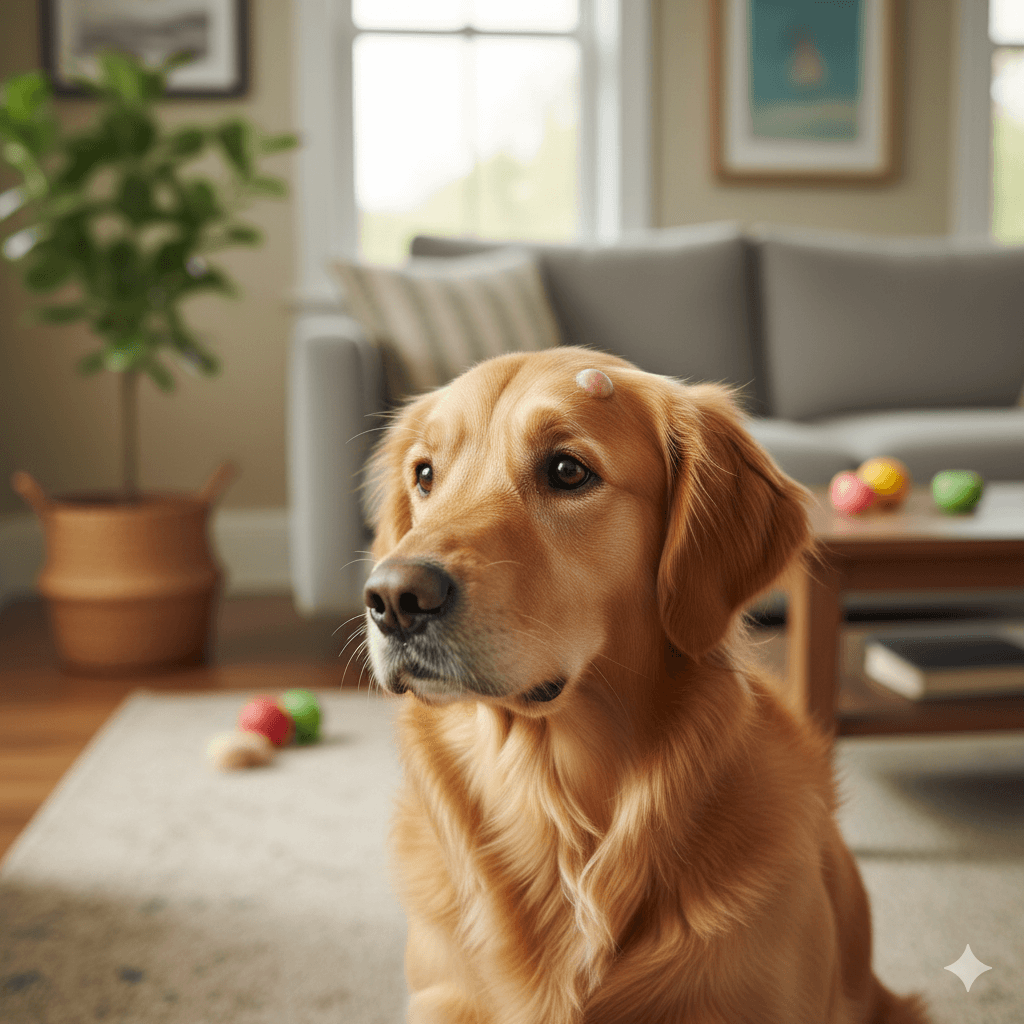

Understanding Pilar Cyst in Dogs: Best 7 Expert Tips!

Understanding Pilar Cyst in Dogs: Best 7 Expert Tips!

Understanding Pilar Cyst in Dogs: Best 7 Expert Tips!

If you’ve noticed a smooth, round lump on your dog’s skin—especially near the head, neck, or back—it could be a pilar cyst, a common benign growth tied to hair follicles. While usually harmless, these cysts can sometimes become irritated, infected, or mistaken for more serious lumps. Recognizing what a pilar cyst looks like, how it behaves, and when to seek veterinary care is essential for your dog’s comfort and health. With the right knowledge, you can monitor changes confidently and avoid unnecessary worry or intervention.

What Is a Pilar Cyst in Dogs?

Pilar cysts (also called trichilemmal or follicular cysts) develop when a hair follicle becomes blocked or damaged, causing keratin—a protein found in skin, hair, and nails—to accumulate beneath the skin. Unlike tumors, these are fluid- or paste-filled sacs that grow slowly and remain non-cancerous in most cases.

 
  • Origin in Hair Follicles:
    Pilar cysts form when the outer root sheath of a hair follicle thickens abnormally, trapping keratin inside a closed sac.
     
  • Common in Certain Breeds:
    Breeds like Boxers, Schnauzers, Basset Hounds, and Cocker Spaniels are more prone due to genetic skin traits.
     
  • Typically Benign and Slow-Growing:
    Most pilar cysts remain small, painless, and stable for months or years without causing issues.
     
  • Distinct Appearance:
    They often appear as smooth, round, firm lumps just under the skin, ranging from pea-sized to over an inch in diameter.
     
  • Non-Contagious and Isolated:
    These cysts don’t spread to other dogs or people and usually occur as single lesions, though multiple can develop.
 

While pilar cysts are generally harmless, any new lump should be examined by a vet to rule out malignant growths or other skin conditions.

Understanding Pilar Cyst in Dogs: Best 7 Expert Tips!

Signs and Symptoms to Watch For

Most pilar cysts don’t cause discomfort, but changes in size, texture, or behavior can signal complications like infection or rupture. Regular at-home checks help you catch problems early.

 
  • Visible, Movable Lump Under Skin:
    The cyst feels firm but slightly squishy and moves freely when gently pressed, unlike fixed or invasive masses.
     
  • Hair Loss Over the Area:
    The skin above the cyst may lose hair, revealing a smooth, sometimes shiny patch.
     
  • Discharge if Ruptured:
    If the cyst breaks open, it may leak a thick, white, cheese-like or grayish material with a mild odor.
     
  • Redness or Swelling:
    Infection can cause localized warmth, tenderness, or inflammation around the cyst site.
     
  • Licking or Scratching Behavior:
    Your dog may paw at or lick the area if it becomes itchy, irritated, or uncomfortable.
 

Never try to squeeze or pop the cyst yourself—this can introduce bacteria and worsen inflammation.

Benign Indicators
Warning Signs Requiring Vet Attention
Slow-growing, stable size
Rapid increase in size over days or weeks
Smooth, round shape
Irregular borders or hard, immovable texture
No pain when touched
Pain, heat, or sensitivity at the site
Single isolated lump
Multiple new lumps appearing elsewhere
No discharge or odor
Foul smell, pus, or bloody drainage

Common Causes and Risk Factors

While the exact trigger isn’t always clear, certain factors increase a dog’s likelihood of developing pilar cysts over time.

 
  • Genetics and Breed Predisposition:
    Hereditary skin structure in some breeds makes hair follicles more likely to keratinize abnormally.
     
  • Age-Related Skin Changes:
    Older dogs (7+ years) are more susceptible as skin turnover slows and follicles become less efficient.
     
  • Previous Skin Trauma:
    Cuts, scrapes, or chronic irritation can damage follicles and initiate cyst formation.
     
  • Hormonal Imbalances:
    Conditions like hypothyroidism may alter skin health and contribute to cyst development.
     
  • Poor Grooming or Hygiene:
    Dirty skin or matted fur can clog pores and follicles, especially in long-coated breeds.
 

Understanding these risks helps you take preventive steps—like regular brushing and skin checks—to support long-term skin health.

Diagnosis: How Vets Confirm a Pilar Cyst

Not all lumps are cysts—some may be lipomas, mast cell tumors, or abscesses. A veterinarian uses several methods to confirm the diagnosis and rule out serious concerns.

 
  • Physical Palpation:
    The vet assesses size, mobility, texture, and location during a hands-on exam.
     
  • Fine Needle Aspirate (FNA):
    A thin needle extracts cells or fluid from the lump for microscopic analysis—quick, minimally invasive, and often conclusive.
     
  • Cytology or Biopsy:
    If FNA is unclear, a small tissue sample may be sent to a lab for definitive identification.
     
  • Imaging (Rarely Needed):
    Ultrasound may be used if the cyst is deep or attached to underlying tissue.
     
  • Monitoring Over Time:
    For classic, small cysts, vets may recommend “watchful waiting” with periodic rechecks instead of immediate treatment.
 

Accurate diagnosis ensures your dog avoids unnecessary surgery while catching any hidden threats early.

Treatment Options and When Intervention Is Needed

Most pilar cysts require no treatment—but intervention may be necessary if the cyst causes discomfort, grows rapidly, or becomes infected.

 
  • Observation Only:
    If the cyst is small, stable, and asymptomatic, your vet may advise leaving it alone.
     
  • Surgical Removal:
    Excision is recommended if the cyst is large, recurrent, infected, or in a spot prone to trauma (e.g., under the collar).
     
  • Antibiotics for Infection:
    If redness, swelling, or pus is present, oral or topical antibiotics may be prescribed before or after removal.
     
  • Drainage (Not Recommended):
    While tempting, draining without full removal often leads to refilling and higher infection risk.
     
  • Post-Op Care:
    After surgery, keep the incision clean, prevent licking with an E-collar, and follow all vet instructions for healing.
 

Removal is usually curative, and recurrence at the same site is rare if the entire cyst wall is excised.


Home Care and Prevention Strategies

While you can’t always prevent pilar cysts, good skin hygiene and early detection reduce complications and support overall coat health.

 
  • Regular Skin Checks:
    Run your hands over your dog’s body weekly during grooming or cuddle time to catch new lumps early.
     
  • Gentle, Consistent Grooming:
    Brush regularly to prevent matting and debris buildup—especially in thick or double-coated breeds.
     
  • Balanced Diet with Skin Support:
    Omega-3 fatty acids (from fish oil) and quality proteins promote healthy skin and follicle function.
     
  • Avoid Harsh Shampoos:
    Use mild, vet-recommended cleansers to maintain natural skin oils and pH balance.
     
  • Minimize Skin Trauma:
    Trim nails to prevent scratching injuries, and check for burrs or thorns after outdoor walks.
 

Proactive care won’t eliminate genetic tendencies—but it creates a healthier environment for your dog’s skin to thrive.

When to Worry: Red Flags That Demand Immediate Care

Although pilar cysts are usually benign, certain changes warrant urgent veterinary evaluation to rule out cancer or severe infection.

 
  • Sudden, Rapid Growth:
    A lump that doubles in size within days could indicate a malignant process, not a simple cyst.
     
  • Ulceration or Bleeding:
    Open sores, crusting, or blood suggest tissue breakdown that needs medical attention.
     
  • Pain or Behavioral Changes:
    Whining, flinching when touched, or loss of appetite may signal deeper inflammation or systemic illness.
     
  • Multiple New Lumps:
    The appearance of several growths in a short time should always be investigated thoroughly.
     
  • Lethargy or Fever:
    Systemic signs like weakness or elevated temperature suggest infection has spread beyond the local site.
 

When in doubt, always err on the side of caution—early vet input provides peace of mind and better outcomes.


Frequently Asked Questions About Pilar Cysts in Dogs

Are pilar cysts cancerous?

No—pilar cysts are almost always benign and non-cancerous, though they should still be evaluated by a vet to confirm.

Rarely. Most remain stable or slowly grow; they don’t typically resolve without removal.

Yes, if it’s small, painless, and not changing—but monitor it closely and have it checked annually.

Possibly—dogs prone to one may develop others over time, especially with age or genetic predisposition.


Costs vary by location and clinic but typically range from $200 to $600, including exam, anesthesia, and histopathology.

A Calm, Confident Approach to Your Dog’s Skin Health

Finding a lump on your dog can be alarming—but with knowledge, you can respond with clarity instead of fear. Pilar cysts, while common, are usually a minor chapter in your dog’s health story, not a crisis. By staying observant, partnering with your veterinarian, and prioritizing gentle skin care, you help ensure your dog remains comfortable, confident, and free from unnecessary worry. Remember: every lump deserves attention, but not every lump demands panic. With love, vigilance, and expert guidance, you’ve got this—and so does your pup.

Understanding Bone Supplement for Cats: Best 7 Expert Tips!

Understanding Bone Supplement for Cats: Best 7 Expert Tips! – Safe, vet-approved guidance for strong feline bones & balanced nutrition.

Bone Supplement for Dogs: Best 7 Expert Tips!

Bone Supplement for Dogs: Best 7 Expert Tips! – Expert guide to calcium, collagen & bone health for every life stage.

Understanding Can Cats Get Sunburn: Best 7 Expert Tips!

Understanding Can Cats Get Sunburn: Best 7 Expert Tips! – Protect your feline from UV damage with vet-backed prevention strategies.

How to Train a Seizure Alert Dog: Best 7 Expert Tips!

How to Train a Seizure Alert Dog: Best 7 Expert Tips! – Learn expert-backed steps to nurture natural instincts into reliable, life-saving seizure alerts.

Leave a Reply

Your email address will not be published. Required fields are marked *


