
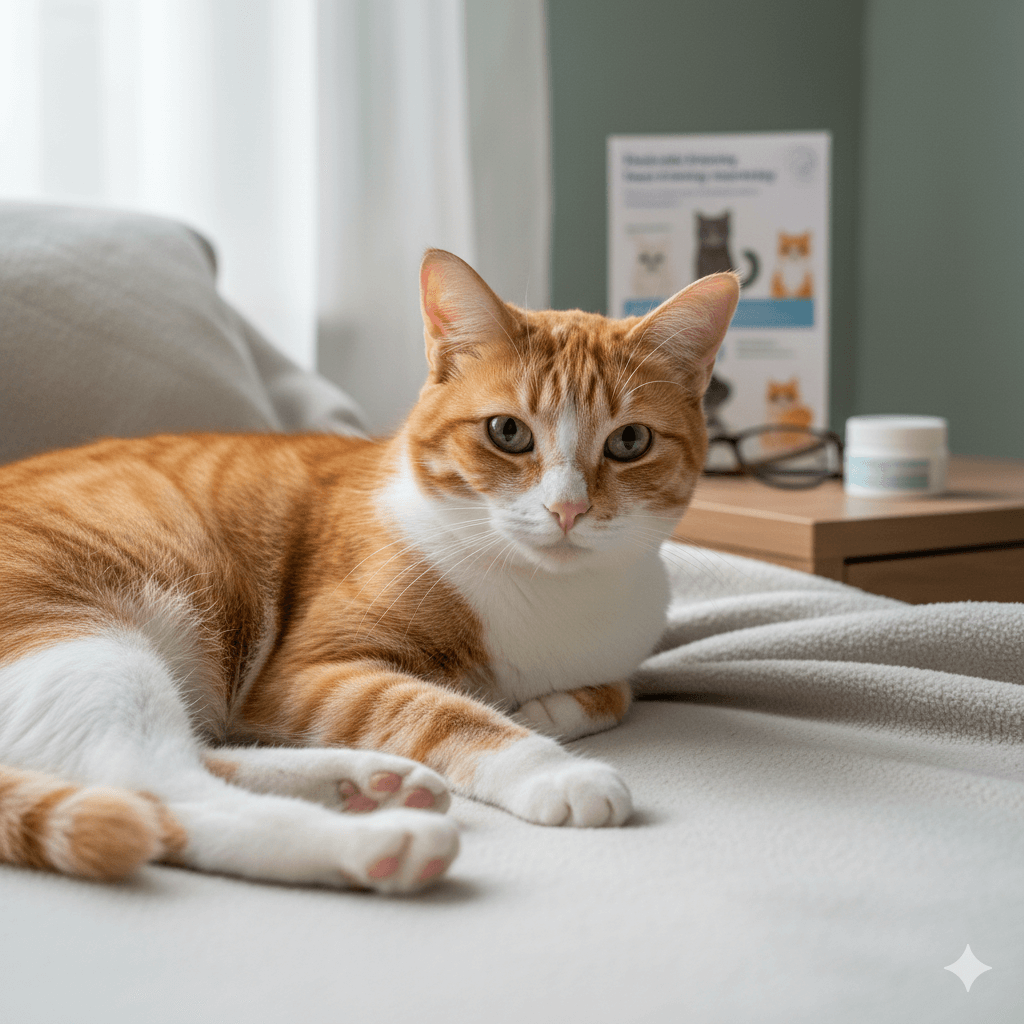

Understanding Mast Cell Tumor in Cats: Best 7 Expert Tips!
Mast cell tumors (MCTs) are among the more complex—and sometimes confusing—skin conditions that can affect cats. While less common than in dogs, these tumors arise from abnormal mast cells, a type of white blood cell involved in allergic and inflammatory responses. In cats, MCTs can range from benign skin lumps to aggressive internal growths, making early recognition vital. Though the diagnosis can feel overwhelming, many cats respond well to treatment when the condition is caught early. With expert care and informed decisions, you can help your feline companion navigate this challenge with comfort and resilience.
What Are Mast Cell Tumors in Cats?
Mast cell tumors develop when mast cells multiply uncontrollably, forming nodules or masses—most often in the skin, but sometimes in internal organs like the spleen or intestines. Unlike in dogs, feline MCTs come in distinct forms, each with different behaviors and outcomes. Understanding the basics helps you interpret your vet’s findings and make thoughtful choices:
- Cutaneous (Skin) MCTs:
These appear as single or multiple lumps on the head, neck, or body, often hairless, pink, and firm—but not always itchy or inflamed. - Visceral (Internal) MCTs:
Less visible but more serious, these develop in the spleen, liver, or gastrointestinal tract and may cause weight loss, vomiting, or lethargy. - Benign vs. Malignant Forms:
Many skin MCTs in cats are benign and can be cured with surgery alone, while internal or high-grade tumors may behave aggressively. - Breed and Age Patterns:
Siamese and other Oriental breeds may have a slightly higher risk, and MCTs most commonly appear in middle-aged to older cats—but any cat can be affected. - Mast Cells and Histamine Release:
When disturbed, these tumors can release histamine, leading to localized swelling, redness, or even stomach ulcers in severe cases.
While the word “tumor” sounds alarming, many mast cell growths in cats have excellent prognoses—especially when addressed promptly and thoroughly.
Recognizing Early Signs of Mast Cell Disease
Because mast cell tumors don’t always look dramatic, knowing what to watch for can lead to earlier diagnosis and better outcomes. Subtle changes in your cat’s skin or behavior may be the first clues:
- New Skin Lumps or Bumps:
A sudden, firm nodule—especially if it changes size, color, or texture—should always be checked by a vet. - Ulceration or Crusting:
Some MCTs become raw, scabbed, or bleed easily, particularly if your cat licks or scratches the area. - Gastrointestinal Upset:
In cases of internal MCTs, vomiting, diarrhea, loss of appetite, or black, tarry stools (from gut bleeding) may occur. - Lethargy or Weight Loss:
Unexplained tiredness or gradual thinning can signal systemic illness, especially with spleen involvement. - Fluctuating Lump Size:
Due to histamine release, some tumors temporarily swell after handling or minor trauma, then shrink again—a unique red flag.
Never assume a lump is “just a cyst.” Any new mass in your cat warrants a veterinary evaluation, including fine-needle aspiration or biopsy.
Check this guide 👉Mast Cell Tumor in Cat Paws: Best 7 Expert Tips!
Check this guide 👉Understanding Cat Skin Cancer: Best 7 Expert Tips!
Check this guide 👉Understanding Cat Nose Cancer: Best 7 Expert Tips!
Common Presentations | When to Seek Immediate Care |
|---|---|
Small, solitary skin lump | Lump that grows rapidly in days |
Occasional scratching at site | Vomiting blood or coffee-ground material |
Normal appetite and energy | Sudden collapse or pale gums |
Stable lump for weeks | Multiple new lumps appearing quickly |
Mild redness around mass | Signs of abdominal pain or distension |
Diagnostic Steps Your Vet May Recommend
Confirming a mast cell tumor requires more than a visual exam. Vets use a combination of tests to determine type, grade, and spread—critical for planning treatment:
- Fine-Needle Aspiration (FNA):
A quick, minimally invasive test where cells are extracted with a thin needle and examined under a microscope—often enough to confirm MCT. - Biopsy and Histopathology:
For definitive diagnosis and grading, a tissue sample is sent to a lab to assess how abnormal the cells are and whether margins are clean. - Blood Work and Urinalysis:
These check for systemic effects, anemia, or organ involvement—especially important before surgery or medication. - Abdominal Ultrasound:
If visceral MCT is suspected, this imaging helps evaluate the spleen, liver, and intestines for tumors or enlargement. - Staging Tests (if indicated):
In aggressive cases, chest X-rays or lymph node aspirates may be recommended to rule out metastasis.
Accurate diagnosis guides every next step—from simple removal to comprehensive care—and gives you clarity during an uncertain time.
Treatment Options Based on Tumor Type
Treatment for mast cell tumors in cats is highly individualized and depends on location, grade, and whether it’s isolated or systemic. Fortunately, many cats respond well to intervention:
- Surgical Removal for Skin MCTs:
Wide excision with clean margins often cures benign cutaneous tumors, with low recurrence risk. - Splenectomy for Splenic MCTs:
Removing an enlarged or tumor-affected spleen can lead to long-term remission—even in cases where cancer was present. - Medications for Symptom Control:
Antihistamines (like famotidine) help manage histamine-related stomach issues; steroids may reduce inflammation in some cases. - Chemotherapy (Rarely Needed):
Reserved for high-grade, metastatic, or recurrent tumors that don’t respond to surgery alone. - Monitoring for Low-Risk Cases:
Some benign MCTs in older cats may be watched if surgery poses higher risks—under close veterinary supervision.
Your vet will tailor a plan that prioritizes your cat’s comfort, longevity, and quality of life above all.
Prognosis and Long-Term Outlook
The outlook for cats with mast cell tumors varies widely—but many enjoy full, healthy lives after treatment. Prognosis hinges on early detection and tumor behavior:
- Excellent for Benign Skin MCTs:
With complete surgical removal, recurrence is rare, and life expectancy remains normal. - Good for Splenic MCTs Post-Splenectomy:
Many cats survive 1–2+ years or more after spleen removal, even without chemotherapy. - Guarded for High-Grade or GI MCTs:
Tumors in the intestines or with aggressive histology carry a poorer prognosis, though palliative care can still help. - Importance of Follow-Up:
Regular check-ups (every 3–6 months) help catch recurrence or new tumors early. - Quality of Life Focus:
Even in advanced cases, supportive care—pain management, anti-nausea meds, and comfort—keeps your cat peaceful and loved.
A mast cell tumor diagnosis isn’t a death sentence; for many cats, it’s a manageable condition with a hopeful trajectory.
Preventive Measures and Supportive Care
While there’s no guaranteed way to prevent mast cell tumors, proactive wellness habits support your cat’s immune resilience and early detection:
- Monthly Skin Checks:
Gently run your hands over your cat’s body during petting sessions to catch new lumps early. - Routine Veterinary Exams:
Annual (or biannual for seniors) check-ups include palpation and early screening for subtle changes. - Balanced, High-Quality Diet:
Proper nutrition supports immune function and overall cellular health—avoid excessive fillers or artificial additives. - Minimize Chronic Inflammation:
Address allergies, dental disease, or other inflammatory conditions that may influence immune cell behavior. - Stress Reduction at Home:
A calm, predictable environment helps maintain immune balance—use pheromones, enrichment, and quiet spaces as needed.
Prevention isn’t about perfection—it’s about consistent, loving attention to your cat’s whole-body well-being.
Special Considerations for Senior or High-Risk Cats
Older cats or those with chronic illnesses need tailored approaches when facing mast cell tumors. Their bodies may tolerate procedures differently, requiring extra care:
- Anesthesia Risk Assessment:
Pre-op blood work and cardiac screening ensure safety during surgery, especially in cats over 10 years old. - Comorbidity Management:
Conditions like kidney disease or hyperthyroidism must be stabilized before any major intervention. - Palliative Over Curative Goals:
In frail cats, comfort-focused care may be preferable to aggressive treatment—always a shared decision with your vet. - Hydration and Nutrition Support:
Appetite stimulants or subcutaneous fluids can maintain strength during recovery or monitoring periods. - Emotional Bonding Time:
Regardless of prognosis, extra cuddles, gentle play, and quiet companionship deeply matter to your cat’s well-being.
Every cat deserves a plan that honors their age, health, and spirit—with dignity and love at the center.
Frequently Asked Questions About Mast Cell Tumor in Cats
Are mast cell tumors painful for cats?
Most skin MCTs aren’t painful unless ulcerated or infected, but internal tumors may cause discomfort—watch for hunched posture or hiding.
Can mast cell tumors disappear on their own?
Rarely. Some benign forms may regress slightly, but surgical removal is still recommended to prevent recurrence or complications.
Is a mast cell tumor always cancer?
No—many feline skin MCTs are benign (non-cancerous) and curable with surgery, unlike in dogs where they’re often malignant.
How fast do mast cell tumors grow in cats?
Growth varies: benign skin tumors may stay stable for months, while aggressive forms can enlarge in days or weeks.
Should I rush to surgery if my cat has a lump?
Not always—but get it checked within 1–2 weeks. Your vet will determine urgency based on appearance, location, and cell analysis.
Supporting Your Cat Through Diagnosis and Beyond
A mast cell tumor diagnosis can stir fear and uncertainty—but with knowledge, partnership with your vet, and unwavering love, your cat can thrive. Many feline MCTs are far less aggressive than their canine counterparts, and simple interventions often lead to complete recovery. Trust your instincts, ask questions, and remember that your calm presence is a powerful medicine in itself. By staying observant, proactive, and compassionate, you give your cat the greatest gift: security in the face of the unknown. And in the quiet moments of care—brushing their fur, offering a soft bed, or just sitting nearby—you reaffirm the bond that makes every challenge worth facing together.
Understanding Bone Supplement for Cats: Best 7 Expert Tips! – Safe, vet-approved guidance for strong feline bones & balanced nutrition.
Bone Supplement for Dogs: Best 7 Expert Tips! – Expert guide to calcium, collagen & bone health for every life stage.
Understanding Can Cats Get Sunburn: Best 7 Expert Tips! – Protect your feline from UV damage with vet-backed prevention strategies.
How to Train a Seizure Alert Dog: Best 7 Expert Tips! – Learn expert-backed steps to nurture natural instincts into reliable, life-saving seizure alerts.


