
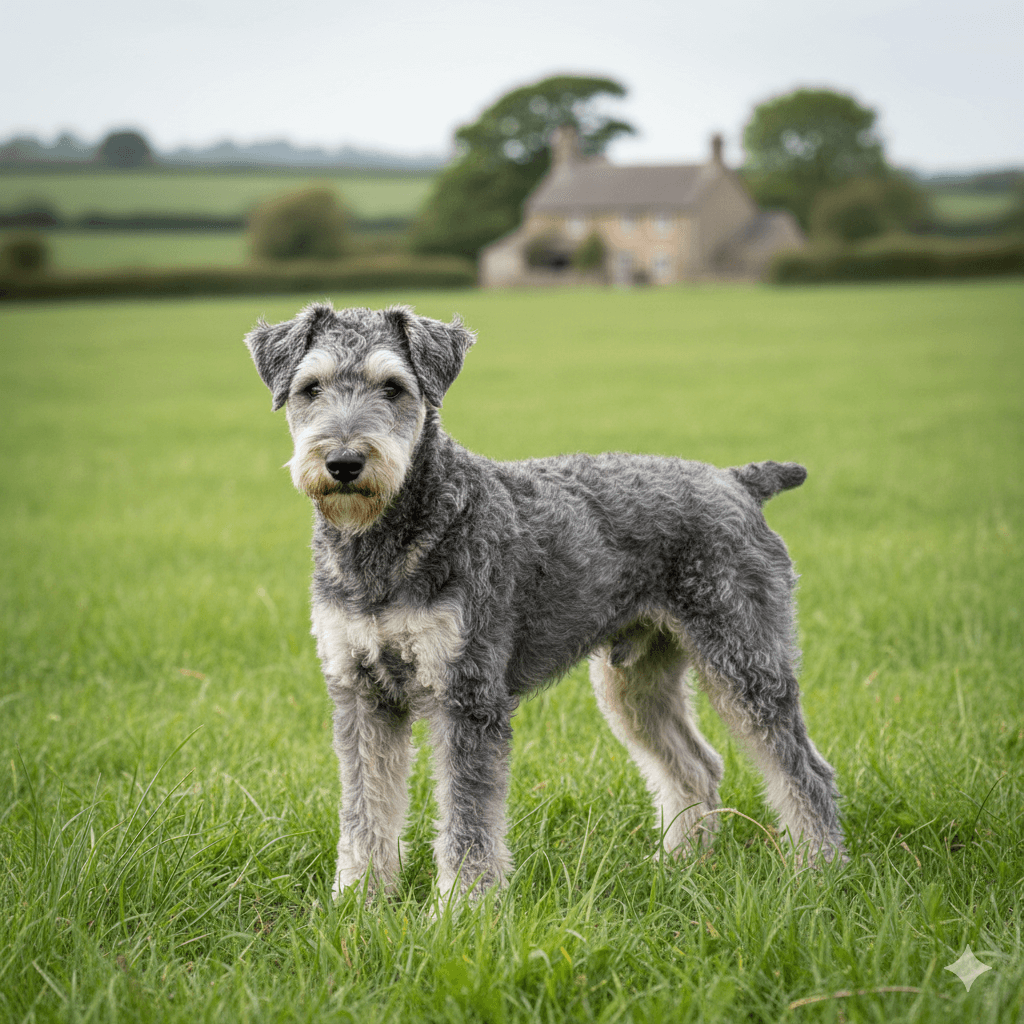

The Bedlington Terrier: Best 7 Expert Tips!
Elegant, energetic, and uniquely shaped like a lamb, the Bedlington Terrier is a breed full of surprises. Beneath its soft, curly coat and gentle eyes lies the heart of a courageous hunter, originally bred to chase vermin and rival dogs in the rugged mining towns of England. Despite its delicate appearance, this terrier is tough, athletic, and fiercely loyal—making it a standout companion for active, attentive owners. With its striking silhouette and affectionate nature, the Bedlington Terrier blends grace and grit in one unforgettable package.
Origins and History of the Bedlington Terrier
The Bedlington Terrier’s story begins in the coal-mining region of Northumberland, England, where it earned its keep as a versatile working dog. Named after the town of Bedlington, this breed was prized not just for its looks but for its fearless tenacity and speed.
- Working-Class Roots:
Originally bred by miners and hunters in the 18th century, Bedlingtons were used to flush out badgers, otters, and rats from dens and tunnels. - Racing and Ratting Fame:
Their incredible speed and stamina made them stars in early dog racing and rat-baiting contests—sometimes taking down prey larger than themselves. - Grooming for Function:
The distinctive “lamb clip” wasn’t just for style—it protected vital organs during fights while allowing freedom of movement. - Kennel Club Recognition:
The breed was officially recognized by The Kennel Club (UK) in 1873 and later by the American Kennel Club in 1955. - Decline and Revival:
Once extremely popular, Bedlington numbers fell in the 20th century but have seen a quiet resurgence among terrier enthusiasts who admire its rare blend of elegance and edge.
Though no longer chasing quarry down mineshafts, the Bedlington Terrier still carries the spirit of its working past in every confident stride.
Distinctive Physical Traits of the Bedlington Terrier
Few dogs turn heads like the Bedlington Terrier. With its pear-shaped head, arched neck, and curly, woolly coat, it’s often mistaken for a lamb—but don’t be fooled by its soft looks.
- Unique Silhouette:
A gracefully arched loin, deep chest, and narrow waist give it a lithe, athletic outline built for speed and agility. - Curly, Non-Shedding Coat:
The dense, crisp coat feels more like hard wool than fur and sheds minimally—ideal for allergy-sensitive households. - Topknot and Pear-Shaped Head:
The iconic crest of hair on the head (the “topknot”) and lack of stop (forehead dip) create a smooth, rounded profile unlike any other terrier. - Size and Build:
Standing 15–17.5 inches tall and weighing 17–23 pounds, it’s medium-small but muscular—built for endurance, not fragility. - Color Evolution:
Puppies are born dark but lighten with age; accepted colors include blue, liver, and sandy, all with or without tan points.
Every physical detail of the Bedlington reflects its dual identity: a refined show dog with the soul of a rugged field worker.
Check this guide 👉Is the Staffordshire Bull Terrier a Good Family Dog? Best 7 Tips!
Check this guide 👉The Parson Russell Terrier Dog: Best 7 Expert Tips!
Check this guide 👉Terrier Breeds: Best 7 Expert Tips!
Temperament Highlights | Care Considerations |
|---|---|
Gentle and affectionate with family | Regular professional grooming every 6–8 weeks |
Fearless and game in challenging situations | Coat must be hand-stripped—not clipped—to maintain texture |
Intelligent but independent-minded | Prone to copper toxicosis—genetic testing is essential |
Good with respectful children | Needs daily exercise to prevent boredom and mischief |
Alert and moderately vocal | Sensitive to harsh training—responds best to positive methods |
Personality and Temperament: Gentle at Home, Bold Outside
The Bedlington Terrier thrives on contrast: calm and cuddly on the couch, yet bold and relentless in the field. This duality makes it a fascinating—and sometimes surprising—companion.
- Devoted Family Companion:
Deeply bonded to its people, the Bedlington often follows owners from room to room, offering quiet loyalty and affection. - Courage Beyond Size:
Don’t let its lamb-like looks deceive you—it will stand its ground against larger dogs and unfamiliar challenges without hesitation. - Playful and Energetic:
Loves games, fetch, and agility; its high energy is best channeled through structured play and mental puzzles. - Reserved with Strangers:
While not aggressive, it tends to be watchful and slightly aloof around new people until properly introduced. - Sensitive and Responsive:
Reacts poorly to yelling or punishment; thrives in homes where communication is kind, consistent, and confident.
In the right environment, the Bedlington Terrier is both a serene housemate and a spirited adventure partner.
Training and Socialization Tips for Bedlington Terrier Owners
Training a Bedlington requires patience, creativity, and respect for its terrier instincts. This breed learns quickly—but only when it feels respected and engaged.
- Start Socialization Early:
Expose your puppy to diverse people, dogs, sounds, and surfaces before 16 weeks to build confidence and reduce reactivity. - Use Positive, Reward-Based Methods:
High-value treats, praise, and play work best; this sensitive breed shuts down under pressure or scolding. - Keep Sessions Short and Varied:
With a sharp mind and short attention span, Bedlingtons thrive on 5–10 minute training bursts with changing activities. - Focus on Recall Reliability:
Strong prey drive means they may chase squirrels or birds—always practice off-leash commands in safe, enclosed areas. - Manage Terrier Stubbornness:
They’ll test limits playfully; set clear boundaries early and reinforce them with calm consistency, not force.
With thoughtful guidance, your Bedlington can become a well-mannered, responsive, and joyful member of the family.
Grooming and Health Needs of the Bedlington Terrier
That signature lamb-like look comes with significant grooming demands—and unique health considerations every owner must know.
- Professional Grooming Essential:
The coat mats easily and requires hand-stripping every 6–8 weeks to preserve its texture and color; clipping ruins its natural harshness. - Topknot Maintenance:
The head crest needs daily combing to prevent tangles and keep it neat—many owners tie it up between grooms. - Copper Toxicosis Risk:
A hereditary liver condition (due to COMMD1 gene mutation) can be fatal; always request DNA testing from breeders. - Dental and Ear Care:
Like many terriers, they’re prone to dental disease—brush teeth daily. Also check ears weekly for wax or infection. - Longevity with Proper Care:
With responsible breeding and proactive health management, Bedlingtons live 12–16 years of active, vibrant life.
Grooming and health vigilance aren’t optional—they’re the price of owning one of the dog world’s most distinctive beauties.
Living with a Bedlington Terrier: Ideal Home and Lifestyle Fit
The Bedlington adapts well to various homes—but flourishes only with owners who understand its energy, sensitivity, and need for engagement.
- Apartment Living Possible:
With sufficient daily exercise, they can thrive in smaller spaces, though they do best with access to a secure yard. - Not for Couch Potatoes:
This breed needs at least 45–60 minutes of vigorous activity daily—long walks, runs, or agility sessions are ideal. - Thrives on Human Connection:
They dislike being left alone for hours and may develop separation anxiety or destructive habits without companionship. - Good with Other Pets (If Raised Together):
Can coexist with cats or dogs if socialized early, but their prey drive means caution around small animals. - Moderate Climate Preference:
Their coat offers some insulation but isn’t suited for extreme heat or cold—adjust outdoor time accordingly.
The Bedlington Terrier isn’t a decorative accessory—it’s a dynamic, feeling partner who gives love as deeply as it receives it.
Potential Challenges of Owning a Bedlington Terrier
Despite its elegance, the Bedlington Terrier isn’t for everyone. Prospective owners should weigh these realities before bringing one home.
- High Grooming Costs and Time:
Professional grooming is non-negotiable for show or pet clips, adding significant ongoing expense and effort. - Genetic Health Risks:
Copper toxicosis is serious and underdiagnosed; always confirm health clearances before purchasing a puppy. - Prey Drive and Dog Reactivity:
May chase small animals or challenge unfamiliar dogs—leash control and early training are critical. - Sensitivity to Tone and Emotion:
Harsh words or chaotic households can stress this intuitive breed, leading to withdrawal or anxiety. - Exercise Needs Often Underestimated:
Their graceful appearance masks high stamina; insufficient activity leads to barking, digging, or chewing.
Facing these challenges with preparation and commitment ensures a rewarding, lifelong bond with your Bedlington.
Frequently Asked Questions About the Bedlington Terrier
Is the Bedlington Terrier a good family dog?
Yes—with proper socialization and supervision, they’re affectionate and protective with gentle, respectful children.
Do Bedlington Terriers shed?
They shed very little and are often suitable for allergy sufferers, but their coat requires frequent professional grooming.
How much exercise does a Bedlington Terrier need?
At least 45–60 minutes of vigorous activity daily, including mental stimulation like scent games or obedience training.
Are Bedlington Terriers hypoallergenic?
While no dog is truly hypoallergenic, their minimal shedding and woolly coat make them one of the more allergy-friendly breeds.
Can Bedlington Terriers live in apartments?
Yes—if their exercise and companionship needs are fully met, they adapt well to apartment living.
A Graceful Heart with a Terrier’s Soul
The Bedlington Terrier defies expectations at every turn. It looks like a serene lamb but moves like a greyhound and thinks like a strategist. For owners who appreciate beauty without fragility, loyalty without clinginess, and spirit without chaos, this breed offers a rare and rewarding blend. More than just a pet, the Bedlington becomes a devoted confidant—elegant in form, courageous in spirit, and endlessly loving in its own quiet way.
Understanding Bone Supplement for Cats: Best 7 Expert Tips! – Safe, vet-approved guidance for strong feline bones & balanced nutrition.
Bone Supplement for Dogs: Best 7 Expert Tips! – Expert guide to calcium, collagen & bone health for every life stage.
Understanding Can Cats Get Sunburn: Best 7 Expert Tips! – Protect your feline from UV damage with vet-backed prevention strategies.
How to Train a Seizure Alert Dog: Best 7 Expert Tips! – Learn expert-backed steps to nurture natural instincts into reliable, life-saving seizure alerts.


