
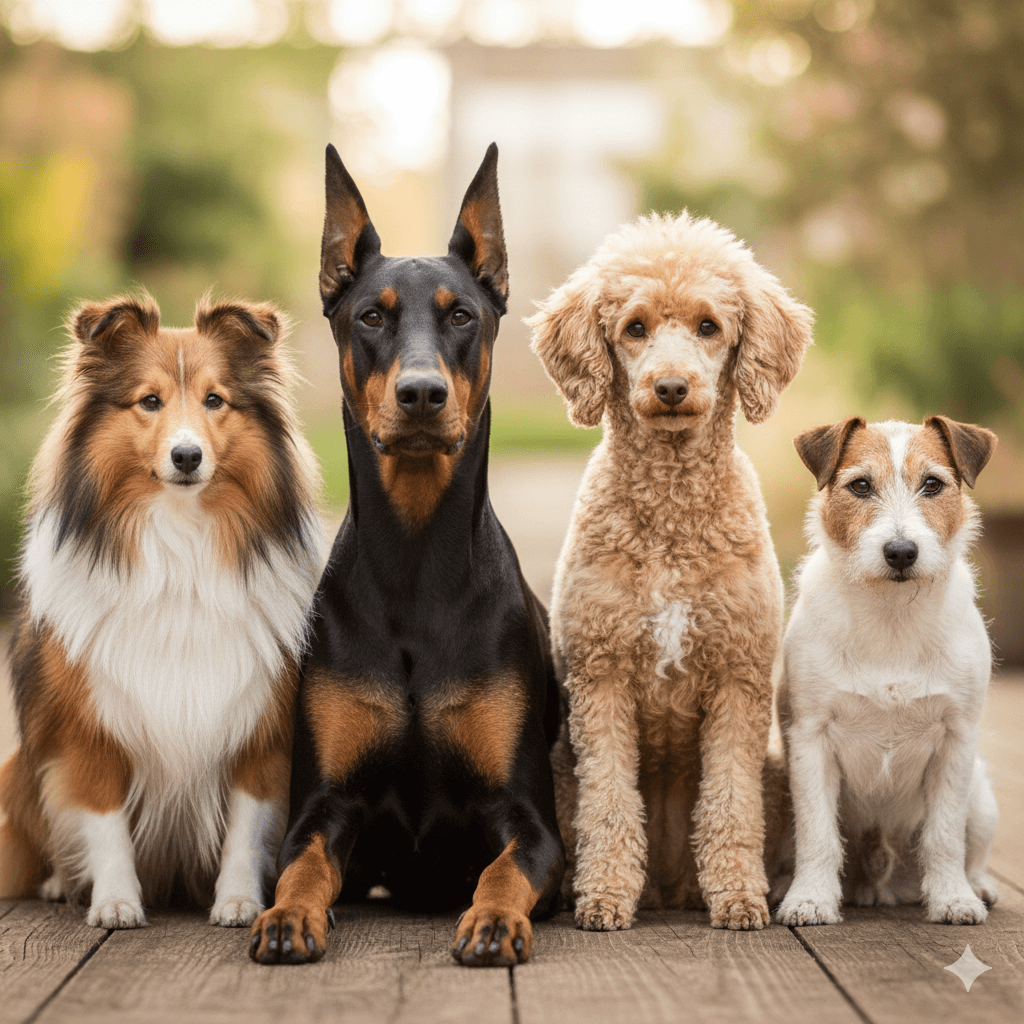

Understanding Dog Coat Types: Best 7 Expert Tips!

Understanding Dog Coat Types: Best 7 Expert Tips!

Understanding Dog Coat Types: Best 7 Expert Tips!

Your dog’s coat does more than just look good—it protects their skin, regulates temperature, and reflects their breed’s heritage. From sleek and shiny to curly and fluffy, coat types vary widely across breeds and come with unique care needs. Recognizing your dog’s specific coat type helps you choose the right grooming tools, bathing frequency, and nutrition for optimal health. Whether you’re a new owner or a seasoned pet parent, understanding these differences ensures your dog stays comfortable, clean, and radiant. After all, a well-maintained coat is often a sign of a happy, healthy dog.

Common Dog Coat Types and Their Characteristics

Dogs sport an impressive range of coat types—each shaped by genetics, climate adaptation, and historical function. Knowing what kind your dog has guides everything from brushing routines to seasonal care. Here’s a breakdown of the most common categories:

 
  • Smooth or Short Coat:
    Breeds like Boxers and Beagles have tight, glossy fur that lies flat against the skin. It sheds moderately but is easy to clean and dries quickly.
     
  • Double Coat:
    Found in Huskies, Golden Retrievers, and German Shepherds, this type features a soft undercoat for insulation and a coarser outer guard coat for weather protection.
     
  • Wire or Rough Coat:
    Terriers like the Airedale or Scottish Terrier have stiff, dense fur that resists dirt and moisture. It requires hand-stripping to maintain texture and prevent matting.
     
  • Curly or Wavy Coat:
    Poodles, Bichons, and Portuguese Water Dogs have non-shedding, hypoallergenic curls that trap dander. These coats need frequent brushing to avoid tight knots.
     
  • Hairless Coat:
    Breeds like the Xoloitzcuintli or Chinese Crested have little to no fur, exposing sensitive skin that needs sunscreen, moisturizer, and temperature regulation.
 

Each coat type tells a story about your dog’s ancestry—and comes with specific grooming responsibilities to keep them thriving.

Understanding Dog Coat Types: Best 7 Expert Tips!

Grooming Needs by Coat Type

Not all brushes or shampoos work for every dog. Tailoring your grooming approach to your dog’s coat type prevents skin irritation, reduces shedding, and enhances natural shine. Here’s how to care for each variety:

 
  • Smooth Coats Need Minimal Brushing:
    A weekly rub with a grooming mitt removes loose hair and spreads natural oils—ideal for low-maintenance routines.
     
  • Double Coats Require Seasonal Attention:
    During “blowing coat” seasons (spring/fall), daily brushing with an undercoat rake prevents massive shedding piles and skin overheating.
     
  • Wire Coats Should Never Be Clipped Short:
    Shaving ruins the harsh texture; instead, hand-strip dead hairs every 3–4 months to preserve weather resistance and color.
     
  • Curly Coats Demand Daily Detangling:
    Use a slicker brush and leave-in conditioner to manage tangles before they become painful mats close to the skin.
     
  • Hairless Coats Need Skincare, Not Grooming:
    Apply dog-safe sunscreen outdoors, moisturize weekly, and bathe gently to prevent acne or dryness on exposed areas.
 

Matching your tools and techniques to your dog’s coat type makes grooming a bonding ritual—not a battle.

Coat Type
Key Grooming Priority
Smooth
Weekly wiping or light brushing
Double
Undercoat raking during shedding seasons
Wire
Hand-stripping (not clipping) every few months
Curly
Daily brushing and professional trims
Hairless
Sun protection, moisturizing, and gentle cleansing

How Coat Type Affects Shedding and Allergies

Many owners choose breeds based on shedding or allergy concerns—but not all “low-shed” claims are equal. Understanding how coat structure influences dander and hair loss helps set realistic expectations:

 
  • Shedding Is Natural, But Varies Widely:
    Smooth and double-coated dogs shed year-round or seasonally; curly-coated dogs shed minimally but still release dander.
     
  • Allergies Are Triggered by Dander, Not Just Fur:
    Even “hypoallergenic” breeds produce allergens in saliva and skin cells—though curly or hairless types often trap or expose less of it.
     
  • Regular Grooming Reduces Allergen Spread:
    Bathing every 2–4 weeks and brushing outdoors significantly lowers airborne dander in your home.
     
  • Double Coats Can Worsen Indoor Allergies:
    When not brushed, dead undercoat accumulates and sheds unpredictably, increasing allergen load on furniture and floors.
     
  • Hairless Breeds Are Best for Severe Allergies:
    With no fur to trap dander, they’re easiest to keep allergen-controlled—though their skin still requires careful management.
 

Managing allergies starts with choosing the right coat type—but consistent hygiene makes the real difference.

Seasonal Care Tips Based on Coat Type

Your dog’s coat interacts with weather in surprising ways. Winter chill or summer heat affects each type differently—so adjust care with the seasons:

 
  • Double-Coated Dogs Should Never Be Shaved in Summer:
    Their guard hairs reflect sunlight and insulate against heat; shaving can cause sunburn or improper regrowth.
     
  • Smooth-Coated Breeds Get Cold Easily:
    Without insulation, dogs like Greyhounds or Whippets benefit from sweaters in temperatures below 50°F (10°C).
     
  • Curly Coats Absorb Moisture:
    After rain or swimming, thoroughly dry your Poodle or Bichon to prevent mildew or “wet dog” odor trapped in dense fur.
     
  • Wire Coats Offer Natural Weather Resistance:
    Their coarse texture sheds rain and snow—ideal for outdoor adventures, but still check for ice balls in winter.
     
  • Hairless Dogs Overheat or Chill Rapidly:
    Provide cooling mats in summer and heated beds in winter to help them regulate body temperature safely.
 

Seasonal awareness keeps your dog comfortable year-round—no matter their coat.


Nutrition and Supplements for a Healthy Coat

Diet plays a huge role in coat quality. A dull, brittle, or thinning coat may signal nutritional gaps—even in genetically ideal coats. Support shine and strength from the inside out:

 
  • Omega-3 and Omega-6 Fatty Acids:
    Found in fish oil, flaxseed, or specially formulated dog foods, these reduce dryness and flaking.
     
  • High-Quality Animal Proteins:
    Hair is made of keratin—a protein—so diets rich in chicken, beef, or fish support robust coat growth.
     
  • Zinc and B Vitamins:
    These nutrients maintain skin barrier health and prevent crusty patches or excessive shedding.
     
  • Avoid Fillers Like Corn or Soy:
    Low-quality carbs can trigger inflammation, leading to itchy skin and poor coat condition in sensitive dogs.
     
  • Hydration Is Essential:
    Even the oiliest double coat needs proper water intake to stay supple and shed normally.
 

A radiant coat often starts in the food bowl—not the grooming kit.

Special Considerations for Mixed-Breed and Rescue Dogs

Mixed-breed dogs often have unpredictable coat combinations—making care a bit of a guessing game. But observation and flexibility lead to success:

 
  • Coat May Change with Age:
    Many puppies have soft “baby fur” that transitions to a double or wiry adult coat between 6–18 months.
     
  • Unexpected Texture Combinations:
    A Lab-Poodle mix might inherit tight curls on the body but straight hair on the legs—requiring zone-specific grooming.
     
  • Rescue Dogs May Have Neglected Coats:
    Mats, dryness, or bald patches from past neglect need gentle rehabilitation with vet-approved shampoos and patience.
     
  • Genetic Testing Can Reveal Coat Clues:
    DNA kits often predict coat type, shedding level, and grooming needs based on breed ancestry.
     
  • Start Simple and Observe:
    Use a soft brush first, note how quickly fur mats or sheds, and adjust tools gradually based on your dog’s tolerance.
 

With curiosity and care, even the most mysterious coat can become manageable—and beautiful.

Expert Grooming Tools and Techniques by Coat Type

Choosing the right grooming tools makes all the difference in maintaining your dog’s coat health and comfort. Each coat type responds best to specific brushes, combs, and techniques that respect its natural structure. Using the wrong tool can cause pain, breakage, or skin irritation—so match your kit to your dog’s unique needs:

 
  • Slicker Brush for Curly and Double Coats:
    This fine-wire brush gently removes tangles and loose undercoat without damaging the top layer—ideal for Poodles, Shih Tzus, and Huskies.
     
  • Grooming Mitt for Smooth Coats:
    A soft rubber or silicone mitt mimics petting while lifting dead hair and distributing oils—perfect for Boxers, Dalmatians, and Dobermans.
     
  • Stripping Knife for Wire Coats:
    Used by professional groomers or skilled owners, this tool plucks dead guard hairs to maintain texture and color in terriers and schnauzers.
     
  • Undercoat Rake for Seasonal Shedders:
    Designed with long teeth to reach deep into the undercoat, this tool dramatically reduces shedding in breeds like Malamutes and Shepherds.
     
  • Fine-Tooth Comb for Face and Paws:
    Use a metal comb with narrow spacing to clean delicate areas like beards, eyebrows, and between toes—especially important for breeds like Affenpinschers or Lhasa Apsos.
 

Investing in the right tools isn’t just about aesthetics—it’s about respecting your dog’s biology and making grooming a stress-free, even enjoyable, experience.

Frequently Asked Questions About Dog Coat Types

Do all double-coated dogs shed heavily?

Most do, especially during seasonal transitions—but regular grooming can dramatically reduce the amount of loose hair in your home.


Yes—Poodles have hair, not fur, so clipping is safe and common. Just avoid cutting too short in summer to prevent sunburn.

No dog is 100% hypoallergenic, but breeds with curly or hairless coats tend to produce fewer airborne allergens.

Smooth-coated breeds often have high hair turnover—they shed fine hairs constantly, even if individual strands are short.

Every 6–8 weeks is sufficient; over-bathing strips natural oils and dries out their coarse guard hairs.

Celebrating the Beauty and Diversity of Dog Coats

From the glistening sheen of a Doberman’s sleek coat to the cloud-like fluff of a Samoyed, dog coats are as diverse as their personalities. Each type—whether wiry, curly, smooth, or bare—comes with its own rhythm of care, charm, and challenges. By understanding your dog’s specific coat needs, you do more than keep them looking great; you protect their skin, support their comfort, and honor their unique biology. Grooming becomes an act of love, not just maintenance. And in every brush stroke, you’re not just tending to fur—you’re nurturing the bond you share with your loyal, one-of-a-kind companion.

How Fast Can a Cat Lose Weight: Best 7 Expert Tips!

How Fast Can a Cat Lose Weight: Best 7 Expert Tips! – Safe rates, warning signs & vet-approved strategies for healthy feline weight loss.

How Fast Can a Dog Lose Weight: Best 7 Expert Tips!

How Fast Can a Dog Lose Weight: Best 7 Expert Tips! – Safe rates, red flags, and vet-approved strategies for healthy dog weight loss.

Understanding Pilar Cyst in Cats: Best 7 Expert Tips!

Understanding Pilar Cyst in Cats: Best 7 Expert Tips! – Spot, assess & care for benign feline skin cysts with vet-backed guidance.

Understanding Pilar Cyst in Dogs: Best 7 Expert Tips!

Understanding Pilar Cyst in Dogs: Best 7 Expert Tips! – Identify, monitor & manage benign skin cysts safely with vet-approved guidance.

Leave a Reply

Your email address will not be published. Required fields are marked *


