
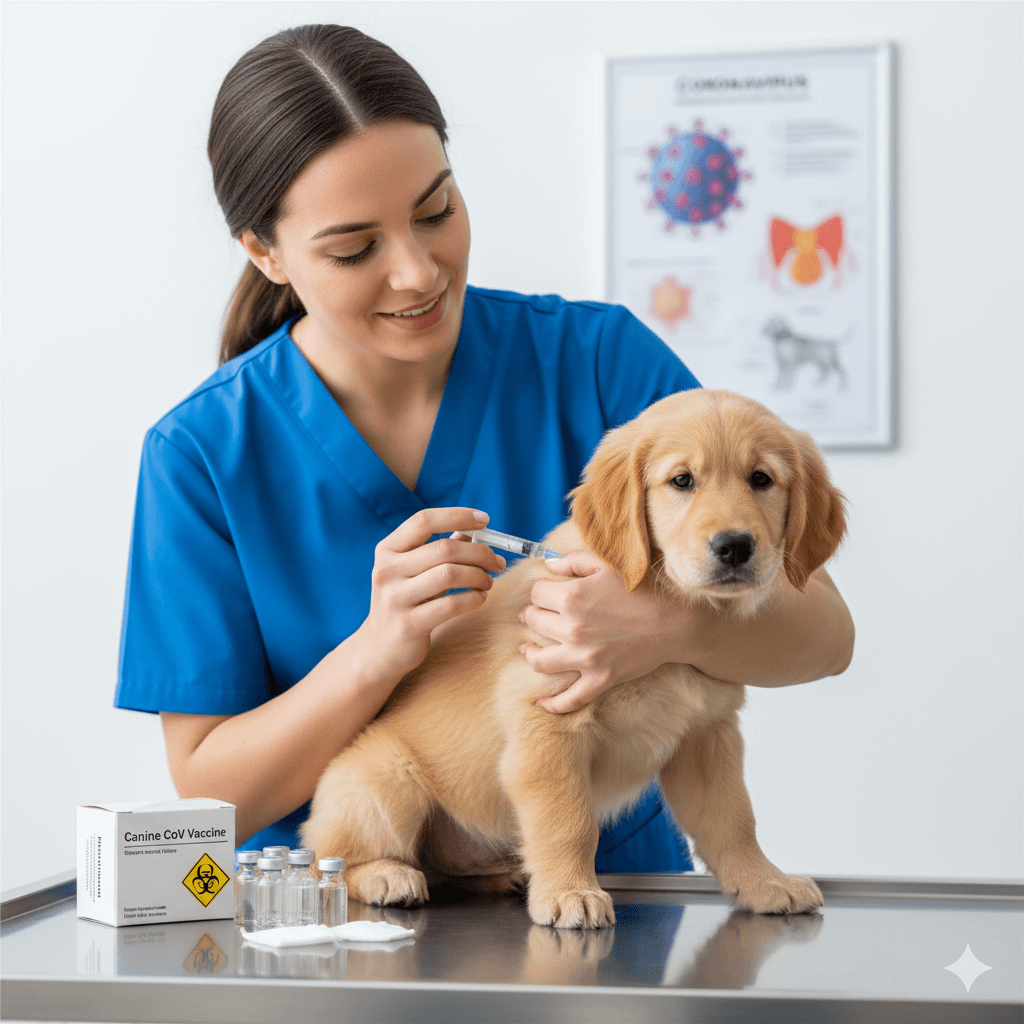

Understanding Dog Coronavirus Vaccine: Best 7 Expert Tips!

Understanding Dog Coronavirus Vaccine: Best 7 Expert Tips!

Understanding Dog Coronavirus Vaccine: Best 7 Expert Tips!

Canine coronavirus may sound alarming—especially in a post-pandemic world—but it’s actually a separate, long-known virus that primarily affects dogs’ digestive systems. While not as severe as parvovirus, it can still cause uncomfortable gastrointestinal upset, especially in puppies. Vaccination exists, but it’s not always part of standard protocols. Knowing when it’s recommended, how it works, and what it protects against helps you make informed choices for your dog’s health. This guide breaks down everything you need to know about the dog coronavirus vaccine with clarity and care.

What Is Canine Coronavirus and How Does It Spread?

Canine coronavirus (CCoV) is a highly contagious intestinal virus that typically causes mild to moderate digestive issues—but can become serious when combined with other infections like parvovirus. Understanding its transmission helps you reduce your dog’s exposure risk:

 
  • Fecal-Oral Transmission:
    Dogs usually contract CCoV by sniffing or ingesting contaminated feces, soil, or surfaces—common in parks, kennels, or shelters.
     
  • Rapid Spread in Group Settings:
    Outbreaks occur quickly in breeding facilities, shelters, or dog shows where many dogs share space and hygiene is limited.
     
  • Environmental Resilience:
    The virus can survive for days in cool, moist environments, making thorough disinfection crucial after exposure.
     
  • Puppies Are Most Vulnerable:
    Their immature immune systems make them prone to severe symptoms like dehydration, lethargy, and prolonged diarrhea.
     
  • Asymptomatic Carriers Exist:
    Some adult dogs show no signs but still shed the virus, unknowingly infecting others in shared environments.
 

While rarely fatal on its own, coronavirus can weaken the gut lining—opening the door to more dangerous co-infections that require urgent care.

Understanding Dog Coronavirus Vaccine: Best 7 Expert Tips!

Is the Dog Coronavirus Vaccine Routine or Optional?

Unlike core vaccines (rabies, distemper, parvovirus), the canine coronavirus vaccine is considered non-core, meaning it’s recommended only based on lifestyle and risk. Veterinarians weigh several factors before suggesting it:

 
  • Not Universally Recommended:
    Major veterinary organizations like the American Animal Hospital Association (AAHA) do not list it as a core vaccine for all dogs.
     
  • Primarily for High-Risk Puppies:
    Breeders or shelters in areas with known outbreaks may vaccinate puppies as young as 6–8 weeks.
     
  • Kennel or Show Dog Consideration:
    Dogs frequently boarded, groomed, or shown may benefit from added protection, though evidence of strong efficacy is limited.
     
  • Often Combined with Parvo Vaccines:
    Some combination shots include both parvovirus and coronavirus components, though parvo protection is the primary goal.
     
  • Limited Duration of Immunity:
    Protection may be short-lived, requiring boosters that aren’t always practical for low-risk pets.
 

Always discuss your dog’s individual exposure level with your vet—most household pets don’t need this vaccine, but exceptions exist.

Vaccine Benefits
Important Limitations
May reduce severity of GI symptoms in puppies
Not proven to prevent infection entirely
Useful in high-density environments (shelters, breeding)
Does not protect against SARS-CoV-2 (human coronavirus)
Low risk of side effects when administered properly
Not recognized as essential by major vet guidelines
Can be given as early as 6 weeks old
Immunity may wane quickly without frequent boosters
Often included in combo shots for convenience
Rarely recommended for adult dogs in low-risk homes

Signs Your Dog Might Have Canine Coronavirus

Symptoms of CCoV usually appear 1–4 days after exposure and often resemble other stomach bugs—making diagnosis tricky without testing. Early recognition helps you respond appropriately:

 
  • Sudden Onset Diarrhea:
    Watery, orange-tinted, and sometimes foul-smelling; may contain mucus but rarely blood (unlike parvo).
     
  • Mild Vomiting:
    Less common than with parvovirus, but some dogs may vomit once or twice early in the illness.
     
  • Temporary Loss of Appetite:
    Your dog might skip a meal or two but usually returns to eating within 24–48 hours.
     
  • Lethargy for 1–2 Days:
    Mild tiredness is typical, but severe weakness suggests a more serious condition or co-infection.
     
  • Fever (Occasionally):
    A slight temperature rise may occur but typically resolves quickly with supportive care.
 

Most healthy adult dogs recover fully within 2–3 days—but puppies or immunocompromised dogs need closer monitoring.

How Is Canine Coronavirus Diagnosed and Treated?

There’s no specific antiviral for CCoV, so treatment focuses on symptom management and preventing complications like dehydration. Diagnosis often relies on ruling out more dangerous causes:

 
  • Fecal Testing:
    PCR panels can detect coronavirus, but many vets only test if symptoms persist or worsen unexpectedly.
     
  • Rule Out Parvovirus First:
    Because parvo is life-threatening and symptoms overlap, vets prioritize rapid parvo tests before assuming coronavirus.
     
  • Supportive Home Care:
    Withholding food briefly, offering small water sips, and feeding a bland diet often suffice for mild cases.
     
  • Veterinary Hydration Support:
    Puppies showing dehydration may receive subcutaneous fluids to stabilize them quickly.
     
  • Antibiotics Only If Needed:
    These don’t fight the virus but may be used if secondary bacterial infection is suspected.
 

Accurate diagnosis ensures your dog isn’t mislabeled with “just a stomach bug” when something more urgent is at play.

Why the Dog Coronavirus Vaccine Is Controversial Among Vets

Despite its availability, many veterinarians hesitate to recommend the CCoV vaccine—and for good scientific reasons. The debate centers on real-world effectiveness and risk-benefit balance:

 
  • Weak Evidence of Clinical Protection:
    Studies show the vaccine may reduce viral shedding but doesn’t consistently prevent illness or transmission.
     
  • Focus on Core Vaccines First:
    Vets prioritize proven, life-saving vaccines—adding non-core ones without clear benefit can overwhelm a puppy’s immune system.
     
  • Misunderstanding Due to Name:
    Pet owners often confuse canine coronavirus with SARS-CoV-2, leading to unnecessary fear and vaccine requests.
     
  • Low Mortality Rate:
    Since most dogs recover without treatment, the medical necessity of vaccination is questioned for average pets.
     
  • Cost vs. Benefit Analysis:
    For a low-risk dog, the cost and stress of an extra vaccine may outweigh minimal protective gains.
 

Open dialogue with your vet ensures decisions are based on science—not fear or marketing.

Preventing Canine Coronavirus Without Vaccination

For most dogs, smart hygiene and lifestyle choices offer better protection than vaccination. Prevention focuses on minimizing exposure and supporting natural immunity:

 
  • Avoid High-Risk Areas with Puppies:
    Keep unvaccinated or young dogs away from dog parks, shelters, or boarding facilities during outbreaks.
     
  • Practice Good Fecal Hygiene:
    Pick up waste immediately and disinfect yards or kennels with bleach-based cleaners (diluted 1:32).
     
  • Maintain a Strong Immune System:
    High-quality nutrition, parasite control, and up-to-date core vaccines keep your dog resilient.
     
  • Quarantine New Dogs Temporarily:
    If adopting or fostering, isolate new pets for 7–10 days to monitor for signs before full integration.
     
  • Wash Hands and Boots After Outings:
    You can carry the virus on shoes or clothing—cleaning up reduces accidental home contamination.
 

Simple, consistent habits often provide stronger defense than a vaccine with uncertain real-world impact.

Special Considerations for Breeders and Multi-Dog Households

In environments with frequent puppy births or many dogs, coronavirus can spread like wildfire—making proactive management essential:

 
  • Puppy Mortality Risk in Litters:
    While rare, CCoV can contribute to “fading puppy syndrome” when combined with stress or other pathogens.
     
  • Vaccinate Brood Bitches Strategically:
    Some breeders vaccinate mothers to boost maternal antibodies passed to puppies via colostrum.
     
  • Strict Biosecurity Protocols:
    Separate whelping areas, dedicated clothing, and footbaths help contain outbreaks in breeding facilities.
     
  • Early Weaning During Outbreaks:
    In severe cases, removing puppies from the dam early (with bottle feeding) may reduce transmission.
     
  • Work Closely with a Veterinary Reproductive Specialist:
    Customized health plans are far more effective than one-size-fits-all vaccine schedules.
 

For breeders, managing coronavirus is less about vaccination and more about holistic biosecurity and monitoring.

Frequently Asked Questions About Dog Coronavirus Vaccine

Does the dog coronavirus vaccine protect against human COVID-19?

No—canine coronavirus (CCoV) and SARS-CoV-2 are completely different viruses. The dog vaccine offers zero protection against human coronaviruses.

While rare, limited evidence suggests SARS-CoV-2 can pass from humans to dogs—but it usually causes no symptoms and doesn’t spread further.

It’s typically combined with distemper, parvovirus, and adenovirus vaccines in a single injection labeled “DA2PP-C” or similar.

Generally no—adult dogs with healthy immune systems rarely get sick from CCoV, and the vaccine isn’t proven to help them.

Immunity is short-lived (possibly 6–12 months), which is one reason it’s not routinely boosted in low-risk dogs.

Making Informed Choices for Your Dog’s Health

The dog coronavirus vaccine isn’t a simple “yes” or “no”—it’s a nuanced decision rooted in your pet’s age, lifestyle, and environment. For most family dogs, excellent hygiene, strong core vaccination, and smart exposure management provide ample protection. But in high-risk settings like shelters or breeding operations, the vaccine may play a supportive role alongside broader health strategies. Above all, trust your veterinarian’s guidance over internet rumors or fear-based marketing. By focusing on proven care and staying calm in the face of confusing terminology, you give your dog the greatest gift: a healthy, happy life grounded in science and love.

 
Understanding Cryptosporidium in Cats: Best 7 Expert Tips!

Understanding Cryptosporidium in Cats: Best 7 Expert Tips! – Spot symptoms, treat safely, and stop parasite spread in your home.

Understanding Cryptosporidium in Dogs: Best 7 Expert Tips!

Understanding Cryptosporidium in Dogs: Best 7 Expert Tips! – Learn symptoms, treatment & prevention for this stubborn gut parasite.

Understanding Syringomyelia in Cats: Best 7 Expert Tips!

Understanding Syringomyelia in Cats: Best 7 Expert Tips! – Recognize signs, manage pain, and support your cat’s neurological health with vet-backed guidance.

Understanding Syringomyelia in Dogs: Best 7 Expert Tips!

Understanding Syringomyelia in Dogs: Best 7 Expert Tips! – Expert insights on symptoms, MRI diagnosis, pain management & quality of life.

Leave a Reply

Your email address will not be published. Required fields are marked *


