
Understanding Everted Laryngeal Saccules in Cats
If your cat struggles to breathe, makes noisy sounds while inhaling, or seems tired after mild activity, they could be dealing with a condition called everted laryngeal saccules. Though relatively rare in felines compared to dogs, this upper airway abnormality can significantly impact your cat’s comfort and quality of life. Often linked to long-standing breathing issues or chronic strain on the respiratory system, early recognition is key to preventing worsening obstruction. While it may sound complex, understanding the signs, causes, and treatment options empowers you to advocate effectively for your cat’s health. With timely care, many cats go on to breathe easier and live full, joyful lives.
What Are Everted Laryngeal Saccules?
Everted laryngeal saccules occur when small mucosal pouches just inside the larynx (voice box) become pulled outward into the airway due to increased breathing effort over time. This condition is usually secondary—meaning it develops because of another underlying airway problem—and creates a vicious cycle of worsening obstruction:
- Anatomical Location:
The laryngeal saccules are tiny, normally hidden pockets located beside the vocal folds; when “everted,” they protrude into the tracheal opening, physically blocking airflow. - Secondary to Chronic Obstruction:
In cats, this is often caused by long-term upper airway resistance—such as from severe brachycephalic syndrome (in flat-faced breeds), laryngeal paralysis, or chronic inflammation. - Progressive Nature:
As breathing becomes harder, negative pressure in the airway worsens, pulling the saccules further inward and narrowing the passage even more. - More Common in Brachycephalic Cats:
While rare overall, Persian, Himalayan, and other flat-faced breeds are at higher risk due to their compressed nasal and throat anatomy. - Not a Primary Disease:
Importantly, everted saccules are a symptom of prolonged respiratory stress—not a standalone illness—so treating the root cause is essential.
Recognizing this condition as part of a larger airway issue helps ensure your cat receives comprehensive, not just symptomatic, care.
Common Signs and Symptoms to Watch For
Cats with everted laryngeal saccules often show progressive breathing difficulties that may go unnoticed until the obstruction becomes significant. Because cats are masters at hiding discomfort, early signs can be subtle—but vigilant observation makes a difference:
- Noisy Breathing (Stridor):
A high-pitched wheezing or snorting sound during inhalation—especially when excited, warm, or stressed—is a classic red flag. - Increased Respiratory Effort:
Watch for exaggerated chest movements, flared nostrils, or open-mouth breathing, which indicate your cat is working harder to get air. - Exercise Intolerance:
Your cat may tire quickly during play, avoid jumping, or seem lethargic compared to their usual self. - Gagging or Retching:
Some cats cough or gag as if something is stuck in their throat, though they aren’t actually vomiting. - Blue-Tinged Gums (in Severe Cases):
Cyanosis—bluish discoloration of the gums or tongue—signals critically low oxygen and requires emergency care.
If you notice any of these signs, especially in a brachycephalic cat, consult your veterinarian promptly to assess airway health.
Check this guide 👉Ragdoll Cat Health Issues: Best 7 Expert Tips!
Check this guide 👉Bengal Cat Health Problems: Best 7 Expert Tips!
Check this guide 👉Munchkin Cat Health Issues: Best 7 Expert Tips!
Early Warning Indicators | Advanced or Emergency Signs |
|---|---|
Occasional snoring at rest | Constant, loud stridor even when calm |
Mild fatigue after play | Refusal to move or extreme lethargy |
Slight increase in breathing rate | Open-mouth breathing at rest |
Brief episodes of gagging | Collapse or fainting after minor exertion |
Tolerates warm weather | Severe distress in heat or humidity |
Underlying Causes and Risk Factors
Everted laryngeal saccules rarely appear out of nowhere. They develop over time due to chronic negative pressure in the upper airway—a consequence of preexisting conditions that make breathing difficult. Identifying these root causes is vital for effective management:
- Brachycephalic Airway Obstruction Syndrome (BAOS):
Flat-faced breeds have narrowed nostrils, elongated soft palates, and crowded throats, creating constant airflow resistance. - Chronic Rhinitis or Nasal Disease:
Long-term nasal inflammation from infections (like feline herpesvirus) forces cats to breathe harder through a compromised passage. - Laryngeal Paralysis or Weakness:
Though less common in cats than dogs, any dysfunction in laryngeal cartilage movement can increase suction forces during breathing. - Obesity:
Excess weight puts additional strain on the respiratory system, worsening existing airway limitations. - Age-Related Tissue Changes:
Older cats may experience loss of structural support in throat tissues, making saccule eversion more likely under stress.
Addressing these underlying issues—often through a combination of medical and surgical approaches—can halt or reverse progression.
Diagnostic Process: How Vets Confirm the Condition
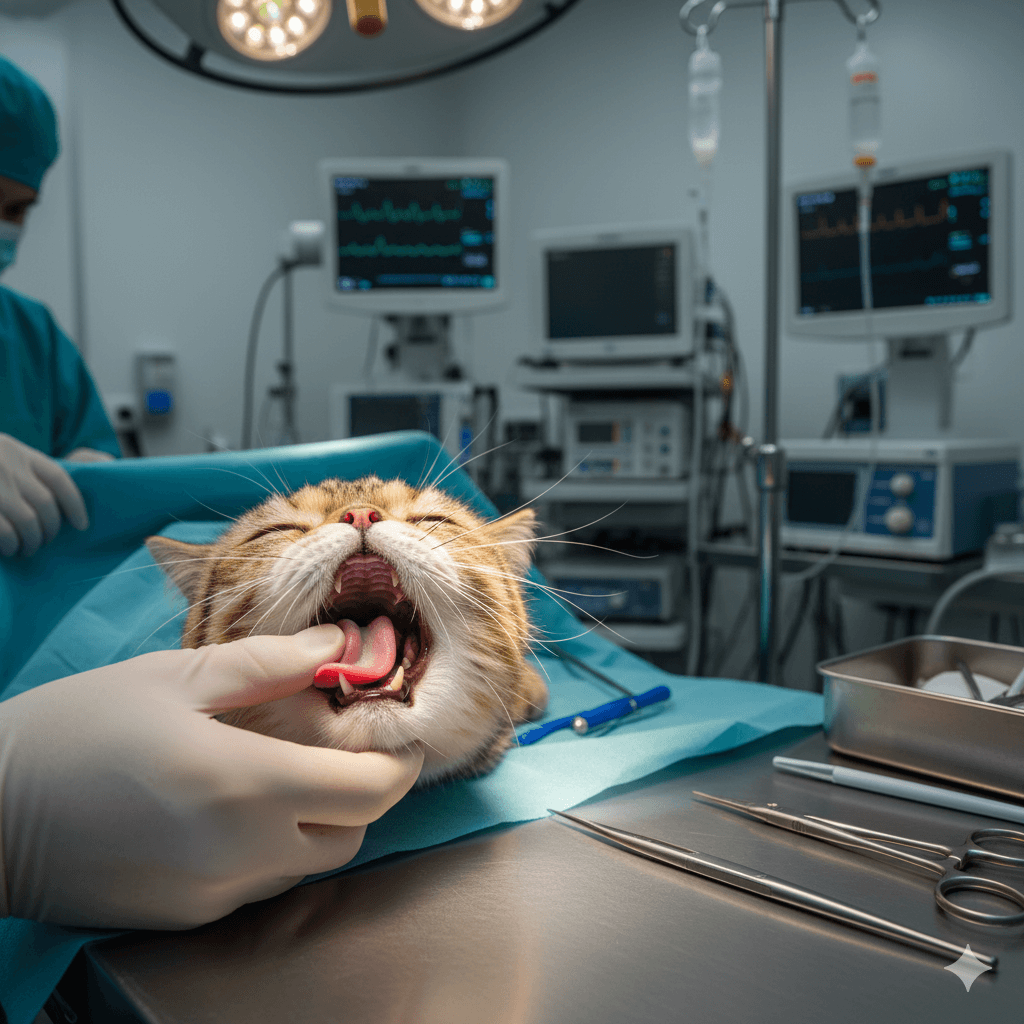
Diagnosing everted laryngeal saccules requires more than just observing symptoms. Because the saccules sit deep in the throat, a thorough veterinary evaluation under sedation is typically necessary for accurate diagnosis:
- Physical and Oral Exam:
Your vet will first check for obvious signs like stenotic nares (pinched nostrils) or an elongated soft palate. - Light Sedation for Laryngeal Exam:
Full visualization of the larynx—and the everted saccules—requires brief, controlled sedation while monitoring breathing. - Imaging Studies:
X-rays or CT scans of the head and neck may be used to assess soft palate length, tracheal diameter, and other structural issues. - Rule Out Other Causes:
Tests for heart disease, asthma, or foreign bodies help ensure the breathing problem isn’t being misdiagnosed. - Oxygen Saturation Monitoring:
Pulse oximetry during the exam helps determine how severely oxygen levels are affected by the obstruction.
Accurate diagnosis ensures your cat receives the right intervention—not just a temporary fix.
Treatment Options and Surgical Intervention
Once confirmed, treatment focuses on relieving the airway obstruction and addressing contributing factors. In most cases, surgery is the most effective long-term solution:
- Sacculectomy (Saccule Removal):
The primary treatment involves surgically trimming the everted tissue to restore a clear airway—often done alongside other corrective procedures. - Corrective Surgeries for BAOS:
If your cat has stenotic nares or an elongated soft palate, these are typically addressed in the same procedure for best results. - Post-Operative Care:
Recovery includes cage rest, anti-inflammatory meds, and close monitoring for swelling—most cats show dramatic improvement within days. - Weight Management Support:
If obesity is a factor, your vet will recommend a tailored diet and gentle activity plan to reduce respiratory strain. - Long-Term Monitoring:
Even after surgery, regular check-ups help catch any recurrence or new airway changes early.
With proper intervention, many cats experience a remarkable return to normal breathing and energy levels.
Prevention and Long-Term Management Strategies
While you can’t always prevent everted saccules—especially in genetically predisposed cats—you can significantly reduce risk and support long-term respiratory health through proactive care:
- Choose Reputable Breeders:
If adopting a brachycephalic breed, select breeders who prioritize health over extreme facial features. - Maintain Ideal Body Weight:
Keep your cat lean through measured meals and interactive play to minimize breathing effort. - Avoid Heat and Stress:
Provide cool, quiet environments during hot weather and reduce situations that trigger panting or anxiety. - Treat Chronic Respiratory Conditions Early:
Manage feline herpesvirus or chronic rhinitis promptly to prevent long-term airway remodeling. - Schedule Regular Vet Check-Ups:
Annual exams allow early detection of subtle breathing changes before they become emergencies.
Prevention isn’t about perfection—it’s about consistent, compassionate habits that give your cat the best chance at easy, healthy breathing.
Special Considerations for Brachycephalic Cat Owners
Cats like Persians, Himalayans, and Exotic Shorthairs require extra vigilance due to their unique anatomy. Their shortened skulls create inherent airway challenges that can accelerate the development of conditions like everted saccules:
- Monitor from Kittenhood:
Even young brachycephalic cats may show early signs—don’t assume noisy breathing is “just how they are.” - Avoid Air Travel When Possible:
The stress and low oxygen in cargo holds can be dangerous for cats with compromised airways. - Use Harnesses, Not Collars:
Pressure on the neck from a collar can worsen obstruction; always walk or ID-tag with a body harness. - Humidify Dry Indoor Air:
Dry air can irritate already-sensitive nasal passages—especially in winter with heating systems running. - Know Your Emergency Plan:
Have your nearest 24-hour vet’s number saved and recognize when breathing distress requires immediate care.
Loving a flat-faced cat means becoming their airway advocate—your awareness can literally be life-saving.
Frequently Asked Questions About Everted Laryngeal Saccules in Cats
What breeds are most at risk for everted laryngeal saccules?
Brachycephalic breeds like Persians, Himalayans, and Exotic Shorthairs are most susceptible due to their compressed airways.
Can this condition be treated without surgery?
Mild cases may be managed temporarily with anti-inflammatories and oxygen therapy, but surgery is usually needed for lasting relief.
Is the surgery risky for cats?
While any anesthesia carries risk, modern protocols and experienced veterinary surgeons make sacculectomy generally safe—especially when done early.
Will my cat’s breathing return to normal after surgery?
Many cats show dramatic improvement, though some residual noise may remain if other BAOS components aren’t fully corrected.
How can I tell if it’s an emergency?
If your cat is open-mouth breathing, has blue gums, or collapses, seek emergency care immediately—this indicates critical oxygen deprivation.
Supporting Your Cat’s Breathing for a Healthier, Happier Life
Seeing your cat struggle to breathe is deeply unsettling—but with knowledge, vigilance, and timely care, you can help them reclaim comfort and vitality. Everted laryngeal saccules may sound daunting, but they’re a manageable part of many cats’ health journeys, especially when caught early. By understanding the signs, respecting your cat’s physical limits, and partnering with a trusted veterinarian, you become their strongest ally in maintaining clear airways and joyful days. Remember, every quiet purr and effortless breath is a victory worth celebrating—and your loving attention makes all the difference.

Is Rawhide Bad for Cats? Best 7 Expert Tips! – Discover the risks, safe alternatives, and expert advice to keep your feline friend healthy and happy.

Is Rawhide Bad for Dogs? Best 7 Expert Tips! – Discover the risks, benefits, and safer alternatives to rawhides for your dog’s chewing needs.

Understanding Anorexia in Cats: Best 7 Expert Tips! – Learn why cats stop eating, spot warning signs, and discover how to help your feline regain appetite safely.

Understanding Anorexia in Dogs: Best 7 Expert Tips! – Learn causes, symptoms, and solutions to help your dog regain appetite and stay healthy.