
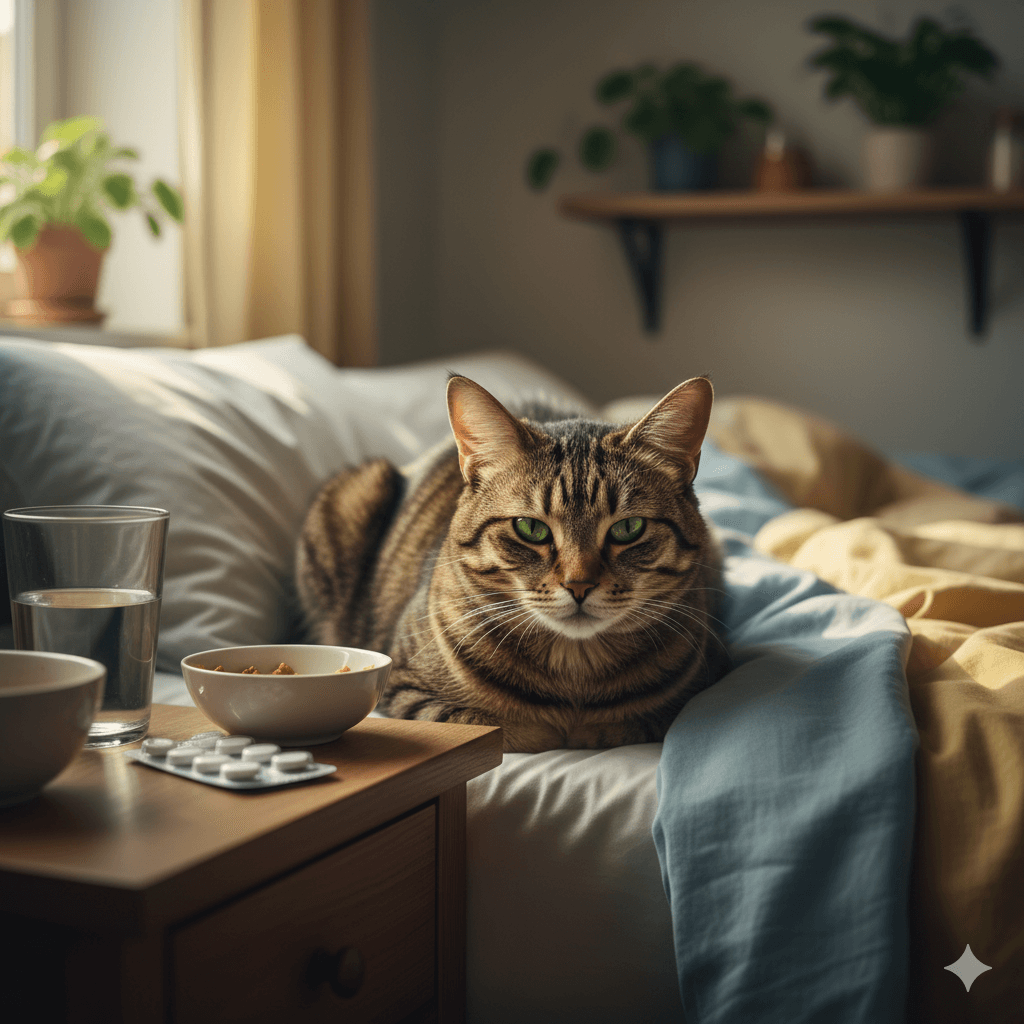

Understanding Doxycycline Cat Side Effects
Doxycycline is a commonly prescribed antibiotic for cats, used to treat bacterial infections like Lyme disease, chlamydia, and respiratory illnesses. While effective, it’s not without potential side effects—some mild, others requiring immediate attention. As a caring cat owner, knowing what to watch for helps you support your pet safely through treatment. Most cats tolerate doxycycline well when given correctly, but awareness and prevention are key. Understanding possible reactions ensures your cat gets the benefits of the medication without unnecessary discomfort.
Common Gastrointestinal Reactions in Cats
Doxycycline can irritate the digestive tract, especially if not administered with enough water or food. Gastrointestinal upset is the most frequent category of side effects, but many can be minimized with proper dosing techniques:
- Vomiting After Dosing:
Cats may vomit shortly after taking doxycycline, particularly if the pill gets stuck in the esophagus—a serious risk with this medication. - Diarrhea or Loose Stools:
Changes in gut bacteria from antibiotics can lead to temporary diarrhea, usually resolving once treatment ends. - Loss of Appetite:
Some cats eat less due to nausea or stomach discomfort, which may lead to dehydration if prolonged. - Drooling or Pawing at Mouth:
Bitter taste or esophageal irritation can cause drooling, gagging, or frantic face-pawing immediately after dosing. - Esophageal Strictures (Rare but Serious):
If a pill lodges in the esophagus without enough water, it can cause ulcers or scarring that narrows the passage—leading to long-term swallowing issues.
Always follow your vet’s instructions for giving doxycycline with plenty of water (or a liquid suspension) to reduce these risks significantly.
Allergic and Systemic Reactions to Monitor
Though uncommon, some cats may experience immune-mediated or systemic responses to doxycycline. These require prompt veterinary attention, as they can escalate quickly:
- Skin Rash or Itching:
Redness, hives, or excessive scratching may signal an allergic reaction, especially if paired with facial swelling. - Lethargy or Weakness:
Unusual tiredness beyond normal rest could indicate a deeper systemic response or liver stress. - Fever or Elevated Temperature:
A sudden fever during treatment may suggest an adverse drug reaction rather than ongoing infection. - Jaundice (Yellow Gums or Eyes):
This rare sign points to possible liver involvement—doxycycline is metabolized by the liver, so pre-existing conditions increase risk. - Difficulty Breathing:
In very rare cases, anaphylaxis can occur; labored breathing, collapse, or pale gums demand emergency care.
While most cats never experience these issues, knowing the warning signs helps you act fast if they arise.
Check this guide 👉Buprenorphine Cat Side Effects: Best 7 Expert Tips!
Check this guide 👉Metronidazole Side Effects in Cats: Best 7 Expert Tips!
Check this guide 👉Cat Leukemia Vaccine Side Effects: Best 7 Expert Tips!
Mild, Manageable Side Effects | Severe or Emergency Reactions |
|---|---|
Mild nausea or drooling | Vomiting blood or dark, tarry stools |
Temporary decrease in appetite | Swelling of face, lips, or eyes |
Soft stool for 1–2 days | Persistent gagging or inability to swallow |
Slight lethargy during first dose | Yellowing of skin or eyes (jaundice) |
Occasional pawing at mouth | Collapse, seizures, or breathing trouble |
Safe Administration Practices to Reduce Risks
How you give doxycycline matters just as much as the dose itself. Proper technique prevents the most common—and dangerous—side effects, especially esophageal injury:
- Always Follow with Water:
Give at least 6 mL (1¼ tsp) of water via syringe after a pill to flush it into the stomach—never dry-dose. - Use Liquid Form When Possible:
Oral suspensions are gentler and easier to administer fully with water, reducing pill-related complications. - Avoid Crushing or Breaking Pills:
This can alter absorption and increase irritation; only do so if your vet specifically approves. - Give with a Small Meal (If Approved):
Food can buffer the stomach, but confirm with your vet—some formulations absorb better on an empty stomach. - Never Use Dairy or Calcium-Rich Foods:
Calcium binds to doxycycline, making it ineffective; avoid milk, cheese, or calcium-fortified treats near dosing time.
These simple steps dramatically lower the chance of side effects while ensuring the medication works as intended.
Long-Term or Cumulative Concerns with Extended Use
While short courses (7–14 days) are generally safe, prolonged doxycycline use—sometimes needed for chronic infections—carries added considerations:
- Gut Microbiome Disruption:
Extended antibiotics can deplete beneficial gut bacteria, potentially leading to diarrhea or secondary infections like Clostridium. - Liver Enzyme Elevations:
Cats with pre-existing liver disease may experience increased stress; periodic blood work may be recommended. - Photosensitivity (Rare in Cats):
Unlike dogs or humans, cats rarely show sun sensitivity, but indoor-only cats are at minimal risk regardless. - Antibiotic Resistance Risk:
Incomplete or inappropriate use can contribute to resistant bacteria—always finish the full course as prescribed. - Dental Discoloration (Only in Kittens):
Doxycycline can stain developing teeth in young kittens, but adult cats with permanent teeth are unaffected.
For long-term therapy, your vet may suggest probiotics or monitoring to support your cat’s overall health during treatment.
Special Considerations for Kittens, Seniors, and At-Risk Cats
Not all cats handle doxycycline the same way. Age, health status, and concurrent conditions influence both safety and dosing strategy:
- Kittens Under 6 Months:
Their developing organs and teeth require careful dosing; liquid forms are preferred, and use is typically avoided unless essential. - Senior Cats:
Reduced liver or kidney function may slow drug clearance, increasing side effect risk—lower doses or longer intervals may be needed. - Cats with Esophageal Issues:
A history of strictures or megaesophagus makes doxycycline high-risk; alternatives like amoxicillin-clavulanate may be safer. - Cats on Other Medications:
Doxycycline can interact with antacids, iron supplements, or certain antifungals—always disclose all current treatments. - Dehydrated or Weak Cats:
Poor hydration worsens esophageal irritation; IV fluids or hospital care may be needed before starting oral antibiotics.
Your veterinarian will weigh these factors carefully before prescribing—and adjust if your cat shows early signs of intolerance.
What to Do If Side Effects Occur
If your cat develops concerning symptoms during doxycycline treatment, stay calm and act deliberately. Most mild issues can be managed at home, but some require urgent care:
- Mild Vomiting or Drooling:
Withhold food for 2–4 hours, then offer water and a bland diet; if it stops, continue meds with extra water next dose. - Persistent Vomiting or Refusal to Eat:
Contact your vet—do not give another dose until advised, as continued irritation could cause ulcers. - Signs of Esophageal Pain (Gagging, Neck Stretching):
Seek immediate care; early intervention can prevent permanent strictures with medications or feeding tubes. - Allergic Symptoms (Swelling, Hives):
Discontinue the drug and call your vet—they may prescribe antihistamines or steroids. - Severe Lethargy or Collapse:
Go to an emergency clinic; this could indicate anaphylaxis, liver failure, or another critical reaction.
Never stop antibiotics abruptly without veterinary guidance—some infections worsen if treatment is interrupted improperly.
Signs Your Cat May Be Reacting Poorly to Doxycycline
Even with careful dosing, some cats show subtle or overt signs that doxycycline isn’t agreeing with them. Early detection allows you to adjust care before minor discomfort becomes a serious issue. Watch for these behavioral and physical cues in the first few days of treatment:
- Repeated Gagging or Retching Without Vomiting:
This may indicate the pill is irritating the esophagus—especially if it happens minutes after dosing and your cat stretches its neck. - Refusing to Eat Even Favorite Foods:
A sudden loss of interest in treats or wet food can signal nausea, mouth pain, or general malaise from the medication. - Hiding or Withdrawing Unusually:
Cats often isolate when feeling unwell; if your normally social cat retreats and avoids interaction, it could be a red flag. - Excessive Lip Licking or Swallowing:
These are classic signs of nausea or esophageal discomfort—your cat may be trying to soothe internal irritation. - Change in Stool Color or Consistency:
Pale, greasy, or unusually foul-smelling stools may suggest liver involvement or gut dysbiosis linked to antibiotic use.
Not every reaction means you should stop the medication—but any of these signs warrant a call to your veterinarian for guidance before the next dose.
Frequently Asked Questions About Doxycycline Cat Side Effects
Can I give my cat doxycycline without water?
No—always follow with at least 6 mL of water to prevent esophageal ulcers, which can cause life-threatening strictures.
How long do side effects last after stopping doxycycline?
Most mild GI symptoms resolve within 24–48 hours; esophageal or liver issues may take days to weeks with treatment.
Is doxycycline safe for cats with kidney disease?
Generally yes—it’s not primarily kidney-cleared—but your vet may adjust the dose based on overall health and bloodwork.
Can I use a pill pocket to hide the tablet?
Only if you can guarantee your cat swallows it completely and immediately follows with water—many cats chew or spit out the pill.
What if my cat vomits right after taking the dose?
If vomiting occurs within 15–20 minutes, the drug likely wasn’t absorbed—contact your vet about re-dosing or switching forms.
Supporting Your Cat Through Antibiotic Treatment
Giving your cat doxycycline can feel stressful—but with careful technique and close observation, most cats complete their course safely and recover fully from their infection. The key is respecting the medication’s power: it’s a valuable tool, but one that demands thoughtful handling. By prioritizing hydration, monitoring behavior, and partnering with your veterinarian, you turn a potentially risky treatment into a healing journey. Remember, your calm presence and attention to detail make all the difference. In the end, your cat’s health isn’t just about the medicine—it’s about the love and care wrapped around every dose.
Understanding Everted Laryngeal Saccules in Cats If your cat struggles to breathe, makes noisy sounds while inhaling, or seems tired after mild …
Everted Laryngeal Saccules in Dogs: Best 7 Expert Tips! – Spot signs, understand surgery, and help your dog breathe easier.
Tetanus Shot After Cat Bite: Best 7 Expert Tips! – Learn when you need a booster, how to care for the wound, and prevent serious infection.
Tetanus Shot After Dog Bite: Best 7 Expert Tips! – Know when you need a booster, how to clean wounds, and prevent serious infection.


